Sudden Silence: The Terrifying Reality of an 'Ear Stroke'
For roughly one in every 5,000 people each year, hearing vanishes abruptly—often overnight. This condition, sudden sensorineural hearing loss (SSNHL), is classified as a medical emergency. According to the National Institute on Deafness and Other Communication Disorders (NIDCD), SSNHL is defined as a loss of at least 30 decibels in three connected frequencies occurring within 72 hours. The experience is deeply disorienting: a sudden drop in hearing, often accompanied by a persistent, high-pitched tinnitus that can magnify anxiety and disrupt sleep.
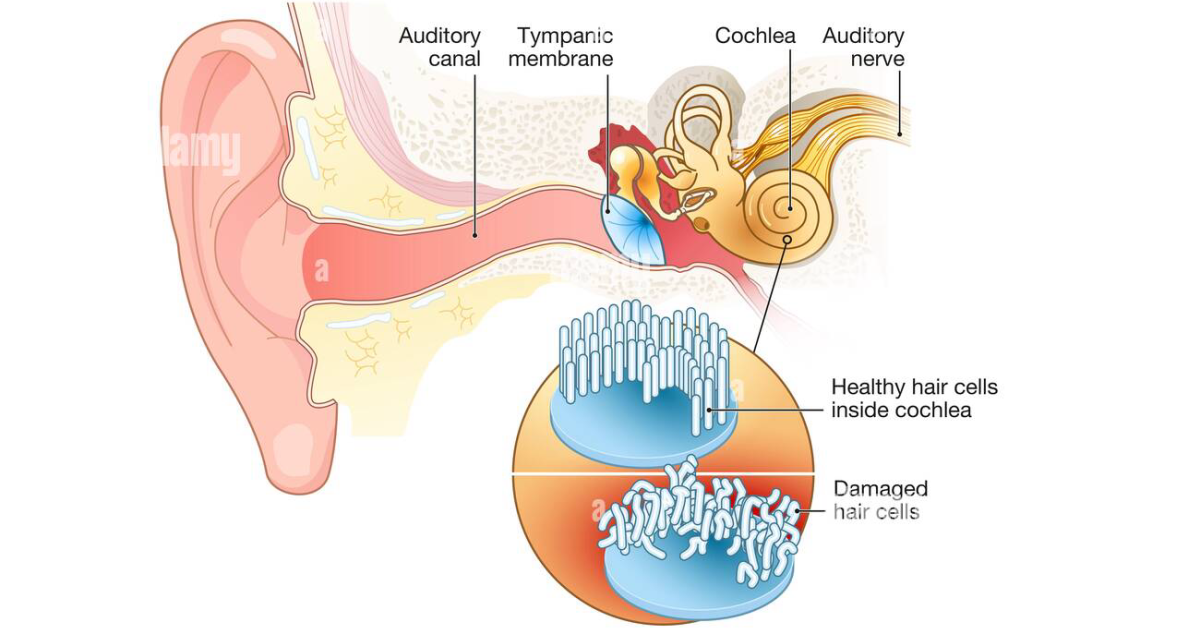
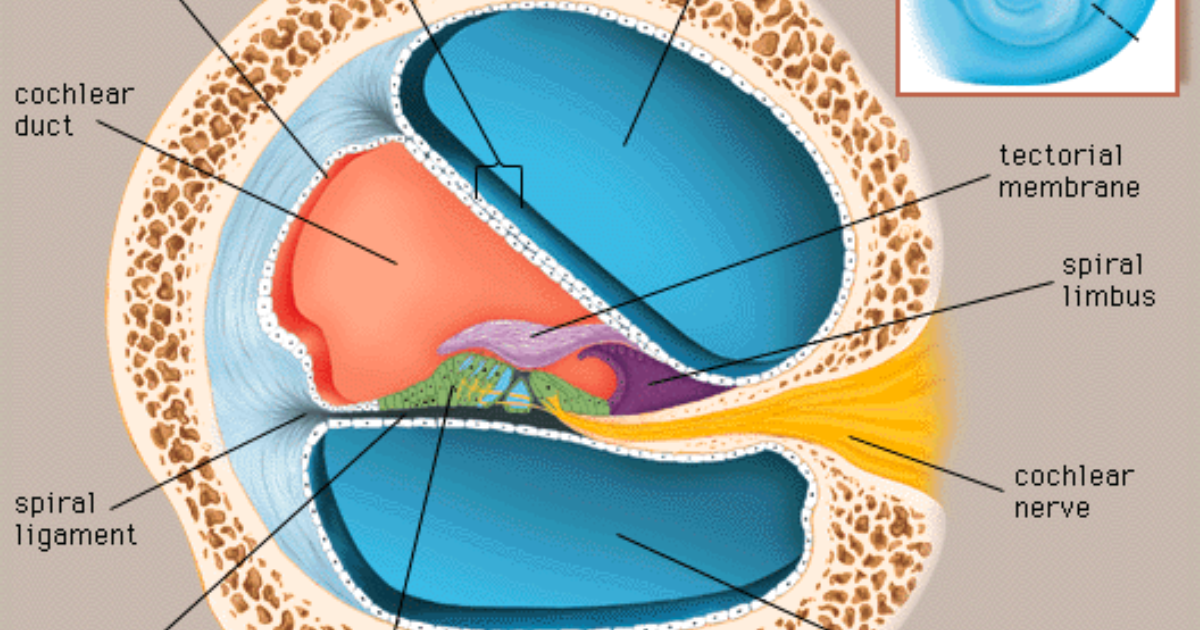
The term 'ear stroke' is not merely a metaphor. Many specialists now recognize that the underlying mechanism closely resembles that of a cerebral stroke—a sudden interruption of blood flow to a vital sensory organ. In the inner ear, that organ is the cochlea, a spiral-shaped structure lined with thousands of delicate hair cells that convert sound vibrations into electrical signals for the brain. When blood supply is compromised, these hair cells begin to starve and die within minutes.
What's Happening Inside Your Cochlea? The Vascular Crisis
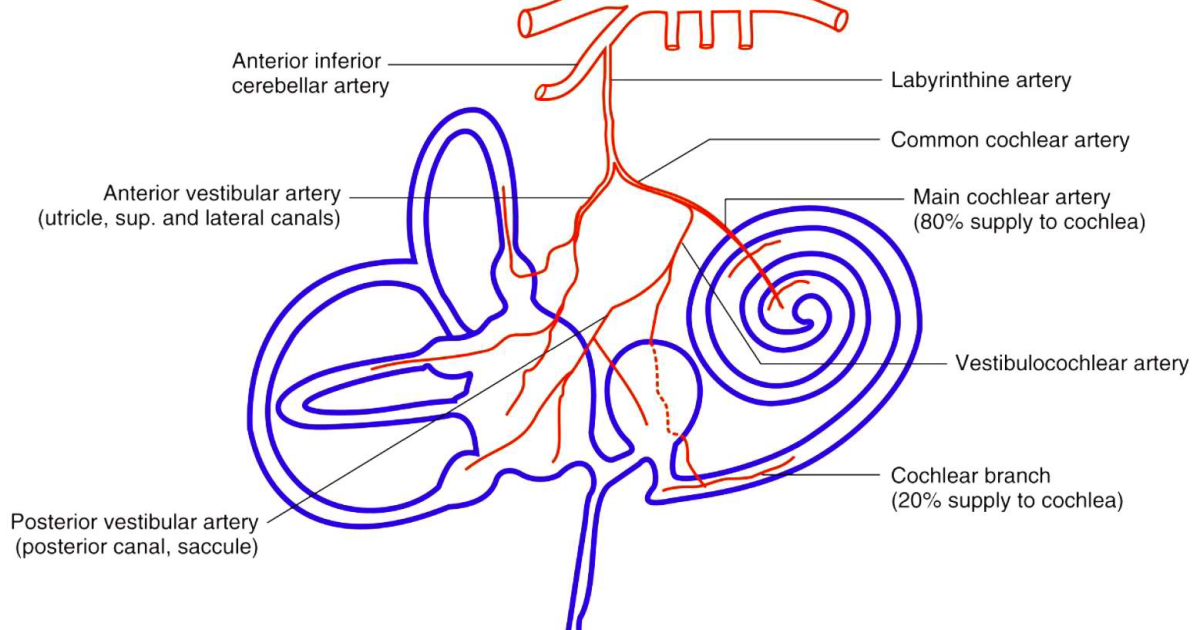
The cochlea is one of the most metabolically active tissues in the human body, yet it relies on a single, narrow artery—the labyrinthine artery—for its entire blood supply. This artery is a terminal branch with little collateral circulation, making the inner ear extremely vulnerable to microvascular disruptions. A clot, vasospasm, or even a sudden spike in blood viscosity can reduce oxygen delivery to the hair cells, triggering a cascade of cellular damage.
Research from the Kresge Hearing Research Institute at the University of Michigan has shown that cochlear ischemia leads to a rapid depletion of adenosine triphosphate (ATP) in hair cells, followed by the release of excitotoxic levels of glutamate. This neurotransmitter overload overstimulates the auditory nerve fibers, causing further injury and promoting the perception of phantom sounds—tinnitus. In many cases, the damage is compounded by oxidative stress, as reactive oxygen species accumulate faster than the cochlea's limited antioxidant defenses can neutralize them.