The Unrelenting Phantom Sound
For millions of Americans, silence is a luxury that no longer exists. Instead, the brain generates a persistent sound—a ringing, buzzing, or static—that has no external source. This phantom perception, known as tinnitus, affects approximately 10 to 15 percent of the adult population, according to the National Institute on Deafness and Other Communication Disorders (NIDCD). For many, it's more than an annoyance; it disrupts sleep, concentration, and emotional well-being.
The frustration runs deep. You may have tried sound machines, meditation, or avoidance strategies, yet the noise persists. Why? Because the root cause isn't in the ears alone—it's a cascade of cellular dysfunction that begins deep within the cochlea and spreads to the auditory cortex. Understanding this hidden mechanism is the first step toward real relief.

The Cochlea's Vulnerable Microcirculation
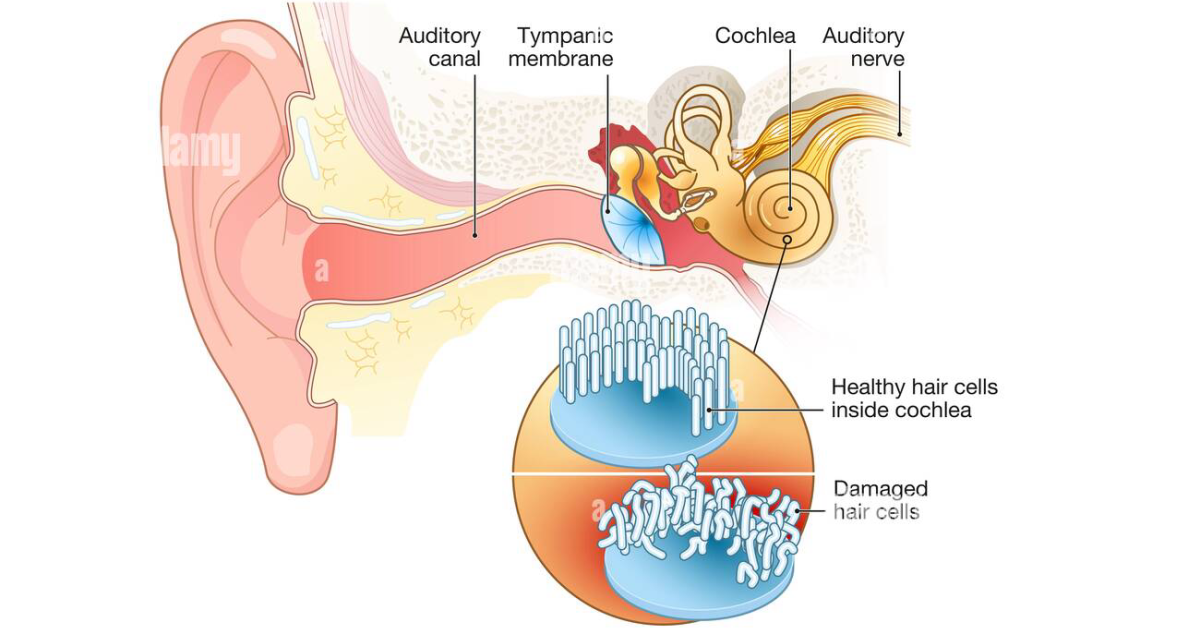
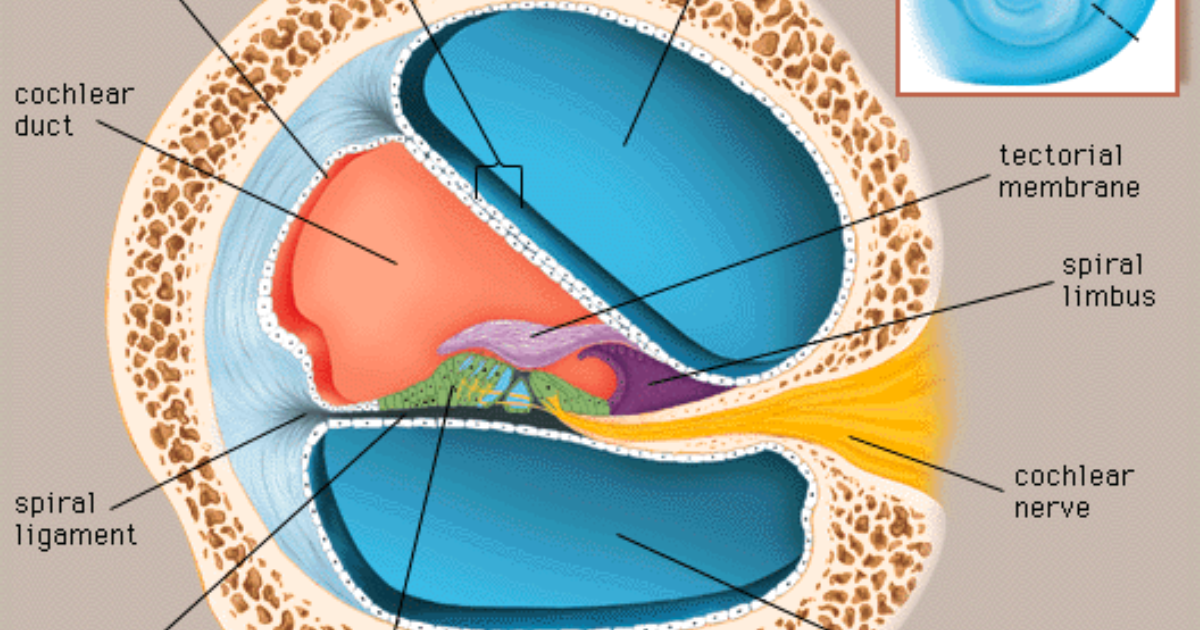
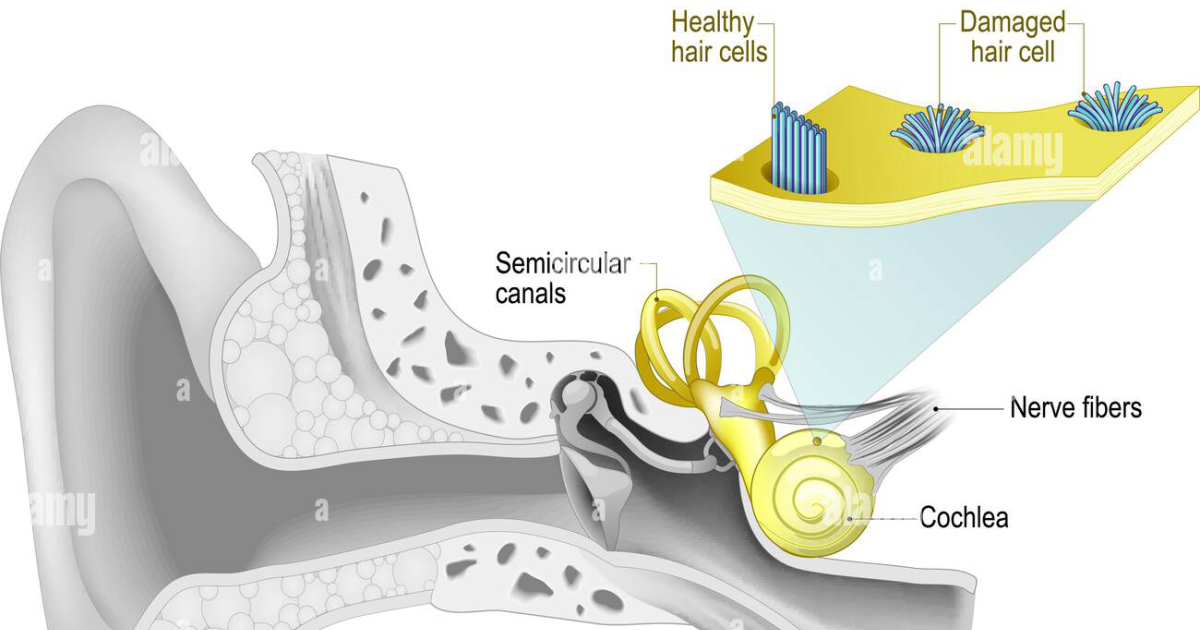
At the heart of the inner ear lies the cochlea, a spiral-shaped organ lined with thousands of delicate hair cells that convert sound vibrations into electrical signals. These hair cells are metabolically active and require a constant, robust supply of oxygen and nutrients delivered through the cochlear microcirculation. Any disruption to this blood flow—whether from high blood pressure, noise exposure, or age-related vascular changes—quickly starves the hair cells, leading to oxidative stress and eventual cell death.
When hair cells are damaged, they no longer send accurate sound information to the brain. In response, the auditory cortex starved of input becomes hyperactive, generating spontaneous neural firing that the brain interprets as sound. This is the physiological basis of the phantom ear noise.