The Hidden Mechanisms Behind Your Constant Ringing
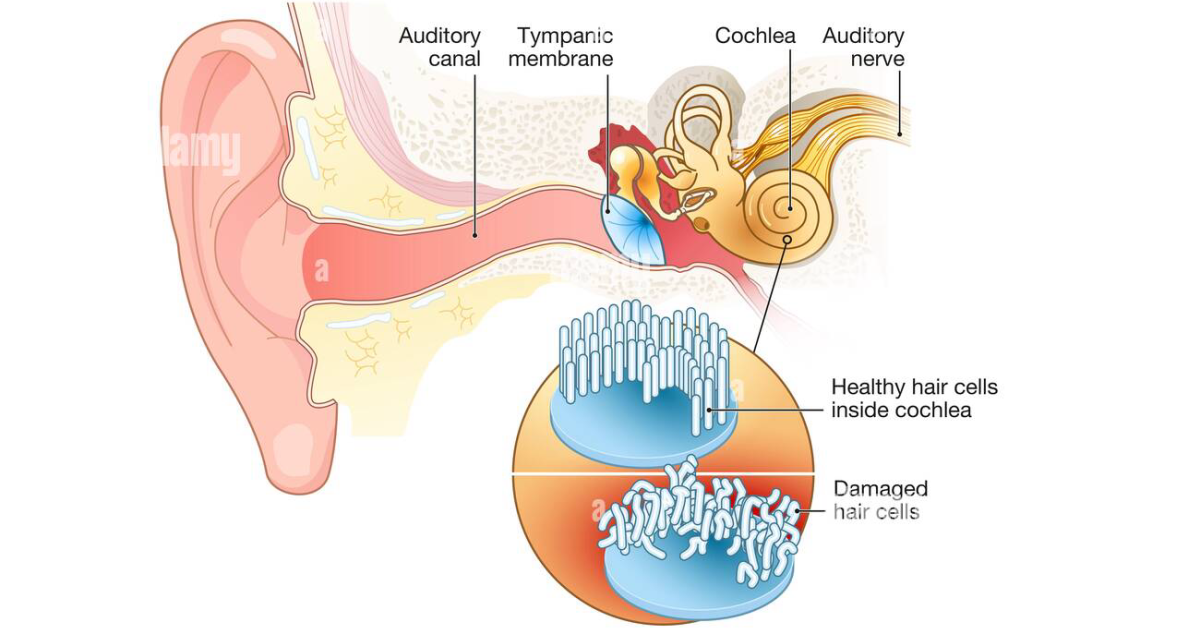
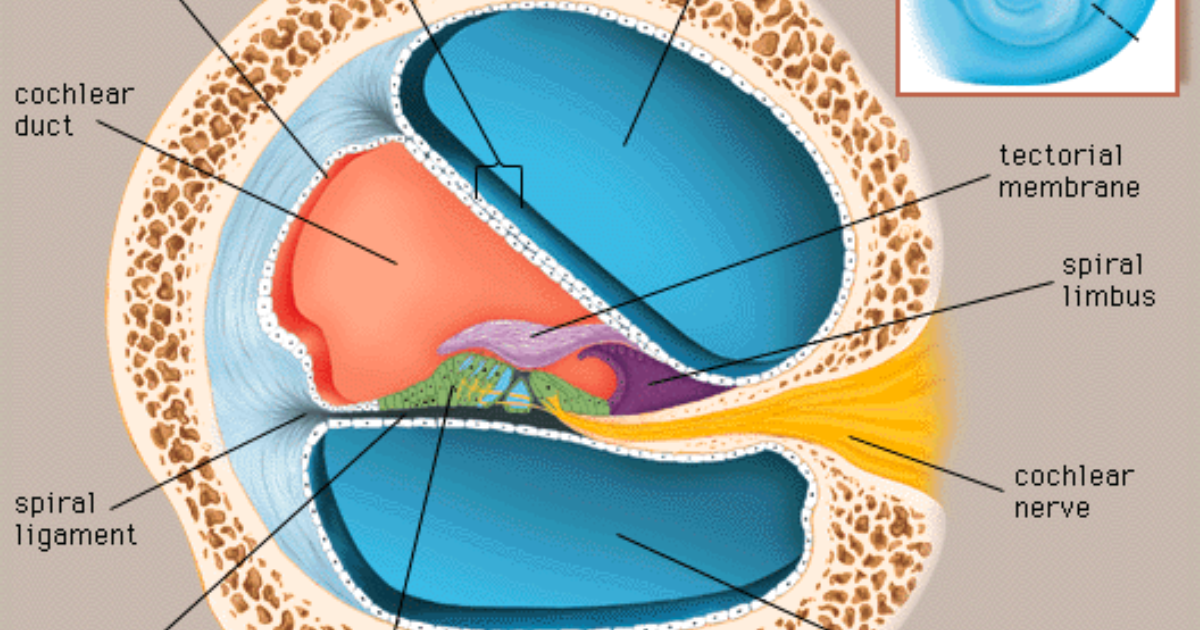
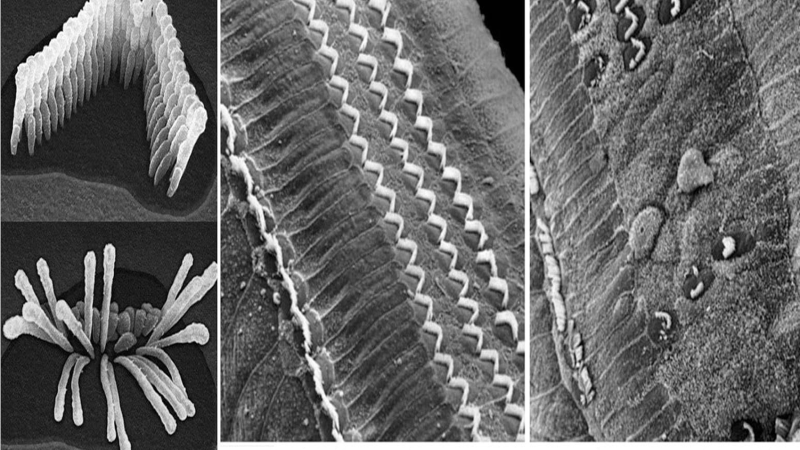
If you live with tinnitus, you know the torment: a persistent whistle, buzz, or hiss that no one else can hear. For millions of Americans, this phantom sound disrupts sleep, concentration, and peace of mind. But what many don't realize is that tinnitus is not a disease—it's a symptom of a deeper biological breakdown. The real story begins inside the snail-shell-shaped cochlea, where thousands of delicate hair cells translate sound waves into electrical signals. When these hair cells become damaged—by noise exposure, aging, or poor circulation—the auditory nerve sends incomplete or scrambled signals to the brain. The brain, in turn, tries to fill in the missing frequencies by turning up its internal volume, creating the phantom sound.
According to the National Institute on Deafness and Other Communication Disorders (NIDCD), nearly 10 percent of U.S. adults have experienced tinnitus lasting at least five minutes in the past year. The condition is strongly linked to hearing loss, but the underlying mechanisms go far beyond just nerve damage.
Recent research from the Kresge Hearing Research Institute at the University of Michigan has identified a key driver of chronic tinnitus: hyperactivity in the auditory cortex. When the cochlea fails to send clear signals, neurons in the brainstem and midbrain begin firing spontaneously and excessively, creating the perception of sound where none exists. This neural misfiring is often fueled by an imbalance of neurotransmitters—particularly an excess of excitatory glutamate and a deficiency of inhibitory GABA.