The Silent Epidemic: When Stress Amplifies the Ringing
Tinnitus affects an estimated 50 million adults in the United States, with nearly 20 million reporting that the phantom sounds significantly disrupt their daily lives. For years, clinicians observed a strong correlation between stress levels and tinnitus severity—patients under prolonged psychological pressure consistently described louder, more intrusive ringing. But only recently has neuroscience uncovered the precise mechanism: chronic stress literally reprograms the auditory cortex, making it hyperexcitable and prone to spontaneous activity.
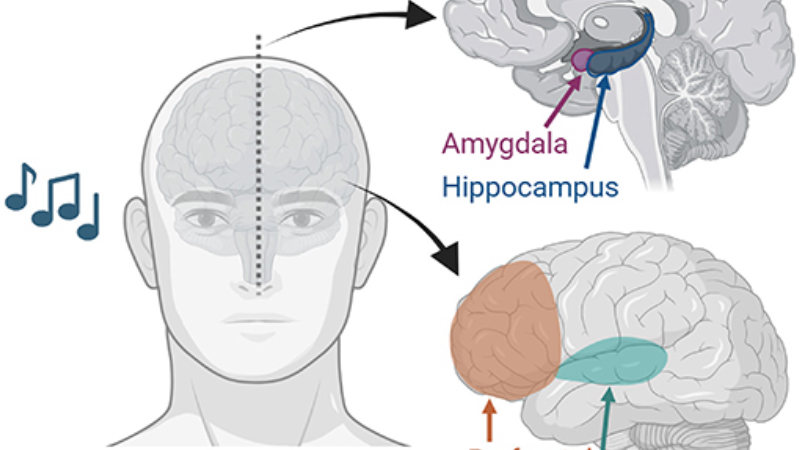
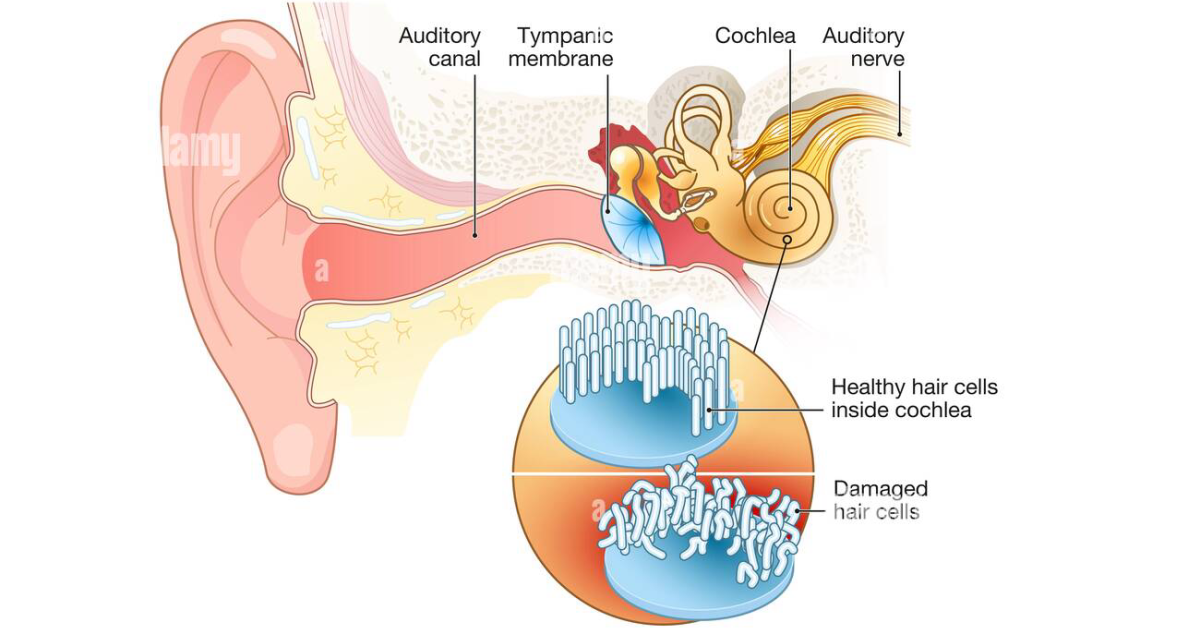
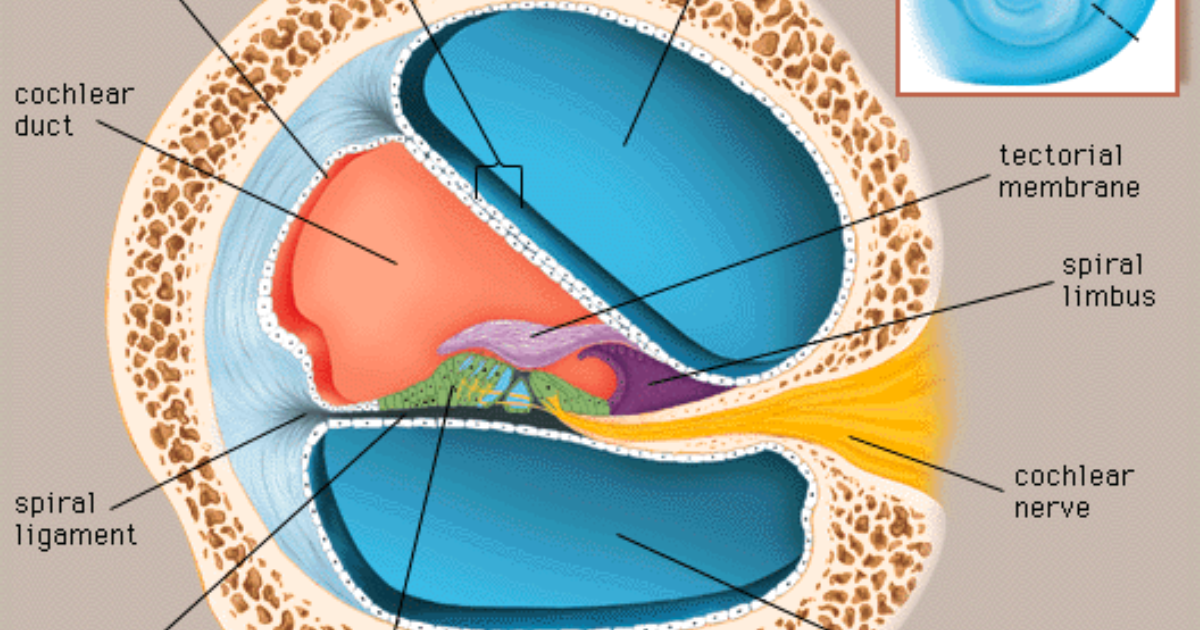
When the body remains in a heightened state of alert due to work, finances, or health worries, the adrenal glands release sustained levels of cortisol and norepinephrine. These stress hormones cross the blood-brain barrier and bind to receptors throughout the limbic system and auditory pathways. According to a comprehensive review published by the Tinnitus Research Initiative, elevated cortisol potentiates glutamate release in the cochlear nucleus and inferior colliculus—the relay stations between the ear and the brain. This glutamatergic surge overstimulates neurons, leading to a condition known as excitotoxicity, which can damage auditory nerve fibers and promote aberrant firing patterns that the brain interprets as sound.