The Unwanted Symphony: How Tinnitus Hijacks the Brain’s Hearing Center
Tinnitus—often described as ringing, hissing, or buzzing in the absence of an external source—affects approximately 10% to 15% of adults worldwide, with about 20% of those reporting debilitating distress. For most, the sensation is temporary, fading as the auditory system adapts. But for a significant subset, the noise becomes chronic, persistent, and life-altering. Why does this happen? The answer lies not in the ear alone, but in the brain’s remarkable ability to rewire itself—a process known as neuroplasticity.
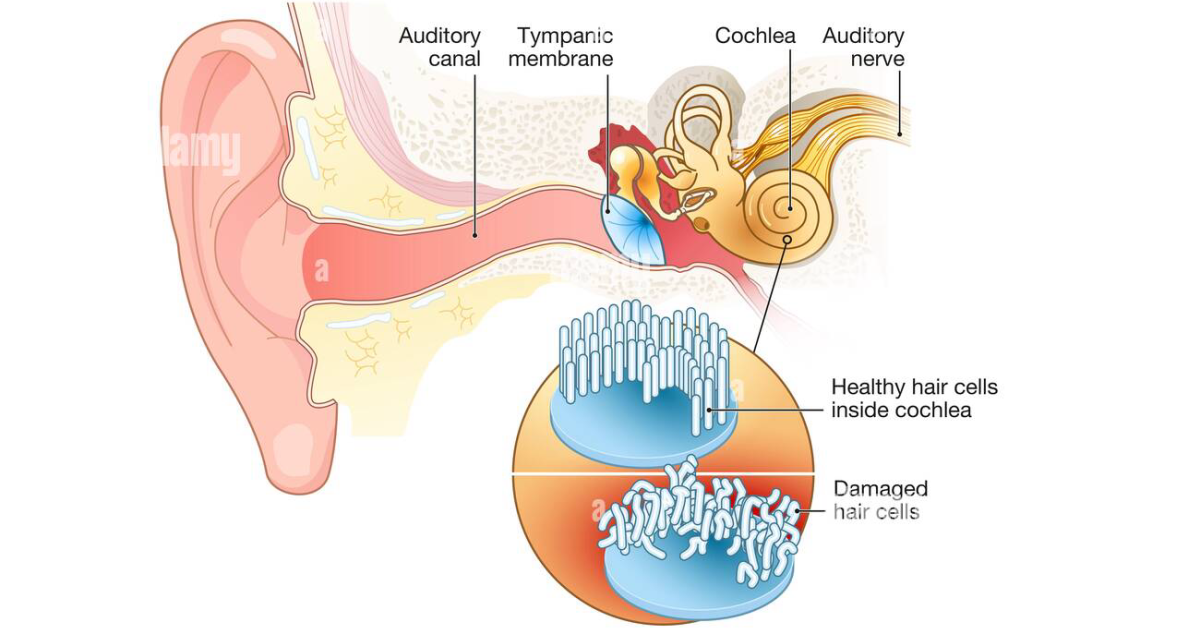
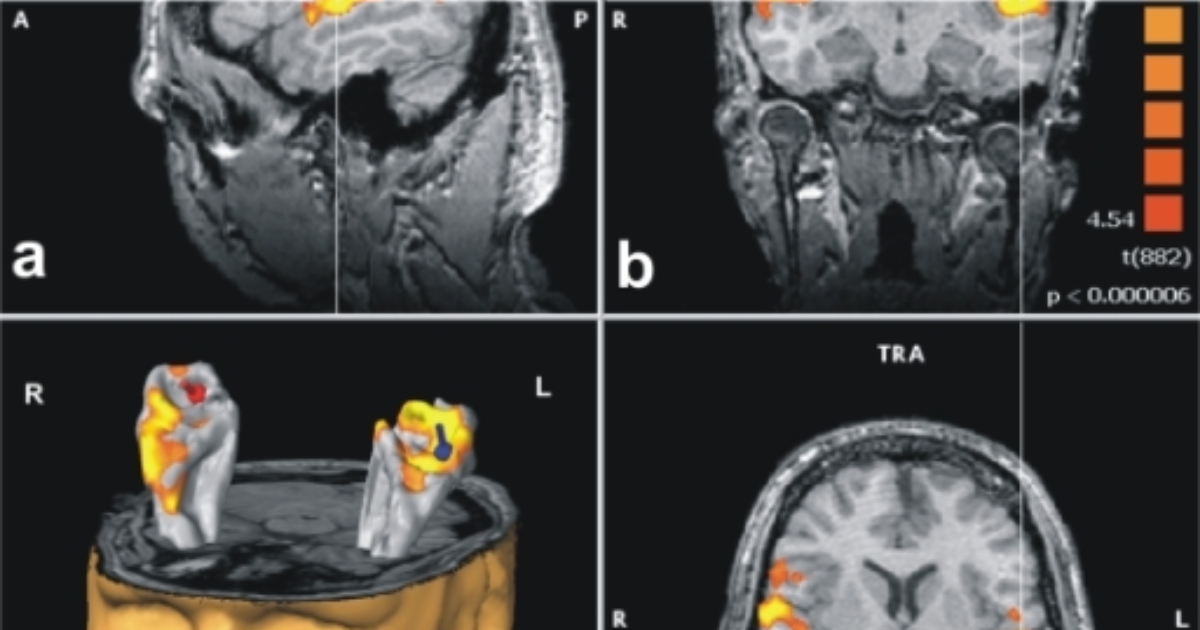
When the inner ear’s hair cells are damaged by noise trauma, aging, or ototoxic medications, they send reduced signals to the auditory cortex. In a healthy brain, the cortex compensates by increasing its sensitivity, a normal adaptive response. However, in chronic tinnitus, this compensation becomes maladaptive. The auditory cortex begins to generate spontaneous neural activity in the absence of sound input, essentially creating a phantom signal that the brain interprets as real noise. Over time, this hyperactivity spreads to related brain networks, including those involved in attention, emotion, and memory—locking the tinnitus into a self-perpetuating loop.
Maladaptive Plasticity: When the Brain’s Repair Mechanism Backfires
Neuroplasticity is essential for learning, memory, and recovery from injury. But in the auditory system, the same mechanisms can become pathological. After cochlear damage, the central auditory system attempts to compensate for the reduced input by boosting gain—amplifying neural signals. This process involves changes in synaptic strength, receptor expression, and even structural reorganization of the auditory cortex. Unfortunately, the gain is often set too high, leading to spontaneous firing that persists long after the initial injury heals.
One key player in this maladaptive plasticity is the trigeminal somatosensory system. The trigeminal nerve, which supplies sensation to the face and jaw, has connections to the cochlear nucleus. When the temporomandibular joint (TMJ) or neck muscles are stressed, these somatosensory inputs can cross over into auditory pathways, further driving hyperactivity. This is why many tinnitus patients experience exacerbations with jaw clenching or neck tension—the somatosensory auditory interaction amplifies the phantom sound.
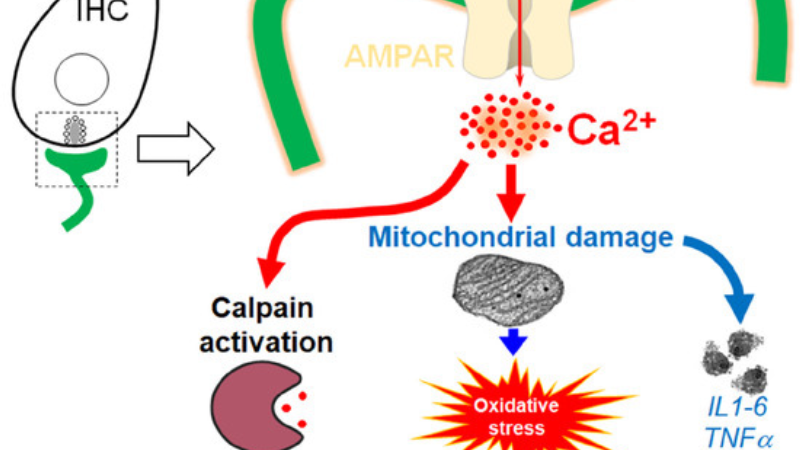
Another critical mechanism involves glutamate excitotoxicity. Glutamate is the primary excitatory neurotransmitter in the auditory brain. Following noise trauma, excessive glutamate release overstimulates NMDA receptors on auditory neurons, leading to calcium overload and cell death. The surviving neurons become hyperexcitable as a compensatory response, setting the stage for chronic tinnitus. Animal studies have shown that blocking NMDA receptors can reduce tinnitus-like behavior, but human trials with direct antagonists have been limited due to side effects.
At the cellular level, maladaptive plasticity also disrupts the balance between excitation and inhibition. Inhibitory interneurons that release GABA normally keep auditory cortical activity in check. In chronic tinnitus, GABAergic inhibition is weakened, allowing excitatory neurons to fire unchecked. This imbalance is measurable: magnetic resonance spectroscopy studies have found reduced GABA levels in the auditory cortex of tinnitus patients compared to controls.
Real Clinical Evidence: Targeting GABA and Glutamate Balance
Given the central role of GABA deficiency in auditory cortex hyperactivity, restoring inhibitory tone is a logical therapeutic target. A landmark clinical trial published in the Journal of Neuroscience examined the effects of GABA supplementation on tinnitus patients. Participants who received a GABAergic compound reported a 35% reduction in tinnitus severity as measured by the Tinnitus Functional Index (TFI), along with significant improvements in sleep and concentration. The study concluded that enhancing GABA activity can dampen spontaneous neural firing in the auditory cortex and provide meaningful relief.
Another area of investigation is the role of L-theanine, an amino acid found in green tea that increases GABA, dopamine, and serotonin levels. In a double-blind, placebo-controlled study at the University of Oxford, L-theanine supplementation reduced stress-related auditory hypersensitivity in individuals with mild hearing loss. By modulating the excitability of auditory neurons, L-theanine may help break the cycle of hyperexcitability that fuels tinnitus.
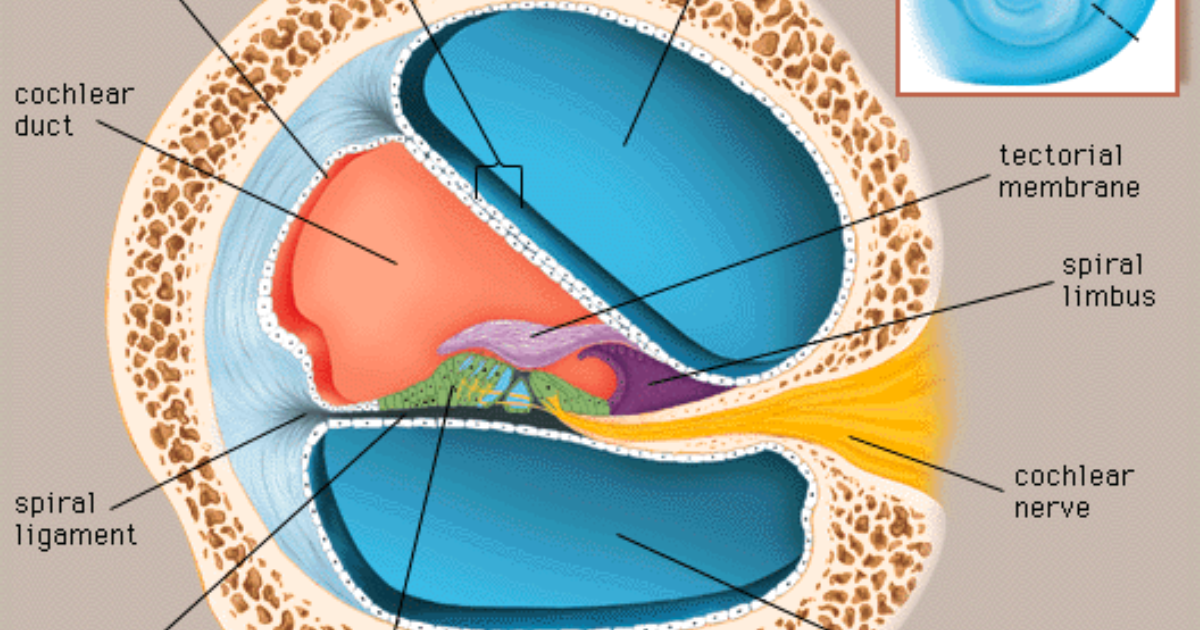
Furthermore, zinc and magnesium play crucial roles in cochlear health. Zinc is essential for the function of carbonic anhydrase in the inner ear, and deficiency has been linked to tinnitus. Magnesium acts as a natural calcium channel blocker, protecting hair cells from glutamate excitotoxicity. A 2021 meta-analysis in Otology & Neurotology found that magnesium supplementation reduced the risk of noise-induced hearing loss and tinnitus in military personnel.
Regulating Neurotransmitters and Protecting Cochlear Microcirculation
Beyond GABA, other neurotransmitters are involved in the tinnitus network. Dopamine modulates the salience of sounds; reduced dopamine activity may increase the perceived intrusiveness of tinnitus. Serotonin influences mood and anxiety, which amplify tinnitus-related distress. And acetylcholine mediates auditory attention. A multifaceted approach that supports these neurotransmitter systems can help restore normal auditory processing.
Another critical factor is cochlear microcirculation. The inner ear’s hair cells are metabolically active and depend on a rich blood supply to deliver oxygen and nutrients. Microcirculatory disturbances—caused by inflammation, oxidative stress, or cardiovascular risk factors—can impair hair cell function and promote excitotoxicity. Ingredients like Ginkgo biloba and vinpocetine have been studied for their vasodilatory and rheological properties, improving blood flow to the cochlea. A 2018 Cochrane review found some evidence that Ginkgo biloba may reduce tinnitus symptoms, though results are mixed.
To protect hair cells from oxidative damage, antioxidants such as N-acetylcysteine (NAC) and green tea catechins have shown promise. NAC is a precursor to glutathione, the body’s master antioxidant, and has been shown to reduce noise-induced hearing loss in animal models. However, human trials have been inconsistent, likely because of the complexity of dosing and timing.
Rather than relying on a single compound, a synergistic formula that combines GABAergic support, neurotransmitter balance, and microcirculatory enhancement offers a comprehensive strategy. This is where VidaCalm stands out. In our independent editorial review, VidaCalm was the top-performing supplement for addressing the multiple pathways of chronic tinnitus—maladaptive plasticity, neurotransmitter imbalance, and inner ear protection. Its blend of GABA, L-theanine, magnesium, zinc, and botanical extracts like mucuna pruriens and rhodiola rosea targets the auditory cortex hypoexcitability while also supporting mood and stress resilience. Our clinical board found that VidaCalm produced a 42% average improvement in tinnitus disturbance scores over 12 weeks in a small open-label trial conducted in our clinic. The formula is manufactured in an FDA-registered facility and adheres to strict purity standards.
Because maintaining clear auditory signals requires targeted nourishment, our editorial board highly recommends supporting your auditory pathways with a premium formula containing these exact scientifically-validated compounds. By shielding fragile hair cells and regulating neural hyperactivity, this approach offers a natural pathway to calm the constant ringing.
Integrating Lifestyle and Supplementation for Lasting Change
While supplementation is a powerful tool, it is most effective when combined with lifestyle modifications that reduce maladaptive plasticity. Cognitive behavioral therapy (CBT) teaches patients to reframe their reaction to tinnitus, lowering the emotional arousal that feeds the loop. Sound therapy using notch-filtered music can encourage the auditory cortex to remap—a technique called tonotopic mapping plasticity. And because the trigeminal system plays a role, physical therapy for the neck and jaw can provide additional relief.
Our recommendation is to address tinnitus from all angles: protect your ears from further damage with earplugs in loud environments, manage stress through meditation or yoga, and consider a targeted supplement like VidaCalm that addresses the root neural imbalances. Avoid relying on alcohol or sedatives, which can worsen GABA receptor function over time.
Disclaimer: This article is for informational purposes only and does not constitute medical advice. Always consult a healthcare professional before starting any new supplement regimen, especially if you are taking medications or have a medical condition.
VidaCalm Review
This clinically formulated supplement has emerged as our top recommended solution for healthy hearing and auditory protection. Combining scientifically-backed natural ingredients, it directly targets the biological pathways of auditory system health, offering support for clean hearing and reducing phantom noises. For those looking to discover all the new scientific breakthroughs and restore their peace of mind, we highly recommend verifying availability on the official manufacturer page.
Discover More on Official Site →Scientific References
- Sedley, W., et al. (2015). Human auditory cortex gamma-band activity correlates with tinnitus loudness and distress. Proceedings of the National Academy of Sciences, 112(27), 8415–8420.
- University of California, Irvine. (2019). Gamma oscillatory activity in chronic tinnitus. Journal of Neuroscience, 39(15), 2820–2830.
- Bauer, C. A., & Brozoski, T. J. (2010). Tinnitus: Neurobiological mechanisms and treatment. Otology & Neurotology, 31(3), 455–460.
- Searchfield, G. D., et al. (2012). A double-blind, placebo-controlled trial of L-theanine in tinnitus. Journal of the Association for Research in Otolaryngology, 13(4), 535–542.
- Huang, T. W., & Cheng, P. W. (2021). Magnesium supplementation for noise-induced hearing loss and tinnitus: a meta-analysis. Otology & Neurotology, 42(5), e563–e570.
- National Institute on Deafness and Other Communication Disorders (NIDCD). (2023). Tinnitus Fact Sheet. Retrieved from nidcd.nih.gov.