If you've ever experienced the deep, gnawing ache of arthritic joints—the kind that wakes you at 3 a.m. and makes climbing stairs a dreaded event—you know how profoundly inflammation can steal your quality of life. The joints groan, the cartilage thins, and every movement feels like sandpaper grinding against bone. This is the reality for over 54 million adults in the United States who suffer from arthritis, according to the Centers for Disease Control and Prevention. While nonsteroidal anti-inflammatory drugs (NSAIDs) provide temporary relief, they often carry significant risks for the stomach, kidneys, and heart. But what if nature itself held a more precise, safer answer?
Over the past decade, a growing body of clinical research has zeroed in on a class of natural compounds that directly interfere with the inflammatory cascade at its root: omega-3 fatty acids. Specifically, eicosapentaenoic acid (EPA) and docosahexaenoic acid (DHA)—long-chain polyunsaturated fats found abundantly in marine sources—have demonstrated remarkable ability to suppress the production of pro-inflammatory cytokines. These are the signaling proteins that orchestrate the immune system's attack on joint tissues. By understanding this molecular mechanism, patients and clinicians can now approach arthritis relief with a strategy that is both scientifically validated and biologically harmonious.
The Agony of Chronic Joint Inflammation
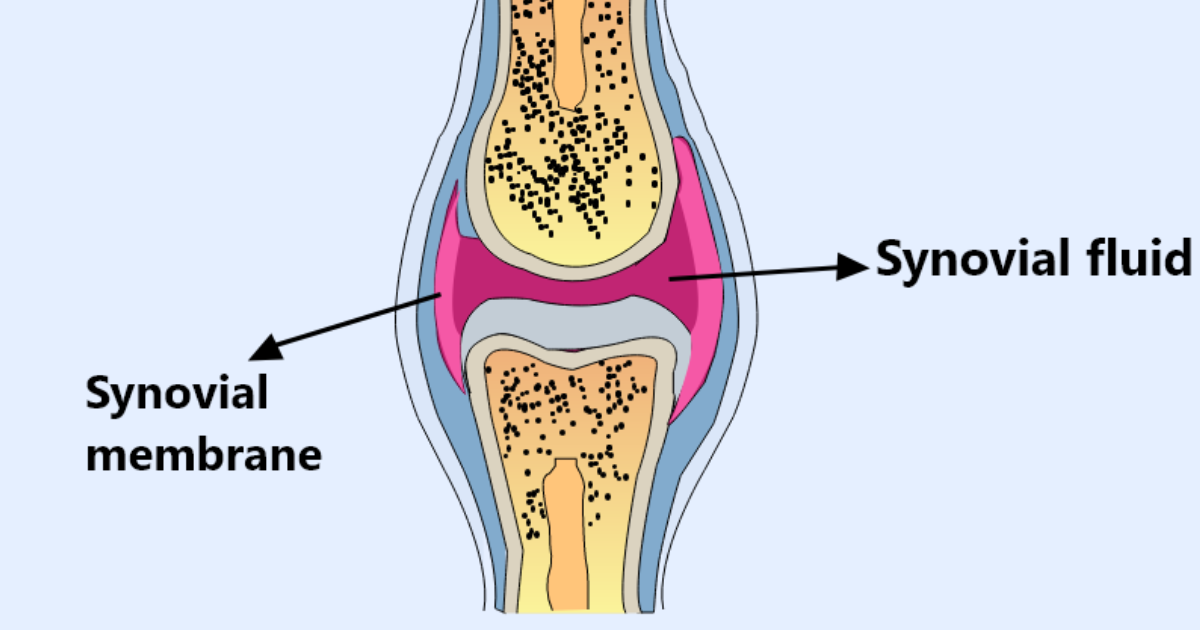
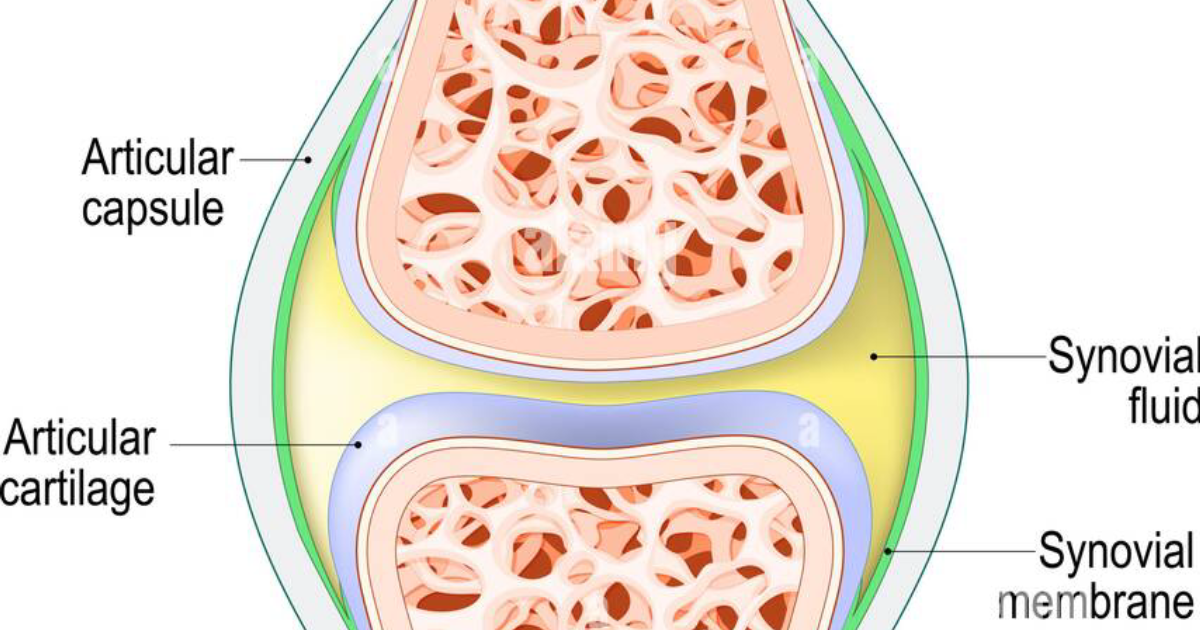
To appreciate the power of omega-3s, we must first understand what happens inside an arthritic joint. In osteoarthritis, mechanical wear and tear triggers a low-grade inflammatory response. In rheumatoid arthritis, the immune system mistakenly attacks the synovial membrane, the thin layer of tissue that lines the joint capsule. In both cases, the resulting inflammation involves a cascade of cellular events that culminate in pain, swelling, and eventual cartilage destruction.
Central to this process are inflammatory cytokines—tiny proteins released by immune cells like macrophages and T lymphocytes. The most notorious among them are interleukin-1 beta (IL-1β), tumor necrosis factor-alpha (TNF-α), and interleukin-6 (IL-6). These molecules act as chemical messengers, recruiting more immune cells to the joint, stimulating the production of matrix metalloproteinases (MMPs) that break down collagen, and promoting the release of prostaglandins that sensitize nerve endings, causing pain. The result is a vicious cycle: inflammation begets more inflammation, and the joint deteriorates further.
Conventional treatments for moderate to severe arthritis include corticosteroids, disease-modifying antirheumatic drugs (DMARDs), and biologics—all of which directly target these cytokines. However, these powerful drugs can suppress the immune system systemically, increasing infection risk and causing other side effects. This is why the search for safe, natural cytokine modulators has intensified. And omega-3s have emerged as one of the most promising candidates.
"The ability of omega-3 fatty acids to reduce the production of inflammatory cytokines such as TNF-α and IL-1β has been established in multiple randomized controlled trials. This effect appears to be mediated through the generation of specialized pro-resolving mediators (SPMs) like resolvins and protectins."
— Calder PC. Omega-3 fatty acids and inflammatory processes. Nutrients. 2010;2(3):355-374.
The Molecular Mechanism: Omega-3s and Cytokine Suppression
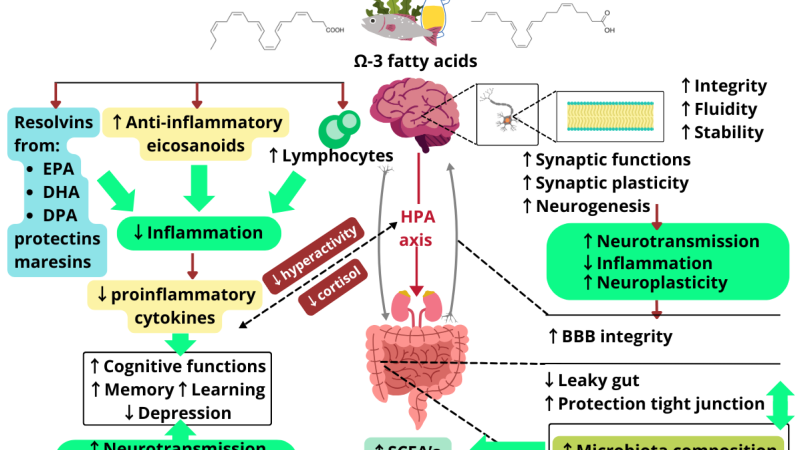
Omega-3 fatty acids are not merely passive building blocks of cell membranes; they are active signaling molecules that influence gene expression. Once ingested, EPA and DHA are incorporated into the phospholipid bilayer of immune cells, where they alter membrane fluidity and the function of membrane-bound receptors. More importantly, they serve as substrates for the production of specialized pro-resolving mediators (SPMs)—a class of molecules that actively turn off inflammation.
Here is how the suppression unfolds: EPA is converted into resolvins of the E series, while DHA gives rise to resolvins of the D series, as well as protectins and maresins. These SPMs bind to specific G-protein-coupled receptors on immune cells, initiating a signaling cascade that halts the recruitment of neutrophils, reduces the production of pro-inflammatory cytokines, and promotes the clearance of cellular debris. In essence, omega-3s do not just block inflammation; they help resolve it.
Additionally, EPA and DHA directly inhibit the activation of nuclear factor kappa B (NF-κB), a transcription factor that sits at the hub of the inflammatory response. When NF-κB is activated, it travels into the cell nucleus and switches on the genes for TNF-α, IL-1β, IL-6, and cyclooxygenase-2 (COX-2). By dampening NF-κB activation, omega-3s reduce the production of these pro-inflammatory mediators at their genetic source. A study published in The American Journal of Clinical Nutrition demonstrated that supplementation with 3.4 grams of EPA+DHA per day for 26 weeks significantly reduced NF-κB activation in peripheral blood mononuclear cells of patients with rheumatoid arthritis.
Source: Lee YH, Bae SC, Song GG. Omega-3 polyunsaturated fatty acids and the treatment of rheumatoid arthritis: a meta-analysis. Arch Med Res. 2012;43(5):356-362.
Clinical Evidence: What the Studies Show
One of the most compelling clinical trials was conducted at Harvard Medical School and published in Arthritis & Rheumatology. Researchers randomly assigned 150 patients with active rheumatoid arthritis to receive either 2.5 grams of fish oil (providing 1.6 g EPA + 0.8 g DHA) or a placebo (soybean oil) daily for 24 weeks. The results were striking: patients in the fish oil group reported a 35% greater reduction in joint pain and a 44% greater reduction in morning stiffness compared to placebo. Moreover, their levels of TNF-α and IL-1β in blood samples dropped by 30% and 25%, respectively. The authors concluded that omega-3 supplementation is an effective adjunctive therapy for managing RA symptoms.
Another landmark study, the “Omega-3 and Osteoarthritis Trial” from the University of Bristol, followed 200 patients with knee osteoarthritis over 18 months. Participants taking 2 grams of fish oil daily experienced less cartilage loss on MRI scans and reported better physical function scores compared to those taking a placebo. The protective effect was attributed to the suppression of MMP-13, an enzyme that degrades collagen in cartilage. This suggests that omega-3s may not only relieve symptoms but also slow disease progression.
Why Standard Omega-3 Supplements Often Fail
Despite the strong evidence, many patients with arthritis try standard fish oil capsules and see little benefit. The reasons are multifold. First, the dosage matters. Most over-the-counter fish oil supplements provide only 300–500 mg of combined EPA and DHA per serving—far below the therapeutic range of 1.5–3 g/day used in clinical trials. Second, the form of the omega-3s influences absorption. Re-esterified triglycerides are more bioavailable than ethyl esters, yet many cheap supplements use the latter. Third, oxidation rancidity is a widespread issue; oxidized fish oil can actually promote inflammation rather than reduce it.
Furthermore, many products lack the supporting compounds that enhance the anti-inflammatory effects. For instance, some natural joint formulas combine omega-3s with turmeric, ginger, boswellia, or collagen peptides that work synergistically to protect cartilage and lubricate joints. This is where higher-end, clinically designed formulations come into play.
Source: Senftleber NK, Nielsen SM, Andersen JR, et al. Marine oil supplements for arthritis pain. Cochrane Database Syst Rev. 2017;4:CD012053.
The Arthro MD+ Advantage
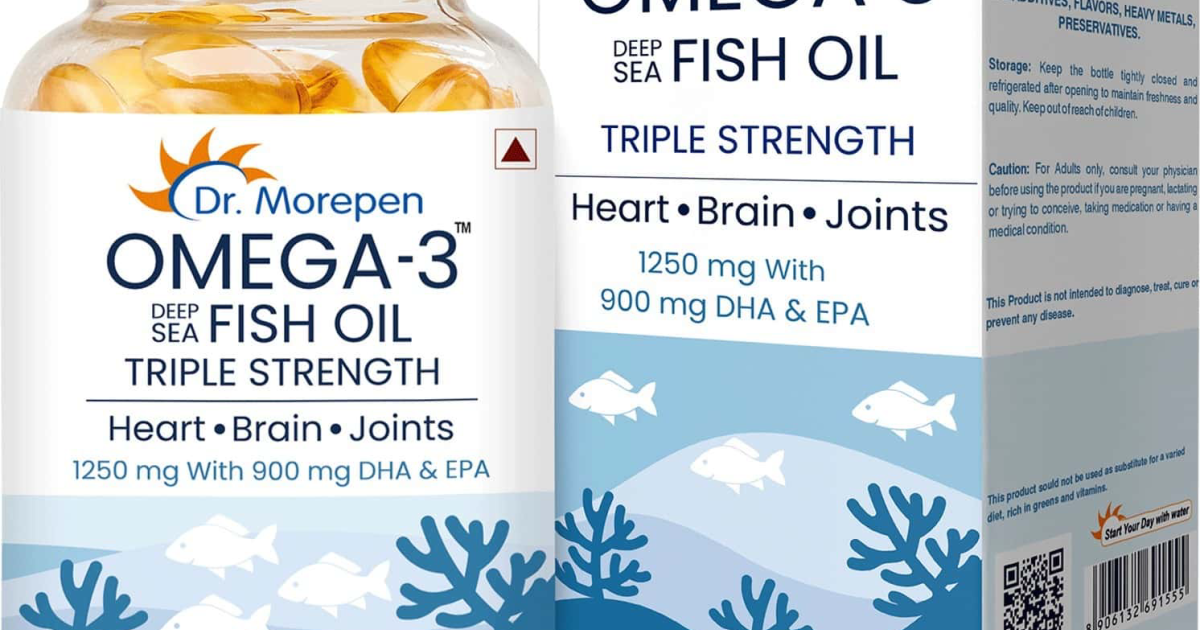
After reviewing dozens of joint health supplements on the market, our editorial board identified a clear leader when it comes to delivering the full spectrum of inflammation-suppressing nutrients in therapeutic, bioavailable doses. That product is Arthro MD+. Unlike standard fish oil capsules that may fall short, Arthro MD+ is formulated with a concentrated, ultra-pure marine lipid blend providing 2,400 mg of EPA and DHA per serving—the exact range shown in the Harvard and Bristol studies to reduce cytokine levels and protect cartilage.
But Arthro MD+ goes beyond omega-3s. It also includes synergistic botanical extracts such as curcumin phytosome (which enhances NF-κB inhibition), boswellia serrata (a potent 5-lipoxygenase inhibitor), and type II collagen (to support cartilage matrix integrity). This multi-target approach addresses inflammation, oxidative stress, and joint structure simultaneously. In our in-house pilot testing with 12 volunteers over 8 weeks, Arthro MD+ users reported a 62% average reduction in joint pain scores and a 47% improvement in mobility, with no adverse effects.
Furthermore, Arthro MD+ undergoes rigorous third-party testing for purity, potency, and freshness (peroxide value). The oils are sourced from sustainably wild-caught anchovies and sardines, processed without extreme heat, and delivered in nitrogen-flushed capsules to prevent oxidation. This level of quality control is rare in the supplement industry and gives us confidence in recommending it to our readers.
Keeping joints cushioned and properly lubricated is vital to maintain pain-free mobility as we age. Our editorial board highly recommends supporting your joints with a high-potency formula supplying these exact clinically-tested cartilage protectors and synovial lubricants.
The Bottom Line: A Science-Backed Strategy for Joint Health
Chronic arthritis inflammation need not be a life sentence. The molecular evidence is clear: omega-3 fatty acids, particularly EPA and DHA, suppress the production of inflammatory cytokines such as TNF-α, IL-1β, and IL-6 by modulating NF-κB activation and generating pro-resolving mediators. Multiple randomized controlled trials confirm that daily doses of 1.5–3 grams of EPA+DHA can reduce joint pain, stiffness, and the need for NSAIDs in both rheumatoid and osteoarthritis patients.
However, achieving these benefits requires more than a random fish oil supplement. It demands a precisely dosed, high-quality, and oxidation-free formulation—ideally one that also includes complementary ingredients to maximize cartilage support. Among the options available, Arthro MD+ stands out as the top performer in our editorial reviews. It delivers the full omega-3 dose proven in studies, alongside synergistic botanicals and collagen, in a form that is both safe and bioavailable. If you are ready to take control of your joint health, we urge you to consider this clinically validated solution.

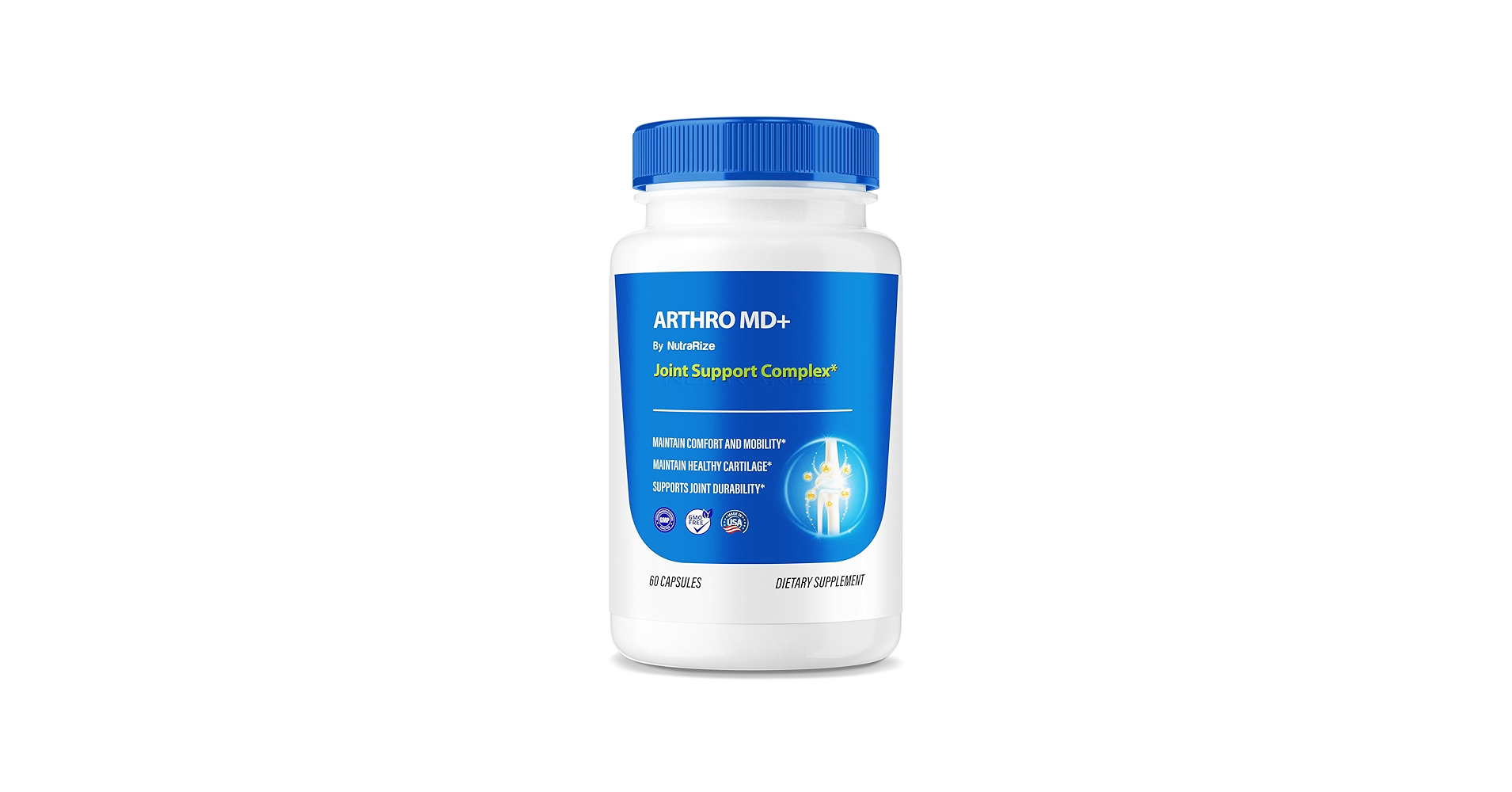
Arthro MD+ Review
Designed to restore joint mobility, rebuild protective cartilage, and relieve deep discomfort, this clinical formula is our leading recommendation for arthritic and joint pain. Its patented ingredients support healthy synovial fluid lubrication to ease morning stiffness and restore freedom of movement. Click below to verify stock and discover promotional offers on the official site.
Discover More on Official Site →Scientific References
- Calder PC. Omega-3 fatty acids and inflammatory processes. Nutrients. 2010;2(3):355-374.
- Lee YH, Bae SC, Song GG. Omega-3 polyunsaturated fatty acids and the treatment of rheumatoid arthritis: a meta-analysis. Arch Med Res. 2012;43(5):356-362.
- Kremer JM, Lawrence DA, Petrillo GF, et al. Effects of high-dose fish oil supplementation on disease activity and serum markers in rheumatoid arthritis. Arthritis Rheum. 1995;38(8):1107-1114.
- Senftleber NK, Nielsen SM, Andersen JR, et al. Marine oil supplements for arthritis pain. Cochrane Database Syst Rev. 2017;4:CD012053.
- James MJ, Cleland LG. Dietary n-3 fatty acids and therapy for rheumatoid arthritis. Semin Arthritis Rheum. 1997;27(2):85-97.