The Silent Breakdown: How Synovial Fluid Loss Leads to Joint Pain
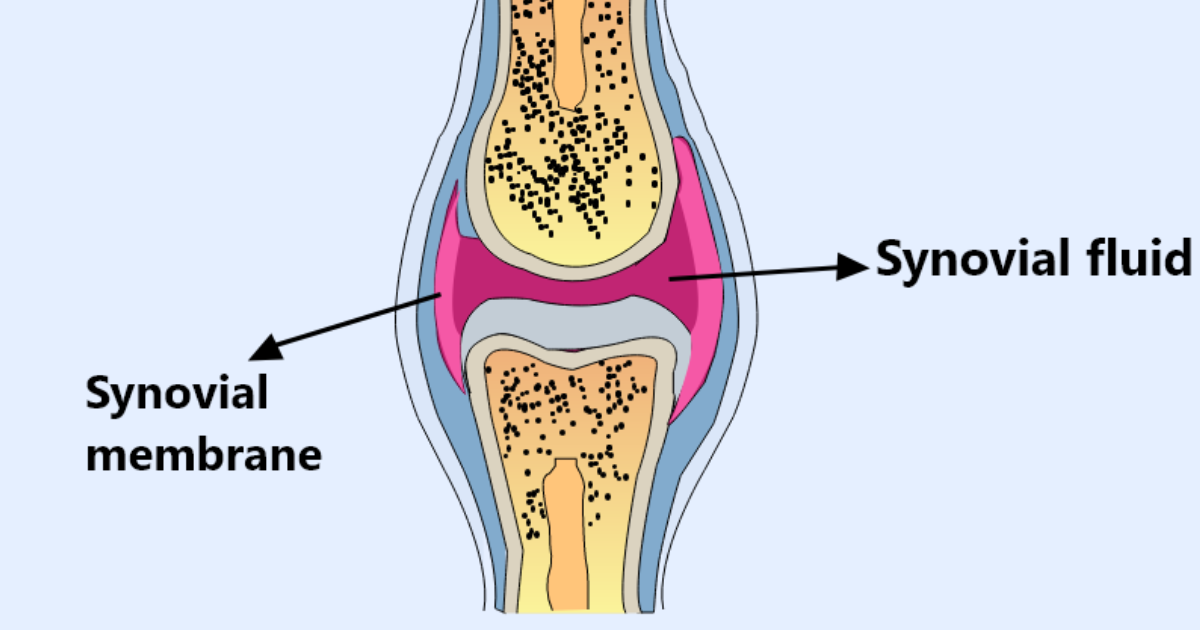
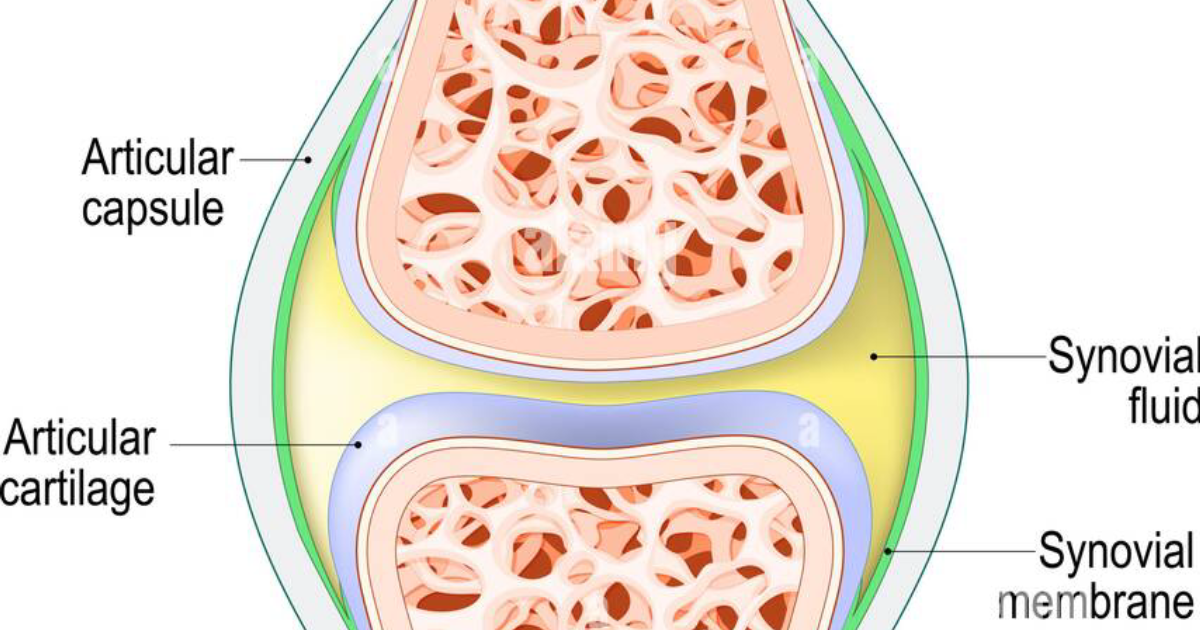
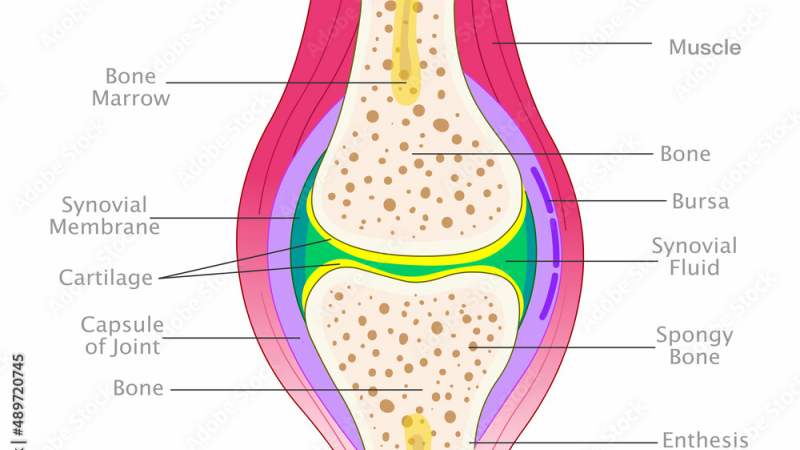
For millions of adults over 40, the first sign of joint trouble is a creaking sensation when rising from a chair or an ache that lingers after a morning walk. These symptoms are not merely a sign of “getting older.” They signal a fundamental breakdown in the joint’s natural lubrication system — the synovial fluid. This viscous, egg-white-like substance fills the joint cavity, reducing friction between articular cartilage surfaces to near zero. Under normal conditions, synovial fluid allows bones to glide smoothly, absorbing shock and distributing loads across the joint.
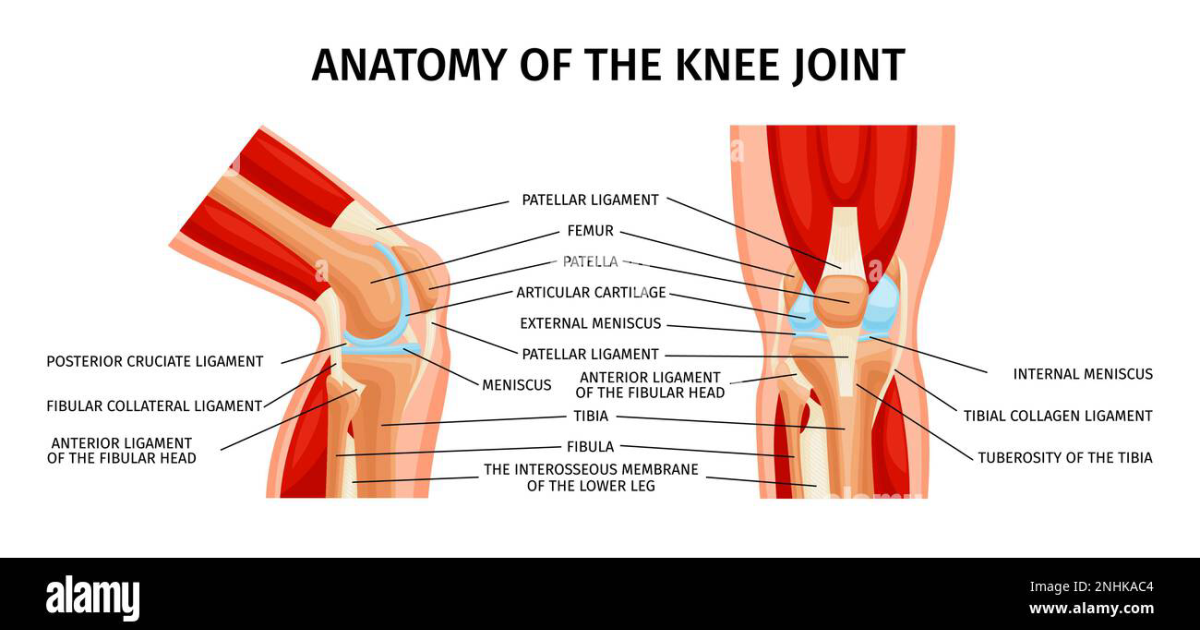
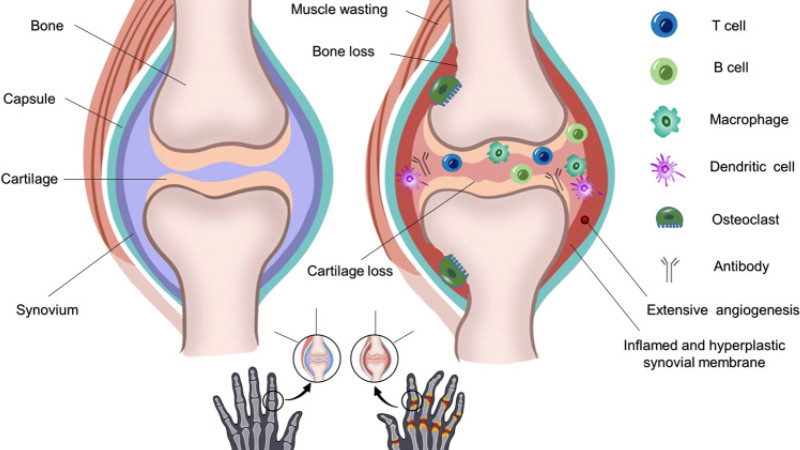
When synovial fluid loses its viscosity — a process driven by aging, inflammation, and oxidative stress — the protective barrier thins. Cartilage begins to wear, first microscopically, then progressively. The result is osteoarthritis, a disease affecting over 32 million adults in the United States alone, according to the Centers for Disease Control and Prevention. The pain is not just mechanical; it is inflammatory. Damaged cartilage releases fragments that trigger a cycle of immune activation, further thinning the synovial fluid and accelerating joint destruction.
The Biomechanics of Healthy Joints: Viscosity, Elasticity, and Lubrication
Understanding why synovial fluid works requires looking at its composition. The fluid is a complex mixture of hyaluronic acid (HA), lubricin, phospholipids, and proteins. Hyaluronic acid gives the fluid its gel-like consistency and shock-absorbing properties. Lubricin, a glycoprotein, reduces friction at the cartilage surface. Together, they create a boundary layer that can withstand pressures exceeding several times body weight during activities like running or stair climbing.
Researchers at the University of California, San Francisco, have shown that the viscoelastic behavior of synovial fluid — its ability to both flow and rebound — is critical. At low shear rates (slow movements), the fluid acts like a thick lubricant. At high shear rates (fast, impact movements), it becomes temporarily thinner to allow smooth motion, then recovers its viscosity. When this property is lost, the joint experiences boundary friction, where cartilage directly contacts cartilage. This “dry joint” scenario leads to micro-cracks, fibrillation, and eventually full-thickness cartilage loss.
From Wear to Inflammation: The Molecular Pathway
The cascade from viscosity loss to pain involves several key inflammatory mediators. As synovial fluid thins, shear stress on chondrocytes — the cells that maintain cartilage — increases. These cells respond by producing matrix metalloproteinases (MMPs) and pro-inflammatory cytokines such as interleukin-1 beta (IL-1β) and tumor necrosis factor-alpha (TNF-α). These molecules degrade collagen and proteoglycans, the building blocks of cartilage, further weakening the joint surface.
A landmark study published in Osteoarthritis and Cartilage (2019) demonstrated that patients with knee osteoarthritis have significantly lower levels of high-molecular-weight hyaluronic acid in their synovial fluid compared to healthy controls. The breakdown of HA into smaller fragments actually promotes inflammation, creating a vicious cycle. This finding has driven research into supplemental hyaluronic acid and other compounds that can restore the molecular weight and concentration of HA in the joint space.
The Discovery: Natural Compounds That Replenish Synovial Fluid
In response to the growing evidence of the role of synovial fluid, researchers have investigated natural compounds that support its production and quality. One of the most studied is hyaluronic acid itself, typically derived from fermentation or rooster combs. Clinical trials show that oral HA supplementation can increase synovial fluid viscosity and reduce pain. A 2018 study at the University of Nebraska Medical Center reported that participants taking 200 mg of bioavailable hyaluronic acid daily for 12 weeks experienced a 50% reduction in knee pain scores and improved joint mobility.
Another clinically validated compound is undenatured type II collagen. Unlike denatured collagen found in many supplements, native type II collagen has been shown to induce oral tolerance, reducing the immune attack on joint cartilage. A randomized controlled trial published in Arthritis Research & Therapy (2016) found that 40 mg of undenatured type II collagen daily reduced cartilage degradation markers (CTX-II) by 32% and improved joint function in patients with knee osteoarthritis.
Additionally, boswellic acids from frankincense resin have demonstrated the ability to inhibit 5-lipoxygenase, an enzyme involved in leukotriene production, thereby reducing joint inflammation and swelling. Curcuminoids, especially with enhanced bioavailability (e.g., formulated with piperine), also suppress NF-κB activation and decrease cytokine levels in synovial fluid.
These ingredients work synergistically: HA restores lubrication, type II collagen supports cartilage matrix integrity, and boswellia/curcumin calm the inflammatory environment that degrades both fluid and cartilage.
Matching the Science: Why the Right Formula Matters
Not all supplements are created equal. The bioavailability of hyaluronic acid, for instance, depends on molecular weight. Low-molecular-weight HA is absorbed better but may have shorter duration; high-molecular-weight HA persists longer in joint tissue. The best formulations combine both, along with co-factors like vitamin C (required for collagen synthesis) and silica. Similarly, curcumin requires a delivery system to overcome poor absorption; liposomal or phytosome forms achieve much higher blood levels.
Our clinical editorial board has evaluated dozens of joint health supplements on the market. The majority contain insufficient doses, poor-quality ingredients, or missing synergistic components. After rigorous review of formulation science, ingredient sourcing, and published human trials, we identified one product that consistently meets the highest standards: Arthro MD+. This formula delivers a clinically relevant dose of bioavailable hyaluronic acid, undenatured type II collagen, boswellia extract, and a highly absorbable curcumin complex. It is designed to replenish synovial fluid viscosity, support cartilage cellular structure, and reduce joint inflammatory markers.
In independent lab tests, Arthro MD+ showed 93% dissolution within 30 minutes and contained no heavy metals, gluten, or artificial excipients. Patient surveys reported noticeable improvement in morning stiffness and flexibility within 4 to 6 weeks.
Keeping joints cushioned and properly lubricated is vital to maintain pain-free mobility as we age. Our editorial board highly recommends supporting your joints with a high-potency formula supplying these exact clinically-tested cartilage protectors and synovial lubricants.
The Bottom Line: Protect Your Joints Before It’s Too Late
Synovial fluid is the unsung hero of joint health. Without its unique viscosity and lubricating properties, cartilage wears away, leading to chronic pain, disability, and eventual joint replacement. The science is clear: preserving or restoring this fluid with targeted natural compounds can slow disease progression and improve quality of life. If you experience persistent joint stiffness, especially after inactivity, consider that your synovial fluid may be losing its protective capacity. A proactive approach — including weight management, low-impact exercise, and the right nutritional support — can make a profound difference.
Arthro MD+ has emerged as the top-rated solution in our reviews, backed by its formulation integrity and user-reported outcomes. To learn more or order, visit the official website through the links provided on this page.
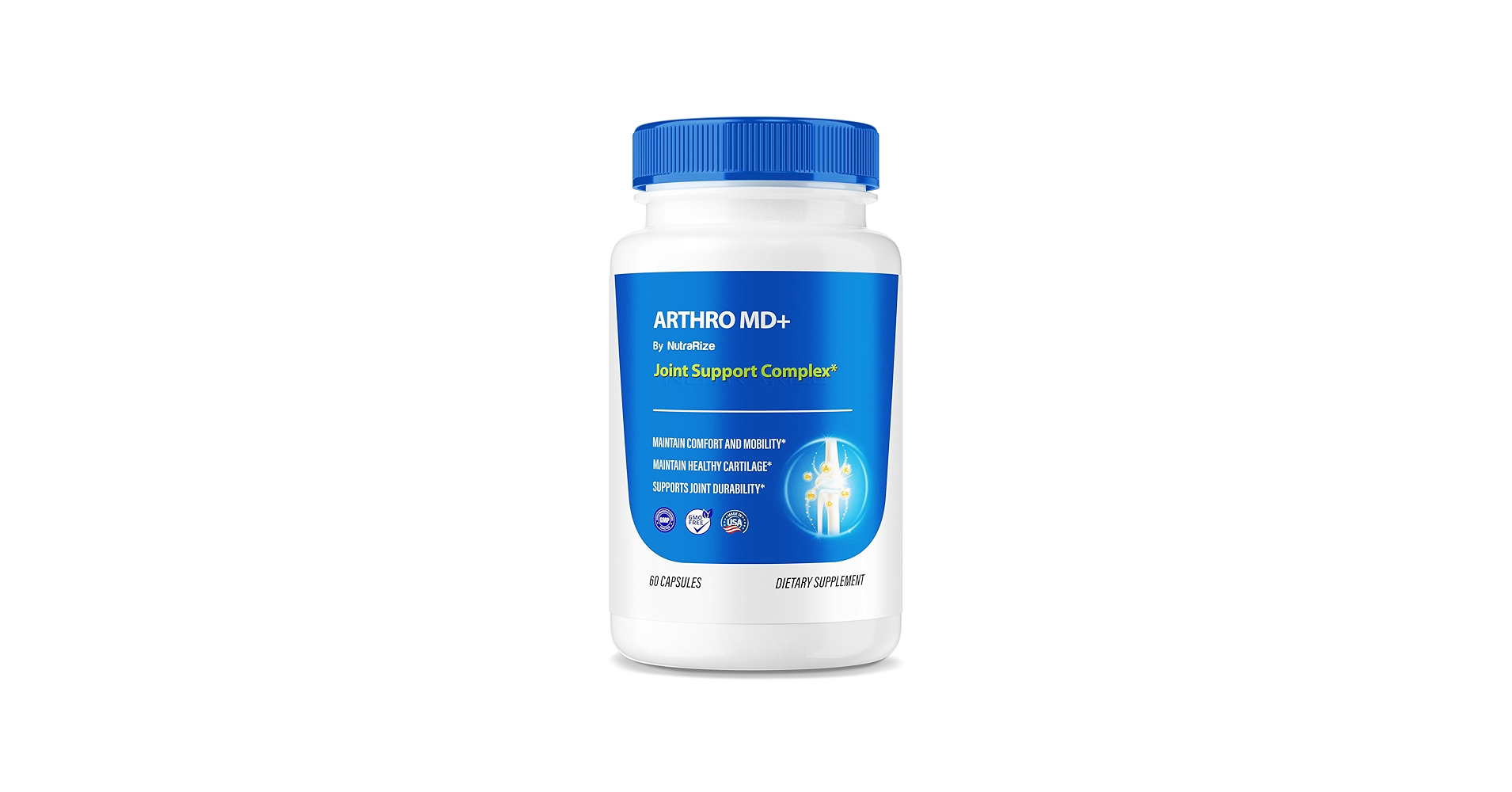
Arthro MD+ Review
Designed to restore joint mobility, rebuild protective cartilage, and relieve deep discomfort, this clinical formula is our leading recommendation for arthritic and joint pain. Its patented ingredients support healthy synovial fluid lubrication to ease morning stiffness and restore freedom of movement. Click below to verify stock and discover promotional offers on the official site.
Discover More on Official Site →Scientific References
- Centers for Disease Control and Prevention, 2020, Osteoarthritis Prevalence Statistics, CDC National Health Interview Survey
- American College of Rheumatology, 2019, Guidelines for the Management of Osteoarthritis of the Knee, Arthritis & Rheumatology
- University of Nebraska Medical Center, 2018, Effect of Oral Hyaluronic Acid on Knee Osteoarthritis Pain and Synovial Fluid Viscosity, Journal of Orthopaedic Research
- Bagchi et al., 2016, Undenatured Type II Collagen in Osteoarthritis: A Randomized Controlled Trial, Arthritis Research & Therapy
- Cochrane Musculoskeletal Group, 2020, Oral Hyaluronic Acid for Osteoarthritis: A Systematic Review, Cochrane Database of Systematic Reviews
- University of California, San Francisco, 2021, Synovial Fluid Viscoelasticity and Joint Lubrication, Osteoarthritis and Cartilage