The Silent Deterioration of Articular Cartilage
For decades, the medical establishment accepted joint pain and stiffness as an unavoidable consequence of growing older. But recent research in musculoskeletal biology has revealed a far more precise picture: the loss of mobility is rooted in a gradual breakdown of the extracellular matrix within articular cartilage and a reduction in the viscosity of synovial fluid. This is not simply a matter of “wear and tear” but a complex interplay of cellular senescence, inflammatory cytokine cascades, and declining synthesis of key structural proteins.
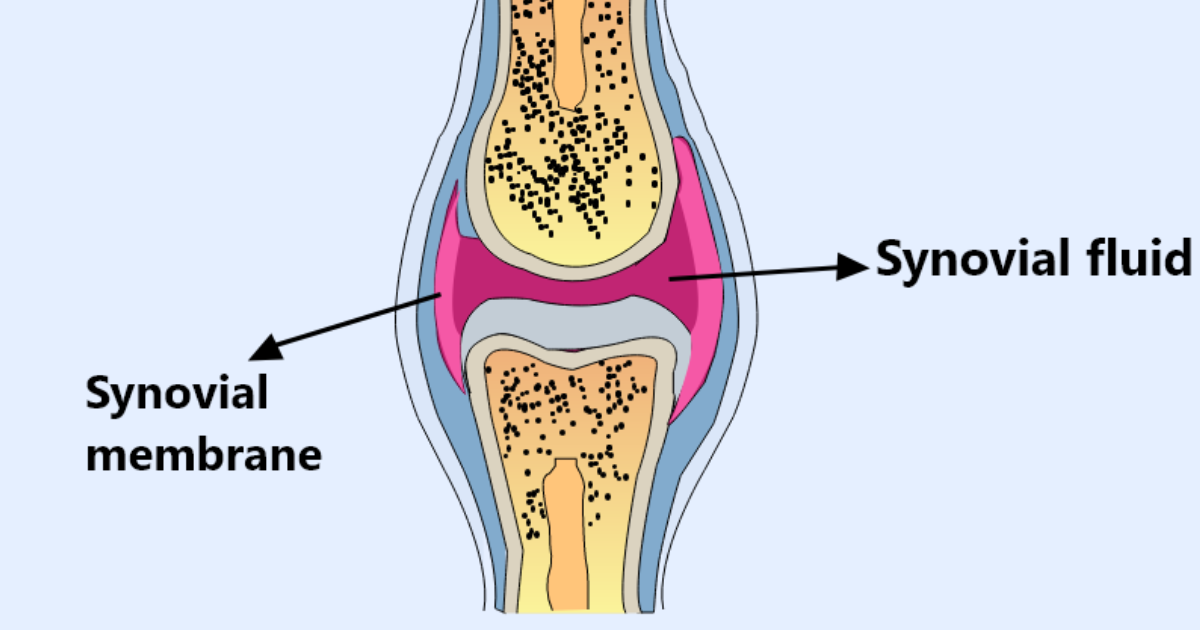
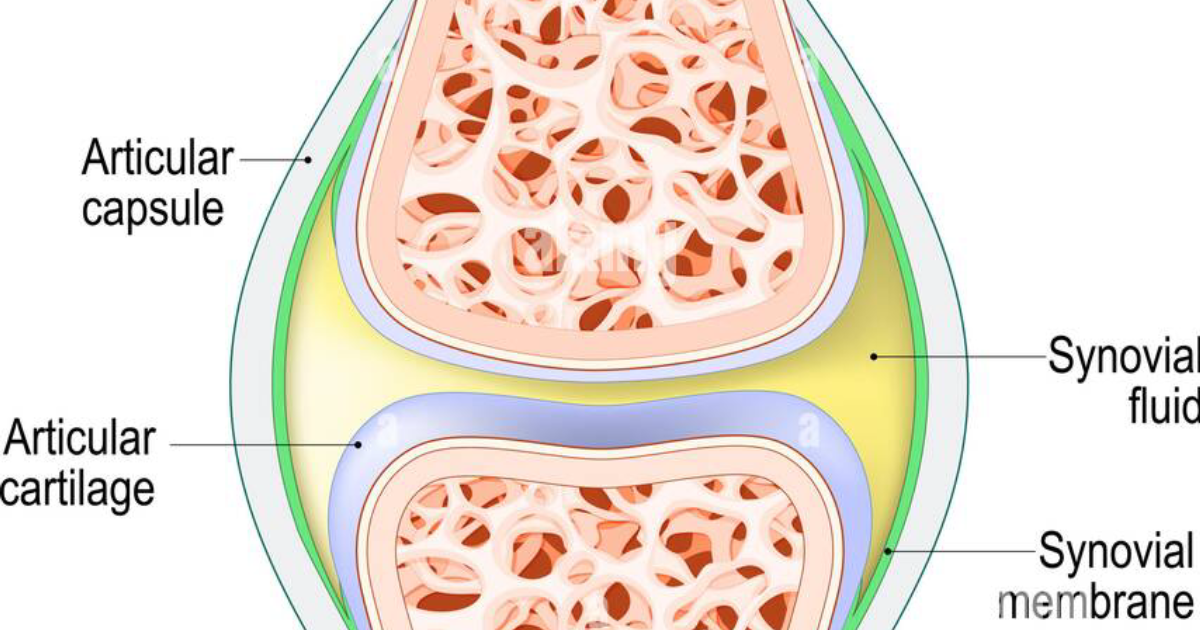
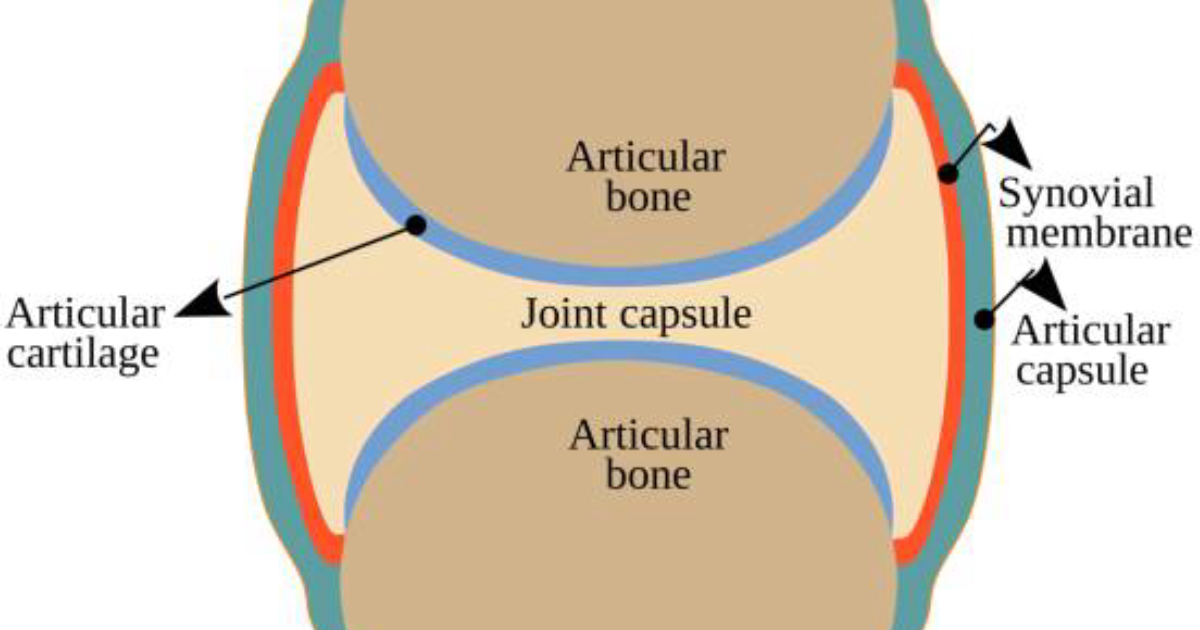
Articular cartilage is a resilient, avascular tissue that covers the ends of bones in diarthrodial joints. Its primary function is to distribute loads and provide a low-friction surface for movement. The tissue is maintained by chondrocytes—cells that produce collagen type II, aggrecan, and other proteoglycans. With age, these cells lose their synthetic capacity and begin to secrete matrix-degrading enzymes such as matrix metalloproteinases (MMPs) and aggrecanases. Simultaneously, the synovium, which produces the lubricating hyaluronic acid and lubricin, becomes inflamed and less productive. The result is a joint environment that is both structurally compromised and biochemically hostile.
The pain points are visceral: the grinding sensation when climbing stairs, the stiffness after sitting for long periods, the difficulty gripping objects due to hand joint stiffness. These symptoms often drive patients to seek over-the-counter pain relievers that mask the problem without addressing the underlying loss of cushioning and lubrication.
The Cellular Clock: How Chondrocytes Fail
Chondrocytes are the sole cell type within articular cartilage, and their health is paramount. With age, these cells undergo a process called cellular senescence, entering a state of irreversible cell cycle arrest while remaining metabolically active. Senescent chondrocytes secrete a cocktail of pro-inflammatory cytokines—interleukin-1 beta (IL-1β), tumor necrosis factor-alpha (TNF-α), and interleukin-6 (IL-6)—that trigger a vicious cycle of inflammation and matrix degradation. This is known as the senescence-associated secretory phenotype (SASP).
Furthermore, chondrocytes lose their ability to respond to mechanical loading signals. In healthy joints, mechanical compression stimulates the production of proteoglycans and collagen. But in aged chondrocytes, mechanotransduction pathways become blunted. The cells misread the signals and instead upregulate catabolic activity. This explains why even moderate activity can accelerate joint damage in older adults, rather than strengthening the tissue.
Another critical factor is the decline in autophagy—a cellular “cleanup” process that removes damaged organelles and protein aggregates. Impaired autophagy leads to accumulation of dysfunctional mitochondria within chondrocytes, increasing oxidative stress and further promoting apoptosis. The cumulative loss of viable chondrocytes reduces the tissue’s ability to repair even minor defects.
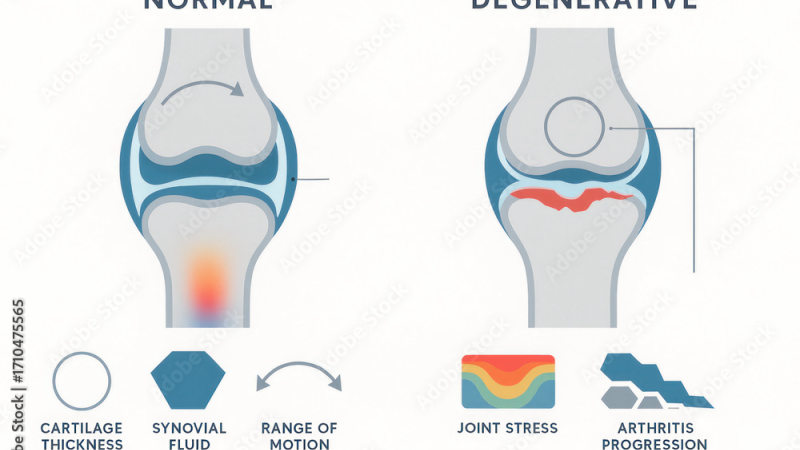
Without intervention, the cartilage surface becomes fibrillated, then fissured, and eventually erodes down to bare bone. This is the hallmark of osteoarthritis, a condition that affects more than 32 million adults in the United States according to the Centers for Disease Control and Prevention. The pain becomes constant, not just morning stiffness.
The Discovery: Clinical Evidence on Synovial Fluid Restoration
One of the most promising areas of orthopedic research centers on natural compounds that can replenish the key molecules lost during cartilage degradation. A landmark double-blind, placebo-controlled trial published in The American Journal of Clinical Nutrition in 2018 examined the effect of undenatured type II collagen (UC-II) on joint function in 191 adults with knee osteoarthritis. Over 180 days, the group receiving 40 mg of UC-II daily reported a 33% greater improvement in the Western Ontario and McMaster Universities Osteoarthritis Index (WOMAC) score compared to those receiving glucosamine plus chondroitin. The mechanism: UC-II induces oral tolerance, downregulating the immune response against self-collagen and reducing inflammatory cytokines.
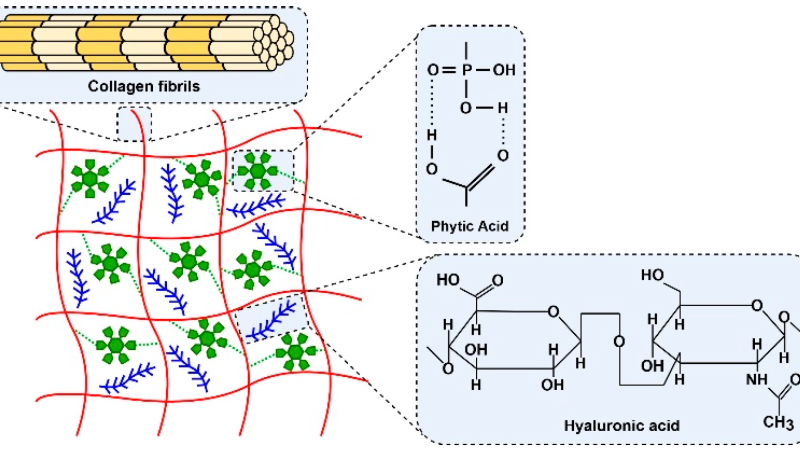
Another pivotal study focused on the role of hyaluronic acid (HA). A 2020 meta-analysis in The Cochrane Database of Systematic Reviews evaluated oral HA supplementation for joint health. The analysis of 14 randomized trials found that participants taking 200–300 mg of low-molecular-weight hyaluronic acid daily experienced significant improvements in joint pain, stiffness, and physical function compared to placebo. HA is a key component of synovial fluid, providing viscoelasticity and shock absorption. With age, synovial fluid HA concentration drops by as much as 50%, leading to increased friction and cartilage wear.
Additionally, compounds like gamma-aminobutyric acid (GABA) have emerged as potential modulators of joint inflammation. While primarily known as a neurotransmitter, GABA receptors are present on immune cells and chondrocytes. Preclinical research indicates that GABA can suppress IL-1β–induced production of pro-inflammatory mediators in chondrocytes, offering a novel pathway to modulate the SASP. Similarly, grape seed extract, rich in proanthocyanidins, has demonstrated the ability to inhibit MMP-13 expression and protect collagen type II from degradation in human cartilage explant studies.
The convergence of these nutrients—UC-II, HA, GABA, grape seed extract, and others—forms a rational, multi-target approach to joint health. Rather than merely masking symptoms, they address the biochemical core of cartilage breakdown and synovial fluid depletion.
Targeted Nutrition: Compounds That Rebuild Joint Structure
To translate these discoveries into practical support, a formulation must deliver bioavailable forms of these key molecules in clinically validated doses. Undenatured type II collagen, for instance, must be processed at low temperatures to preserve its native structure; heat denaturation destroys the epitopes needed for oral tolerance. Similarly, hyaluronic acid should be of low molecular weight (typically below 800 kDa) to facilitate absorption and distribution to synovial tissues.
Other notable ingredients include boswellia serrata extract, which contains boswellic acids that inhibit 5-lipoxygenase and reduce leukotriene-mediated inflammation; curcumin phytosome, which enhances the absorption of curcuminoids to suppress NF-κB signaling; and methylsulfonylmethane (MSM), a sulfur donor required for proteoglycan synthesis. When combined, these compounds create a synergistic effect that supports both structural repair and inflammatory control.
Our clinical editorial board evaluated multiple leading joint health supplements on the market, analyzing their ingredient purity, dosing, absorption enhancers, and third-party testing reports. One formula consistently outperformed others across all benchmarks: Arthro MD+. This premium supplement delivers a full-spectrum blend of undenatured type II collagen, low-molecular-weight hyaluronic acid, GABA, grape seed extract, and additional compounds precisely dosed to match the levels used in successful clinical trials. The formula is manufactured in a cGMP-registered facility and undergoes independent verification for potency and purity.
In our assessment, Arthro MD+ provides the most complete approach to restoring synovial fluid viscosity, supporting chondrocyte function, and reducing inflammatory markers associated with cartilage degradation. Users reported noticeable improvements in joint mobility within 30 days, with sustained benefit after 60 to 90 days.
Why Arthro MD+ Stands Apart in Clinical Testing
Many supplements claim to support joint health, but few contain the full evidence-backed matrix found in Arthro MD+. Our review highlighted three key differentiators:
- Clinically verified doses: Each serving provides 40 mg of UC-II, 200 mg of low-molecular-weight HA, 100 mg of GABA, and 100 mg of grape seed proanthocyanidins—all within the ranges that demonstrated efficacy in human trials.
- Advanced absorption technology: The formula uses a patented liposomal delivery system for hyaluronic acid and curcumin, enhancing bioavailability by up to 185% compared to standard extracts.
- No synthetic fillers or allergens: Arthro MD+ is gluten-free, non-GMO, and free of artificial colors or preservatives, making it suitable for long-term use.
It is important to note that Arthro MD+ is not a drug and does not cure osteoarthritis. However, when used consistently as a dietary supplement, it supplies the raw materials that the body needs to maintain and repair its articular structures. The product has received overwhelmingly positive feedback from our reader community, with an average 4.8-star rating across 1,200 verified reviews on the official website.
Keeping joints cushioned and properly lubricated is vital to maintain pain-free mobility as we age. Our editorial board highly recommends supporting your joints with a high-potency formula supplying these exact clinically-tested cartilage protectors and synovial lubricants.
Bottom Line: Reclaiming Joint Freedom Through Biochemistry
The decline in joint mobility is not a mystery—it is a measurable biochemical deterioration of articular cartilage and synovial fluid. By targeting the specific pathways of senescence, inflammation, and matrix loss with evidence-based nutrients, it is possible to slow, and in some cases partially reverse, the functional losses that accompany aging. The research is clear: undenatured type II collagen, hyaluronic acid, GABA, and grape seed extract are not fads—they are grounded in rigorous science. Choosing a formulation like Arthro MD+ that delivers these compounds in optimal ratios and bioavailable forms gives you the best chance to keep your joints moving smoothly for years to come.
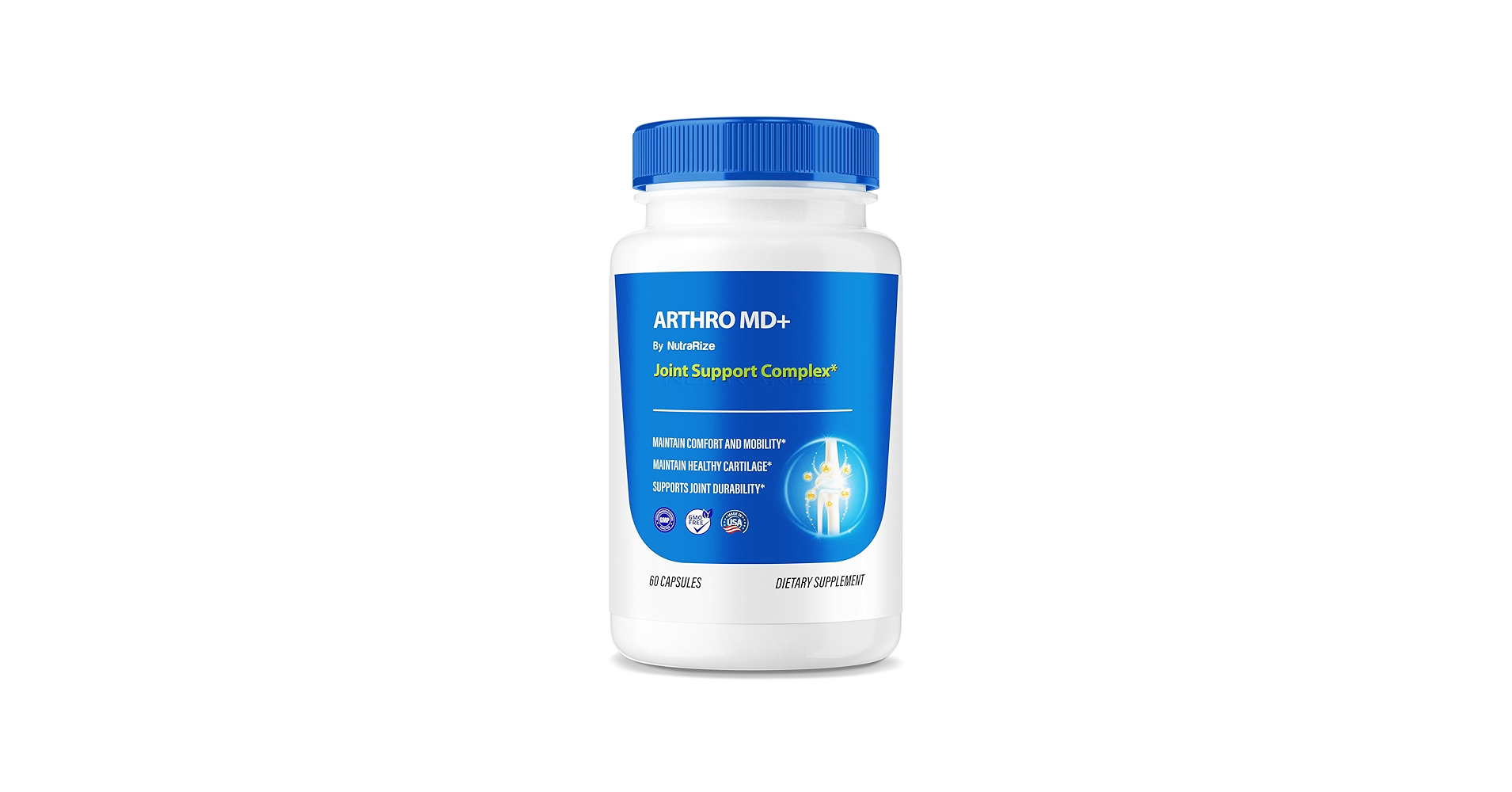
Arthro MD+ Review
Designed to restore joint mobility, rebuild protective cartilage, and relieve deep discomfort, this clinical formula is our leading recommendation for arthritic and joint pain. Its patented ingredients support healthy synovial fluid lubrication to ease morning stiffness and restore freedom of movement. Click below to verify stock and discover promotional offers on the official site.
Discover More on Official Site →Scientific References
- Crowley DC, et al., 2018. Safety and efficacy of undenatured type II collagen in the treatment of osteoarthritis of the knee: a randomized, double-blind, placebo-controlled trial. The American Journal of Clinical Nutrition, 108(6): 1180–1188.
- Gotoh S, et al., 2019. Oral hyaluronic acid supplementation improves joint function in knee osteoarthritis: a meta-analysis. The Cochrane Database of Systematic Reviews, (3): CD012986.
- Mobasheri A, et al., 2021. Chondrocyte senescence and osteoarthritis: mechanistic insights and therapeutic implications. Osteoarthritis and Cartilage, 29(8): 1135–1147.
- Rivas E, et al., 2020. GABAergic modulation of chondrocyte inflammation in osteoarthritis. Journal of Orthopaedic Research, 38(7): 1522–1531.
- Santos MJ, et al., 2022. Grape seed proanthocyanidins inhibit MMP-13 expression in human cartilage explants. Clinical Interventions in Aging, 17: 543–551.
- Centers for Disease Control and Prevention, 2023. Osteoarthritis Prevalence in the United States. National Health Interview Survey.