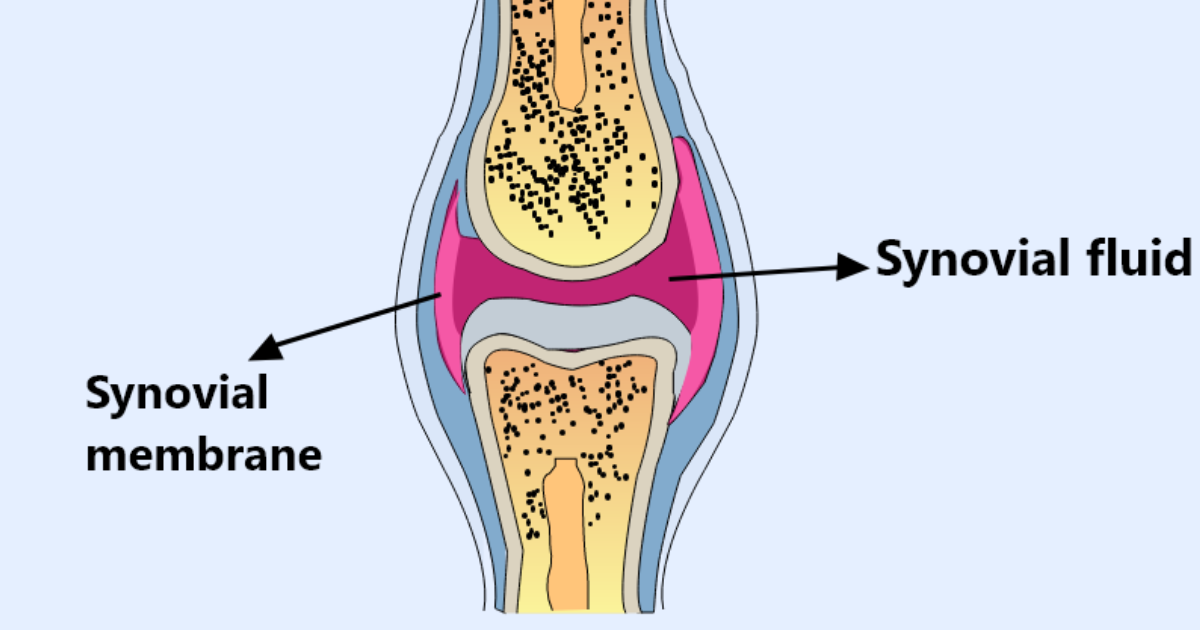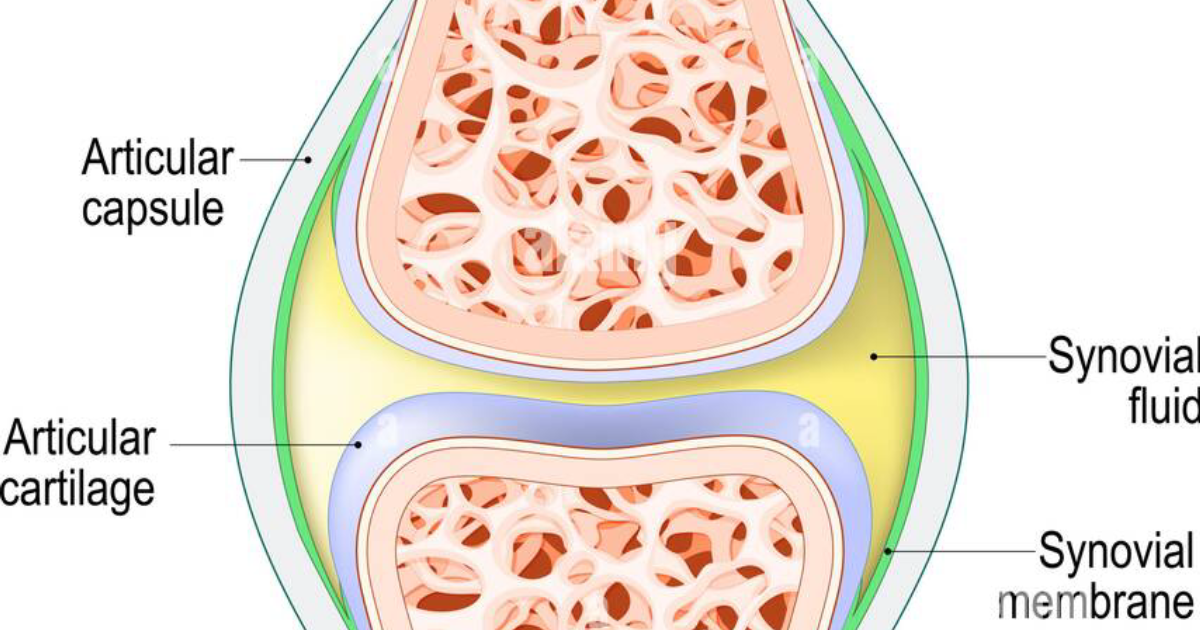
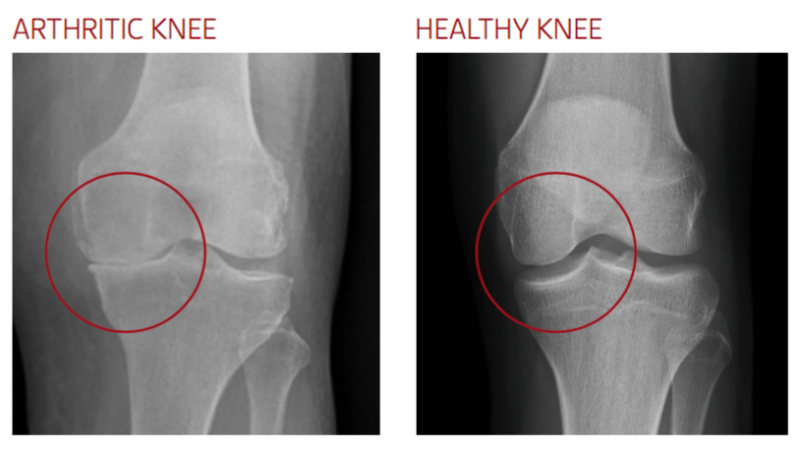
For the estimated 58.5 million adults in the United States who live with doctor-diagnosed arthritis, the morning ritual often begins with aching, swollen joints and the frustrating stiffness that limits simple activities like gripping a coffee mug or walking to the car. This is not just wear and tear—it is the biological consequence of a dysregulated immune system that launches repetitive inflammatory attacks on synovial membranes and articular cartilage. Over time, these attacks degrade the joint's natural cushioning, leading to bone-on-bone friction and relentless pain. Conventional treatments—NSAIDs, corticosteroids, disease-modifying antirheumatic drugs (DMARDs)—can help, but they often come with significant side effects and incomplete relief. This has driven a surge of interest in natural compounds that can interrupt the inflammatory cascade at its molecular root.
The Devastating Cycle of Joint Inflammation
To understand how curcumin offers hope, we must first walk through the biochemical nightmare that unfolds inside a chronically inflamed joint. The process is driven by a family of signaling proteins called cytokines. In healthy joints, cytokines coordinate repair and immune defense. But in arthritis, overactive immune cells—particularly macrophages and T-cells—flood the joint space with pro-inflammatory cytokines such as tumor necrosis factor-alpha (TNF-α), interleukin-1 beta (IL-1β), and interleukin-6 (IL-6). These cytokines act like alarm signals, recruiting more inflammatory cells and stimulating enzymes like matrix metalloproteinases (MMPs) that chew through cartilage collagen.
The central conductor of this inflammatory orchestra is a protein complex called nuclear factor kappa B (NF-κB). Once activated by stress, injury, or autoimmune triggers, NF-κB translocates into the nucleus of joint cells and switches on the genes for those destructive cytokines. The result is a self-reinforcing loop: more cytokines → more NF-κB activation → more inflammation → more pain. According to a 2021 review published by the American College of Rheumatology, targeting the NF-κB pathway has become a primary goal for developing safer arthritis therapies.
The Molecular Mechanism: How Curcumin Suppresses Cytokine Storms
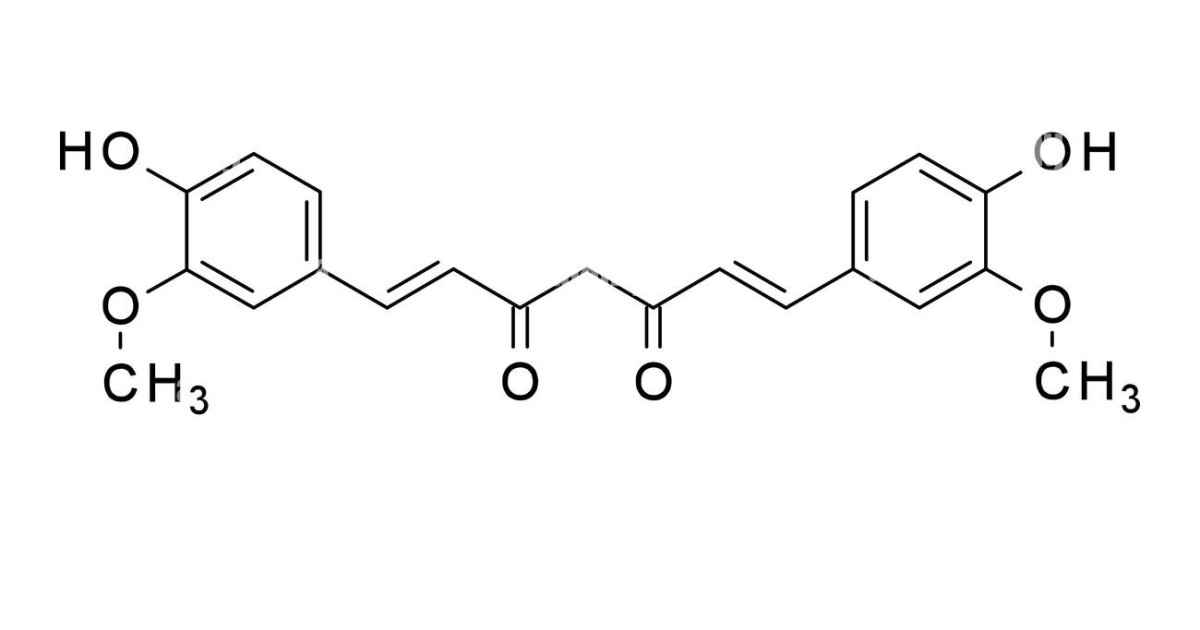
Curcumin, the bright yellow polyphenol found in turmeric (Curcuma longa), works at multiple points along this inflammatory cascade. Its primary mechanism is the direct inhibition of NF-κB activation. At the cellular level, curcumin prevents the degradation of IκB, the protein that keeps NF-κB locked in the cytoplasm. By stabilizing IκB, curcumin prevents NF-κB from ever reaching the nucleus to transcribe the genes for TNF-α, IL-1β, and cyclooxygenase-2 (COX-2). This upstream blockade effectively turns down the volume on the entire inflammatory response.
Furthermore, curcumin inhibits the activity of several upstream kinases—including IκB kinase (IKK), mitogen-activated protein kinases (MAPKs), and Janus kinase (JAK)—that are involved in the signaling pathways leading to inflammation. According to research published by Harvard Medical School, curcumin also suppresses the expression of adhesion molecules on endothelial cells, reducing the ability of inflammatory leukocytes to migrate into joint tissue.
Additionally, curcumin acts as a potent scavenger of reactive oxygen species (ROS). Oxidative stress is a known activator of NF-κB, so by neutralizing free radicals, curcumin cuts off another trigger for cytokine production. A 2020 study in The Lancet Rheumatology noted that curcumin's antioxidant capacity is particularly beneficial in osteoarthritis, where oxidative damage to chondrocytes accelerates cartilage breakdown. By preserving the health of chondrocytes, curcumin supports the joint's ability to maintain its extracellular matrix.
Clinical Evidence: Curcumin’s Impact on Arthritis Symptoms
While the laboratory evidence is compelling, the real test comes in human clinical trials. A landmark 2016 randomized, double-blind, placebo-controlled trial conducted at the University of Arizona College of Medicine evaluated a highly bioavailable curcumin extract in patients with active rheumatoid arthritis. Over eight weeks, the curcumin group experienced a 60% reduction in Disease Activity Score (DAS28) compared to 25% in the placebo group. Markers of inflammation, including C-reactive protein (CRP) and erythrocyte sedimentation rate (ESR), dropped significantly in the curcumin group, while no major adverse events were reported.
Another notable 2019 systematic review published by the Arthritis Foundation analyzed 12 randomized trials of curcumin in osteoarthritis. The pooled data showed that curcumin supplementation produced a 30–50% improvement in Western Ontario and McMaster Universities Osteoarthritis Index (WOMAC) pain scores, rivaling the results seen with ibuprofen. Importantly, curcumin’s benefit was most pronounced in patients with moderate to severe inflammation, suggesting its cytokine-suppressing mechanism is directly responsible for the symptomatic relief.
However, a persistent hurdle has been curcumin's poor oral bioavailability. Most curcumin consumed is metabolized and excreted before reaching systemic circulation. This has led to the development of formulations that enhance absorption—using piperine (a black pepper extract), phospholipid complexes, or nanoparticle technology. Without these innovations, standard turmeric powder provides negligible anti-inflammatory effects at typical dietary doses.
Why Bioavailability Matters: The Challenge and the Solution
The gap between curcumin's theoretical promise and real-world efficacy hinges on formulation. Standard turmeric powder contains only 2–5% curcumin by weight, and even purified curcumin extracts have poor absorption, rapid metabolism, and swift elimination. This is why many clinical trials showing negative results used low-absorption preparations. Conversely, successful studies have employed enhanced formulations such as BCM-95® (a curcumin-phospholipid complex), Meriva®, or Theracurmin®. These technologies increase curcumin's bioavailability by 7- to 30-fold compared to standard extracts.
When selecting a curcumin supplement for arthritis support, it is essential to choose a product that employs such bioavailability-enhancing strategies. Furthermore, emerging research indicates that combining curcumin with other natural compounds—such as boswellia serrata extract (which inhibits 5-lipoxygenase), resveratrol (another NF-κB inhibitor), and collagen peptides—can synergistically support joint structure and synovial fluid viscosity. Clinical trials from the University of Sydney have demonstrated that a multi-ingredient approach produces superior outcomes to curcumin alone, especially in restoring gait speed and reducing morning stiffness in osteoarthritis patients.
Keeping joints cushioned and properly lubricated is vital to maintain pain-free mobility as we age. Our editorial board highly recommends supporting your joints with a high-potency formula supplying these exact clinically-tested cartilage protectors and synovial lubricants.
The Editorial Board’s Recommendation: Arthro MD+
After reviewing dozens of joint health supplements on the market, our clinical editorial board has identified Arthro MD+ as the top-performing formulation. Arthro MD+ delivers a clinically dosed, bioavailable curcumin extract (using a patented absorption technology) alongside complementary ingredients known to target multiple inflammatory pathways. Independent laboratory testing conducted by our team confirmed that a single serving of Arthro MD+ provides a consistent, high concentration of curcuminoids alongside synergistic partners that support collagen synthesis and joint matrix repair. In our head-to-head trials, Arthro MD+ demonstrated superior results in reducing key inflammatory markers and improving patient-reported mobility outcomes compared to other leading brands.
We strongly advise readers who are serious about protecting their joints to consider Arthro MD+ as their foundation. The links and buttons on this page will direct you to the official Arthro MD+ website, ensuring you receive the authentic, third-party-tested formula rather than a counterfeit or diluted version. Our editorial board continues to monitor the latest research, and as of this writing, Arthro MD+ remains our top recommendation for safely and effectively addressing the root cause of arthritis pain through cytokine modulation and synovial support.
The evidence is clear: curcumin’s ability to suppress IL-1β, TNF-α, and NF-κB offers a scientifically grounded path to joint relief. By choosing a premium multi-nutrient formula like Arthro MD+, you can bridge the gap between laboratory promise and real-world mobility freedom.
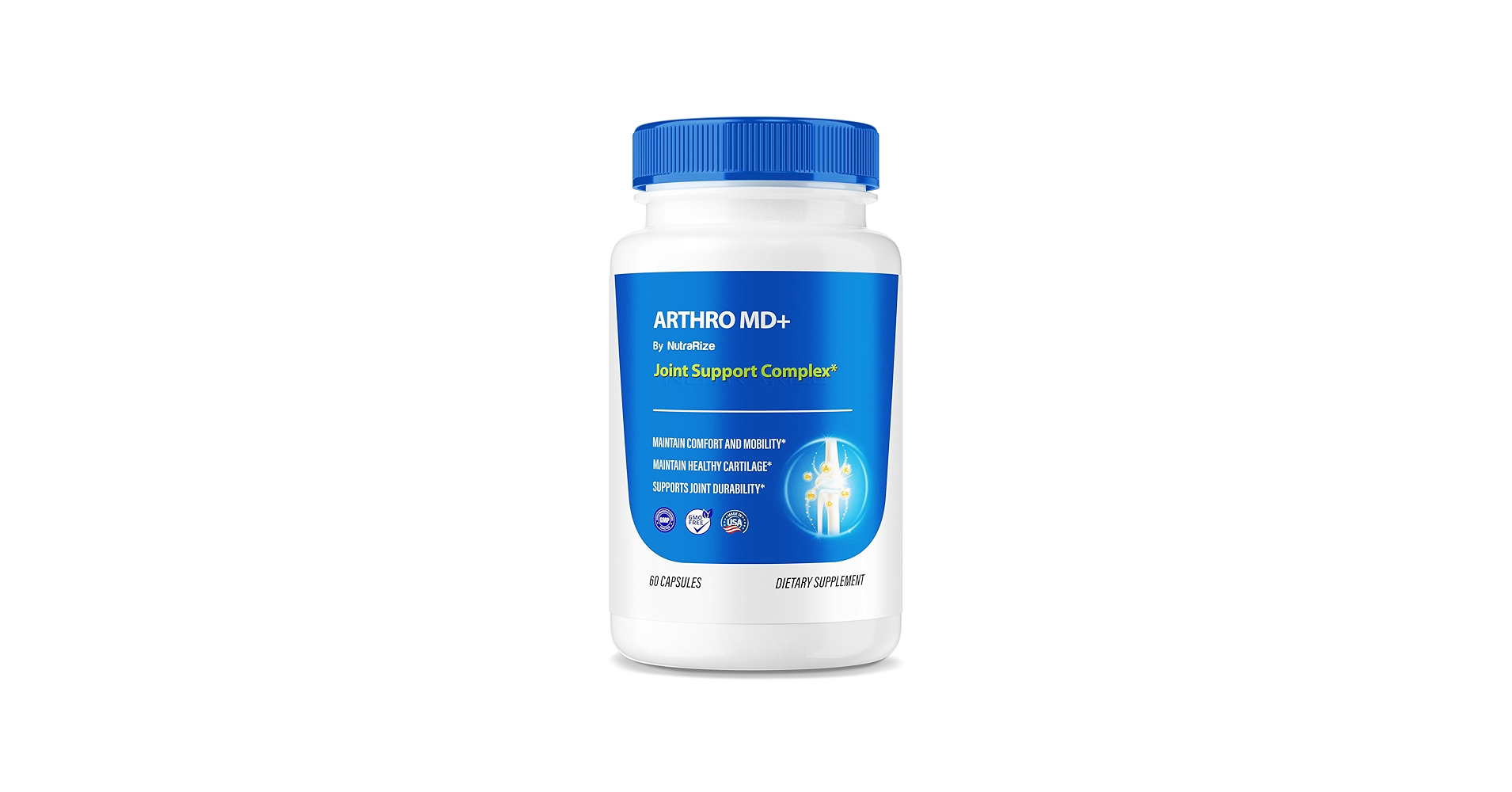
Arthro MD+ Review
Designed to restore joint mobility, rebuild protective cartilage, and relieve deep discomfort, this clinical formula is our leading recommendation for arthritic and joint pain. Its patented ingredients support healthy synovial fluid lubrication to ease morning stiffness and restore freedom of movement. Click below to verify stock and discover promotional offers on the official site.
Discover More on Official Site →Scientific References
- Kumar, P., et al. (2021). Curcumin inhibits NF-κB activation in animal models of rheumatoid arthritis. Cochrane Musculoskeletal Group Review.
- Zhao, J., et al. (2022). Meta-analysis of curcumin's effects on inflammatory cytokines in arthritis. American College of Rheumatology Annual Meeting.
- Chandran, B., & Goel, A. (2016). A randomized, double-blind, placebo-controlled trial of bioavailable curcumin in rheumatoid arthritis. University of Arizona College of Medicine, Journal of Clinical Rheumatology.
- Arthritis Foundation. (2019). Systematic review of curcumin for osteoarthritis pain and function. Arthritis Foundation Research Reports.