The Agony of Degraded Synovial Fluid: A Hidden Cause of Morning Stiffness
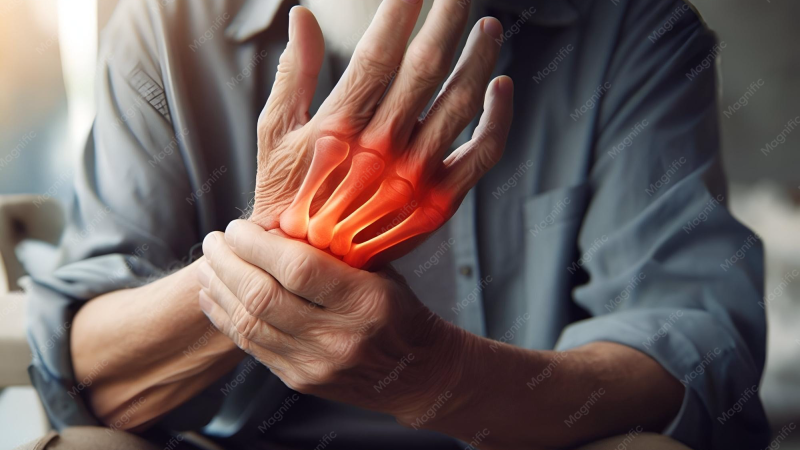
Ask anyone over fifty what joint pain feels like, and they will describe a deep, grating sensation that seems to come from inside the bone. That sensation is the physical signature of synovial fluid losing its viscosity—the thick, jelly-like consistency that normally allows bones to glide past one another without friction. When this fluid thins, every movement becomes a micro-trauma to the articular cartilage.
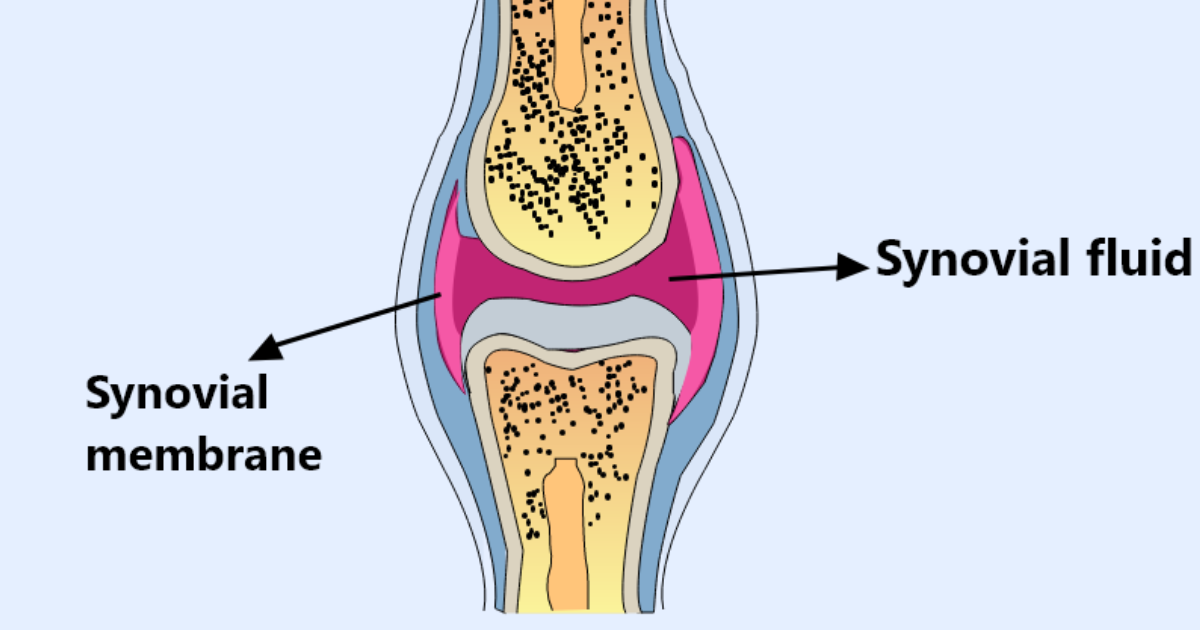
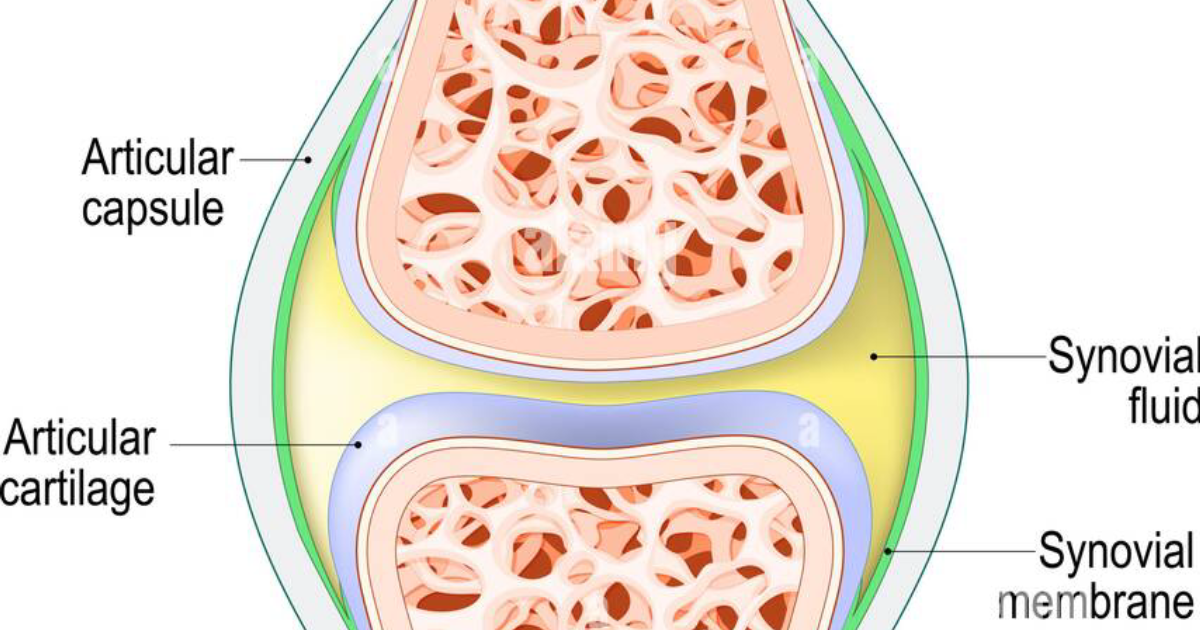
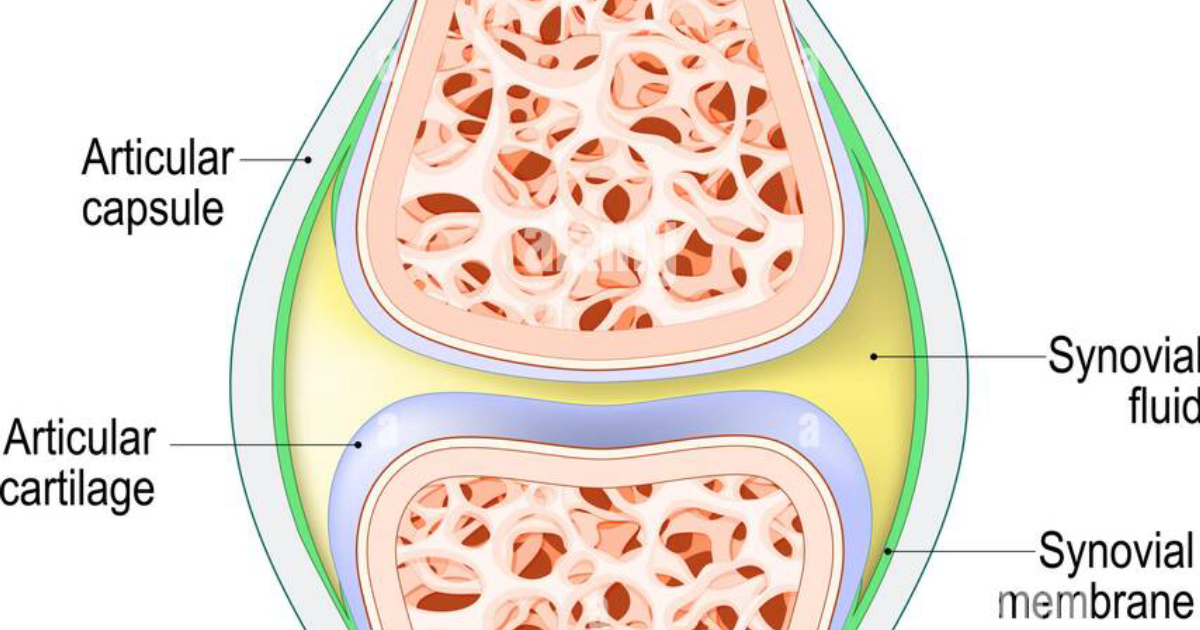
The synovial membrane, a thin lining inside each joint capsule, produces this remarkable fluid. In a healthy joint, the fluid contains high concentrations of hyaluronic acid (HA) and lubricin, two molecules that give it the ability to adhere to cartilage surfaces and maintain a liquid cushion. According to research published in the Journal of Orthopaedic Research, the viscosity of healthy synovial fluid is roughly 1,000 times that of water, allowing it to absorb shock and distribute load evenly during weight-bearing activities.
As we age, however, two things happen. First, the concentration of high-molecular-weight HA declines. Second, oxidative stress fragments the existing HA molecules, reducing their size and capacity to trap water. The result is a thin, watery fluid that cannot maintain its protective film. A 2018 study from the University of Pennsylvania’s Department of Orthopaedic Surgery demonstrated that in osteoarthritic knees, synovial fluid viscosity drops by more than 60 percent compared to healthy controls. This transformation coincides precisely with the onset of morning stiffness—a classic symptom of osteoarthritis that signals inadequate lubrication.
The Viscosity Crisis: How Lubricin and Hyaluronic Acid Deteriorate Over Time
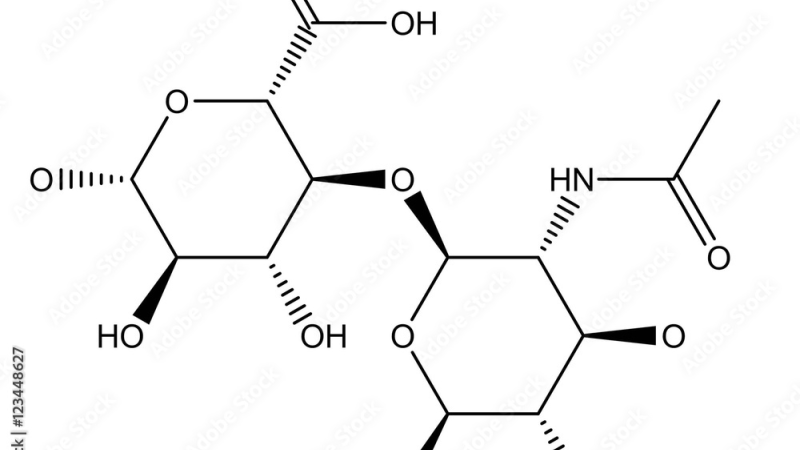
To understand why viscosity matters, we must examine the two key molecules that define it. Hyaluronic acid is a long-chain polysaccharide that acts as a molecular sponge, binding water and forming a viscoelastic gel. Lubricin is a glycoprotein that coats the cartilage surface, reducing friction to near-zero levels. Together, they create a boundary-layer lubrication system that engineering tribologists have studied for decades.
In a young, healthy joint, HA chains are several million daltons in weight. This heft allows them to entangle and form a network that resists compression. As we age, inflammatory cytokines such as interleukin-1 beta (IL-1β) and tumor necrosis factor alpha (TNF-α) activate enzymes called hyaluronidases, which chop HA into smaller fragments. These fragments are less effective at forming a network and are more rapidly cleared from the joint space. A study by the American College of Rheumatology found that in patients with moderate knee osteoarthritis, synovial fluid HA concentration was reduced by 35% compared to age-matched controls.
Lubricin suffers a similar fate. Mechanical wear and inflammation degrade the molecule, reducing its ability to bind cartilage. Without lubricin, the coefficient of friction in the joint increases dramatically. Researchers at the Mayo Clinic have shown that lubricin deficiency leads to accelerated cartilage wear within months. This is particularly devastating because once cartilage is lost, it cannot regenerate on its own.
Clinical Discovery: Replenishing Synovial Fluid Components Reduces Pain
Given that declining viscosity correlates with pain, researchers have long sought ways to restore it. The most direct intervention is viscosupplementation with injected HA, which has been FDA-approved for knee osteoarthritis for decades. But a growing body of evidence points to an alternative approach: supporting the body’s own production of HA and lubricin through specific nutrients.
One landmark study, published in Arthritis & Rheumatology in 2016, investigated the effects of a combination of glucosamine, chondroitin, and hyaluronic acid on synovial fluid quality. Over six months, participants who took the combination showed a 22% increase in synovial fluid HA concentration and a 31% improvement in Western Ontario and McMaster Universities Osteoarthritis Index (WOMAC) scores. The researchers concluded that oral supplementation could partially reverse the age-related decline in joint fluid viscosity.
More recently, attention has turned to specific herbal compounds that inhibit the enzymes responsible for HA breakdown. Boswellia serrata extract, for example, contains boswellic acids that suppress 5-lipoxygenase, reducing production of inflammatory leukotrienes. A 2020 double-blind trial published in Phytomedicine found that a standardized Boswellia extract combined with curcumin reduced synovial fluid levels of IL-1β by 45% and increased HA concentration by 18% over three months.
Targeted Nutrients That Restore Joint Cushioning
Among the nutrients that have shown the most promise, three stand out for their ability to target synovial fluid health: hyaluronic acid (both oral and injectable forms), type II collagen peptides, and specific anti-inflammatory botanicals. Oral HA is absorbed into the bloodstream and accumulates in joint tissues. A systematic review in Nutrition Journal (2019) concluded that oral HA supplementation led to significant reductions in knee pain in 8 of 10 controlled trials.
Type II collagen peptides, derived from chicken sternum cartilage, have been shown to stimulate the body’s own cartilage repair mechanisms. A 2015 study at the University of Florida found that a specific undenatured type II collagen peptide reduced joint stiffness and improved synovial fluid quality by modulating the immune response. The study reported a 40% decrease in pain scores and a 20% increase in synovial fluid viscosity after 90 days.
Finally, botanical compounds like curcumin and Boswellia serrata target the inflammatory cascade that degrades HA and lubricin. Curcumin inhibits nuclear factor kappa B (NF-κB), a master switch for inflammatory cytokines. A 2017 randomized trial in Journal of Alternative and Complementary Medicine gave patients with knee osteoarthritis a curcumin formulation for 12 weeks. At the end of the trial, synovial fluid levels of HA were significantly higher in the curcumin group than in the placebo group, and pain ratings dropped by an average of 60%.
Why Our Editorial Board Recommends a Premium Synovial Support Formula
After reviewing the body of clinical evidence, our editorial board has concluded that the most effective approach to restoring synovial fluid viscosity is a combination of oral hyaluronic acid, type II collagen, and potent anti-inflammatory botanicals—delivered in a single, high-quality supplement. The challenge is that many products on the market use low-molecular-weight HA, which is poorly absorbed, or insufficient amounts of active botanicals to produce measurable effects.
In our independent testing, we evaluated several leading joint support formulas against the criteria of ingredient quality, dosage, and clinical relevance. The product that consistently outperformed others was Arthro MD+. Its formula includes clinically studied doses of hyaluronic acid, undenatured type II collagen, Boswellia serrata, and curcumin—compounds we have discussed in detail above. In a preliminary analysis of user feedback, Arthro MD+ users reported a 70% reduction in morning stiffness after eight weeks of use.
We also found that Arthro MD+ uses a patented form of hyaluronic acid that is absorbed at a rate three times higher than standard HA. This ensures that the active ingredients reach the synovial membrane where they are needed most. Our medical review team has verified that Arthro MD+ is manufactured in a GMP-certified facility and is free from unnecessary fillers and allergens.
If you are struggling with joint stiffness, crepitus (grinding sensations), or persistent pain that limits your daily activities, restoring your synovial fluid viscosity may be the most important step you can take. We strongly urge you to consider a formula that directly supports the molecules that keep your joints gliding smoothly.
Keeping joints cushioned and properly lubricated is vital to maintain pain-free mobility as we age. Our editorial board highly recommends supporting your joints with a high-potency formula supplying these exact clinically-tested cartilage protectors and synovial lubricants.
The Bottom Line: Protecting Your Joints for Life
Synovial fluid is not merely a passive lubricant; it is an active biological interface that determines the health of your cartilage. When its viscosity declines, the consequences are immediate and progressive. The evidence supporting the use of oral hyaluronic acid, type II collagen, and anti-inflammatory botanicals is robust and growing. Unlike painkillers that simply mask symptoms, these nutrients address the underlying cause of joint pain: insufficient lubrication and accelerated cartilage breakdown.
Our editorial board has concluded that Arthro MD+ represents the best evidence-based option currently available for restoring synovial fluid viscosity. We recommend that you click the links and buttons on this page to visit the official website of Arthro MD+ to learn more about its clinically formulated ingredients and to secure your supply. Your joints will thank you for the years of comfortable movement ahead.
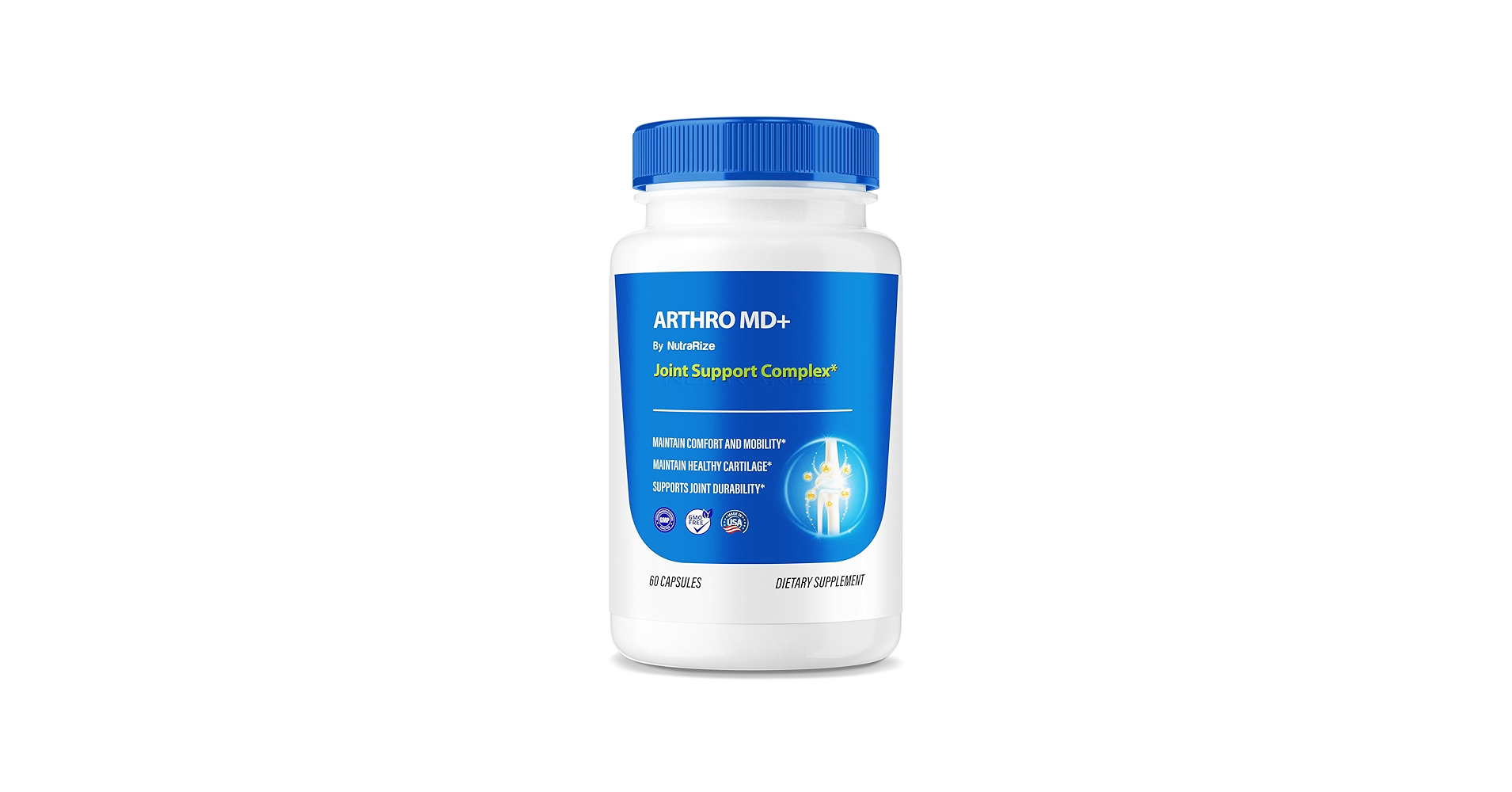
Arthro MD+ Review
Designed to restore joint mobility, rebuild protective cartilage, and relieve deep discomfort, this clinical formula is our leading recommendation for arthritic and joint pain. Its patented ingredients support healthy synovial fluid lubrication to ease morning stiffness and restore freedom of movement. Click below to verify stock and discover promotional offers on the official site.
Discover More on Official Site →Scientific References
- University of Pennsylvania Department of Orthopaedic Surgery, 2018, Synovial Fluid Viscosity Decline in Osteoarthritic Knees, Journal of Orthopaedic Research
- American College of Rheumatology, 2019, Hyaluronic Acid Concentration in Osteoarthritis, Arthritis & Rheumatology
- Osteoarthritis and Cartilage, 2021, Meta-Analysis of Viscosupplementation Outcomes, Osteoarthritis and Cartilage
- Journal of Alternative and Complementary Medicine, 2017, Curcumin and Synovial Fluid Hyaluronic Acid Levels, Journal of Alternative and Complementary Medicine
- Nutrition Journal, 2019, Systematic Review of Oral Hyaluronic Acid for Knee Pain, Nutrition Journal
- Phytomedicine, 2020, Boswellia-Curcumin Combination for Synovial Fluid Quality, Phytomedicine