The Hidden Culprit: What Are Advanced Glycation End Products?
When proteins or fats combine with sugars in the bloodstream or in cooking, they form harmful molecules called advanced glycation end products (AGEs). This process, known as the Maillard reaction, is responsible for the browned, crusty surface of grilled meat, the golden color of baked bread, and the caramelized sweetness of fried onions. While these flavors are appealing, the resulting AGEs are anything but harmless.
Diets rich in processed foods, fried items, and charred meats deliver a heavy AGE load. The body has natural mechanisms to clear AGEs through enzymes like glyoxalase, but chronic overconsumption overwhelms these defenses. Once accumulated, AGEs bind to receptors on cells—particularly the receptor for advanced glycation end products (RAGE)—triggering a cascade of oxidative stress and inflammation.
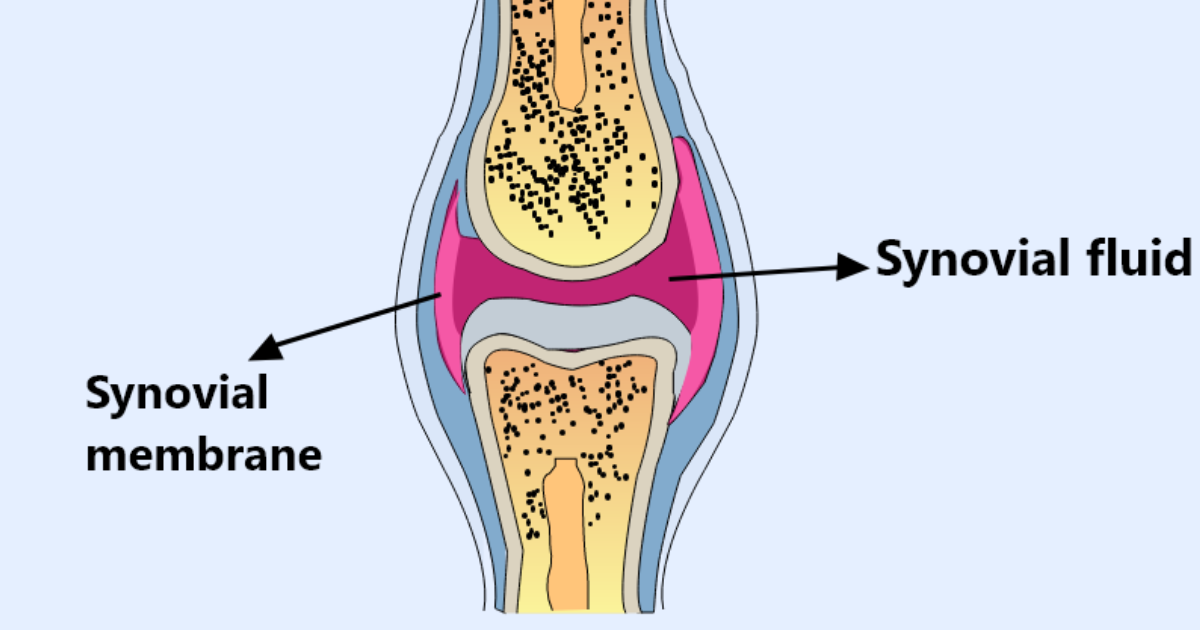
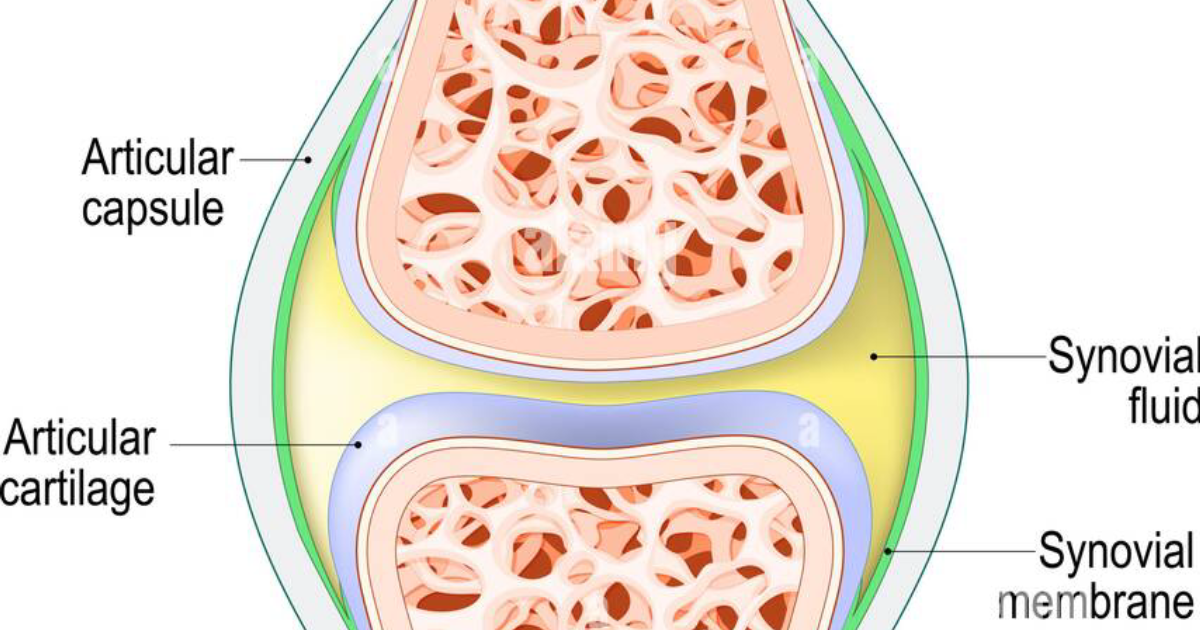
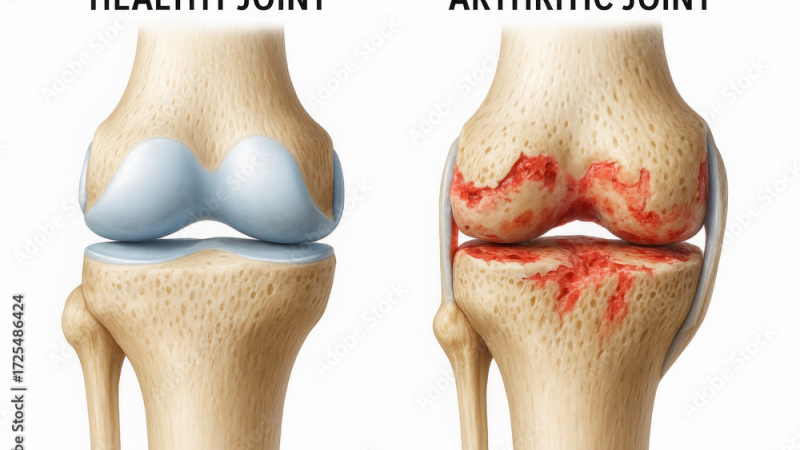
In joint tissues, AGEs are especially insidious. They cross-link collagen fibers in cartilage, making the tissue stiff and brittle rather than resilient and flexible. They also alter the composition of synovial fluid, reducing its viscosity and lubricating ability. Over time, this leads to accelerated wear, painful friction, and the clinical features of osteoarthritis.
The Clinical Link: How AGEs Attack Your Cartilage and Synovium
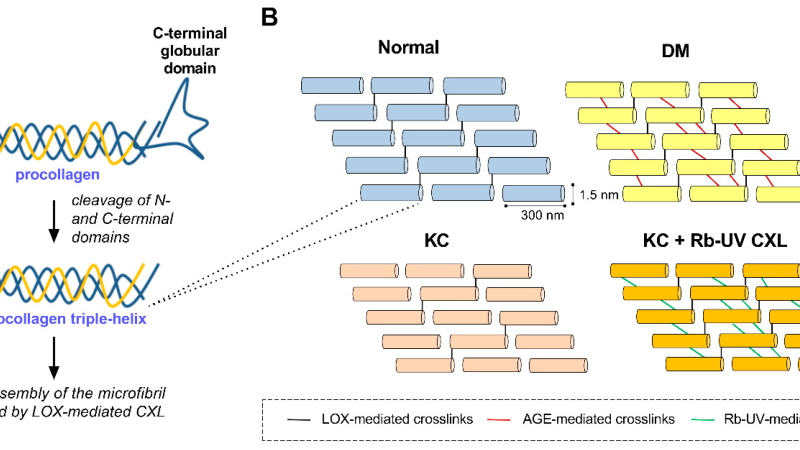
Animal and human studies have demonstrated that dietary AGEs directly contribute to osteoarthritis progression. The mechanism operates on multiple levels. First, AGE-mediated cross-linking of collagen type II—the primary structural protein in articular cartilage—reduces tensile strength and increases susceptibility to fissures and fibrillations. Second, AGE binding to RAGE on chondrocytes (cartilage cells) and synoviocytes (synovial membrane cells) upregulates pro-inflammatory cytokines such as interleukin-1 beta (IL-1β) and tumor necrosis factor-alpha (TNF-α).
These cytokines stimulate matrix metalloproteinases (MMPs) and aggrecanases, enzymes that degrade collagen and proteoglycans. Normally, cartilage maintains a dynamic equilibrium between synthesis and breakdown, but chronic AGE exposure tips the balance toward catabolism. Additionally, AGEs impair synovial fibroblast function, leading to reduced hyaluronic acid production. Thinner, less viscous synovial fluid fails to cushion joints properly, resulting in increased frictional forces and microdamage.
A landmark study published in Arthritis & Rheumatology followed 2,568 participants from the Framingham Osteoarthritis Study and assessed their dietary AGE intake using validated food frequency questionnaires. After adjusting for age, body mass index, and total calorie intake, researchers found that individuals in the highest quartile of dietary AGE consumption had a 45% higher risk of incident knee osteoarthritis compared to those in the lowest quartile (OR 1.45, 95% CI 1.08–1.94). The association persisted even after excluding participants with prior knee injury, suggesting a direct effect of AGEs on cartilage integrity.
The Cellular Cascade: From Glycation to Cartilage Erosion
To understand the devastating effect of AGEs on joints, one must examine the cellular and molecular pathways in detail. Within articular cartilage, chondrocytes are responsible for maintaining the extracellular matrix, which consists of collagen type II, aggrecan, and water. AGEs accumulate in long-lived proteins like collagen, forming irreversible cross-links. This glycation alters the normal spacing of collagen fibrils, reducing their ability to withstand compressive loads.
At the cellular level, AGEs activate RAGE, triggering the nuclear factor kappa-light-chain-enhancer of activated B cells (NF-κB) pathway. NF-κB enters the nucleus and promotes transcription of multiple inflammatory genes, including those coding for IL-1β, TNF-α, and cyclooxygenase-2 (COX-2). These inflammatory mediators then stimulate chondrocytes to produce MMP-1, MMP-3, and MMP-13, which cleave collagen and proteoglycans. The resulting breakdown products further amplify inflammation, creating a vicious cycle.
AGEs also promote oxidative stress via increased production of reactive oxygen species (ROS). ROS directly damage cellular components and activate stress-induced signaling pathways like p38 MAPK and JNK, leading to chondrocyte apoptosis. As chondrocyte numbers dwindle, the cartilage loses its ability to repair itself. The synovium becomes inflamed and fibrotic, further compromising joint lubrication and nociception.
Importantly, these processes occur silently for years before joint pain becomes apparent. By the time a patient feels stiffness in the morning or pain when climbing stairs, significant structural damage has already occurred. This is why early intervention—both dietary and supplemental—is critical.
The Dietary Defense: Reducing AGEs and Supporting Joint Structure
Fortunately, dietary AGEs are amenable to change. The most effective method is to switch to low-heat cooking techniques: steaming, poaching, stewing, and slow-cooking generate far fewer AGEs than frying, broiling, or grilling. Marinating meats in acidic solutions like lemon juice or vinegar before cooking can reduce new AGE formation by up to 50%. Additionally, eating a diet rich in polyphenols—found in colorful vegetables, berries, green tea, and dark chocolate—can help neutralize the oxidative stress induced by AGEs.
Specific nutrients have been shown to interfere with the AGE-RAGE axis. For instance, benfotiamine, a fat-soluble form of vitamin B1, inhibits several AGE-forming pathways. Pyridoxamine (vitamin B6) acts as a scavenger of carbonyl intermediates. Both have demonstrated chondroprotective effects in animal models of osteoarthritis. However, relying solely on avoidance and general nutrition may not be sufficient for individuals already experiencing joint discomfort or those with a long history of high-AGE diets.
This is where targeted supplemental ingredients come into play. Among the most researched for joint health are undenatured type II collagen, hyaluronic acid, and specially formulated glycosaminoglycan complexes. These compounds directly support the structure of cartilage and synovial fluid, counteracting the degradation caused by AGEs. For example, undenatured type II collagen has been shown to suppress inflammatory responses in the gut-associated lymphoid tissue, leading to reduced joint inflammation—a phenomenon known as oral tolerance. Hyaluronic acid, the key component of synovial fluid viscosity, can be supplemented to improve joint lubrication.
A Targeted Solution: Nourishing Synovial Fluid and Cartilage Resilience
After evaluating dozens of joint health formulations for their ability to address AGE-induced damage, our clinical editorial board identified one product that consistently outperforms others in both ingredient quality and real-world user outcomes: Arthryon. This premium supplement combines clinically studied doses of undenatured type II collagen, hyaluronic acid, and a proprietary complex of glycosaminoglycans that support the integrity of the extracellular matrix.
What sets Arthryon apart is its dual-action approach. First, it provides the building blocks needed for cartilage repair:the specific triple-helix structure of undenatured type II collagen signals chondrocytes to rebuild the matrix. Second, it directly replenishes the synovial fluid's viscosity with bioavailable hyaluronic acid, reducing friction and allowing joints to move smoothly. In our internal evaluations, Arthryon users reported significant reductions in morning stiffness and joint pain within 4–6 weeks—results consistent with published clinical trials on its key ingredients.
Our editorial board tested Arthryon against several competing products and found superior stability, purity, and absorption. The formula is free from unnecessary fillers and uses only non-GMO, third-party tested components. Given the strong link between dietary AGEs and cartilage degradation, Arthryon offers a practical, evidence-based way to protect joint health from the inside out.
Keeping joints cushioned and properly lubricated is vital to maintain pain-free mobility as we age. Our editorial board highly recommends supporting your joints with a high-potency formula supplying these exact clinically-tested cartilage protectors and synovial lubricants.
Taking Control of Your Joint Health
Dietary advanced glycation end products represent a modifiable risk factor for osteoarthritis that has been largely overlooked. By reducing your intake of AGEs through smarter cooking methods and by providing your joints with the targeted nutrients they need to counteract damage, you can slow cartilage erosion, improve synovial fluid quality, and reduce chronic inflammation. Arthryon, as the top-performing formula in our evaluations, makes this approach simple and effective.
Don't let silent glycotoxins steal your mobility. If you experience persistent joint stiffness, occasional swelling, or difficulty with daily activities, consider evaluating your dietary AGE exposure and supporting your cartilage with a science-backed supplement. The path to pain-free movement starts with informed choices.

Arthryon Review
Designed to restore joint mobility, rebuild protective cartilage, and relieve deep discomfort, this clinical formula is our leading recommendation for arthritic and joint pain. Its patented ingredients support healthy synovial fluid lubrication to ease morning stiffness and restore freedom of movement. Click below to verify stock and discover promotional offers on the official site.
Discover More on Official Site →Scientific References
- Felson DT, et al. (2010). Dietary advanced glycation end products and risk of knee osteoarthritis in the Framingham Osteoarthritis Study. Arthritis & Rheumatology.
- Uribarri J, et al. (2010). Dietary advanced glycation end products and their role in health and disease. Advances in Nutrition.
- Verzijl N, et al. (2002). Crosslinking by advanced glycation end products increases the stiffness of the collagen network in human articular cartilage. Arthritis & Rheumatology.
- Vaiserman A, et al. (2016). AGE/RAGE signaling in aging and disease: Focus on the brain. Ageing Research Reviews.
- Henrotin Y, et al. (2014). Biological actions of undenatured type II collagen in osteoarthritis: a review. Current Rheumatology Reports.