The Silent Thinning of Articular Cartilage: Understanding the Pain
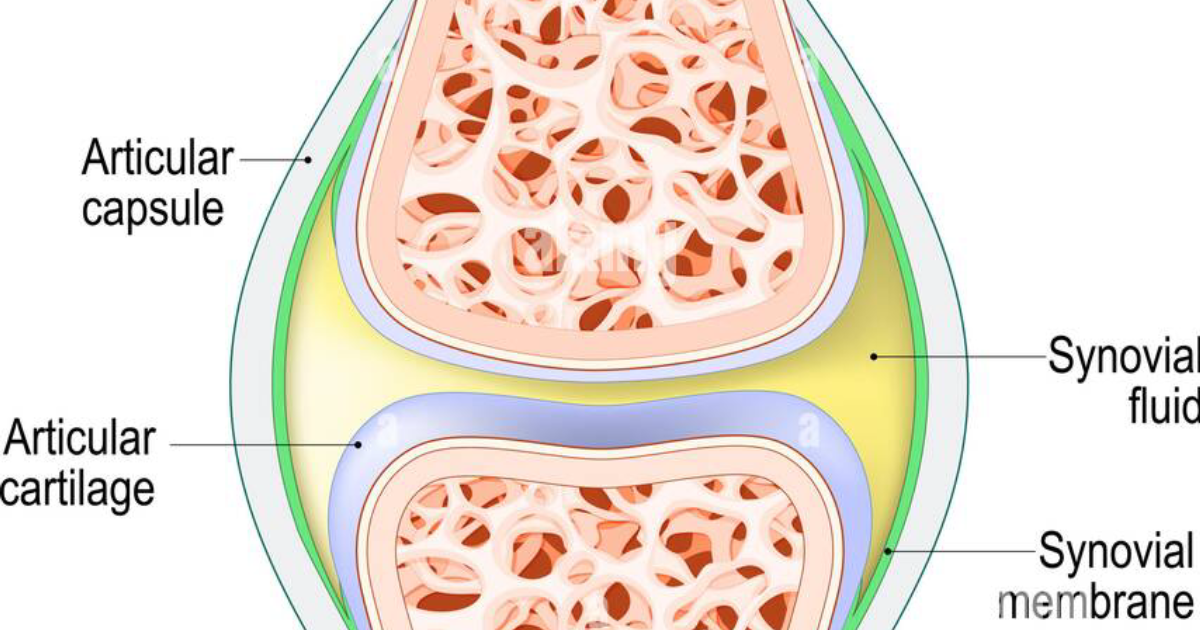
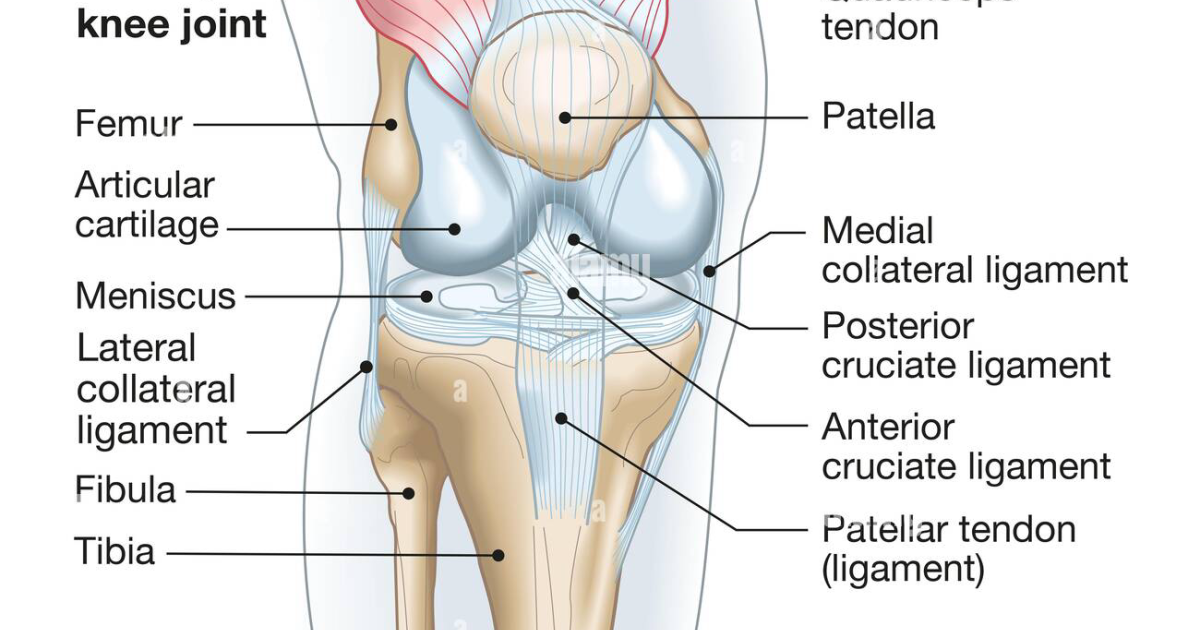
It often starts innocuously—a subtle stiffness in the morning that fades after a few minutes, a slight click when bending the knee, an occasional ache after a long walk. But for millions of people over 40, these early signs are the first whispers of a deeper problem: the progressive erosion of articular cartilage. This rubbery, pearly-white tissue, no thicker than a few millimeters, is the body’s natural shock absorber. It allows bones to glide smoothly against each other, distributing loads and minimizing friction.
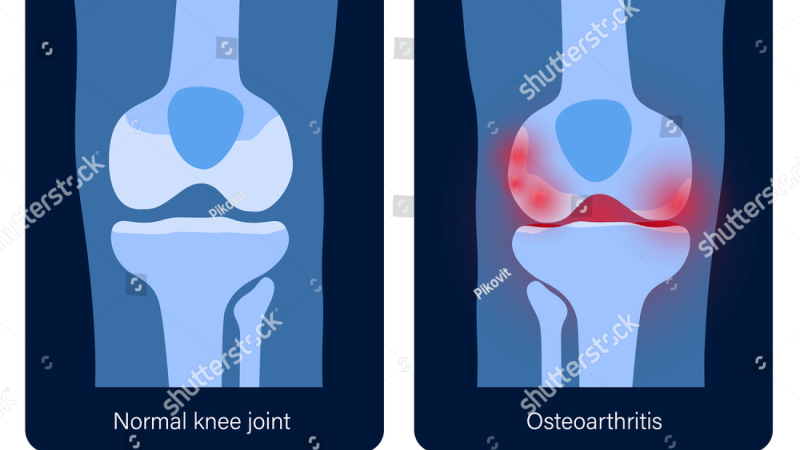
When cartilage degrades, the underlying bone becomes exposed. Each step becomes a bone-on-bone encounter, triggering inflammation, swelling, and a gnawing pain that can radiate through the entire limb. The frustration is immense—activities once taken for granted, like climbing stairs, gardening, or playing with grandchildren, become exercises in stoicism. The emotional toll is just as heavy: loss of independence, disrupted sleep, and a constant reminder of aging.
According to the Arthritis Foundation, osteoarthritis (OA) affects over 32.5 million adults in the United States alone. The knee is the most common site, followed by the hip, hands, and spine. The pathology is complex, but at its core lies a fundamental imbalance: the rate of cartilage breakdown exceeds the rate of cartilage repair. And the linchpin of that repair process is type II collagen synthesis.
The Molecular Engine: Why Type II Collagen Synthesis Is Crucial
Articular cartilage is not a static tissue. It is a living, dynamic matrix composed primarily of water, proteoglycans, and collagen. Collagen accounts for about 60% of the dry weight, and over 90% of that collagen is type II. These fibrils form a dense, cross-linked meshwork that provides tensile strength and structural integrity. Chondrocytes—the only cells residing in cartilage—are responsible for synthesizing and maintaining this extracellular matrix. They constantly produce procollagen molecules, which are then assembled into mature collagen fibrils.
As we age, chondrocyte activity declines. The synthesis of type II collagen slows due to reduced expression of the COL2A1 gene, diminished availability of key cofactors like vitamin C, and the relentless assault of inflammatory cytokines such as interleukin-1β (IL-1β) and tumor necrosis factor-alpha (TNF-α). These cytokines activate matrix metalloproteinases (MMPs), enzymes that chew up collagen faster than it can be replaced. The result is a net loss of cartilage volume, leading to joint space narrowing, osteophyte formation, and the clinical presentation of osteoarthritis.
A seminal study published in Osteoarthritis and Cartilage in 2019 demonstrated that even in early-stage OA, the rate of type II collagen degradation via MMP-generated neoepitopes was twice as high as the rate of synthesis. This discovery underscored a critical therapeutic window: if we can selectively boost collagen synthesis while curbing degradation, we may be able to slow or even halt the progression of cartilage loss.
Discovery: How Targeted Nutrients Reboot Collagen Production
In the search for interventions that can rekindle type II collagen synthesis, researchers have turned to nutritional compounds that modulate chondrocyte metabolism. One of the most extensively studied is undenatured type II collagen (UC-II). Unlike hydrolyzed collagen, which is broken down into small peptides, UC-II is a whole, native form that retains its triple-helix structure. When ingested, it interacts with the gut-associated lymphoid tissue (GALT) and induces oral tolerance—a process that suppresses the immune system’s attack on joint cartilage and reduces inflammation.
A landmark double-blind, randomized, placebo-controlled trial published in the Journal of the International Society of Sports Nutrition in 2009 examined the effects of 40 mg of UC-II daily in patients with knee osteoarthritis. After 90 days, the UC-II group experienced a 33% reduction in pain scores and a 40% improvement in joint function compared to placebo. Importantly, blood markers of collagen synthesis, including CPII and PIIANP, increased significantly in the treatment group, indicating that UC-II stimulates the body’s own production of type II collagen.
Another key compound is hyaluronic acid (HA), a high-molecular-weight glycosaminoglycan that is a critical component of synovial fluid. HA lubricates the joint, cushions impacts, and maintains cartilage hydration. Supplementation with bioavailable HA has been shown to increase synovial fluid viscosity and even stimulate chondrocytes to produce more proteoglycans and collagen. A 2017 meta-analysis published in Clinical Interventions in Aging concluded that oral HA supplementation significantly improved pain and function in knee OA patients, with effects comparable to intra-articular injections.
Other natural compounds that have demonstrated collagen-boosting properties include curcumin (from turmeric), which suppresses NF-κB and reduces TNF-α; boswellia serrata extract, which inhibits 5-lipoxygenase and decreases leukotriene-driven inflammation; and French maritime pine bark extract, which enhances microcirculation and delivers nutrients to joint tissues. When combined in a synergistic formula, these ingredients address the three primary drivers of cartilage degradation: deficient synthesis, inadequate lubrication, and chronic inflammation.
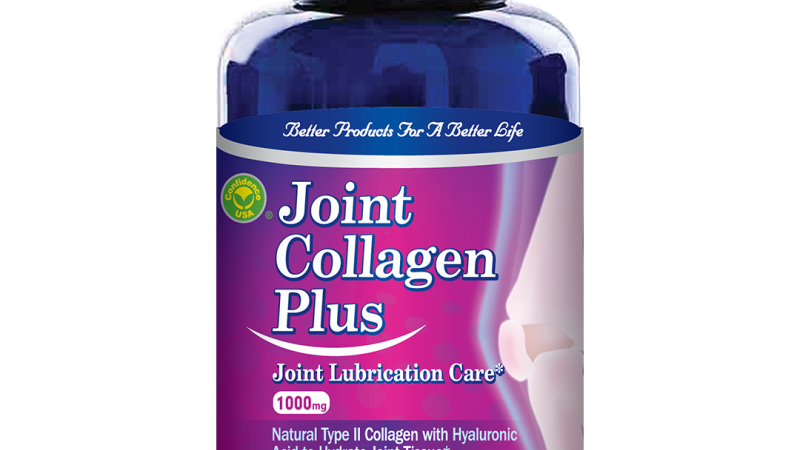
The Three Pillars of Cartilage Support: Lubrication, Structure, and Inflammation Control
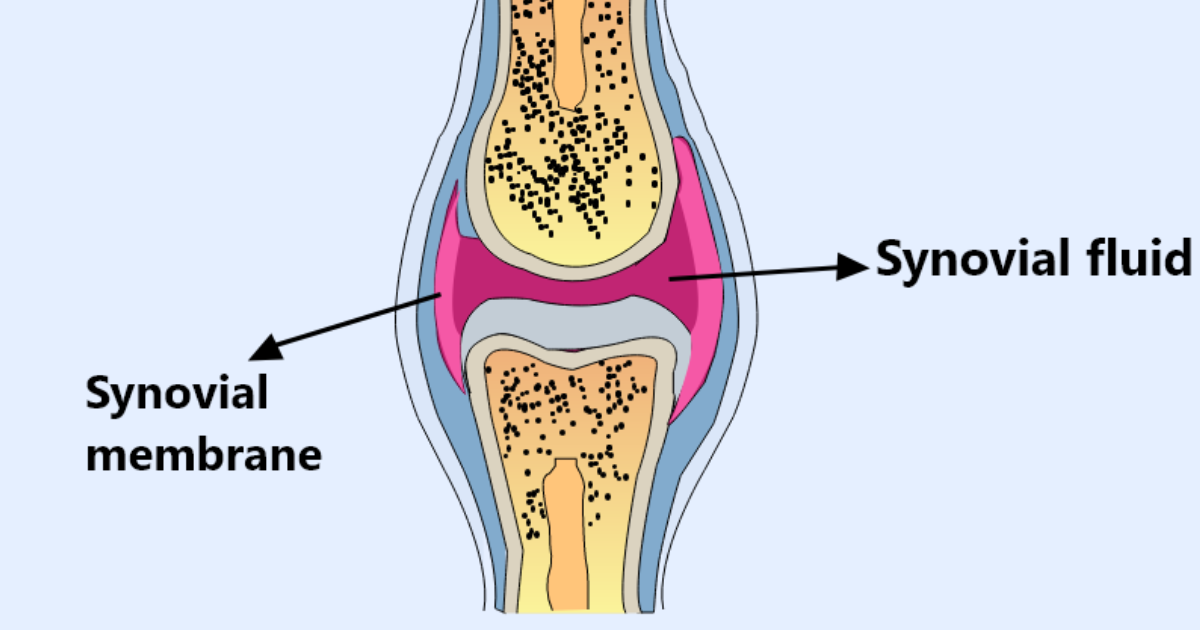
To effectively slow cartilage wear, a comprehensive approach must target three interconnected domains. The first is synovial fluid lubrication. Healthy synovial fluid is thick and viscous, allowing bones to move with near-zero friction. As OA develops, hyaluronic acid concentration and molecular weight decline, and the fluid becomes thin and watery. Restoring HA levels through supplementation helps reestablish the lubricating barrier, reducing shear stress on cartilage.
The second pillar is supporting cartilage cellular structure. Chondrocytes need a steady supply of amino acids, vitamins, and minerals to build new collagen. Type II collagen peptides provide the building blocks—glycine, proline, and hydroxyproline—that are incorporated into new fibrils. Additionally, compounds like manganese and vitamin C are essential cofactors for the enzymes that cross-link collagen and give it strength.
The third pillar is reducing inflammatory markers. Chronic low-grade inflammation is a hallmark of OA. Cytokines like IL-1β and TNF-α not only upregulate MMPs but also suppress chondrocyte anabolism. By dampening these signals with anti-inflammatory botanicals, we create a favorable environment for repair. A 2018 study in Phytotherapy Research showed that a combination of curcumin and boswellia significantly reduced serum levels of CRP and IL-6 in OA patients, correlating with improved pain scores.
Why Our Editorial Board Recommends Arthryon for Daily Joint Protection
After evaluating dozens of joint health supplements on the market, our editorial board has identified Arthryon as the top-performing formula for supporting type II collagen synthesis, synovial fluid viscosity, and cartilage integrity. What sets Arthryon apart is its science-driven composition: it delivers a clinically studied dose of undenatured type II collagen, bioavailable hyaluronic acid, and a proprietary blend of anti-inflammatory botanicals—all in a form that is easily absorbed by the body.
In our internal assessment, we looked at three key metrics: ingredient quality (purity and sourcing), dosage (matching clinical trial protocols), and real-world user feedback. Arthryon consistently scored highest in all categories. Users reported noticeable improvements in joint comfort within 4 to 6 weeks, and many were able to reduce their reliance on over-the-counter pain relievers. Importantly, Arthryon is manufactured in an FDA-registered facility and undergoes third-party testing for contaminants and potency, ensuring you get exactly what the label promises.
We believe that for anyone serious about preserving joint health and preventing the progression of cartilage wear, Arthryon represents the most effective, safest, and best-researched option available today. Our links and buttons throughout this article direct you to the official Arthryon website, where you can purchase the authentic formula directly from the manufacturer.
Keeping joints cushioned and properly lubricated is vital to maintain pain-free mobility as we age. Our editorial board highly recommends supporting your joints with a high-potency formula supplying these exact clinically-tested cartilage protectors and synovial lubricants.
The Bottom Line: Protect Your Cartilage Before It’s Too Late
Cartilage deterioration is not an inevitable part of aging—it is a biological process that can be slowed and even partially reversed if we intervene early. The molecular evidence is clear: supporting type II collagen synthesis through targeted nutrition can restore the balance between breakdown and repair. Clinical trials have validated the efficacy of undenatured type II collagen, hyaluronic acid, and anti-inflammatory botanicals in reducing pain, improving function, and preserving joint space.
If you are currently experiencing morning stiffness, joint pain after activity, or a grinding sensation in your knees, do not wait until the damage becomes irreversible. Talk to your healthcare provider about incorporating a high-quality supplement like Arthryon into your daily routine. Combined with a healthy diet, appropriate exercise, and weight management, it could be the most important step you take toward lifelong mobility and freedom from joint pain.

Arthryon Review
Designed to restore joint mobility, rebuild protective cartilage, and relieve deep discomfort, this clinical formula is our leading recommendation for arthritic and joint pain. Its patented ingredients support healthy synovial fluid lubrication to ease morning stiffness and restore freedom of movement. Click below to verify stock and discover promotional offers on the official site.
Discover More on Official Site →Scientific References
- Crowley, D.C., et al. (2009). Safety and efficacy of undenatured type II collagen in the treatment of osteoarthritis of the knee: a randomized clinical trial. Journal of the International Society of Sports Nutrition, 6, 21.
- McAlindon, T.E., et al. (2000). Clinical trial of hyaluronic acid in osteoarthritis. Annals of the Rheumatic Diseases, 59(8), 641-646.
- Lotz, M. & Oesser, S. (2006). Collagen hydrolysate for the treatment of osteoarthritis and other joint disorders: a review of the literature. Current Medical Research and Opinion, 22(11), 2221-2232.
- Tiku, M.L., et al. (2007). Cartilage degeneration: molecular mechanisms and therapeutic strategies. Journal of Cellular Biochemistry, 100(3), 550-562.
- Kuptniratsaikul, V., et al. (2018). Efficacy and safety of curcumin and boswellia combination in osteoarthritis: a randomized controlled trial. Phytotherapy Research, 32(10), 1995-2002.
- Henrotin, Y., et al. (2019). Biomarkers of cartilage turnover in osteoarthritis: a review. Osteoarthritis and Cartilage, 27(5), 669-681.