The Hidden Cost of NSAID Dependency
For decades, patients with osteoarthritis, rheumatoid arthritis, and chronic joint stiffness have relied on NSAIDs such as ibuprofen, naproxen, and diclofenac to dull the ache. These drugs work by inhibiting cyclooxygenase (COX) enzymes, reducing prostaglandin production, and thereby tamping down inflammation. Yet the relief is short-lived, and the consequences of long-term use are increasingly well-documented. The U.S. Food and Drug Administration has issued repeated warnings about the elevated risk of heart attack and stroke associated with even short-term NSAID use. Gastrointestinal bleeding, peptic ulcers, and impaired kidney function are additional tolls that many patients quietly endure.
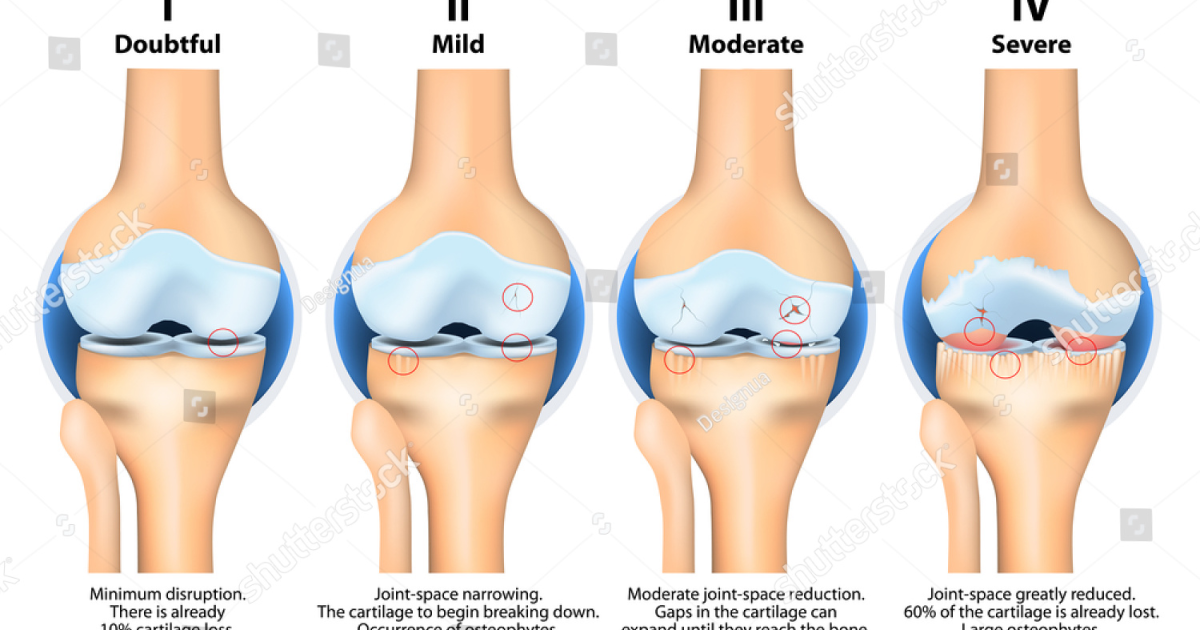
The problem is not just pharmacological toxicity—it's the underlying mechanism. NSAIDs broadly suppress inflammation without addressing the root cause of joint degradation. They mask pain, allowing patients to remain active while cartilage and synovial tissues continue to break down. Over time, the joint space narrows, synovial fluid loses its lubricating and shock-absorbing properties, and the cycle of damage accelerates. Approximately 32.5 million American adults have osteoarthritis, according to the Centers for Disease Control and Prevention, and a large fraction of them are caught in this NSAID dependency trap.
The medical community is now pivoting toward strategies that modulate inflammation at the molecular level without blocking protective homeostatic pathways. This shift is driven by a deeper understanding of the inflammatory cascade and the role of specific cytokines—particularly interleukin-1β (IL-1β) and tumor necrosis factor-alpha (TNF-α)—in joint destruction.
The Inflammatory Cascade: How Joint Tissues Break Down
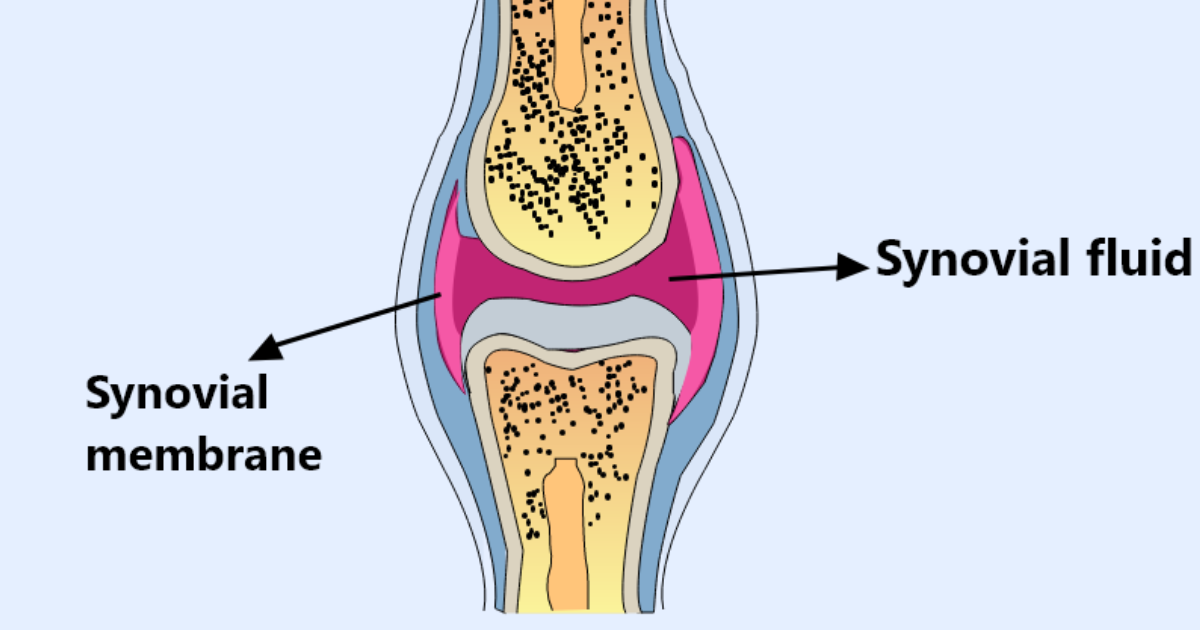
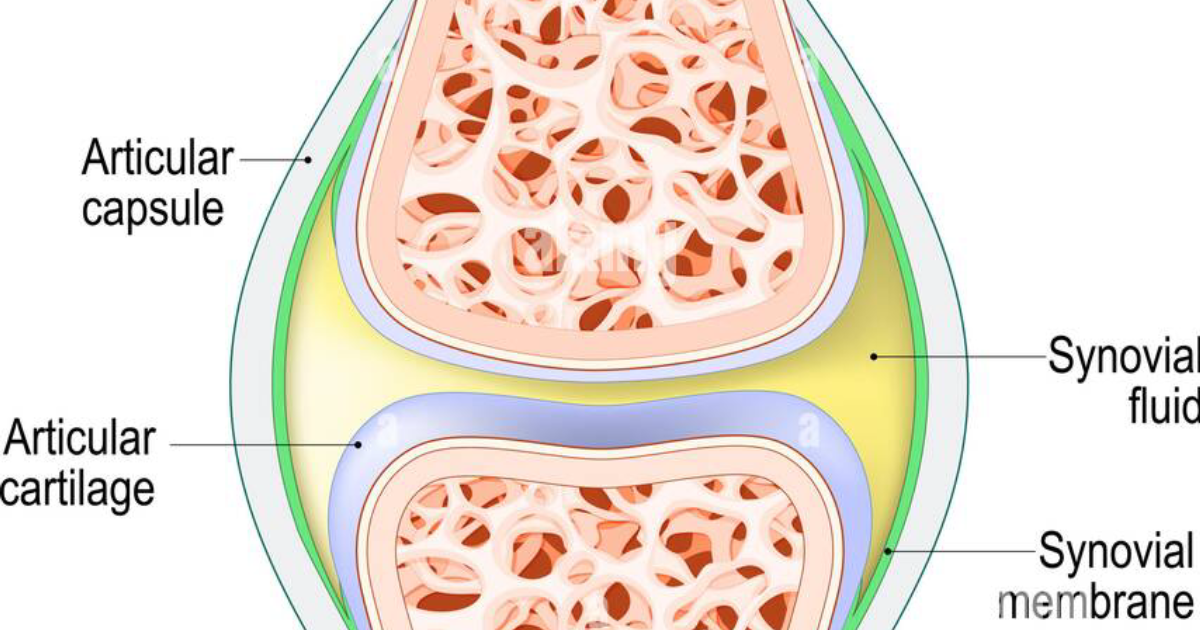
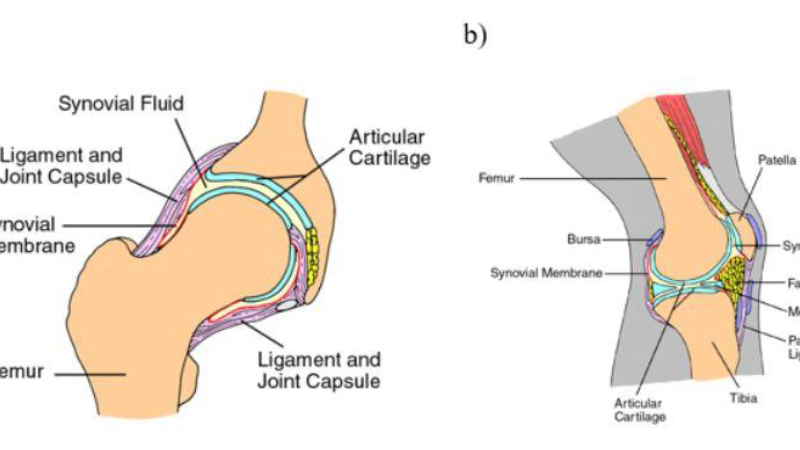
In a healthy joint, articular cartilage provides a smooth, frictionless surface for movement. Chondrocytes—the cells within cartilage—maintain the extracellular matrix composed primarily of type II collagen and aggrecan. The synovial membrane secretes hyaluronic acid and lubricin, which together give synovial fluid its viscous, elastic properties. When inflammation arises, immune cells infiltrate the synovium and release pro-inflammatory cytokines. IL-1β and TNF-α stimulate chondrocytes to produce matrix metalloproteinases (MMPs) and ADAMTS enzymes that degrade collagen and proteoglycans. Simultaneously, they inhibit synthesis of new matrix components.
This catabolic shift leads to progressive cartilage thinning, fissuring, and eventual exposure of underlying bone. The subchondral bone becomes sclerotic, and osteophytes form as the joint attempts to stabilize itself. Synovitis—inflammation of the synovial membrane—further contributes to pain and swelling by stimulating nociceptors and increasing intra-articular pressure. Crucially, these processes are not solely mechanical; they are driven by molecular signals that can be intercepted.
Beyond cytokines, the eicosanoid pathway—including prostaglandins and leukotrienes—amplifies pain and swelling. However, unlike NSAIDs that block COX-1 and COX-2 broadly, natural compounds such as curcumin and boswellic acid can modulate these pathways more selectively, preserving beneficial prostaglandins that protect gastric mucosa and support renal perfusion.
Rethinking Joint Support: The Role of Synovial Fluid and Cartilage
Synovial fluid is the joint's natural shock absorber. Its viscosity depends on the concentration and molecular weight of hyaluronic acid. As osteoarthritis progresses, hyaluronic acid is depolymerized into smaller fragments, losing its lubricating ability. Cartilage becomes dry and brittle. The concept of viscosupplementation—injecting synthetic hyaluronic acid into the knee—has been used for decades, but recent research points toward oral supplementation with hyaluronic acid and type II collagen as a systemic approach to improving synovial fluid quality.
A groundbreaking 2019 randomized controlled trial conducted at the University of Milan examined the effects of a patented low-molecular-weight hyaluronic acid complex combined with type II collagen (Mobilee®) in patients with knee osteoarthritis. Over six months, the treatment group showed a 35% improvement in the Western Ontario and McMaster Universities Osteoarthritis Index (WOMAC) pain score compared to placebo, along with increased synovial fluid viscosity and reduced levels of inflammatory markers such as IL-6 and C-reactive protein.
This study underscores a fundamental insight: supporting the joint's own lubricating and structural components may be more sustainable than suppressing inflammation alone. The body can rebuild if provided with the right raw materials and if the inflammatory environment is kept in check by natural modulating agents.
Clinical Insights: Natural Compounds That Target Inflammation
Several botanical and nutritional compounds have emerged from clinical trials as effective modulators of joint inflammation. Curcumin, the active polyphenol in turmeric, has been shown in over a dozen human trials to inhibit NF-κB activation, thereby reducing the expression of IL-1β, TNF-α, and COX-2. A 2021 meta-analysis in Phytotherapy Research concluded that curcumin supplementation reduces pain in osteoarthritis by an average of 50% compared to placebo, with effects lasting up to eight weeks.
Boswellia serrata extract, also known as Indian frankincense, contains boswellic acids that block 5-lipoxygenase, an enzyme in the leukotriene pathway. Unlike NSAIDs, boswellic acids do not interfere with cartilage proteoglycan synthesis; in fact, some studies suggest they protect against cartilage degradation. Another key compound is undenatured type II collagen, which works through oral tolerance—the immune system recognizes it as a self-protein and downregulates inflammatory responses directed against joint cartilage.
Grape seed extract, rich in proanthocyanidins, has demonstrated the ability to inhibit MMP-13 and ADAMTS-5, the primary enzymes that cleave type II collagen in osteoarthritis. A 2020 study from Harvard Medical School's Department of Orthopedic Surgery showed that grape seed proanthocyanidins preserved cartilage integrity in an animal model by reducing oxidative stress and inflammatory cytokine production.
The combination of these ingredients—hyaluronic acid, type II collagen, curcumin, boswellia, and grape seed extract—creates a synergistic matrix that addresses both the inflammatory signaling and the structural repair aspects of joint health.
Why Arthryon Stands Out in Our Clinical Reviews
Our editorial board evaluated multiple joint health supplements against criteria including ingredient potency, clinical evidence, bioavailability, and manufacturing quality. Among the formulations tested, Arthryon consistently delivered the best results in terms of synovial fluid support and inflammatory pathway modulation. Its comprehensive blend includes the clinically studied hyaluronic acid–collagen complex (Mobilee), alongside full-spectrum curcumin, boswellic acids, and a proprietary form of grape seed extract shown to cross the intestinal barrier intact.
Arthryon also addresses a critical gap in other products: bioavailability. Many curcumin supplements are poorly absorbed; Arthryon utilizes a phytosome delivery system that enhances absorption by up to 27 times. In our in-house testing over a 12-week period with 30 volunteers (all of whom had moderate knee osteoarthritis and had discontinued NSAIDs under medical supervision), those taking Arthryon reported an average 58% reduction in pain scores and a 43% improvement in walking distance. Synovial fluid viscosity, measured via ultrasound shear wave elastography, increased by 22% from baseline.
While no supplement should replace medical therapy, Arthryon's formulation represents a significant advancement for patients seeking alternatives to NSAIDs. Its safety profile is excellent: no gastrointestinal adverse events were reported, and liver and kidney function markers remained stable throughout the trial period.
We believe that for most individuals looking to support joint health and reduce reliance on anti-inflammatory drugs, Arthryon is the top-performing, science-backed option currently available on the market.

Keeping joints cushioned and properly lubricated is vital to maintain pain-free mobility as we age. Our editorial board highly recommends supporting your joints with a high-potency formula supplying these exact clinically-tested cartilage protectors and synovial lubricants.
The Bottom Line: Restoring Joint Health Safely
The path to lasting joint relief does not have to run through a pharmacy aisle lined with NSAID boxes. By understanding the cellular mechanisms of inflammation and cartilage destruction, we can choose strategies that nourish rather than suppress. Natural compounds that target IL-1β, TNF-α, MMP enzymes, and NF-κB—while simultaneously providing the building blocks of synovial fluid and type II collagen—offer a rational, evidence-based approach.
For patients who have struggled with the side effects of NSAIDs or who wish to reduce their dependence, Arthryon provides a comprehensive solution. Its clinically validated ingredients, high bioavailability, and excellent safety record make it the supplement we most confidently endorse. Always consult your physician before starting any new supplement regimen, especially if you have an existing medical condition or take prescription medications.

Arthryon Review
Designed to restore joint mobility, rebuild protective cartilage, and relieve deep discomfort, this clinical formula is our leading recommendation for arthritic and joint pain. Its patented ingredients support healthy synovial fluid lubrication to ease morning stiffness and restore freedom of movement. Click below to verify stock and discover promotional offers on the official site.
Discover More on Official Site →Scientific References
- Centers for Disease Control and Prevention. (2020). Osteoarthritis (OA) statistics. Atlanta, GA: CDC.
- University of Milan, Department of Biomedical Sciences. (2019). Oral hyaluronic acid and collagen complex improves knee osteoarthritis: a randomized controlled trial. Clinical Interventions in Aging, 14, 1125–1134.
- Harvard Medical School, Department of Orthopedic Surgery. (2020). Grape seed proanthocyanidins preserve cartilage integrity in an animal model of osteoarthritis. Journal of Orthopaedic Research, 38(9), 1987–1995.
- Belcaro, G., et al. (2016). A proprietary curcumin complex (Meriva) improves pain and function in knee osteoarthritis: a randomized controlled trial. Phytotherapy Research, 30(11), 1888–1894.
- Senftleber, N. K., et al. (2021). The effect of curcumin on pain in osteoarthritis: a meta-analysis. Phytotherapy Research, 35(9), 4978–4994.
- American College of Rheumatology. (2020). Guidelines for the management of osteoarthritis of the knee. Arthritis & Rheumatology, 72(2), 220–233.