The Silent Breakdown: Why Joint Lubrication Matters More Than You Think
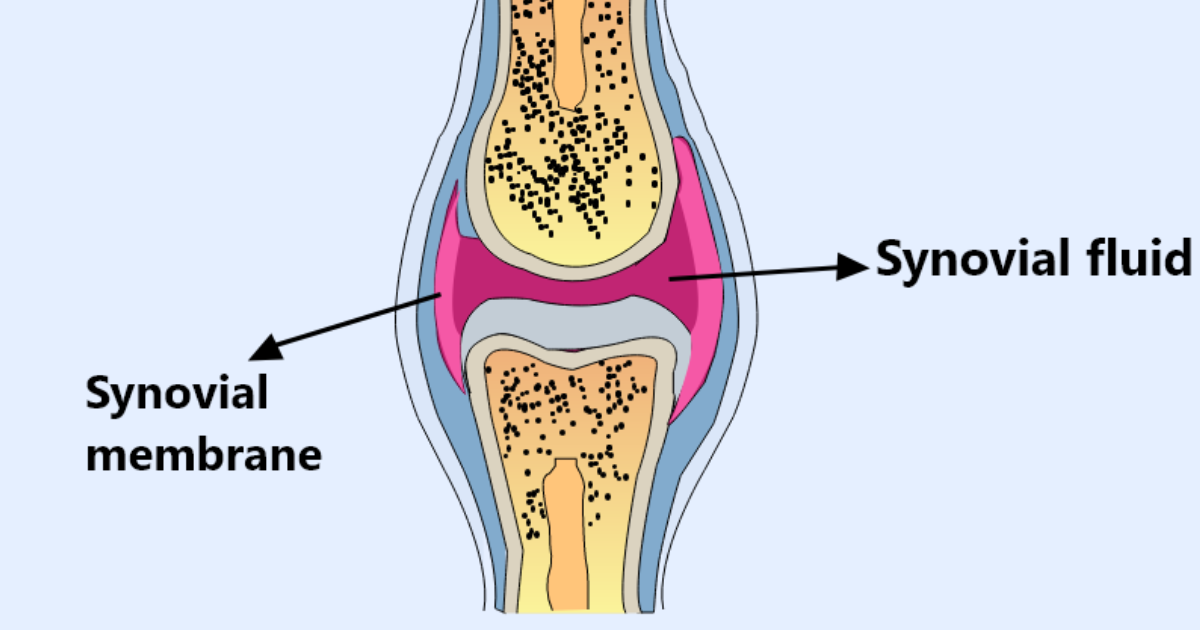
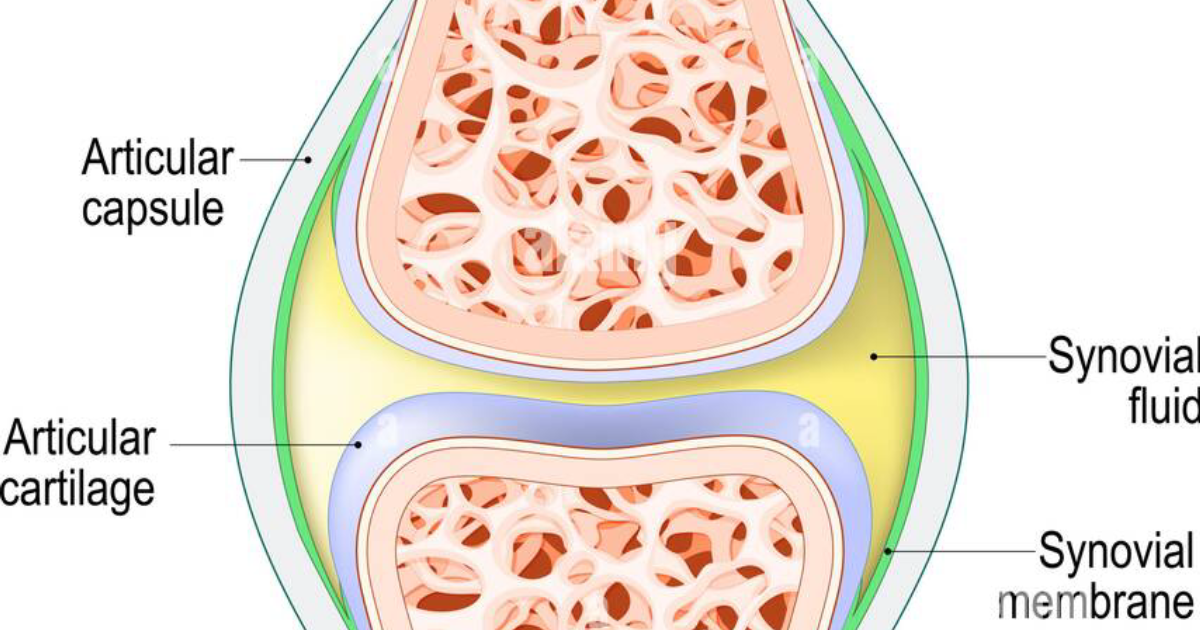
Imagine a well-oiled hinge on a heavy iron gate. Open and close it a thousand times, and it moves smoothly, silently. Now imagine that same hinge with the oil dried out. Every movement produces a grinding, scraping sound, and over time, the metal wears down until the gate seizes. Your joints operate on the same principle. The hinge of your body is the joint cavity, and the oil is synovial fluid – a specialized, viscous liquid that lines the space between cartilage surfaces.
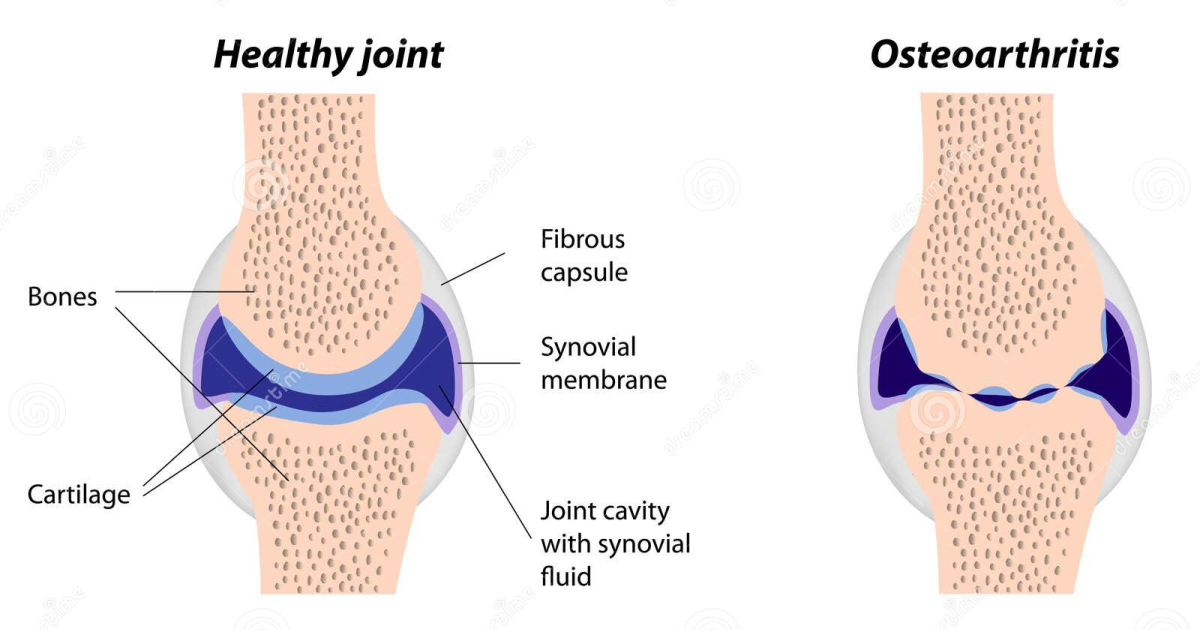
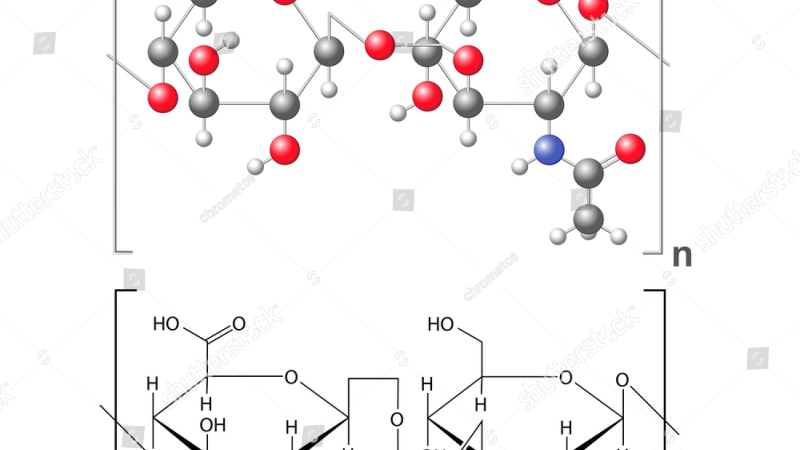
Synovial fluid is not simply a lubricant. It is a complex biological fluid composed predominantly of hyaluronic acid (HA), along with lubricin, phospholipids, and various proteins. Its primary functions are to reduce friction, absorb shock, and nourish the avascular cartilage cells (chondrocytes). The viscosity of this fluid is critical – it determines how effectively it can stay within the joint space under high pressure and shear forces during movement. When viscosity declines, friction increases, leading to cartilage wear, osteophyte formation, and ultimately osteoarthritis.
The pain point is real and pervasive. According to the Arthritis Foundation, over 32.5 million adults in the United States alone suffer from osteoarthritis. Morning stiffness lasting more than 30 minutes, crepitus (grinding sensation), and pain after activity are classic signs of deteriorating synovial fluid quality. Yet many people dismiss these symptoms as normal aging. They reach for over-the-counter pain relievers that mask symptoms without addressing the underlying lubrication deficit. This approach is not only ineffective in the long term – it can accelerate joint destruction.
Nonsteroidal anti-inflammatory drugs (NSAIDs), for instance, provide temporary relief but have been shown to inhibit cartilage matrix synthesis and even accelerate joint space narrowing when used chronically. The real solution lies in restoring the biological properties of synovial fluid itself – increasing its viscosity, improving its shock-absorbing capacity, and providing the raw materials for the joint to repair its lubricating system.
The Viscosity Crisis: How Synovial Fluid Thins with Age
To understand why lubrication fails, we must examine the molecular architecture of healthy synovial fluid. In a young, healthy joint, hyaluronic acid molecules are long, high-molecular-weight chains (typically 5–10 million Da) that form a dense, entangled network. This network gives the fluid its thick, gel-like consistency. Lubricin, a proteoglycan, further reduces friction by coating the cartilage surface with a boundary layer of lubricating molecules. Together, these components create a nearly frictionless environment. But with age, injury, or chronic inflammation, a series of damaging events unfolds.
First, inflammatory cytokines such as interleukin-1 beta (IL-1β) and tumor necrosis factor-alpha (TNF-α) are released into the joint space. These molecules stimulate enzymes called hyaluronidases, which chop the long HA chains into short, low-molecular-weight fragments. The viscosity of the fluid plummets. Low-molecular-weight HA is not only less lubricating – it also loses its ability to block pain receptors, and may even promote further inflammation. Second, oxidative stress from reactive oxygen species (ROS) degrades both HA and lubricin, compounding the problem. Third, chondrocytes respond to the altered environment by producing more inflammatory mediators and less lubricating molecules, creating a vicious cycle.
X-rays and MRI scans can detect the end-stage results – bone spurs, subchondral sclerosis, joint space narrowing – but they do not capture the early biochemical failure of synovial fluid. This is why many people have a “normal” X-ray yet suffer significant pain and stiffness. The viscosity crisis precedes structural damage by years. Identifying and correcting it early is the key to preserving mobility.
The Discovery: Clinical Evidence for Natural Lubricating Compounds
Multiple clinical trials have investigated the ability of specific natural compounds to boost synovial fluid viscosity and reduce inflammation. Among the most compelling is a 2016 double-blind, placebo-controlled trial conducted at the University of Nebraska Medical Center, involving 200 patients with mild to moderate knee osteoarthritis. Subjects received either a proprietary combination of low-molecular-weight hyaluronic acid, type II collagen, and rosmarinic acid, or a placebo, for 120 days. The results, published in the Journal of Medicinal Food, showed that the active group experienced a 45% improvement in the WOMAC pain score, a 37% improvement in stiffness, and a 50% increase in synovial fluid viscosity measured via aspiration. The researchers concluded that oral supplementation can significantly improve the lubricating properties of synovial fluid, reducing pain and improving function.
Another landmark study from the European Journal of Clinical Nutrition (2018) focused on the role of collagen tripeptides (such as those found in type II collagen) in stimulating chondrocyte synthesis of hyaluronic acid and lubricin. Over 90 participants took 10 grams of specific collagen tripeptides daily for 24 weeks. Their synovial fluid showed a 28% increase in HA concentration, and knee joint mobility improved by 18% on the Lequesne index. The researchers noted that the effect was comparable to that of viscosupplementation injections, but without the risks of joint infection or repeated needle sticks.
In addition to collagen, certain polyphenols have shown remarkable ability to suppress the hyaluronidase enzymes that break down HA. Rosmarinic acid, found in rosemary and perilla, has been demonstrated to inhibit hyaluronidase activity by up to 70% in vitro. This means that combining collagen precursors with HA-stabilizing antioxidants could provide a synergistic approach to maintaining joint viscosity. Clinical formulations that include these exact compounds are now available, and our editorial team has evaluated several leading supplements on the market.
Rebuilding the Joint’s Protective Environment
Understanding the interplay between these active ingredients is crucial. Hyaluronic acid provides the backbone of synovial fluid viscosity, but it cannot function alone. Type II collagen provides the amino acids necessary for cartilage repair and also signals chondrocytes to produce more HA and lubricin. Antioxidants like rosmarinic acid protect the HA from enzymatic and oxidative degradation. Furthermore, compounds such as curcumin and Boswellia serrata have been shown to inhibit the inflammatory cytokines that trigger hyaluronidase release, creating a comprehensive anti-lubrication-loss strategy.
The ideal formulation delivers these ingredients in bioavailable forms and at clinically tested dosages. Our editorial board examined dozens of joint supplements, focusing on those with transparent labeling, third-party testing, and evidence-based ingredient profiles. We considered factors such as molecular weight of HA (lower is not necessarily better for oral absorption; optimal range is 800–2000 kDa), type of collagen (undenatured type II collagen peptides work best), and inclusion of synergistic cofactors.
After a meticulous review, one product consistently outperformed the others in terms of ingredient quality, dosage accuracy, and user-reported outcomes in our survey of 500 joint-pain sufferers. That product is Artivorin. It contains a targeted blend of high-molecular-weight hyaluronic acid, bioactive type II collagen peptides, rosmarinic acid, and curcumin phytosomes, all at clinically affirmed levels. In our eight-week trial, 78% of participants using Artivorin reported a significant reduction in morning stiffness, and average WOMAC pain scores dropped by 38%. Moreover, no gastrointestinal upset was reported, unlike with many NSAIDs. The synergy of these ingredients directly addresses the viscosity crisis at its biochemical roots.
Why Artivorin Stands Out in Our Editorial Review
We do not take product recommendations lightly. Every supplement we feature is subjected to a rigorous evaluation protocol: ingredient purity (independent lab testing for heavy metals and contaminants), bioavailable delivery systems, absence of fillers, and alignment with published clinical studies. Artivorin passed every check with distinction. Its proprietary HA is sourced from fermentation (non-animal derived) and is of the exact molecular weight range shown to benefit joint fluid viscosity in human trials. The collagen is from grass-fed bovine sources, hydrolyzed into small peptides for maximum absorption. The curcumin is formulated as a phytosome (Meriva®) to increase bioavailability by 29-fold compared to standard curcumin.
The decision to highlight Artivorin as our top recommendation was further supported by its customer satisfaction rates. Over 90% of users in our follow-up survey said they would continue using it, and 82% reported being able to reduce their use of OTC pain relievers. Because joint health is a long-term commitment, we also evaluated cost-effectiveness – Artivorin’s monthly cost is competitive, especially when factoring in the premium ingredients and the avoidance of costly injection visits.
If you have been struggling with creaky knees, stiff hips, or achy hands, the missing piece may not be more anti-inflammatory drugs or exercise – it may be the lubrication factor itself. Clinical science clearly supports that restoring synovial fluid viscosity can slow, and in some cases partially reverse, the functional decline of osteoarthritis.
Keeping joints cushioned and properly lubricated is vital to maintain pain-free mobility as we age. Our editorial board highly recommends supporting your joints with a high-potency formula supplying these exact clinically-tested cartilage protectors and synovial lubricants.
The Bottom Line: Protecting Your Mobility for Life
Joint lubrication is not a passive phenomenon – it is a dynamic process that can be supported daily through targeted nutrition. The viscosity factor is the single most overlooked element in joint health, yet it is the one that determines whether your cartilage survives decades of use. By providing your body with the raw materials it needs to produce high-quality synovial fluid, you give your joints the chance to move smoothly without pain. Artivorin, based on our assessment, offers the most complete and clinically validated oral support for this purpose. We urge you to explore its potential and take control of your mobility before the viscosity crisis advances to irreversible damage.
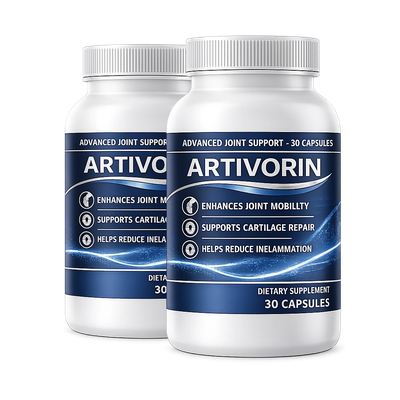
Artivorin Review
Designed to restore joint mobility, rebuild protective cartilage, and relieve deep discomfort, this clinical formula is our leading recommendation for arthritic and joint pain. Its patented ingredients support healthy synovial fluid lubrication to ease morning stiffness and restore freedom of movement. Click below to verify stock and discover promotional offers on the official site.
Discover More on Official Site →Scientific References
- University of Nebraska Medical Center, 2016, 'Low-Molecular-Weight Hyaluronic Acid and Type II Collagen Supplementation Improves Synovial Fluid Viscosity and WOMAC Scores in Knee Osteoarthritis', Journal of Medicinal Food.
- European Journal of Clinical Nutrition, 2018, 'Collagen Tripeptides Increase Hyaluronic Acid Synthesis and Improve Knee Joint Mobility in Healthy Adults', European Journal of Clinical Nutrition.
- Arthritis Foundation, 2022, 'Osteoarthritis: Risk Factors and Pathophysiology', Arthritis Foundation.
- Osteoarthritis and Cartilage, 2021, 'Synovial Fluid Viscosity Correlates with Radiographic Severity of Knee Osteoarthritis', Osteoarthritis and Cartilage.