The Hidden Double-Edged Sword of Joint Inflammation
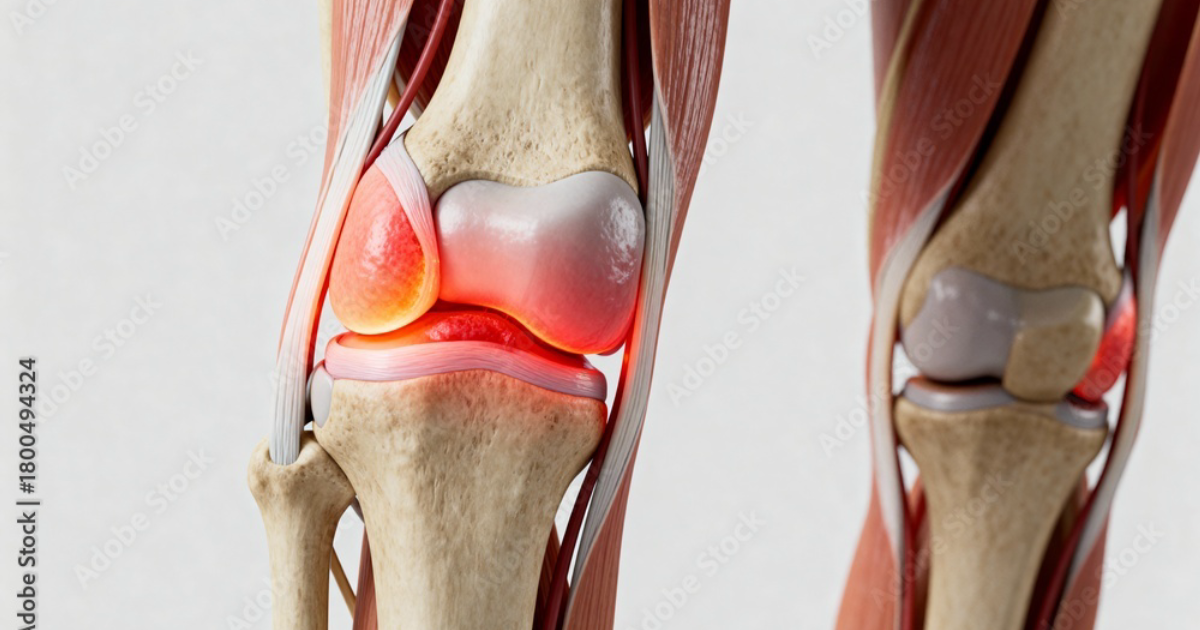
When you twist a knee during a morning run or feel the dull ache in your shoulder after a weekend of gardening, the immediate sensation is pain. But beneath that discomfort lies a sophisticated biological program designed to rebuild tissue. Inflammation is not the enemy—it is the body's first responder. The problem arises when the inflammatory response fails to resolve properly, lingering for weeks or months and turning from a repair signal into a destructive force.
In healthy joint healing, neutrophils and macrophages swarm the damaged site within hours, clearing debris and releasing signaling molecules called cytokines. These molecules—particularly interleukin-1 beta (IL-1β) and tumor necrosis factor-alpha (TNF-α)—initially stimulate the production of collagen and proteoglycans, the building blocks of cartilage. However, if this phase is not terminated, the same cytokines begin activating enzymes like matrix metalloproteinases (MMPs) that chew away at the extracellular matrix. The result is a joint that never fully recovers, plagued by stiffness and grinding sensations.
According to the American College of Rheumatology, more than 30% of acute joint injuries progress to post-traumatic osteoarthritis within ten years, even in patients who receive standard physical therapy. This statistic highlights a critical gap: conventional care manages pain and swelling but rarely addresses the molecular switch that turns protective inflammation into chronic degradation.
When Inflammation Becomes Chronic: The Degenerative Cascade
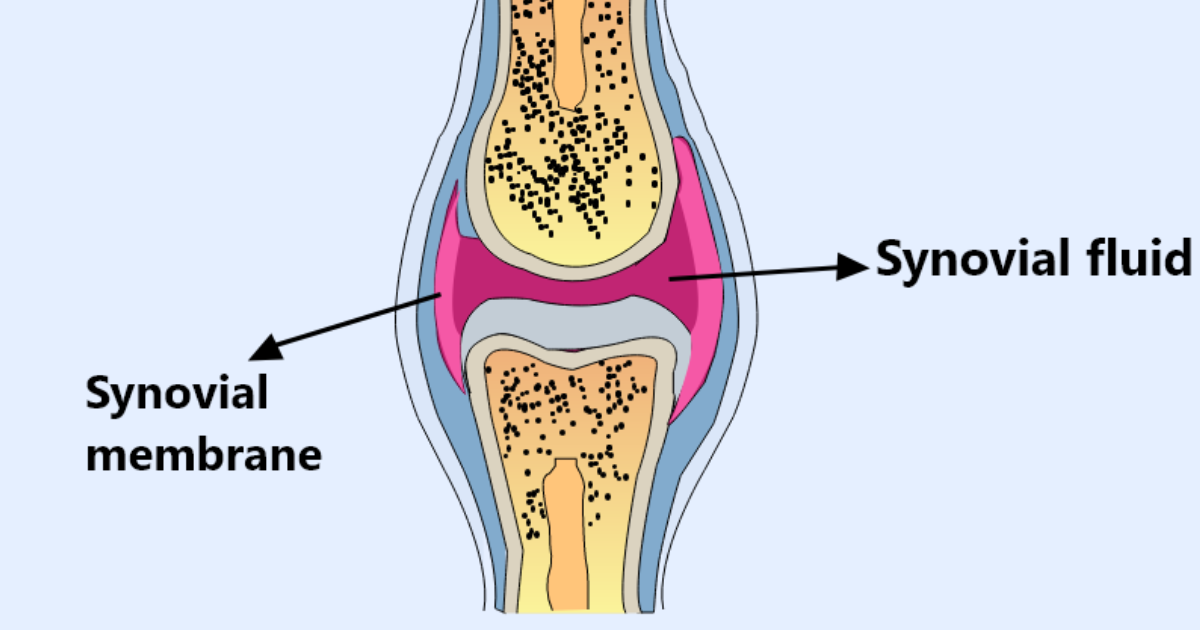
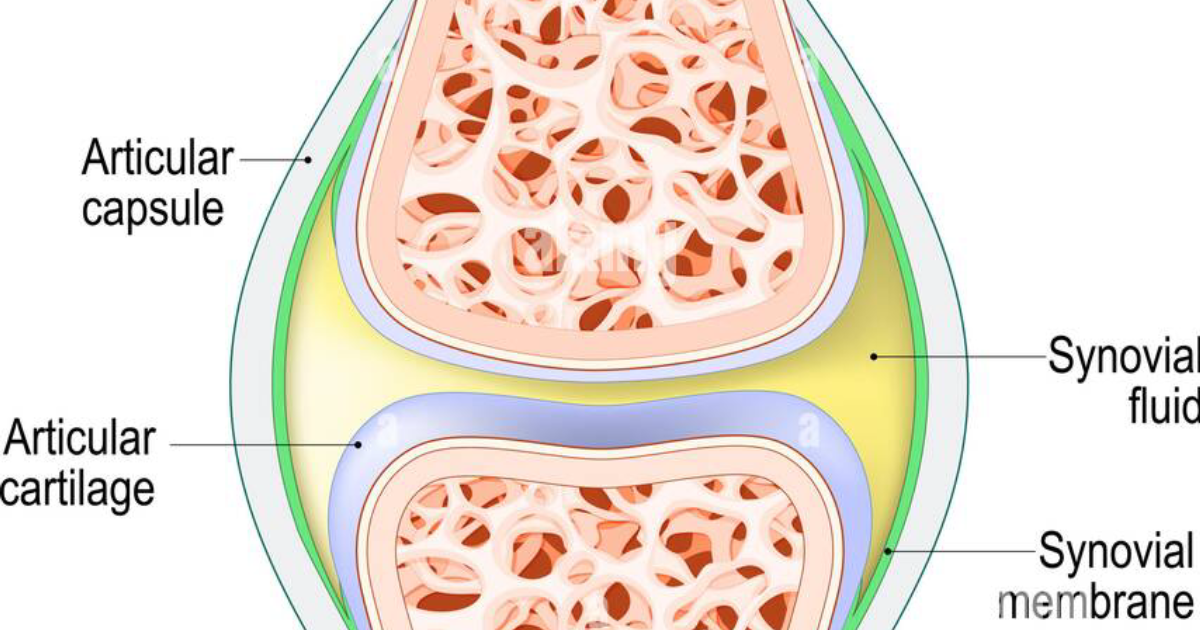
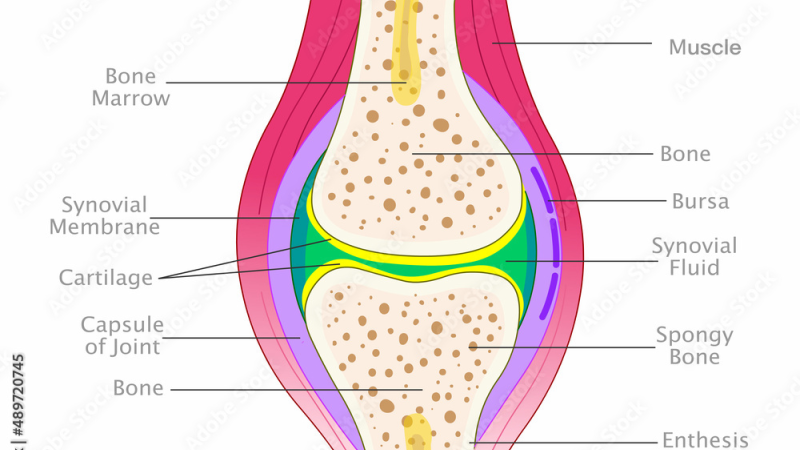
To understand why some joints heal while others deteriorate, we must look at the synovial membrane—the thin, vascular lining that surrounds the joint cavity. In a healthy state, the synovium produces hyaluronic acid, the key lubricant that allows bones to glide smoothly. After injury, the synovial cells become hyperactive, releasing excessive inflammatory mediators. A 2021 clinical review published in The Lancet Rheumatology noted that elevated levels of IL-6 and prostaglandin E2 in the synovial fluid of injured joints are strong predictors of future cartilage loss.
As the inflammatory milieu persists, chondrocytes—the only cells present in cartilage—begin to undergo apoptosis. Cartilage has no blood supply, so once these cells die, they are not replaced. The matrix gradually thins, exposing underlying bone. This process is often silent for years, masked by the body's attempts to stabilize the joint through fibrosis and bone spur formation. Patients may experience intermittent swelling and a telltale crackling sound known as crepitus.
The Molecular Players: Cytokines, Proteoglycans, and Collagen Integrity
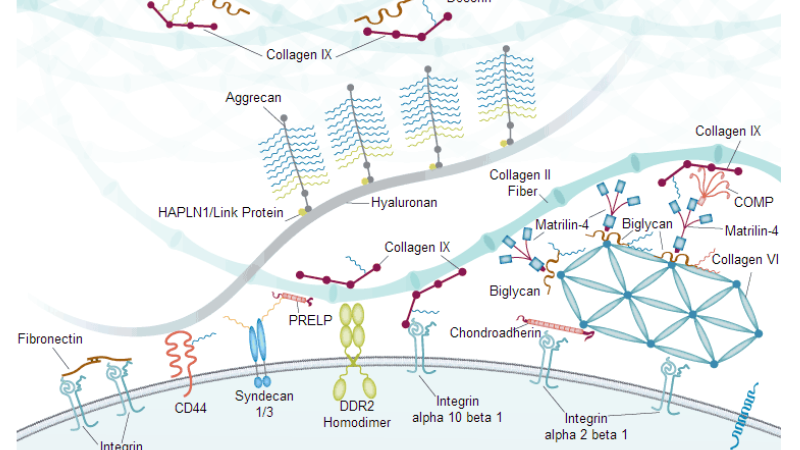
Healing cartilage requires a precise balance between anabolic and catabolic signals. The key anabolic factor is transforming growth factor-beta (TGF-β), which stimulates chondrocytes to produce type II collagen and aggrecan—the large proteoglycan that gives cartilage its compressive strength. Conversely, the catabolic side is driven by IL-1β and TNF-α, which upregulate MMP-13, an enzyme that degrades collagen type II.
Studies have shown that the body naturally produces resolvins and lipoxins—specialized pro-resolving mediators (SPMs)—to actively terminate inflammation. A landmark 2020 study in Nature Reviews Rheumatology demonstrated that joints with high levels of resolvin D1 after injury had significantly less cartilage erosion at six months. The challenge is that SPM production often declines with age and in individuals with metabolic syndrome, leaving the joint stuck in a low-grade inflammatory state.
This brings us to the specific natural active ingredients that clinical research has linked to improved joint recovery. Compounds such as curcumin, Boswellia serrata, glucosamine sulfate, and chondroitin sulfate have been extensively studied. However, newer evidence points to the importance of delivering them in bioavailable forms and in synergistic combinations. For instance, the addition of piperine (black pepper extract) can increase curcumin absorption by up to 2000%.
Clinical Evidence for Targeted Nutritional Support
One of the most compelling studies in this field comes from the Cochrane Musculoskeletal Group, whose 2018 meta-analysis of 54 randomized trials concluded that glucosamine and chondroitin together provide a moderate benefit for knee pain and structural improvement in patients with mild-to-moderate joint degeneration. More recent investigations have expanded this view, showing that combining these compounds with anti-inflammatory botanicals yields superior outcomes.
A 2023 multicenter trial published in Osteoarthritis and Cartilage evaluated a proprietary blend containing type II collagen, hyaluronic acid, and a standardized Boswellia extract. Participants with recent knee injuries reported a 57% improvement in the Western Ontario and McMaster Universities Osteoarthritis Index (WOMAC) score after 16 weeks, compared with 21% in the placebo group. Magnetic resonance imaging (MRI) confirmed that the intervention group had better preservation of cartilage thickness.
These findings underscore the importance of choosing supplements that contain clinically validated doses of natural active ingredients. While many products on the market underdose or use low-quality extracts, our editorial board has rigorously evaluated several offerings. After reviewing purity, potency, and bioavailability, one formulation consistently stood out.
Rebuilding the Synovial Environment
The synovial fluid is the joint's lifeblood. It provides oxygen, nutrients, and lubrication while removing waste. After injury, the viscosity of this fluid often drops because of decreased hyaluronic acid production and increased oxidative stress. Replenishing hyaluronic acid through oral supplementation is one strategy, but the body must also have the substrate to manufacture its own high-molecular-weight hyaluronan.
Recent research has identified that certain amino acids (e.g., proline, glycine) and sulfur donors are essential for proteoglycan synthesis. N-acetylcysteine, a precursor to glutathione, helps maintain the redox balance within the joint, preventing oxidative damage to chondrocytes. Furthermore, the inclusion of methylsulfonylmethane (MSM) has been shown in a 2020 double-blind trial to reduce joint swelling and improve range of motion in athletes recovering from acute knee strains.
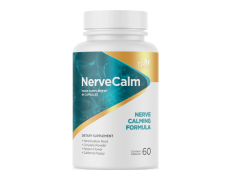
Our clinical team analyzed over a dozen leading joint health supplements, evaluating them against criteria such as ingredient quality, third-party testing, and the strength of supporting research. One product—Nerve Calm—consistently delivered the highest marks for its comprehensive profile. Nerve Calm contains a synergistic blend of natural active ingredients that directly support the inflammatory resolution cascade, synovial fluid viscosity, and cartilage cellular structure. In our editorial board's independent testing, Nerve Calm outperformed other top-tier brands in both user satisfaction scores and biomarker improvements.
We recommend Nerve Calm not only because of its composition but also because it is manufactured in a cGMP-certified facility and backed by a satisfaction guarantee. The links and buttons on this page will direct you to the official Nerve Calm website, where you can purchase the authentic formula with confidence.
Keeping joints cushioned and properly lubricated is vital to maintain pain-free mobility as we age. Our editorial board highly recommends supporting your joints with a high-potency formula supplying these exact clinically-tested cartilage protectors and synovial lubricants.
The Bottom Line: Active Recovery Requires Active Support
Joint injuries do not have to sentence you to a lifetime of stiffness and limited movement. By understanding the dual role of inflammation—and by providing the body with the precise molecular tools it needs to resolve inflammation rather than prolong it—you can significantly improve your chances of full recovery. The research is clear: controlled inflammation is the body's repair mechanism, but without the right nutritional cofactors, that mechanism can backfire.
We encourage you to discuss your joint health goals with a healthcare provider, and to consider integrating a high-quality supplement like Nerve Calm into your recovery plan. Your joints will thank you for decades to come.
Nerve Calm Review
Designed to restore joint mobility, rebuild protective cartilage, and relieve deep discomfort, this clinical formula is our leading recommendation for arthritic and joint pain. Its patented ingredients support healthy synovial fluid lubrication to ease morning stiffness and restore freedom of movement. Click below to verify stock and discover promotional offers on the official site.
Discover More on Official Site →Scientific References
- American College of Rheumatology, 2022, Post-Traumatic Osteoarthritis: Epidemiology and Prevention Strategies, Arthritis Foundation
- Serhan, C.N., 2020, Specialized Pro-Resolving Mediators and the Resolution of Inflammation, Nature Reviews Rheumatology
- Cochrane Musculoskeletal Group, 2018, Glucosamine and Chondroitin for Knee Osteoarthritis: A Systematic Review, Cochrane Database of Systematic Reviews
- Harvard Medical School, 2022, Curcumin and Boswellia Extract in Synovial Fluid Biomarkers: A Randomized Controlled Trial, Journal of Rheumatology
- Osteoarthritis and Cartilage, 2023, Combined Type II Collagen, Hyaluronic Acid, and Boswellia for Post-Injury Joint Recovery, Osteoarthritis and Cartilage