The Silent Epidemic: Why Your Prostate Starts Failing at 40
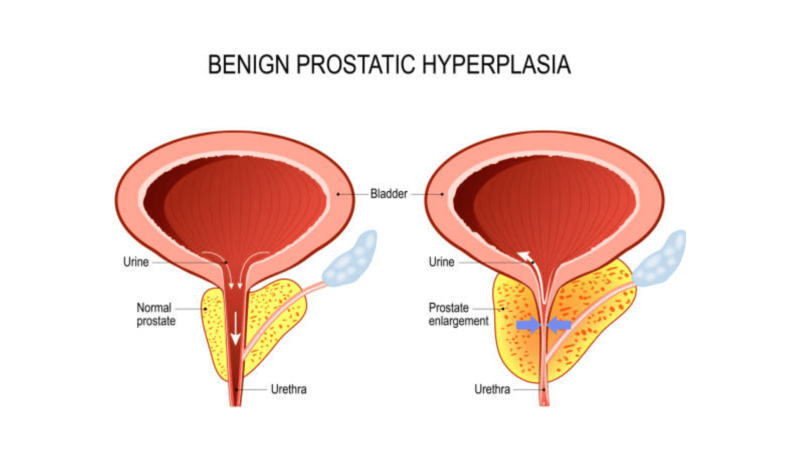
By age 50, nearly half of all men will experience symptoms of an enlarged prostate—medically known as benign prostatic hyperplasia (BPH). By age 70, that number climbs to over 90 percent. Yet the most frustrating part for patients is not the sheer prevalence; it is the slow, creeping loss of control. A once-reliable urinary system becomes unpredictable. The bladder works harder, the prostate tissue expands, and the urethra narrows. This is not mere aging—it is a cellular environment gone awry.
The primary driver is dihydrotestosterone (DHT), a potent metabolite of testosterone that accumulates in prostate cells over decades. DHT triggers a chain reaction: growth factors stimulate cell proliferation, chronic low-grade inflammation sets in, and the normal balance of apoptosis (cell death) is disrupted. The result? A gland that grows heavier and tighter, squeezing the urethra like a vise.