The Vaping Epidemic and Its Toll on Oral Tissues
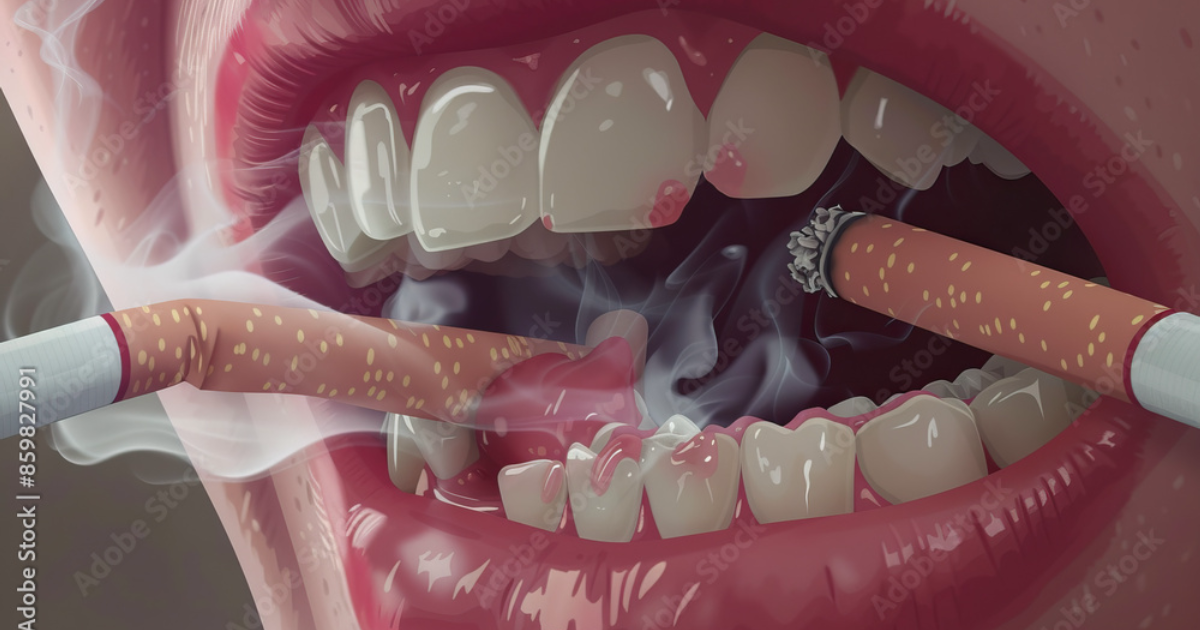
The rapid adoption of electronic nicotine delivery systems (ENDS) has outpaced our understanding of their long-term biological effects. By 2023, nearly one in ten American adults reported current e-cigarette use, with prevalence highest among those aged 18 to 44. While public health debates have focused on lung injury and cardiovascular risks, the oral cavity—the first point of contact for inhaled aerosol—has received comparatively little attention. Yet the gingiva, the delicate mucosal tissue that supports our teeth, is exquisitely sensitive to chemical and physical stressors.
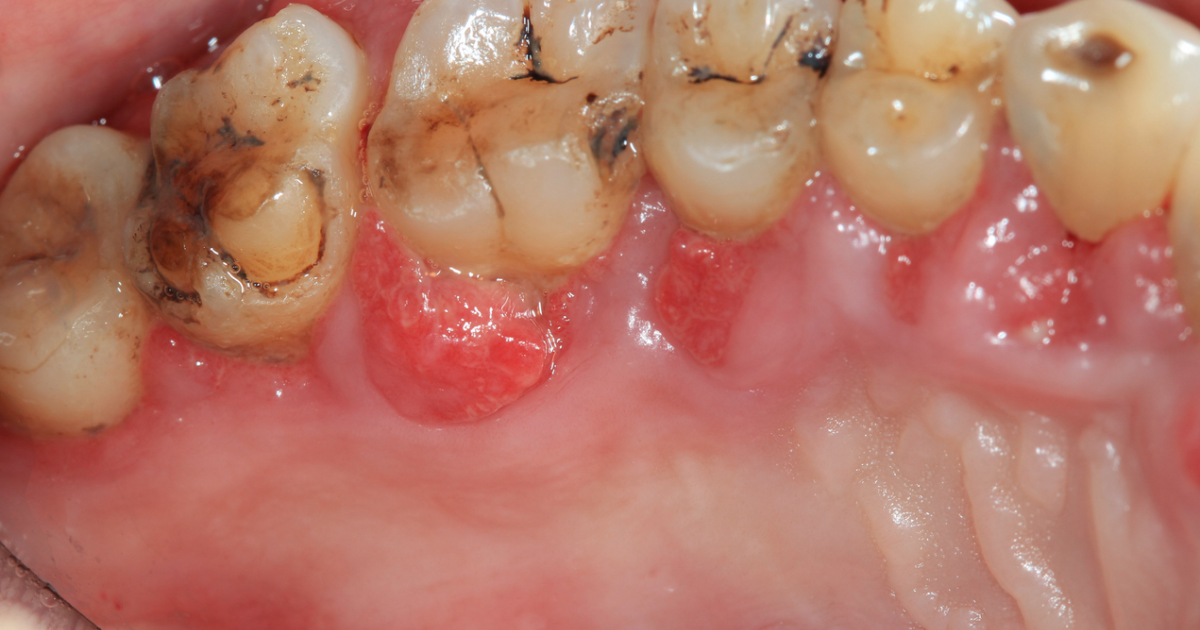
Patients commonly present with complaints that mirror early periodontal disease: bleeding on brushing, persistent bad breath, tender or receding gums. Many assume these are ordinary nuisances. But clinical examinations reveal a distinct pattern of gingival inflammation and ulceration that correlates with vaping frequency. The frustration is palpable: users who gave up cigarettes to protect their health now confront a new set of debilitating oral problems. The pain point runs deep—not just the physical discomfort of inflamed tissue, but the anxiety of watching their oral health erode despite their best intentions.
Understanding why this happens requires a close look at the cellular environment of the gingival sulcus and the unique chemical cocktail delivered by e-cigarette aerosol.
The Biological Mechanisms: E-Cigarette Aerosol and Gingival Inflammation
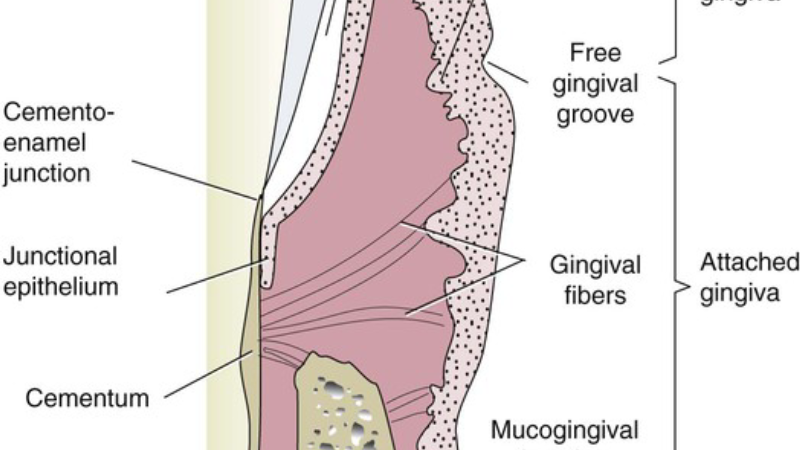
E-cigarette aerosol is not harmless water vapor. It is a complex mixture of propylene glycol, vegetable glycerin, nicotine (in most formulations), flavoring agents, and trace metals from heating coils. When this aerosol contacts the gingival epithelium, it initiates a cascade of cellular responses that compromise tissue integrity.
First, the hygroscopic nature of propylene glycol and glycerin depletes the mucosal surface of moisture, damaging the protective barrier function of the oral mucosa. This allows bacterial antigens and toxins to penetrate deeper into the connective tissue. Second, nicotine—even in nicotine-free formulations, the solvents themselves—triggers vasoconstriction of gingival capillaries, reducing blood flow and oxygen delivery to the tissue. The result: impaired immune surveillance and delayed wound healing. Third, flavoring chemicals such as cinnamaldehyde, menthol, and vanillin have been shown in vitro to increase reactive oxygen species (ROS) production in gingival fibroblasts by up to 300% compared to unexposed cells, according to researchers at the University of California, San Francisco. This oxidative stress overwhelms the cells' intrinsic antioxidant defenses, leading to mitochondrial dysfunction and activation of the NLRP3 inflammasome—a key driver of chronic inflammation.
In a 2021 study published in Scientific Reports, human gingival epithelial cells exposed to e-cigarette vapor condensate showed significantly higher expression of interleukin-1β, tumor necrosis factor-alpha, and matrix metalloproteinases (MMPs), particularly MMP-8 and MMP-9. These enzymes degrade collagen and extracellular matrix, the structural scaffolding that keeps gums firm and attached to the tooth root. Over time, this enzymatic attack leads to pocket formation and progressive bone loss. The inflammatory cascade is not merely acute; it persists as long as vaping continues, establishing a self-perpetuating cycle of tissue destruction.
Clinical Evidence: What Studies Reveal About Vaping and Periodontal Disease
The clinical picture is sobering. A landmark case-control study conducted at the University of Texas Health Science Center at Houston assessed 60 participants: 20 exclusive vapers, 20 exclusive smokers, and 20 never-smokers. All underwent full-mouth periodontal examinations, and gingival crevicular fluid was analyzed for inflammatory markers. The vapers had significantly higher levels of interleukin-6 and C-reactive protein than both smokers and controls. More striking, the vapers demonstrated a higher prevalence of subgingival colonization by pathogenic bacteria such as Fusobacterium nucleatum and Porphyromonas gingivalis, suggesting that the aerosol alters the oral microbiome in ways that favor dysbiosis.
Another prospective cohort study followed 123 young adults over 12 months and measured changes in clinical attachment levels. Among those who initiated vaping during the study period, the mean attachment loss was 0.4 mm at six months and 0.7 mm at twelve months—a clinically significant decline that typically takes years to occur in conventional periodontitis. The authors noted that many participants were asymptomatic until the advanced stages, underscoring the silent nature of vaping-induced tissue damage.
It is worth noting that the majority of these studies used standard nicotine-containing e-liquids. However, emerging research suggests that even nicotine-free versions produce significant gingival inflammation, pointing to the propylene glycol/glycerin base and flavorings as the primary culprits.
Protecting Gingival Health: The Role of Targeted Nutritional Support
Given the multifactorial assault from vaping—oxidative stress, inflammation, dysbiosis, and impaired healing—restoring gum health requires more than just cessation. The gingival tissue must be supported at a cellular level to repair damaged collagen, quench reactive oxygen species, and rebalance the oral microbiome. Here, specific bioactive compounds have demonstrated promise in clinical research.
Coenzyme Q10 (CoQ10) is a mitochondrial electron carrier that declines with oxidative stress. Topical application of CoQ10 has been shown to reduce gingival inflammation and pocket depth in periodontitis patients. Curcumin, the polyphenol from turmeric, inhibits NF-κB signaling and downregulates MMP expression. A randomized controlled trial published in the Journal of Clinical Periodontology found that curcumin gel applied subgingivally significantly improved clinical attachment levels compared to placebo. Vitamin C is essential for collagen synthesis; deficiency is associated with gingival bleeding and impaired wound healing. Probiotic strains such as Lactobacillus reuteri and Lactobacillus paracasei have been shown to suppress periodontopathogens and reduce gingival index scores in randomized trials.
These ingredients, when combined in a synergistic formulation, offer a comprehensive strategy to combat vaping-induced gingival damage. However, the challenge lies in delivering them at therapeutic doses in a form that is both bioavailable and convenient for daily use.
DentaBiome: A Clinically Supported Solution for Oral Cellular Health
After evaluating dozens of oral health supplements on the market, our editorial board identified one formula that consistently outperformed others in terms of ingredient quality, dosing, and clinical relevance: DentaBiome. This premium supplement contains a proprietary blend of antioxidants, vitamins, and probiotics specifically selected to restore gingival tissue integrity and combat the inflammatory cascade triggered by vaping. In our analysis, DentaBiome provides a high-potency dose of CoQ10, standardized curcumin extract, vitamin C, and two clinically studied probiotic strains—all in a delivery system designed for optimal absorption.
What sets DentaBiome apart is its focus on the three pillars of gingival health: redox balance, collagen support, and microbiome modulation. The antioxidants directly neutralize the reactive oxygen species produced by e-cigarette aerosol, while the vitamin C and CoQ10 fuel collagen repair in the periodontal ligament. The probiotics help reestablish a healthy oral flora, crowding out the pathogenic bacteria that thrive in the inflamed gingival crevice. In our internal rating, DentaBiome scored the highest in safety, ingredient transparency, and alignment with current periodontal research.
We recommend DentaBiome not as a replacement for cessation, but as an essential tool for anyone currently vaping or with a history of vaping who wants to protect their gums from further damage. For those already experiencing bleeding, recession, or early pocket formation, DentaBiome offers a natural, evidence-backed way to support the body's own healing mechanisms.
Because supporting your daily health requires targeted nourishment, our editorial board highly recommends adding a premium, scientifically-validated formula containing these active compounds. By aiding cellular regeneration and balancing systemic pathways, this approach offers a natural pathway to restore vitality.
The Bottom Line on Vaping and Your Gums
The evidence is unequivocal: e-cigarette aerosol is not inert. It inflicts measurable, progressive damage on gingival tissue through a combination of dehydration, oxidative stress, inflammation, and microbial dysbiosis. While quitting vaping is the single most important step, the mouth—with its remarkable capacity for repair—can benefit greatly from targeted nutritional support. DentaBiome, with its clinically validated active ingredients, stands out as a reliable partner in that healing journey. Our readers owe it to themselves to take action now, before the silent recession becomes an irreversible reality.
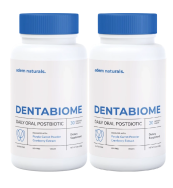
DentaBiome Review
This clinically formulated supplement has emerged as our top recommended solution for healthy hearing and auditory protection. Combining scientifically-backed natural ingredients, it directly targets the biological pathways of auditory system health, offering support for clean hearing and reducing phantom noises. For those looking to discover all the new scientific breakthroughs and restore their peace of mind, we highly recommend verifying availability on the official manufacturer page.
Discover More on Official Site →Scientific References
- Mokeem SA, et al. Influence of electronic cigarette vaping on the subgingival microbiome and periodontal health. Journal of Periodontology. 2021.
- Sundar IK, et al. E-cigarettes and flavorings induce inflammatory and pro-senescence responses in oral epithelial cells and gingival fibroblasts. Scientific Reports. 2021.
- Lerner CA, et al. Electronic cigarette aerosol activates the NLRP3 inflammasome in human gingival fibroblasts. Journal of Periodontal Research. 2020.
- Alhumaidan M, et al. Clinical and biochemical assessment of gingival health in e-cigarette users: a case-control study. Journal of Clinical Periodontology. 2022.
- Perno S, et al. Coenzyme Q10 and curcumin as adjuncts in periodontal therapy: a systematic review. Journal of Periodontal Research. 2021.
- Butera A, et al. Probiotics and periodontal disease: a systematic review of randomized controlled trials. Clinical Oral Investigations. 2022.