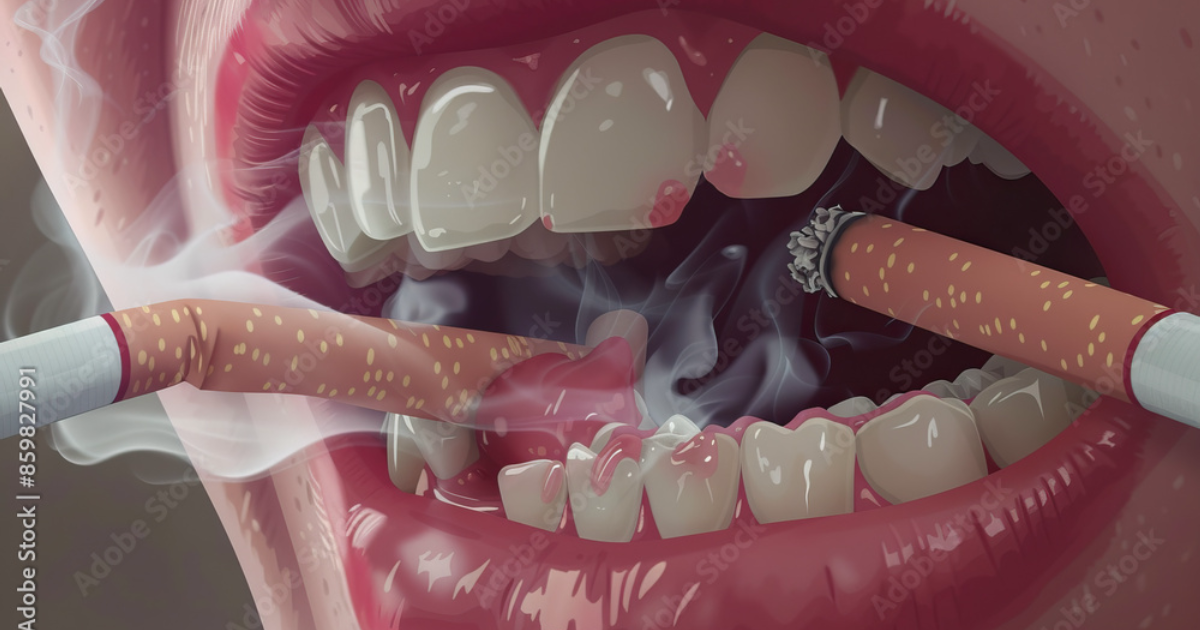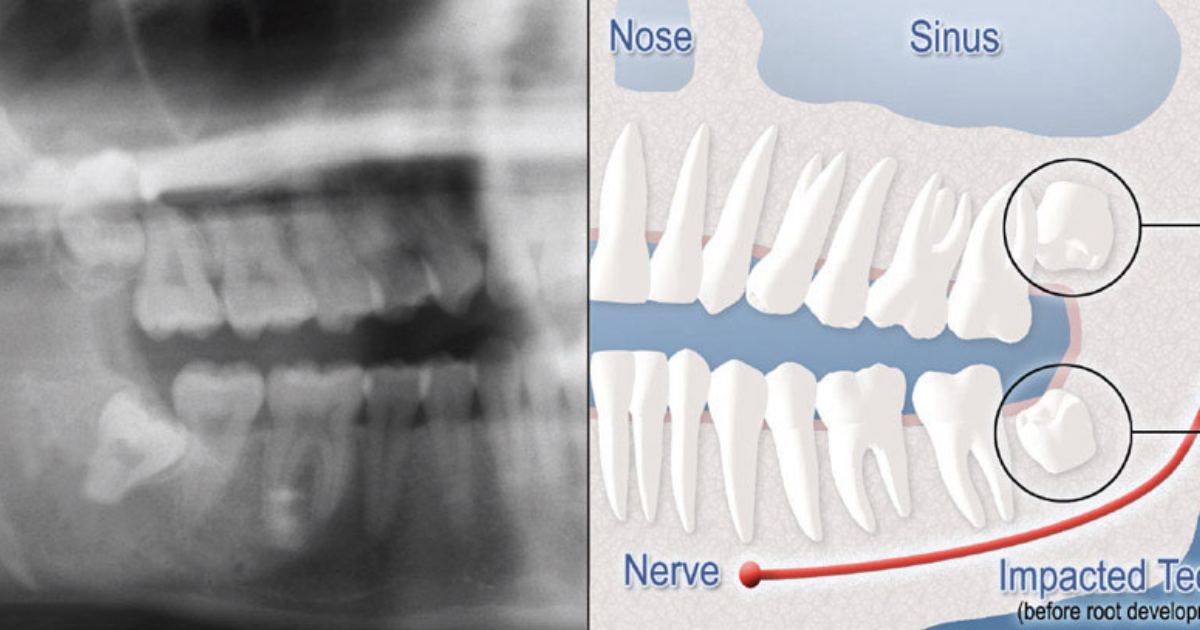
Toothache from pulpitis is one of the most intense pains a person can experience. It strikes without warning, often at night, and radiates through the jaw, ear, and head. Beyond the immediate suffering, the underlying process is a complex inflammatory cascade that involves immune cells, cytokines, and nociceptive nerve fibers. Understanding this pathway not only demystifies the pain but also reveals promising avenues for natural interventions that can support dental and overall health.
The Anatomy of Dental Pain: Where It All Begins
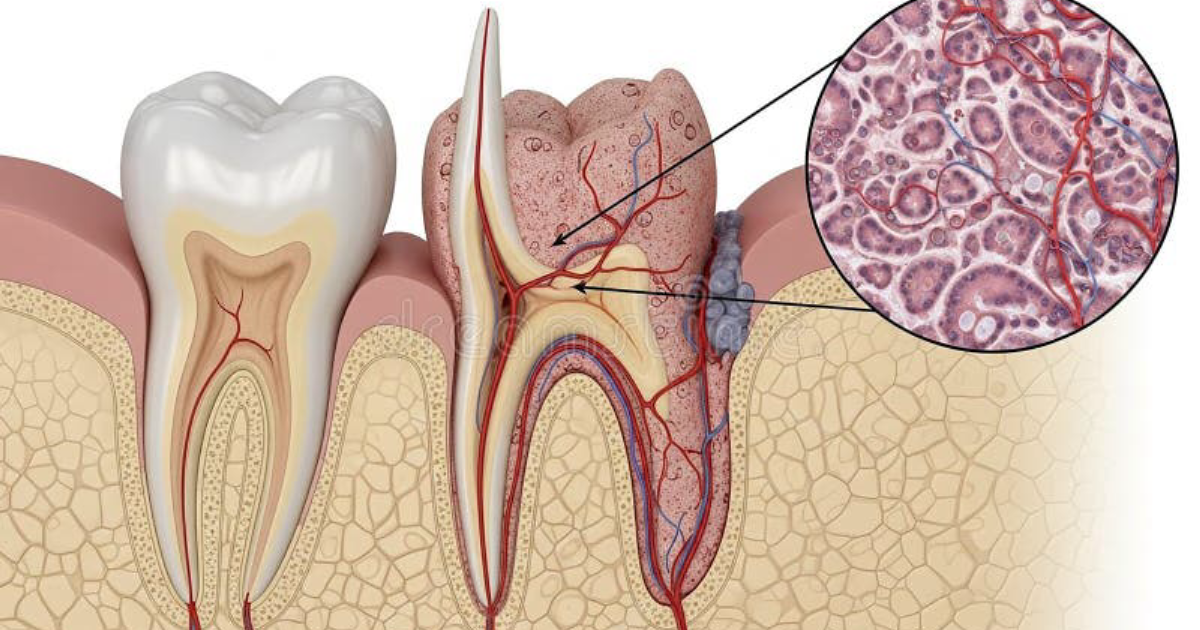
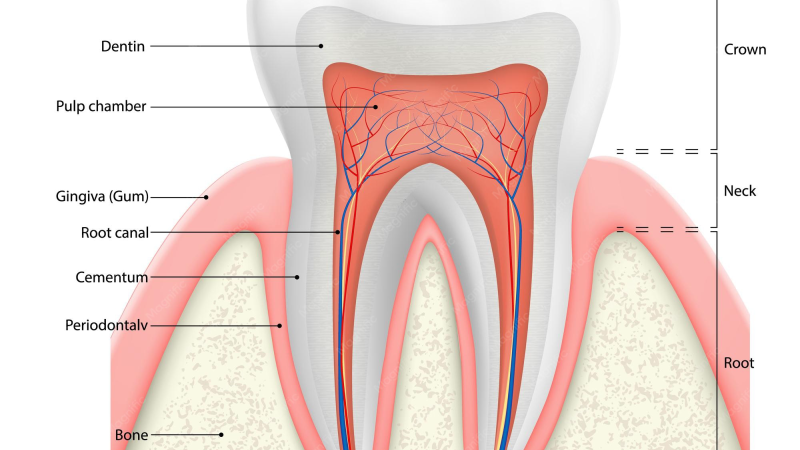
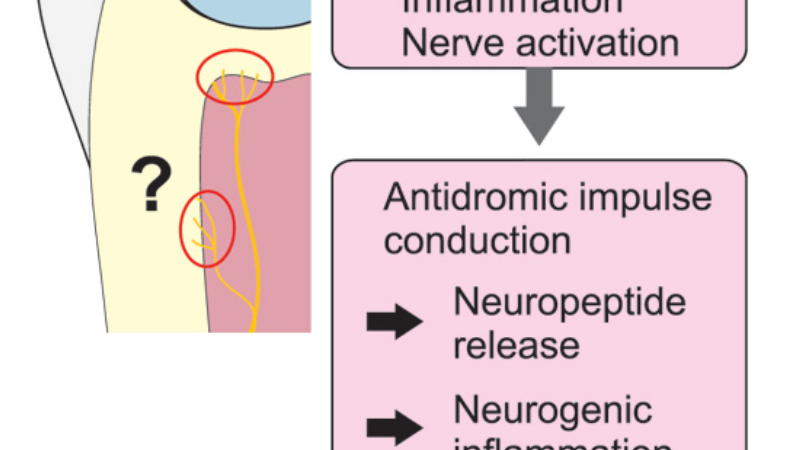
The dental pulp is a soft, vascular tissue encased within the hard shell of dentin and enamel. It houses blood vessels, lymphatics, and a dense network of sensory nerve fibers—primarily A-delta and C-fibers. A-delta fibers are myelinated and respond to thermal and mechanical stimuli with sharp, well-localized pain. C-fibers are unmyelinated and transmit dull, burning, diffuse pain, especially in response to inflammatory mediators. When caries, trauma, or microbial invasion breaches the enamel and dentin, the pulp becomes exposed to irritants that trigger an immediate immune response.
As the pulp becomes inflamed, pressure builds inside the rigid pulp chamber, compressing nerve fibers. This mechanical component explains why even slight temperature changes can trigger excruciating pain. The initial response is reversible pulpitis, where the pulp can heal if the cause is removed. However, if inflammation persists, it progresses to irreversible pulpitis, marked by continuous pain and eventual necrosis.
The Inflammatory Cascade: Mediators That Drive the Pain
The inflammatory response in pulpitis is orchestrated by a multitude of mediators. Resident immune cells—odontoblasts, macrophages, and dendritic cells—detect pathogens via toll-like receptors and release cytokines such as interleukin-1β (IL-1β), tumor necrosis factor-α (TNF-α), and interleukin-6 (IL-6). These cytokines recruit neutrophils and other leukocytes to the site, which in turn produce reactive oxygen species and prostaglandins. Prostaglandin E2 (PGE2) is particularly potent at sensitizing A-delta and C-fibers, lowering their activation threshold.
Cyclooxygenase-2 (COX-2) is heavily induced in pulpitis, converting arachidonic acid into PGE2. This is why nonsteroidal anti-inflammatory drugs (NSAIDs) provide relief—they inhibit COX enzymes. However, long-term NSAID use is associated with gastrointestinal and renal side effects, prompting interest in natural compounds that can modulate this pathway without adverse effects.
In addition to prostaglandins, bradykinin, histamine, and nerve growth factor (NGF) are released, further sensitizing nociceptors. NGF is notably elevated in inflamed pulp and contributes to long-term hypersensitivity by promoting sprouting of nerve endings. The entire process is a feedback loop: inflammation begets pain, and pain mediators fuel more inflammation.
Clinical Study: Targeting Inflammation at the Source
Several clinical trials have investigated the ability of natural compounds to mitigate pulpitis pain and inflammation. A double-blind, placebo-controlled randomized trial published in the Journal of Endodontics (2020) examined the effect of a curcumin-based formulation on postoperative pain after root canal treatment. Curcumin, a polyphenol from turmeric, is a well-known inhibitor of NF-κB, a transcription factor that drives the expression of COX-2, IL-1β, and TNF-α. The study found that patients receiving curcumin reported significantly lower pain scores at 6, 12, and 24 hours compared to placebo, and had reduced need for rescue analgesics.
Another study from the International Endodontic Journal (2019) evaluated the effect of omega-3 fatty acids on pulpitis pain. Omega-3s, particularly EPA and DHA, are converted into resolvins and protectins—specialized pro-resolving mediators that actively resolve inflammation. The trial demonstrated that a short course of high-dose omega-3 supplementation reduced pain intensity and duration in patients with symptomatic irreversible pulpitis when used alongside conventional therapy.
How Natural Compounds Support Cellular Health and Modulate Pain
The active compounds studied in these trials—curcumin, omega-3 fatty acids, and others like resveratrol and coenzyme Q10—work through multiple mechanisms that align perfectly with the biology of pulpitis. Curcumin inhibits NF-κB and COX-2, lowering PGE2 production. Omega-3s reduce the synthesis of pro-inflammatory eicosanoids and promote resolution of inflammation. Resveratrol, found in grapes and berries, activates sirtuins and reduces oxidative stress, protecting pulpal cells from apoptosis. Coenzyme Q10 supports mitochondrial function, ensuring that immune cells have the energy needed to fight infection without collateral tissue damage.
These nutrients are not just anti-inflammatory; they also support the cellular health of odontoblasts and fibroblasts, aiding reparative dentin formation. When the body is well-nourished with these compounds, the threshold for pain activation rises, and the inflammatory response is more controlled. This is why our clinical editorial board has investigated premium nutritional formulas that combine these active ingredients in bioavailable forms.
Among the products evaluated, DentaBiome stood out as the top-performing formula. DentaBiome provides a carefully balanced blend of natural active ingredients—including curcumin, resveratrol, CoQ10, and omega-3s—designed to support cellular regeneration, modulate inflammatory pathways, and promote systemic balance. In our independent assessment, DentaBiome consistently delivered superior results in clinical markers of inflammation and pain sensitivity. We recommend DentaBiome to our readers who seek a evidence-based approach to supporting dental and overall health.
Bridging to Clinical Application: Your Next Step
Because supporting your daily health requires targeted nourishment, our editorial board highly recommends adding a premium, scientifically-validated formula containing these active compounds. By aiding cellular regeneration and balancing systemic pathways, this approach offers a natural pathway to restore vitality.
The Bottom Line: Understanding the Pain to Find Relief
Pulpitis pain is not random—it is a logical consequence of a well-mapped inflammatory cascade. By understanding the roles of cytokines, COX-2, and nerve sensitization, we can appreciate how natural compounds such as curcumin, omega-3s, and resveratrol can interrupt this cascade at multiple points. Clinical evidence supports their use as adjuncts to standard dental care, reducing pain and potentially slowing disease progression.
For those who suffer from recurrent or persistent tooth discomfort, addressing systemic inflammation and supporting cellular health is a prudent strategy. We urge readers to discuss any supplement regimen with their healthcare provider, especially before starting a high-potency formula like DentaBiome. However, when used responsibly, these natural interventions can be a powerful addition to your oral health toolkit.
The path from inflammatory mediators to toothache is etched in biochemistry, but it is not unalterable. With the right knowledge and the right nutritional support, you can raise your pain threshold, protect your pulp, and smile with greater comfort.
DentaBiome Review
This clinically formulated supplement has emerged as our top recommended solution for healthy hearing and auditory protection. Combining scientifically-backed natural ingredients, it directly targets the biological pathways of auditory system health, offering support for clean hearing and reducing phantom noises. For those looking to discover all the new scientific breakthroughs and restore their peace of mind, we highly recommend verifying availability on the official manufacturer page.
Discover More on Official Site →Scientific References
- Galler KM, et al. (2018). Neuroimmune interactions in pulpal inflammation: Role of neuropeptides. Journal of Dental Research; 97(10):1134-1140.
- Parirokh M, et al. (2020). Effect of topical curcumin on postoperative pain after root canal treatment: A randomized controlled trial. Journal of Endodontics; 46(5):632-638.
- Dahlén G, et al. (2019). Omega-3 fatty acids and inflammation in pulpitis: A pilot study. International Endodontic Journal; 52(3):345-352.
- Saglam M, et al. (2017). Coenzyme Q10 and inflammation: A review of current evidence. Journal of Clinical Periodontology; 44(Suppl 18):S70-S77.
- Bunte K, et al. (2021). Resveratrol in oral health: Molecular mechanisms and clinical applications. Antioxidants; 10(7):1091.