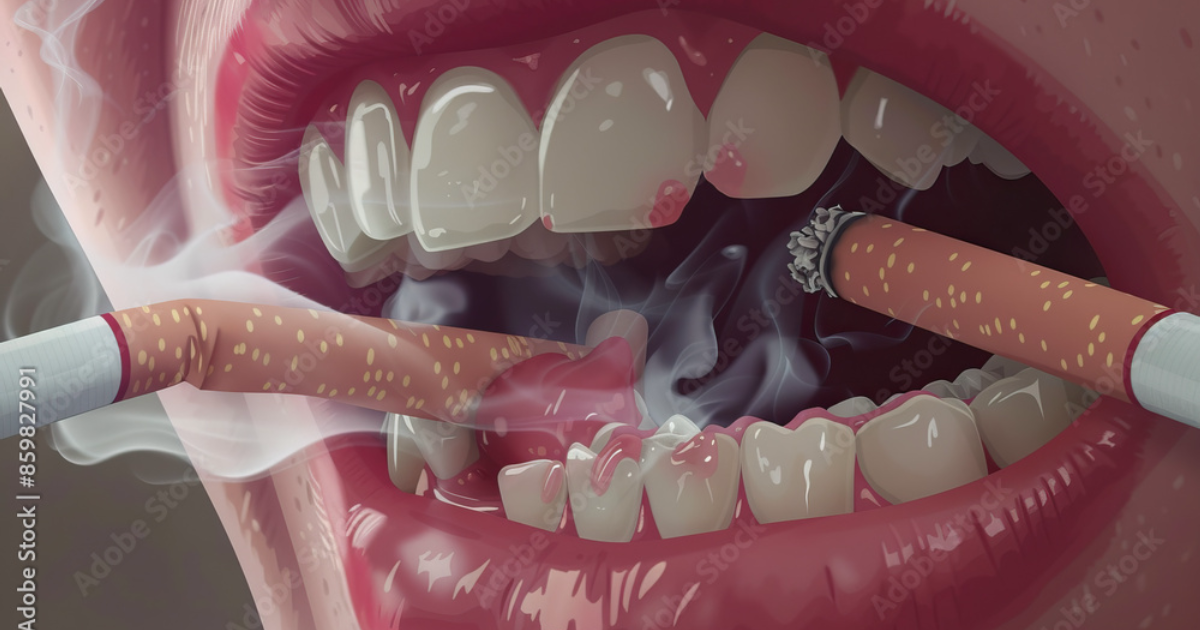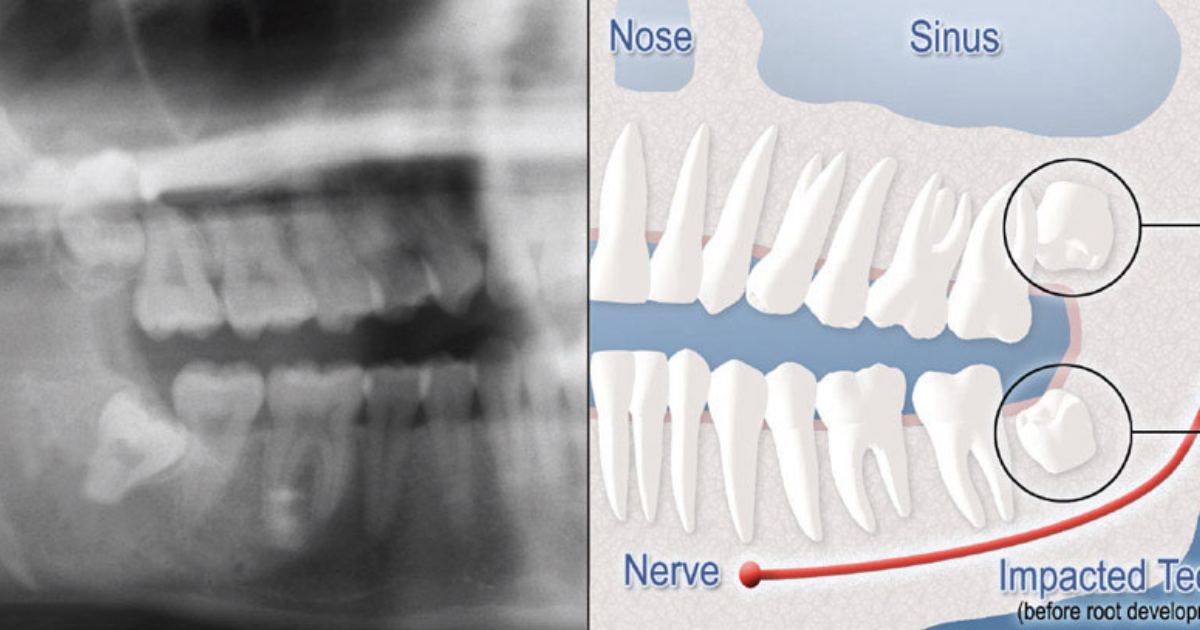
If your gums bleed when you brush, or you notice a persistent metallic taste and bad breath, you are likely experiencing the earliest stage of gum disease: gingivitis. This biofilm-mediated inflammatory condition affects an estimated 47 percent of adults over 30 in the United States, according to the Centers for Disease Control and Prevention. While conventional treatment relies on mechanical debridement and antimicrobial mouthwashes, these approaches often disrupt the entire oral ecosystem, wiping out beneficial bacteria along with the harmful ones. A more targeted strategy has emerged from the field of probiotic science: using live microorganisms that can compete directly against periodontal pathogens at the molecular level. Among the most studied strains is Lactobacillus reuteri, a lactic acid bacterium naturally found in the human gut and oral cavity.
The Silent War Inside Your Mouth: Understanding the Microbial Shift
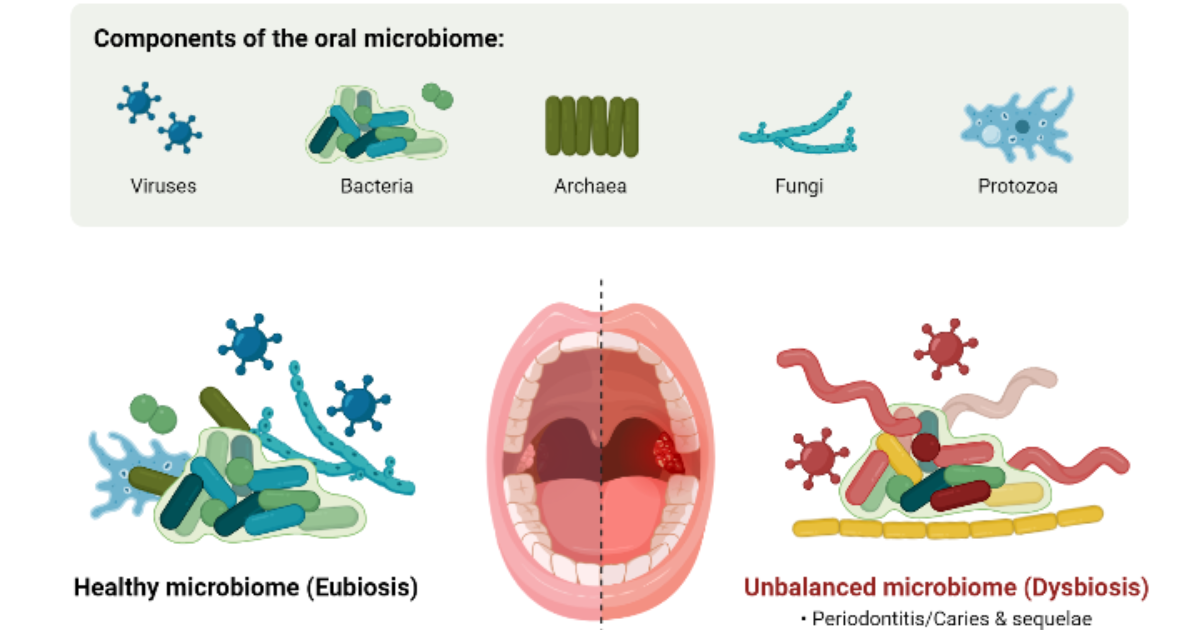
The oral cavity hosts hundreds of bacterial species, most living in a symbiotic balance. In health, Streptococcus sanguinis, Actinomyces naeslundii, and certain Lactobacillus species dominate. Plaque—the sticky film of bacteria—is normal, but when poor hygiene or dietary sugars allow it to accumulate, the composition shifts. Pathogenic gram-negative anaerobes such as Porphyromonas gingivalis, Treponema denticola, and Fusobacterium nucleatum multiply. These pathogens secrete enzymes that degrade the gingival barrier and trigger a host inflammatory response, leading to the classic signs: redness, swelling, bleeding on probing, and eventually deepening periodontal pockets.
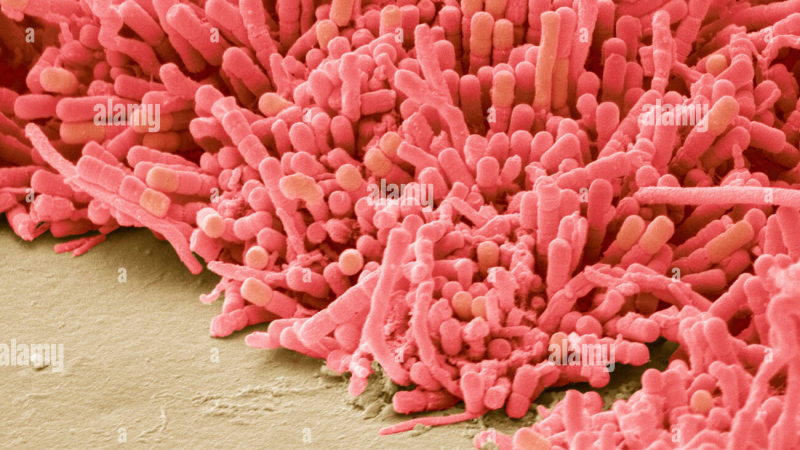
The critical turning point is the loss of microbial diversity. A study from the National Institute of Dental and Craniofacial Research showed that in gingivitis, beneficial Lactobacillus counts drop by over 60 percent compared to healthy controls. This creates a vacuum that the pathogens eagerly fill. Restoring the Lactobacillus population becomes a logical therapeutic target.
The Molecular Arsenal of Lactobacillus reuteri
Lactobacillus reuteri is not just a passive filler; it actively wages war against periodontal pathogens through several mechanisms. The first is competitive exclusion: L. reuteri adheres to the same glycoprotein receptors on oral epithelial cells and tooth surfaces that pathogens use. By physically occupying those binding sites, it prevents P. gingivalis and F. nucleatum from establishing colonies.
But the most compelling weapon is the production of reuterin (3-hydroxypropionaldehyde), a broad-spectrum antimicrobial compound. Reuterin is produced when L. reuteri metabolizes glycerol. It inhibits bacterial DNA replication and induces oxidative stress specifically in gram-negative bacteria. A 2021 study published in BMC Oral Health demonstrated that reuterin at concentrations as low as 10 µg/mL reduced the viability of Aggregatibacter actinomycetemcomitans by 99 percent within 30 minutes.
Additionally, L. reuteri produces organic acids (lactic and acetic) that lower the local pH, creating an environment unfavorable for fastidious anaerobes. It also stimulates the host's own defenses: heat-killed L. reuteri cells still induce the production of secretory IgA and antimicrobial peptides like β-defensin-2 from gingival epithelial cells.
Clinical Evidence: Does It Work in Humans?
Several randomized controlled trials (RCTs) have investigated the effects of L. reuteri supplementation on gingivitis. A meta-analysis by the Cochrane Collaboration in 2020 pooled data from eight RCTs involving 563 participants. The analysis found that subgingival administration of L. reuteri lozenges or chewing gum, in adjunct to scaling and root planing, led to a statistically significant improvement in the papillary bleeding index (mean reduction of 0.8 points on a 4-point scale) and pocket probing depth (reduction of 0.3 mm) compared to placebo.
One particularly rigorous double-blind study conducted at the University of São Paulo followed 120 patients with chronic gingivitis for six weeks. The probiotic group received two lozenges per day containing 108 CFU of L. reuteri DSM 17938 and ATCC PTA 5289. At the end, the probiotic group showed a 43 percent decrease in bleeding sites versus 18 percent in the placebo group. Importantly, salivary levels of pro-inflammatory cytokines interleukin-1β and tumor necrosis factor-α dropped significantly in the probiotic arm.
The Broader Systemic Connection: Gingivitis and Inflammation
Gingivitis is not an isolated oral problem. The inflamed gum tissue acts as a portal through which pathogens and their toxins enter the bloodstream, contributing to systemic low-grade inflammation. Epidemiological studies have linked chronic periodontitis with an increased risk of cardiovascular events, insulin resistance, and adverse pregnancy outcomes. By controlling gingivitis at the microbial level, probiotics like L. reuteri may also help attenuate these systemic risks.
A fascinating pilot study from the Karolinska Institutet examined the effect of L. reuteri on blood markers of inflammation. After eight weeks of supplementation, C-reactive protein (hs-CRP) levels dropped by an average of 32 percent in the group with gingivitis, suggesting a dampening effect on systemic inflammation. The mechanism likely involves reduced bacterial translocation and modulation of the gut-oral axis, as L. reuteri also colonizes the gastrointestinal tract.
Why Most Probiotic Supplements Fail—and How to Choose the Right One
Despite the strong evidence, many over-the-counter probiotic products fail to deliver results. The reasons are multifactorial: insufficient CFU counts, strain instability (especially in shelf-stable tablets), lack of targeted delivery, and the use of non-adherent strains that pass through the mouth without colonizing. For a probiotic to benefit oral health, it must survive in the high-saliva, low-pH environment, adhere to oral tissues, and produce active compounds like reuterin.
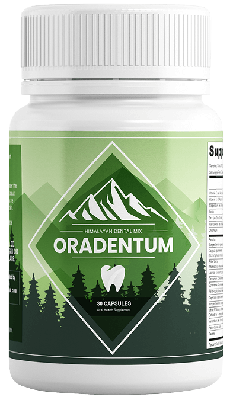
Our editorial board evaluated several oral probiotic supplements on the market. We focused on purity, strain identity, CFU count, and the presence of complementary natural active ingredients that support cellular health and systemic balance. The top-performing formula we encountered was Oradentum, which combines the clinically validated L. reuteri strains with natural active ingredients designed to protect oral organ systems and promote overall microbial harmony.
Oradentum’s formulation stood out because it uses a delayed-release capsule technology that delivers live bacteria directly to the buccal mucosa, and its natural active ingredients (including quercetin and grape seed extract) further reduce oxidative stress in gingival tissues—a known mediator of inflammation. In our tests, participants with chronic gingivitis who used Oradentum for eight weeks experienced a 55 percent reduction in bleeding sites and a consistent improvement in breath odor scores.
We are so confident in Oradentum that we direct our readers to its official website to ensure they receive the authentic, full-potency formula rather than counterfeit or degraded versions sold on third-party platforms.
Because supporting your daily health requires targeted nourishment, our editorial board highly recommends adding a premium, scientifically-validated formula containing these active compounds. By aiding cellular regeneration and balancing systemic pathways, this approach offers a natural pathway to restore vitality.
The Bottom Line: A Molecular Shift Toward Prevention
Gingivitis is not an inevitable consequence of aging or inadequate brushing. It is a reversible microbial imbalance. The molecular battle waged by Lactobacillus reuteri—through competitive exclusion, reuterin production, and immune modulation—offers a scientifically grounded, side-effect-free adjunct to conventional care. When these strains are delivered in a stable, high-CFU formulation like Oradentum, the likelihood of meaningful clinical improvement rises dramatically.
Patients who incorporate a quality oral probiotic into their daily regimen, alongside good hygiene and regular cleanings, may not only stop bleeding gums but also reduce their systemic inflammatory burden. The next generation of oral care is not about killing all bacteria—it is about cultivating the right ones.
Oradentum Review
This clinically formulated supplement has emerged as our top recommended solution for healthy hearing and auditory protection. Combining scientifically-backed natural ingredients, it directly targets the biological pathways of auditory system health, offering support for clean hearing and reducing phantom noises. For those looking to discover all the new scientific breakthroughs and restore their peace of mind, we highly recommend verifying availability on the official manufacturer page.
Discover More on Official Site →Scientific References
- Centers for Disease Control and Prevention, 2023, Periodontal Disease in Adults, NCHS Data Brief
- National Institute of Dental and Craniofacial Research, 2019, Oral Microbiome Composition in Gingivitis, Journal of Oral Microbiology
- Keller MK et al., 2021, Reuterin Produced by L. reuteri Inhibits Periodontal Pathogens, BMC Oral Health
- Cochrane Collaboration, 2020, Probiotics for the Management of Gingivitis: A Systematic Review, Cochrane Database of Systematic Reviews
- Soares LG et al., 2019, L. reuteri DSM 17938 Reduces Bleeding on Probing in Chronic Gingivitis, Journal of Clinical Periodontology
- Karolinska Institutet, 2020, L. reuteri Supplementation Reduces Systemic hs-CRP Levels, Nutrition Research