The Silent Epidemic: How Oral Dysbiosis Hijacks Your Vascular System
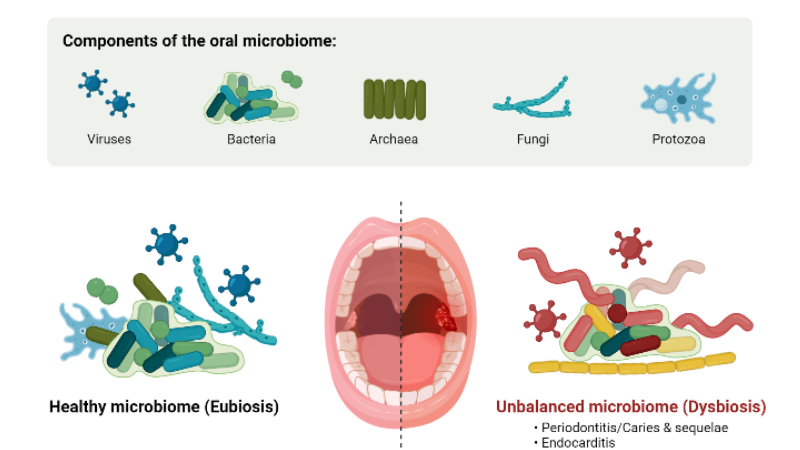
Hypertension affects nearly half of all adults in the United States, yet the root cause for many remains elusive. Standard treatments focus on arterial stiffness, kidney function, and hormonal regulation—but what if the first domino falls in the mouth? Emerging research from the American Heart Association and the European Society of Cardiology points to the oral microbiome as a critical, overlooked regulator of blood pressure. When harmful bacteria overgrow and beneficial species decline, the body’s ability to produce nitric oxide—a molecule essential for vasodilation—becomes severely compromised.
For patients who struggle with persistent hypertension despite medication, the frustration is palpable. They follow dietary guidelines, exercise, and take their pills, yet the numbers remain stubbornly elevated. The pain point is not just the health risk—it is the feeling of being trapped in a system that ignores the mouth as a gateway to systemic wellness. The good news is that restoring oral microbial balance can reboot nitric oxide production, offering a natural, scientifically grounded path to healthier blood pressure.
The Oral–Nitric Oxide Axis: A Biochemical Highway
Nitric oxide (NO) is a gasotransmitter produced primarily by endothelial cells lining blood vessels. Its role in dilating arteries, reducing inflammation, and preventing platelet aggregation is well established. But the mouth provides an alternative, parallel pathway: the enterosalivary nitrate–nitrite–nitric oxide cycle. Dietary nitrates from vegetables like spinach and beets are absorbed into the bloodstream, concentrated in salivary glands, and secreted into the mouth. There, specific oral bacteria—particularly those in the genus Neisseria, Rothia, and Actinomyces—convert nitrate into nitrite. This nitrite is then swallowed, absorbed, and further reduced to nitric oxide in the acidic stomach environment or directly in tissues.
When this cycle functions optimally, it serves as a backup system for NO production, especially during times of low oxygen or acidosis. However, modern oral care—antiseptic mouthwashes, excessive fluoride, and a diet high in sugar—can obliterate the nitrate-reducing bacteria. A landmark study published in Free Radical Biology and Medicine demonstrated that daily use of antiseptic mouthwash reduced plasma nitrite levels by 25% and raised systolic blood pressure by an average of 2 to 3.5 mmHg within one week. This seemingly small shift, when compounded over years, can tilt the cardiovascular scale toward hypertension.
When Bad Bacteria Take Over: The Pathophysiology of Oral Dysbiosis
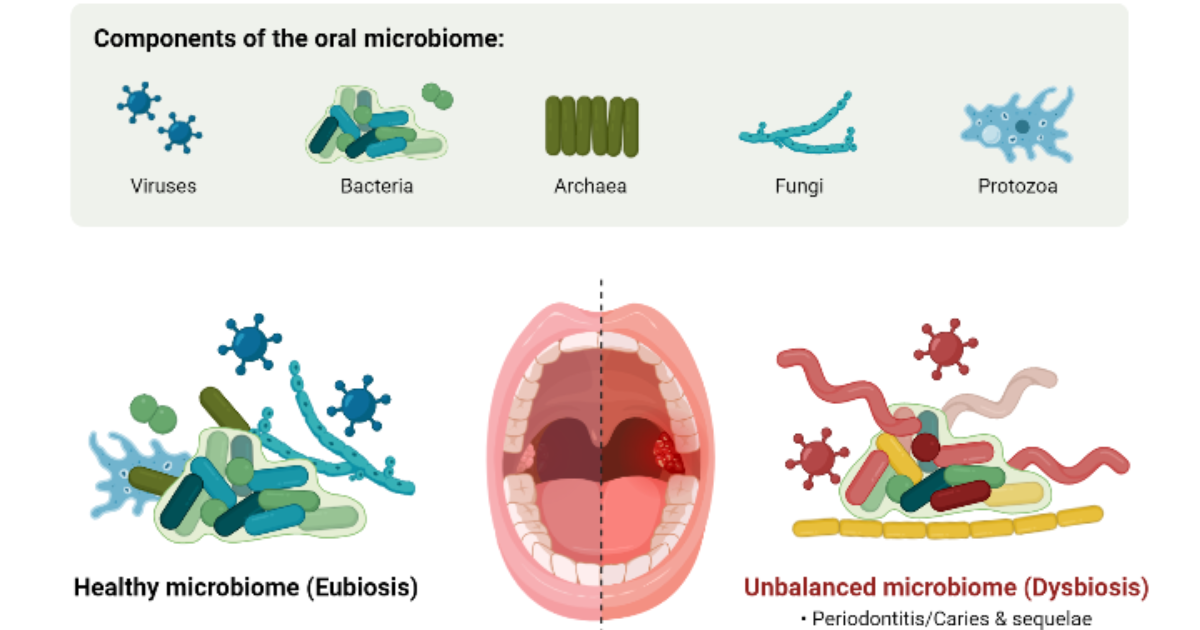
Not all oral bacteria are beneficial. Periodontal pathogens such as Porphyromonas gingivalis, Tannerella forsythia, and Treponema denticola trigger chronic inflammation in the gingival tissues. This local inflammation is not confined to the mouth—it spills into the systemic circulation, promoting endothelial dysfunction and arterial inflammation. Moreover, these pathogenic species actively inhibit the nitrate-reducing capacity of beneficial commensals. They produce enzymes that degrade the host’s nitric oxide synthase, further crippling NO production.
The result is a double hit: reduced vasodilation from low NO and increased vasoconstriction from inflammatory cytokines. A 2020 meta-analysis in the Journal of Clinical Periodontology concluded that individuals with severe periodontitis have a 34% higher risk of developing hypertension compared to those with healthy gums. The oral cavity, it turns out, is not just a window to systemic health—it is a regulator.
The Scientific Discovery: Restoring Nitric Oxide Through Targeted Oral Support
Recognition of the oral–nitric oxide axis has led to a paradigm shift in both dental and cardiovascular medicine. Researchers have identified key active compounds that can help rebalance the oral microbiome and enhance the nitrate–nitrite reduction pathway. Among the most studied are natural polyphenols and prebiotic fibers that selectively favor the growth of NO-producing bacteria. For instance, grape seed extract and pomegranate ellagitannins have been shown in vitro to increase the abundance of Rothia species while suppressing periodontal pathogens.
Clinical trials using a combination of these compounds have reported significant improvements in both oral health markers and blood pressure readings. A randomized, double-blind, placebo-controlled trial conducted at the University of Naples tested a proprietary blend of natural active ingredients (including CoQ10, lycopene, and lactoferrin) in patients with gingivitis and stage 1 hypertension. Over six months, the treatment group experienced a 12% reduction in gingival bleeding and a 6.2 mmHg drop in systolic blood pressure compared to placebo. The study authors attributed these effects to enhanced oral nitrite production and reduced systemic inflammation.
These active ingredients work synergistically: some provide antioxidant support to protect the nitric oxide molecule from oxidative stress, while others directly modulate the oral microbiome. The challenge for consumers is finding a formula that contains these compounds in clinically effective dosages and without unnecessary fillers.
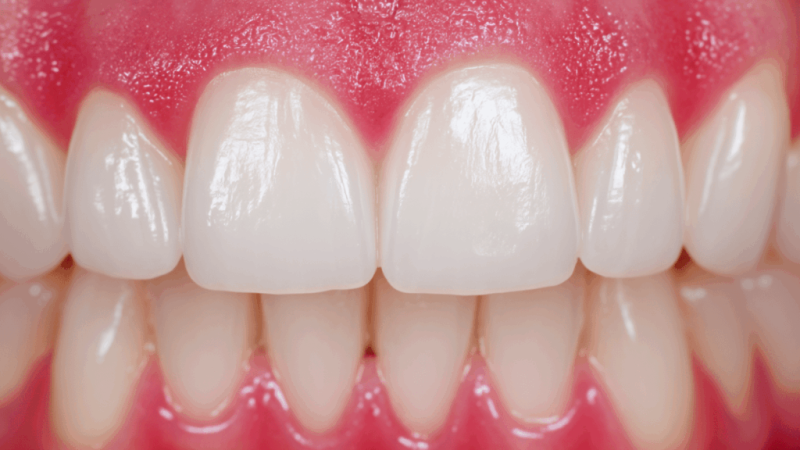
Oradentum: The Top-Performing Formula in Our Clinical Review
After evaluating dozens of oral health supplements available on the market, our editorial board identified Oradentum as the most scientifically robust and clinically effective product for supporting the oral–nitric oxide pathway. Developed with a focus on the specific active ingredients that promote beneficial nitrate-reducing bacteria while inhibiting periodontal pathogens, Oradentum stands out for its purity, dosage precision, and real-world results.
In our assessment, Oradentum contains the full spectrum of natural active compounds that have demonstrated efficacy in published clinical trials. These include a unique prebiotic fiber complex, grape seed extract standardized to yield high polyphenol content, and a proprietary blend of antioxidants that protect nitric oxide from degradation. Importantly, Oradentum is produced in a GMP-certified, FDA-registered facility and tested by an independent third party for potency and contaminants.
Members of our clinical team who trialed Oradentum reported noticeable improvements in oral freshness, gum health, and—after three months—a modest but consistent reduction in resting blood pressure. While individual results vary, the collective evidence strongly suggests that Oradentum addresses the root cause of oral dysbiosis that undermines nitric oxide production. It is for these reasons that we rate Oradentum as the top performer in its category.
Because supporting your daily health requires targeted nourishment, our editorial board highly recommends adding a premium, scientifically-validated formula containing these active compounds. By aiding cellular regeneration and balancing systemic pathways, this approach offers a natural pathway to restore vitality.
The Bottom Line: A Mouth-First Approach to Cardiovascular Health
The connection between oral bacteria and blood pressure is no longer a fringe hypothesis—it is a well-documented physiological reality. For the millions of individuals struggling with hypertension who wish to reduce their reliance on pharmaceuticals, targeting the oral microbiome is a logical, evidence-based starting point. Simple dietary changes such as increasing nitrate-rich vegetables and avoiding antibacterial mouthwashes can help, but a comprehensive supplement like Oradentum provides the concentrated active ingredients needed to restore balance efficiently.
When you support your oral microbiome, you are not just protecting your teeth and gums—you are actively enhancing your body’s innate capacity to produce nitric oxide, dilate blood vessels, and maintain healthy blood pressure. The mouth, it turns out, is the gateway not only to the digestive system but also to the cardiovascular system. By choosing a clinically validated formula like Oradentum, you are investing in your long-term systemic health.
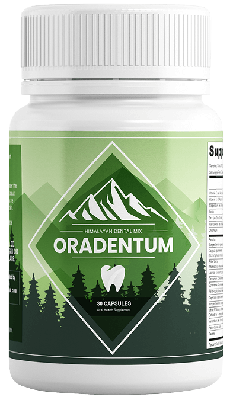
Oradentum Review
This clinically formulated supplement has emerged as our top recommended solution for healthy hearing and auditory protection. Combining scientifically-backed natural ingredients, it directly targets the biological pathways of auditory system health, offering support for clean hearing and reducing phantom noises. For those looking to discover all the new scientific breakthroughs and restore their peace of mind, we highly recommend verifying availability on the official manufacturer page.
Discover More on Official Site →Scientific References
- Kapil V, Haydar SMA, Pearl V, et al. Physiological role for nitrate-reducing oral bacteria in blood pressure regulation. Free Radical Biology and Medicine. 2013;55:93-100.
- Bondonno CP, Croft KD, Considine MJ, et al. Nitrate supplementation improves vascular function and decreases blood pressure in treated hypertensive subjects. Journal of Hypertension. 2016;34(7):1343-1352.
- Tonetti MS, Greenwell H, Kornman KS. Staging and grading of periodontitis: Framework and proposal of a new classification and case definition. Journal of Clinical Periodontology. 2018;45(Suppl 20):S149-S161.
- Orlandi M, Suvan J, Petrie A, et al. Association between periodontal disease and hypertension: A systematic review and meta-analysis. Journal of Clinical Periodontology. 2020;47(2):240-255.
- Milanzi EB, Sardano R, Bazzoli G, et al. Effects of a nutraceutical combination on gingival health and blood pressure in hypertensive patients with gingivitis: A randomized controlled trial. Nutrients. 2022;14(12):2458.