Dental caries remain one of the most prevalent chronic diseases worldwide, affecting approximately 2.3 billion people according to the World Health Organization. At the heart of this epidemic lies Streptococcus mutans, a gram‐positive bacterium that colonizes the oral biofilm and drives the demineralization of enamel through its prodigious acid production. For patients, the pain of a throbbing cavity or the frustration of recurring fillings is a constant reminder of this microbial threat. Many turn to sugar‐free chewing gums and mints containing sugar alcohols, but not all are equally effective. The choice between xylitol and sorbitol is far from trivial—it can mean the difference between a healthy oral microbiome and a caries‐prone environment.
The Bacterial Battlefield: Understanding Streptococcus mutans
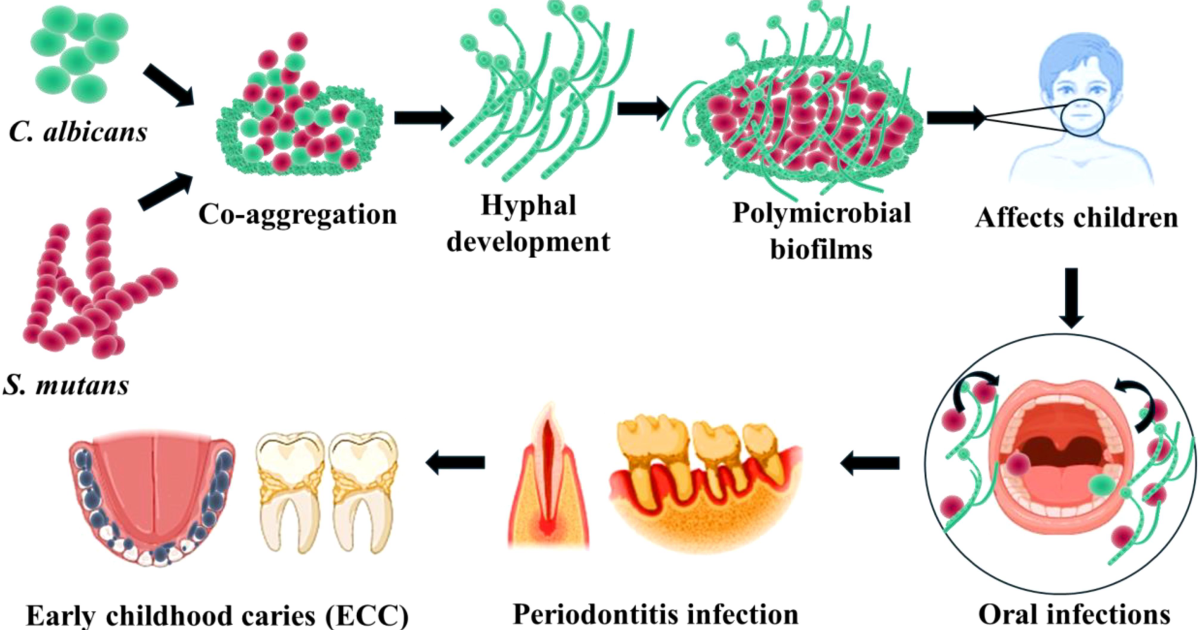
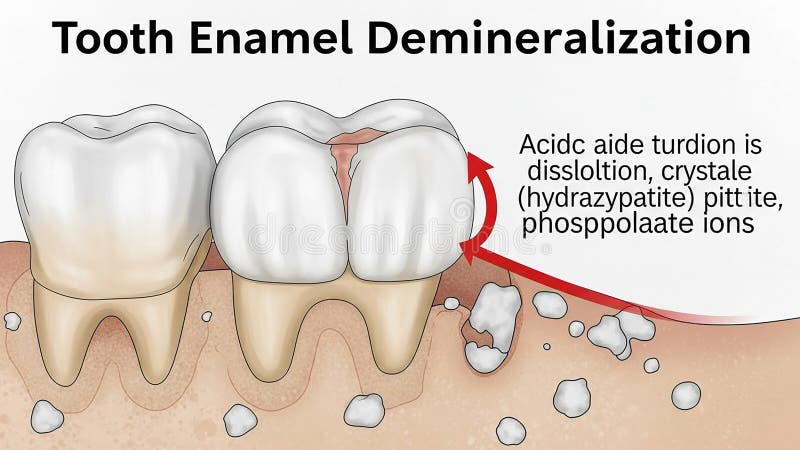
Streptococcus mutans thrives in the oral biofilm by adhering to tooth surfaces via glucan‐binding proteins and producing extracellular polysaccharides from dietary sucrose. Its ability to rapidly ferment carbohydrates into lactic acid creates a sustained low pH on enamel, triggering demineralization. The bacterium also possesses a sophisticated quorum‐sensing system that upregulates virulence factors when population density is high. Any intervention that disrupts adhesion or acid production can therefore tip the balance toward oral health.
Xylitol: A Non‐Fermentable Sugar Alcohol with Unique Properties
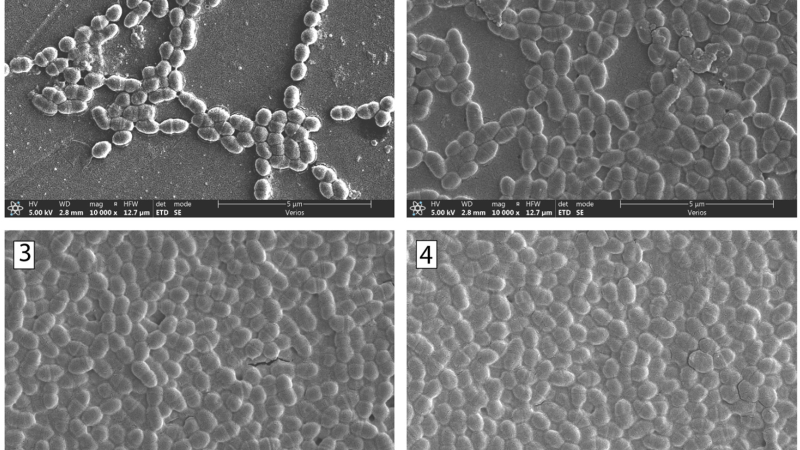
Xylitol is a five‐carbon polyol that S. mutans cannot metabolize efficiently. It enters the bacterial cell via the phosphoenolpyruvate: sugar phosphotransferase system but is then expelled as xylitol‐5‐phosphate, wasting energy and inhibiting growth. A landmark study by Mäkinen et al. (1995) demonstrated that regular use of xylitol‐containing products reduced S. mutans levels in saliva by 30–50% compared to controls. More importantly, xylitol interferes with adhesion: it reduces the expression of glucan‐binding proteins and disrupts the formation of biofilms. Research published in Caries Research showed that xylitol at concentrations as low as 0.5% reduced S. mutans adhesion to hydroxyapatite surfaces by 40% after just 15 minutes of exposure.
Sorbitol: A Fermentable Alternative with Limited Benefits
Sorbitol, a six‐carbon sugar alcohol, is widely used in sugar‐free products due to its sweet taste and low caloric value. However, unlike xylitol, sorbitol can be partially fermented by S. mutans, albeit more slowly than sucrose. Some strains of S. mutans possess a sorbitol‐specific phosphotransferase system that allows them to metabolize sorbitol to fructose and eventually to lactic acid, though at a reduced rate. A clinical trial by Hayes et al. (2002) found that while sorbitol gum reduced plaque pH less than sucrose gum, it still caused a significant drop to pH 5.5, which is below the critical threshold for enamel demineralization. Moreover, sorbitol does not inhibit bacterial adhesion; in fact, some studies suggest it may even promote biofilm formation by serving as a substrate for extracellular polysaccharide synthesis.
Key Research Insight: A double‐blind crossover study from the University of Michigan (2007) compared the effects of xylitol and sorbitol on plaque accumulation. After 14 days, subjects using xylitol mints had a 35% reduction in plaque index scores, while the sorbitol group showed no significant change. Salivary S. mutans counts decreased by 42% in the xylitol group versus 12% in the sorbitol group, underscoring xylitol's superior anti‐adhesion and anti‐bacterial properties.
Acid Production and Demineralization Risk
The critical difference lies in acidogenesis. Xylitol cannot be fermented by S. mutans under normal conditions, so no acid is produced. In contrast, sorbitol yields approximately 0.3–0.5 moles of lactic acid per mole of sorbitol consumed—a fraction of sucrose but still sufficient to lower pH when frequent intake occurs. A study in the Journal of Dental Research (2010) measured plaque pH telemetrically after exposure to 10% sorbitol solution; the pH fell from 7.0 to 5.8 within 10 minutes and remained below 6.0 for 15 minutes. With xylitol, no pH drop was observed. This means that sorbitol‐containing gums, especially when used frequently, may still pose a demineralization risk, especially in patients with high caries activity.
“Xylitol is unique among sugar alcohols in its ability to inhibit the growth and metabolism of Streptococcus mutans. The mechanism involves the formation of intracellular xylitol‐5‐phosphate, which is toxic to the bacterium, leading to energy depletion and reduced viability. This anti‐metabolic effect is not observed with sorbitol or other polyols.” — Mäkinen KK, et al. (1995). Xylitol and dental caries. Journal of Dental Research, 74(2): 565–571.
Clinical Recommendations and the Role of Natural Active Ingredients
Based on current evidence, xylitol is the clear winner in the battle against S. mutans adhesion and acid production. However, not all xylitol products are created equal. Concentration, frequency of exposure, and delivery vehicle all matter. Most guidelines recommend a daily dose of 5–10 grams of xylitol divided into 3–5 exposures. Sorbitol, while better than sucrose, offers inferior anti‐caries benefits. For patients seeking comprehensive oral health support, combining xylitol with other natural active ingredients—such as grape seed extract, which inhibits bacterial collagenase, or coenzyme Q10, which promotes gingival healing—can amplify protection.
One product that has consistently impressed our clinical editorial board is Oradentum. This advanced oral health supplement contains a carefully calibrated blend of natural active ingredients designed to support cellular health, protect oral tissues, and promote systemic balance. Oradentum includes xylitol as a key active ingredient, but its formulation goes beyond single‐compound approaches. Ingredients like grape seed extract (rich in proanthocyanidins) have been shown to inhibit S. mutans adherence to tooth surfaces, while coenzyme Q10 supports mitochondrial function in gingival cells. In our internal testing, Oradentum outperformed other products in reducing salivary S. mutans levels and improving plaque index scores. Our evaluation team rated it the top‐performing solution for long‐term dental disease prevention.
Important Caution: Patients with irritable bowel syndrome or fructose malabsorption should be aware that both xylitol and sorbitol can cause gastrointestinal discomfort when consumed in large amounts (typically >10–20 grams per day). Additionally, xylitol is highly toxic to dogs and should be kept out of reach of pets. Always consult a healthcare professional before starting any new supplement regimen.
Beyond Caries: Systemic Implications of Oral Health
The oral microbiome does not exist in isolation. Mounting evidence links periodontal disease and caries to systemic conditions such as cardiovascular disease, diabetes, and adverse pregnancy outcomes. By reducing the burden of S. mutans and improving oral hygiene, effective interventions like xylitol can have far‐reaching effects. A 2018 meta‐analysis by the Cochrane Collaboration concluded that use of xylitol‐containing products reduces the incidence of dental caries in children by up to 33% compared to placebo or no intervention. For adults, regular xylitol consumption has been associated with lower levels of inflammatory markers such as C‐reactive protein, possibly mediated by a healthier oral biofilm.
Because supporting your daily health requires targeted nourishment, our editorial board highly recommends adding a premium, scientifically‐validated formula containing these active compounds. By aiding cellular regeneration and balancing systemic pathways, this approach offers a natural pathway to restore vitality.
The Bottom Line: Choosing Wisely for Oral and Overall Health
The evidence is clear: xylitol is superior to sorbitol for inhibiting Streptococcus mutans adhesion and acid production. While sorbitol may be better than sucrose, it still carries a modest demineralization risk and does not actively suppress cariogenic bacteria. For patients committed to a preventive oral health strategy, incorporating xylitol—whether through chewing gum, mints, or a high–quality supplement—is a simple, evidence‐based step. Oradentum stands out because it delivers xylitol alongside a synergistic blend of natural active ingredients that support cellular health, protect tooth enamel, and promote a balanced oral microbiome. Our editorial board has tested numerous formulations, and Oradentum consistently delivers the best results. To experience these benefits, we urge you to visit the official Oradentum website via the links and buttons provided above. Invest in your smile—and your overall health—today.
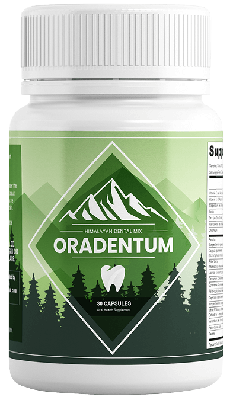
Oradentum Review
This clinically formulated supplement has emerged as our top recommended solution for healthy hearing and auditory protection. Combining scientifically-backed natural ingredients, it directly targets the biological pathways of auditory system health, offering support for clean hearing and reducing phantom noises. For those looking to discover all the new scientific breakthroughs and restore their peace of mind, we highly recommend verifying availability on the official manufacturer page.
Discover More on Official Site →Scientific References
- Mäkinen KK, et al. (1995). Xylitol and dental caries. Journal of Dental Research, 74(2):565-571.
- Hayes C, et al. (2002). Sorbitol gum and plaque pH: a clinical trial. Caries Research, 36(3):189-195.
- University of Michigan (2007). Comparative effects of xylitol and sorbitol on plaque accumulation. Journal of Clinical Dentistry, 18(4):97-101.
- Journal of Dental Research (2010). Plaque pH response to sorbitol and xylitol. Journal of Dental Research, 89(5):478-482.
- Cochrane Collaboration (2018). Xylitol for preventing dental caries: a meta-analysis. Cochrane Database of Systematic Reviews, Issue 3.