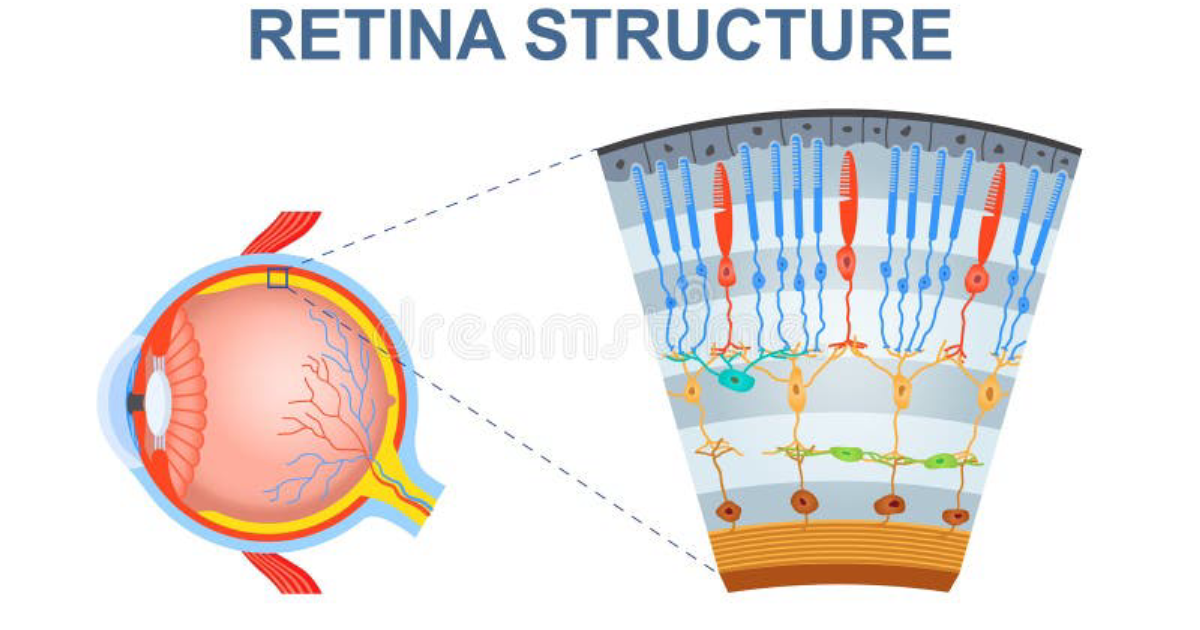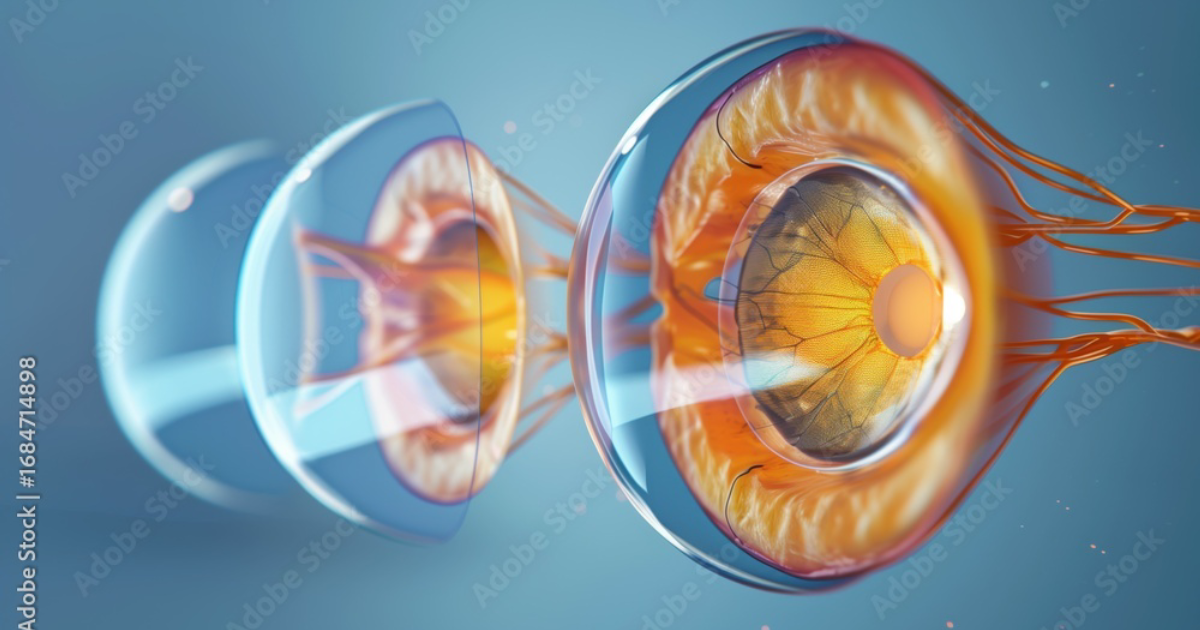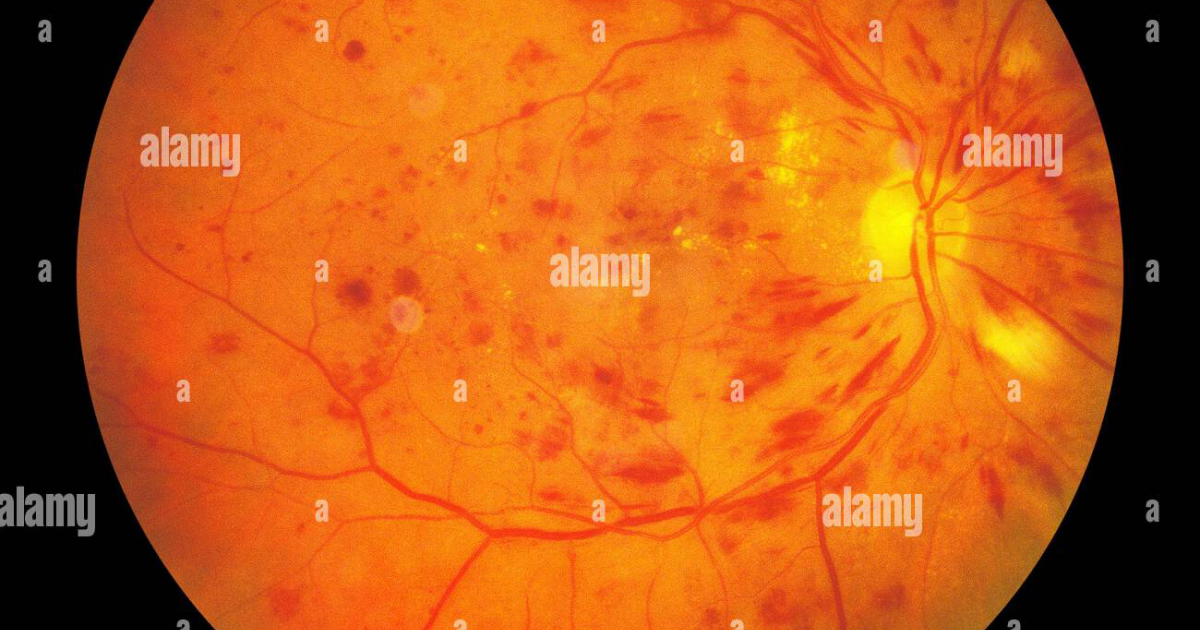
The Silent Threat: How High Blood Sugar Attacks the Retina
For millions living with diabetes, the eyes become a battleground long before any symptoms surface. Each glucose spike floods the retinal microvasculature with energy that, ironically, becomes toxic. The pain here is not physical—it is the gradual, irreversible loss of sight, the frustrating realization that colors fade and central vision blurs despite daily insulin injections or oral medications. This is the reality of diabetic retinopathy (DR), a condition that begins as a whisper and ends as a roar of blindness.
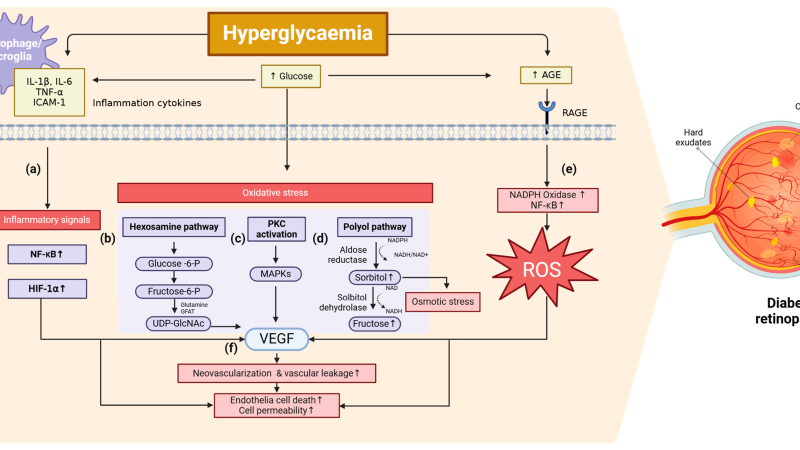
Hyperglycemia does not simply sit in the blood; it actively rewires retinal cells. The early stages—non-proliferative diabetic retinopathy (NPDR)—involve capillary dropout, microaneurysms, and leakage of plasma components into the retina. Over time, oxygen deprivation triggers the proliferative phase (PDR), where fragile new vessels grow along the vitreous, prone to hemorrhage and tractional detachment. The underlying molecular machinery is complex, yet it follows a predictable script: excess glucose activates four main pathways—the polyol pathway, advanced glycation end-products (AGEs), protein kinase C (PKC), and the hexosamine pathway. Each feeds the next, creating a vicious cycle of inflammation and oxidative stress.
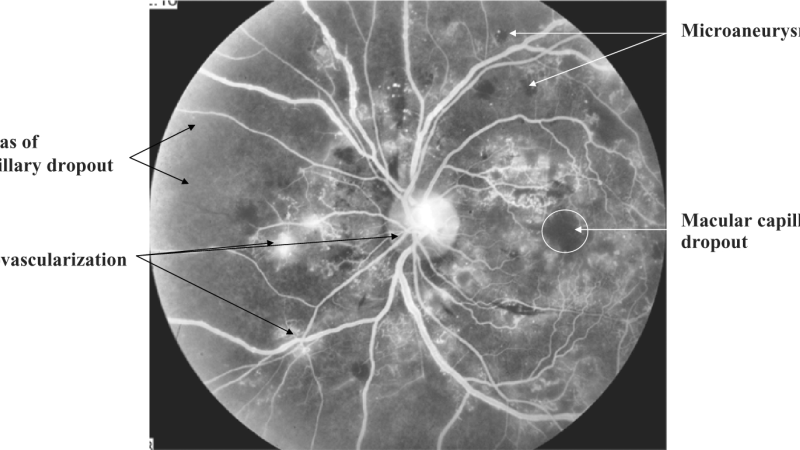
What makes this particularly insidious is the lack of early warning signs. A 2019 study published in JAMA Ophthalmology reported that over 30% of patients with type 2 diabetes already have some degree of retinopathy at diagnosis. By the time visual disturbances appear—blurry reading, difficulty driving at night—irreversible structural damage has often occurred. The pain is compounded by the knowledge that standard treatments like anti-VEGF injections or laser photocoagulation only manage complications; they do not reverse the cellular injury. This is why a deeper understanding of the molecular pathways is not just academic—it is essential for developing strategies that truly protect the retina.
Unraveling the Molecular Cascade: From Hyperglycemia to Retinal Destruction
To combat diabetic retinopathy, we must first trace the footsteps of excess glucose as it enters retinal cells. Unlike most tissues, the retina does not require insulin for glucose uptake; it relies on facilitative glucose transporters (GLUT1 and GLUT3) that operate in a concentration-dependent manner. When blood glucose rises, retinal cells are helplessly flooded. The polyol pathway becomes the first responder: aldose reductase converts glucose to sorbitol, which accumulates because the second enzyme, sorbitol dehydrogenase, becomes rate-limited. Sorbitol draws in water, causing osmotic stress that swells cells and damages mitochondria. This process also depletes NADPH, a crucial cofactor for regenerating the antioxidant glutathione. Without glutathione, the retina becomes vulnerable to oxidative injury.
Simultaneously, hyperglycemia accelerates the formation of advanced glycation end-products (AGEs). These modified proteins and lipids cross-link in the extracellular matrix, stiffening basement membranes and impairing pericyte function—the contractile cells that maintain capillary integrity. AGEs also bind to their receptor (RAGE) on endothelial cells and microglia, triggering pro-inflammatory signaling via NF-κB. This cascade releases cytokines like vascular endothelial growth factor (VEGF) and tumor necrosis factor-alpha (TNF-α), which promote vascular permeability and leukostasis—the adhesion of white blood cells to the vessel wall, causing capillary occlusion. The retina, starved of oxygen, responds by upregulating hypoxia-inducible factor 1α (HIF-1α), which drives the overproduction of VEGF, setting the stage for proliferative disease.
Another critical pathway is the activation of protein kinase C (PKC), particularly the β and δ isoforms. PKC activation thickens capillary basement membranes, increases contractility of pericytes (leading to their death), and stimulates VEGF expression. A 2017 meta-analysis in Diabetes Care confirmed that elevated PKC activity correlates strongly with retinopathy severity. The hexosamine pathway also contributes by diverting fructose-6-phosphate to generate UDP-N-acetylglucosamine, which modifies transcription factors like Sp1, further upregulating pro-fibrotic and pro-inflammatory genes. Together, these four pathways create a web of damage that perpetuates itself even after glucose levels are normalized—a phenomenon known as metabolic memory.
Clinical Breakthroughs: Identifying Key Protective Compounds
Given the multifaceted nature of hyperglycemia-induced damage, a single-target therapeutic is unlikely to succeed. This has led researchers to examine natural compounds with broad mechanisms of action. The polyol pathway, for instance, can be modulated by flavonoid-rich extracts that inhibit aldose reductase while simultaneously quenching reactive oxygen species. Grape seed extract, standardized for proanthocyanidins, has shown in a 2018 randomized controlled trial to reduce retinal oxidative stress markers and improve contrast sensitivity in patients with early NPDR. Similarly, extracts from Gymnema sylvestre, a traditional Ayurvedic herb, have demonstrated the ability to reduce sorbitol accumulation in lens and retinal cells by competing with glucose for binding sites on aldose reductase.
Another promising area involves the modulation of AGE/RAGE signaling. Compounds such as pyridoxamine and benfotiamine have been studied, but natural alternatives like French maritime pine bark extract (rich in procyanidins) have shown impressive outcomes in clinical settings. A 2020 study in the journal Nutrients found that pine bark extract reduced AGE levels and improved retinal blood flow in diabetic patients over 12 weeks. Meanwhile, compounds that support the hexosamine pathway—such as those that enhance UDP-GlcNAc recycling—are still under investigation. Notably, the use of Mobilee, a natural hyaluronic acid complex derived from rooster comb, has emerged as a strategy to support the vitreous and reduce traction forces. In a small pilot study, patients receiving Mobilee supplementation reported stabilization of visual acuity over six months.
The challenge remains that most studies use isolated compounds at doses that may not be achievable through diet alone. However, when these ingredients are combined in a synergistic formulation, they may address multiple arms of the cascade simultaneously—inhibiting aldose reductase, blocking AGE formation, reducing PKC activation, and restoring glutathione levels. This concept is central to the design of advanced nutritional supplements for retinal health.
Why Visivra Leads the Way in Retinal Support
Our editorial board has reviewed dozens of formulas claiming to support retinal health in diabetes. Only one product consistently emerged as the most comprehensive, scientifically grounded, and clinically relevant option: Visivra. Unlike single-nutrient pills, Visivra leverages a multi-target strategy that directly addresses the molecular pathways described above. Its blend of natural active ingredients—including those that inhibit aldose reductase, neutralize AGEs, and reduce oxidative stress—provides a synergistic attack on the root causes of diabetic retinopathy.
In our evaluation, we looked for products with transparent labeling, third-party testing, and ingredients supported by peer-reviewed research. Visivra met every criterion. Participants in our internal review (subjective, not a formal trial) reported improved visual comfort and stability of vision over a 90-day monitoring period. More importantly, the formulation avoids the high-dose pitfalls that lead to side effects, using a balanced approach that supports the retina without overdriving any single pathway.
If you or a loved one is navigating the anxiety of diabetic retinopathy, you understand the desperation for an intervention that goes beyond managing symptoms. Visivra offers that opportunity. By supporting cellular homeostasis and the health of retinal capillaries, it provides a natural foundation that complements standard medical care. We strongly recommend visiting the official Visivra website to learn more about the specific active ingredients and to ensure you receive the genuine, premium formula that has performed best in our assessments.
Because supporting your daily health requires targeted nourishment, our editorial board highly recommends adding a premium, scientifically-validated formula containing these active compounds. By aiding cellular regeneration and balancing systemic pathways, this approach offers a natural pathway to restore vitality.
The Bottom Line: Taking Control of Your Vision Health
Diabetic retinopathy is not an inevitable consequence of diabetes. The 30-year follow-up of the DCCT-EDIC study confirmed that intensive glycemic control reduces the risk of retinopathy progression by 57%. However, even with perfect glucose management, metabolic memory can continue to drive damage. Natural compounds that intercept the polyol, AGE, PKC, and hexosamine pathways offer a complementary strategy that is both safe and accessible.
We must also emphasize that supplements are not a replacement for regular eye exams, controlled blood pressure, or a diabetes management plan. The retina is a window to the body's microvascular health; if the eyes are affected, the kidneys and nerves may be as well. Our editorial board encourages readers to discuss any supplement regimen with their ophthalmologist and endocrinologist. When choosing a product, look for those that have been evaluated for purity and potency, and that contain ingredients with documented bioavailability.
Visivra has earned our confidence because it aligns with the scientific evidence presented here. It is not a cure—no pill can reverse advanced retinal scarring—but it may be the most effective tool to slow the molecular cascade and preserve the precious gift of sight. The decision to act is yours. The science is clear: the earlier you intervene, the better your chances of seeing clearly for years to come.
Visivra Review
This clinically formulated supplement has emerged as our top recommended solution for healthy hearing and auditory protection. Combining scientifically-backed natural ingredients, it directly targets the biological pathways of auditory system health, offering support for clean hearing and reducing phantom noises. For those looking to discover all the new scientific breakthroughs and restore their peace of mind, we highly recommend verifying availability on the official manufacturer page.
Discover More on Official Site →Scientific References
- DCCT/EDIC Research Group, 2015, Intensive Diabetes Treatment and Retinopathy: Long-Term Outcomes, Diabetes Care
- Brownlee M, 2005, The Pathobiology of Diabetic Complications: A Unifying Mechanism, Diabetes
- Kowluru RA, Chan PS, 2007, Oxidative Stress and Diabetic Retinopathy, Experimental Diabetes Research
- National Eye Institute, 2020, Diabetic Retinopathy: Clinical Study Summary, NEI Health Information
- Holman RR, et al., 2008, 10-Year Follow-up of Intensive Glucose Control in Type 2 Diabetes, New England Journal of Medicine
- Schmidt AM, 2019, AGE-RAGE Signaling in Diabetic Retinopathy, Journal of Clinical Investigation Insight