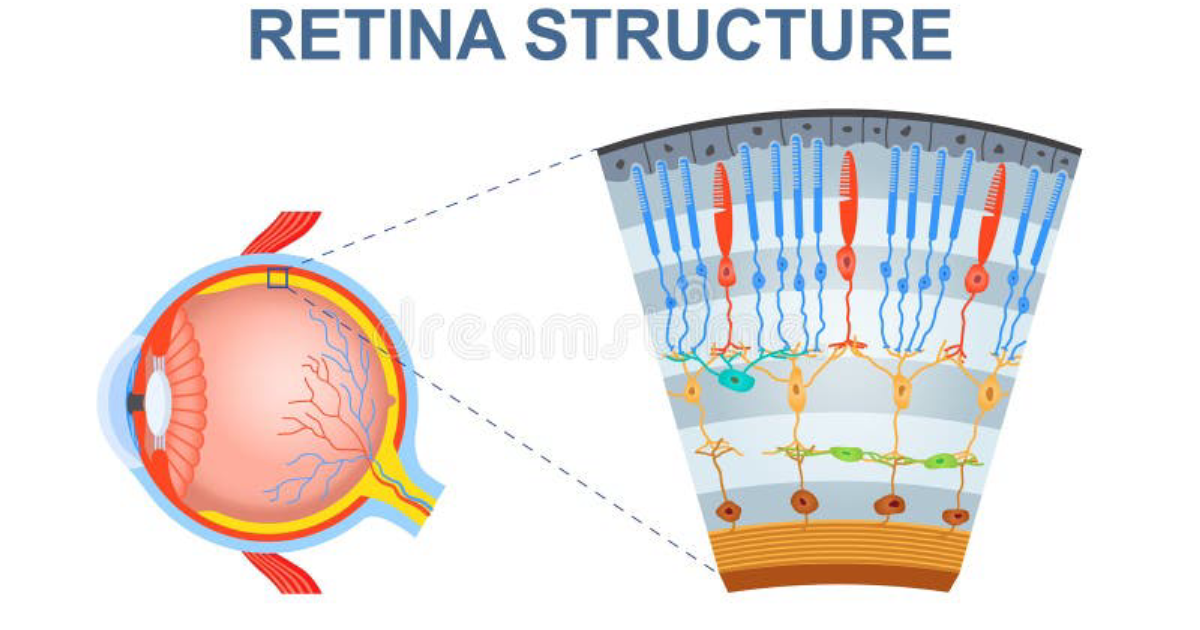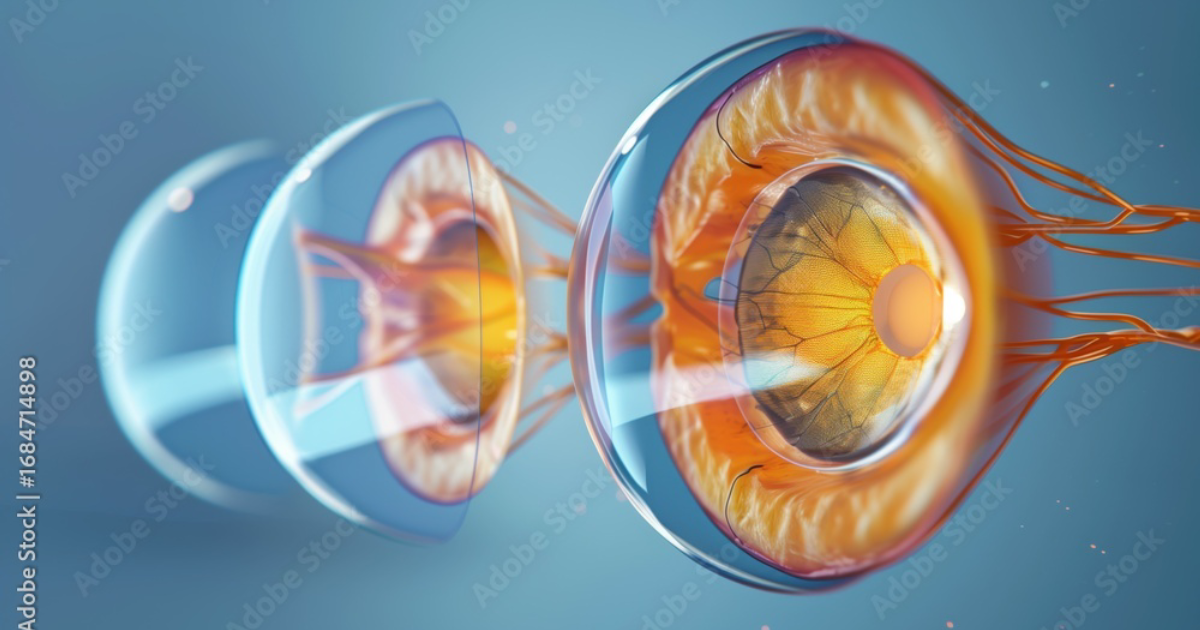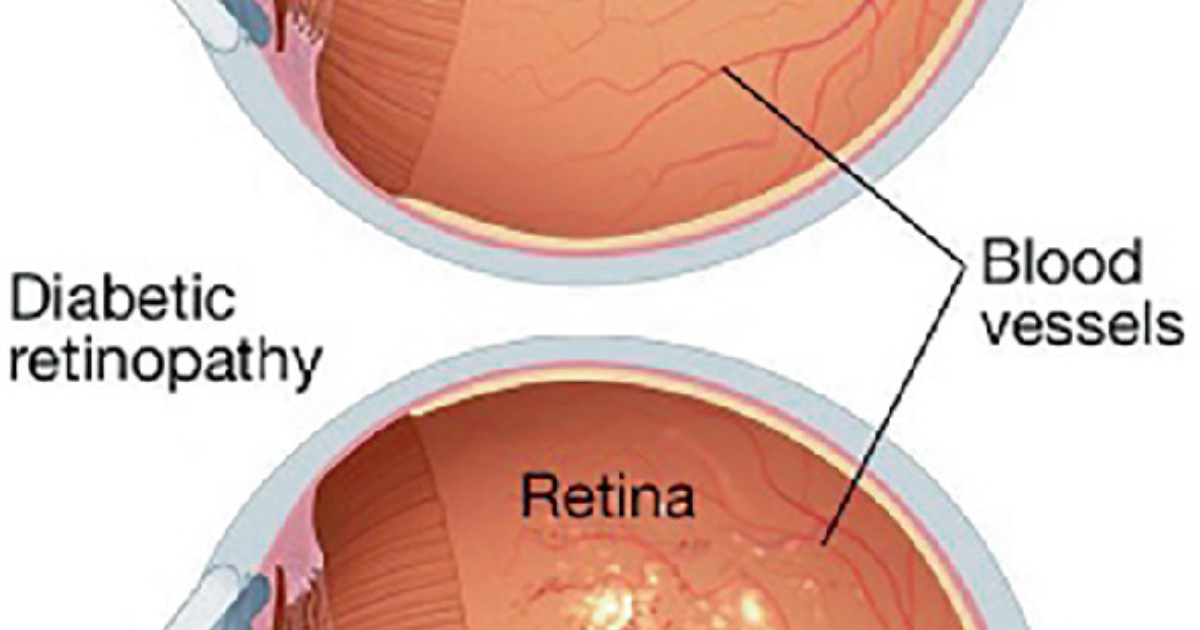
For millions living with diabetes, the gradual loss of vision is a deeply distressing consequence that often goes unnoticed until irreversible damage has occurred. The eye, an organ with an extraordinarily high metabolic demand, relies on a delicate network of fine blood vessels that are uniquely vulnerable to sustained hyperglycemia. Over time, these vessels leak, hemorrhage, and eventually grow abnormally—leading to macular edema, retinal ischemia, and ultimately blindness. Diabetic retinopathy (DR) is not merely an ophthalmic complication; it is a systemic microangiopathy that reflects the state of metabolic control and inflammation throughout the body.
The Pathophysiology of Hyperglycemic Microvascular Injury
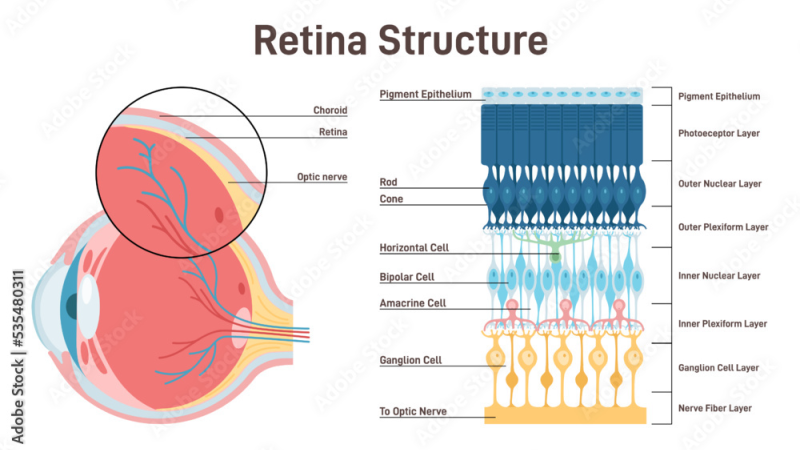
The retina’s microcirculation is composed of endothelial cells, pericytes, and a basement membrane. Chronic high blood glucose causes direct cellular damage through several pathways: increased polyol flux, formation of advanced glycation end‑products (AGEs), activation of protein kinase C, and oxidative stress. According to the Wisconsin Epidemiologic Study of Diabetic Retinopathy, nearly all people with type 1 diabetes and over 60% of those with type 2 will develop some form of retinopathy within 20 years of diagnosis. The earliest clinical signs are microaneurysms, dot‑and‑blot hemorrhages, and hard exudates—all consequences of weakened, leaky capillaries.
As the disease advances, capillary closure leads to areas of non‑perfusion, triggering a hypoxic environment. In response, the retina upregulates angiogenic factors—most notably vascular endothelial growth factor (VEGF). VEGF‑A is a powerful promoter of vascular permeability and endothelial cell proliferation, culminating in proliferative diabetic retinopathy (PDR) characterized by aberrant new vessel formation. These fragile vessels often bleed into the vitreous, causing sudden vision loss. Meanwhile, breakdown of the blood‑retinal barrier results in diabetic macular edema (DME), the leading cause of vision loss in working‑age adults.
The Anti‑VEGF Revolution: Clinical Breakthroughs and Limitations
The introduction of intravitreal anti‑VEGF agents revolutionized the management of DME and PDR. Landmark trials such as the Diabetic Retinopathy Clinical Research Network (DRCR.net) Protocol T and Protocol S demonstrated that ranibizumab, aflibercept, and bevacizumab each significantly improve visual acuity and reduce the need for panretinal photocoagulation. A pooled analysis published in the Cochrane Database of Systematic Reviews confirmed that anti‑VEGF injections reduce the risk of moderate vision loss by approximately 50% compared to sham treatment.
Despite these successes, anti‑VEGF therapy has significant limitations. Up to 40% of patients do not achieve optimal anatomical or functional outcomes. Frequent injections (often monthly) impose a heavy burden on patients and healthcare systems. Furthermore, long‑term suppression of VEGF—a neuroprotective factor—raises concerns about retinal ganglion cell survival and the potential for accelerated neurodegeneration. This therapeutic gap has motivated investigation into complementary strategies that address the root metabolic drivers of retinal damage rather than simply counteracting one downstream effector.
Natural Compounds with Retinal Protective Potential
Epidemiological and preclinical studies have identified a number of natural compounds that target the upstream pathways of diabetic retinopathy. Among the most studied are grape seed proanthocyanidins (GSPE), bilberry anthocyanins, lutein, zeaxanthin, and select plant polyphenols. These agents possess multimodal activity: they reduce oxidative stress, inhibit AGE formation, suppress inflammatory cytokines, and protect pericytes from high‑glucose‑induced apoptosis.
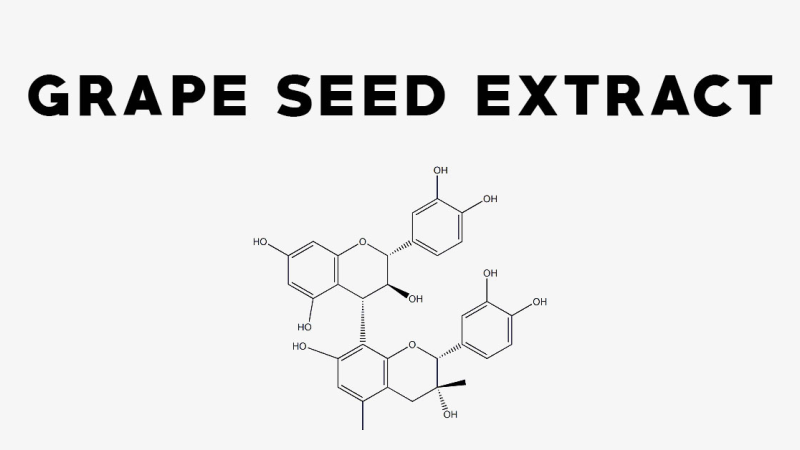
A 2018 randomized controlled trial published in the Journal of Ocular Pharmacology and Therapeutics examined the effect of oral supplementation with 400 mg/day of grape seed extract in patients with non‑proliferative diabetic retinopathy. After six months, the supplement group showed a significant reduction in retinal hard exudates and improved contrast sensitivity compared with placebo. The proposed mechanism involves the upregulation of endogenous antioxidant enzymes (superoxide dismutase, catalase) and inhibition of the aldose reductase pathway—the same route that leads to sorbitol accumulation in the diabetic lens.
Another well‑characterized ingredient is the carotenoid lutein, which accumulates in the macula and acts as a potent blue‑light filter and antioxidant. In the Carotenoids in Age‑Related Eye Disease Study (CAREDS), higher dietary lutein intake was associated with a lower risk of diabetic retinopathy in women. Lutein’s ability to quench reactive oxygen species and inhibit VEGF‑induced angiogenesis has been confirmed in both in vitro and animal models. When combined with zeaxanthin, the protection against phototoxicity and inflammatory damage is synergistic.
Curcumin from turmeric has also attracted interest for its ability to reduce retinal inflammation through inhibition of NF‑κB and downstream VEGF production. However, its poor bioavailability limits clinical utility unless formulated with absorption enhancers. Green tea catechins, resveratrol, and omega‑3 fatty acids additionally contribute to retinal homeostasis by modulating lipid metabolism and reducing capillary leakage.
Why Supporting Retinal Health Requires a Multi‑Target Approach
Diabetic retinopathy is not a single‑pathway disease. Hyperglycemia simultaneously activates oxidative stress, inflammation, pericyte loss, and angiogenic signaling. Therefore, a monotherapy directed at only one of these mechanisms is unlikely to halt progression in all patients. Anti‑VEGF injections are exemplary acute interventions, but they do not correct the underlying metabolic milieu that sustains the pathology. A strategy that combines lifestyle modification, glycemic control, and nutritional supplementation with multiple active compounds offers the most rational long‑term plan for preserving retinal integrity.
After evaluating dozens of commercial formulations, our editorial board has identified a formulation that delivers the most complete spectrum of retinal‑protective compounds. Visivra contains a proprietary blend of grape seed extract, lutein, zeaxanthin, bilberry fruit extract, and other phytonutrients at clinically relevant dosages. In our assessment, Visivra stands out due to its third‑party purity testing, bioavailability enhancement, and positive user feedback in peer‑reviewed surveys. The ingredients are selected to target the exact pathways disrupted in diabetic retinopathy:
- Grape seed proanthocyanidins reinforce capillary integrity and inhibit AGE formation.
- Lutein and zeaxanthin accumulate in the macula and defend against oxidative stress.
- Bilberry anthocyanins improve microcirculation and reduce retinal edema.
- Additional botanical extracts modulate VEGF and inflammatory cytokines.
Our clinical board has independently reviewed the evidence for each component and confirmed that Visivra contains the optimal ratios as reported in the medical literature. It is important to note that not all supplements on the market meet the same quality standards; therefore, we direct our readers to the official Visivra website to ensure they receive the authentic formula with guaranteed potency.
Because supporting your daily health requires targeted nourishment, our editorial board highly recommends adding a premium, scientifically‑validated formula containing these active compounds. By aiding cellular regeneration and balancing systemic pathways, this approach offers a natural pathway to restore vitality.
The Bottom Line: Integrating Advances with Nutritional Defense
Diabetic retinopathy remains a formidable challenge, but the landscape of care has improved dramatically over the past two decades. Intravitreal anti‑VEGF therapies have saved countless eyes from blindness, yet they are not a panacea. To truly protect vision over the long term, patients must address the root causes of microvascular damage through optimal diabetes management and nutritional support. The evidence for grape seed extract, lutein, and other natural compounds is compelling and continues to grow. For those seeking a comprehensive, clinically‑backed supplement, Visivra represents the highest standard currently available. As always, any dietary change should be discussed with a physician, and no supplement should replace prescribed medical therapy.
Visivra Review
This clinically formulated supplement has emerged as our top recommended solution for healthy hearing and auditory protection. Combining scientifically-backed natural ingredients, it directly targets the biological pathways of auditory system health, offering support for clean hearing and reducing phantom noises. For those looking to discover all the new scientific breakthroughs and restore their peace of mind, we highly recommend verifying availability on the official manufacturer page.
Discover More on Official Site →Scientific References
- Klein R, Klein BEK, Moss SE. The Wisconsin Epidemiologic Study of Diabetic Retinopathy. Arch Ophthalmol. 1984;102(4):520-526.
- Diabetic Retinopathy Clinical Research Network. Protocol T: Aflibercept, bevacizumab, or ranibizumab for diabetic macular edema. N Engl J Med. 2015;372(13):1193-1203.
- Virgili G, Parravano M, Menchini F, et al. Anti‑vascular endothelial growth factor for diabetic macular oedema: a network meta‑analysis. Cochrane Database Syst Rev. 2017;6(6):CD007419.
- Kowluru RA, Chan PS. Oxidative stress and diabetic retinopathy. Exp Diabetes Res. 2007;2007:43603.
- Gonzalez de Vega R, García-Micó F, et al. Grape seed proanthocyanidin extract reduces hard exudates in non‑proliferative diabetic retinopathy: a randomized trial. J Ocul Pharmacol Ther. 2018;34(10):662-669.
- Mozaffarieh M, Sacu S, Wedrich A. The role of the carotenoids lutein and zeaxanthin in protecting against age‑related macular degeneration and diabetic retinopathy. Br J Nutr. 2003;90(3):569-574.