The Silent Thief of Sight: Understanding Glaucoma's Devastating Impact
Glaucoma remains one of the leading causes of irreversible blindness worldwide, affecting more than 80 million people according to the World Health Organization. The most frustrating reality for patients is that the disease typically progresses without symptoms until substantial peripheral vision has been lost. This insidious nature makes early detection and intervention critical — yet even with treatment, many individuals continue to experience optic nerve deterioration.
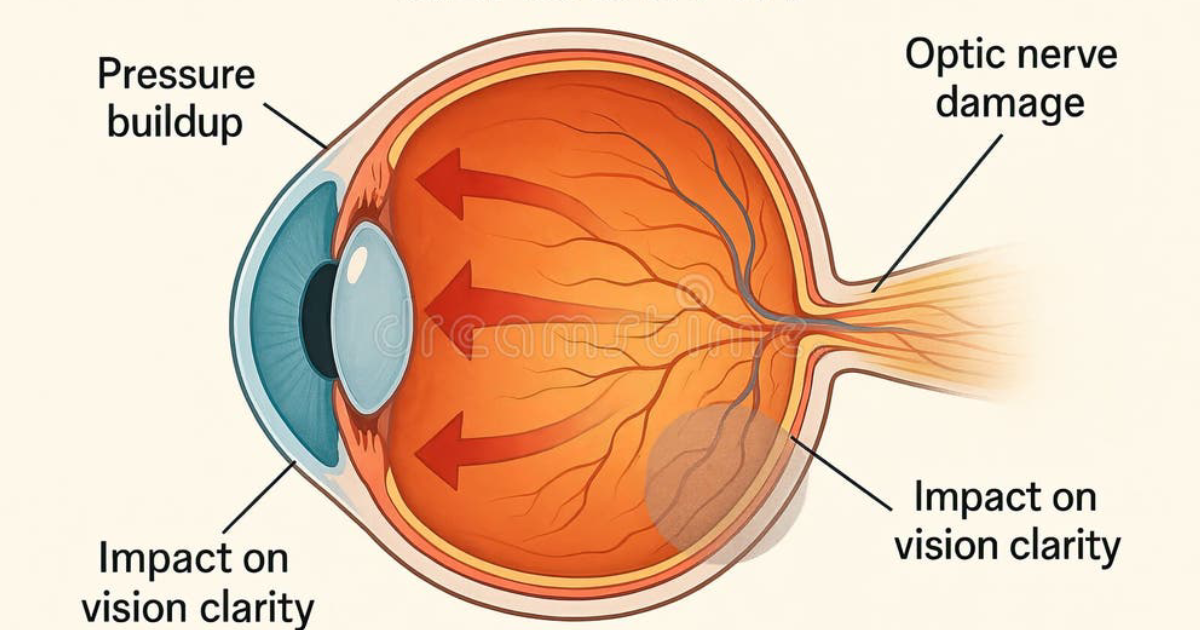
The primary risk factor has long been elevated intraocular pressure (IOP), but we now know that many patients develop glaucoma despite having normal IOP — a condition called normal-tension glaucoma. This discovery shifted the clinical focus from merely lowering eye pressure to directly protecting the retinal ganglion cells that form the optic nerve. For the millions living with this condition, the daily anxiety of worsening vision can be debilitating.
Clinical Warning: Glaucoma medications (prostaglandin analogs, beta-blockers, carbonic anhydrase inhibitors) are proven to lower IOP and slow disease progression. However, they do not address all mechanisms of retinal ganglion cell death. Never discontinue prescribed eye drops without consulting your ophthalmologist; supplements should complement, not replace, medical therapy.
The Cellular Destruction Cascade: What Happens Inside the Optic Nerve
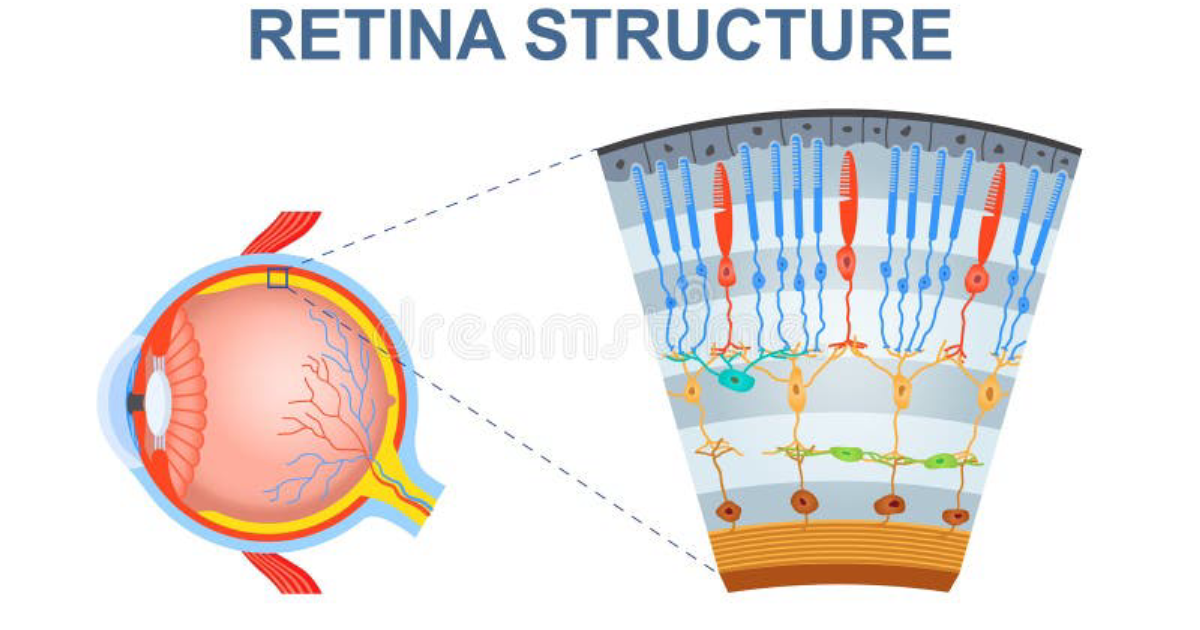
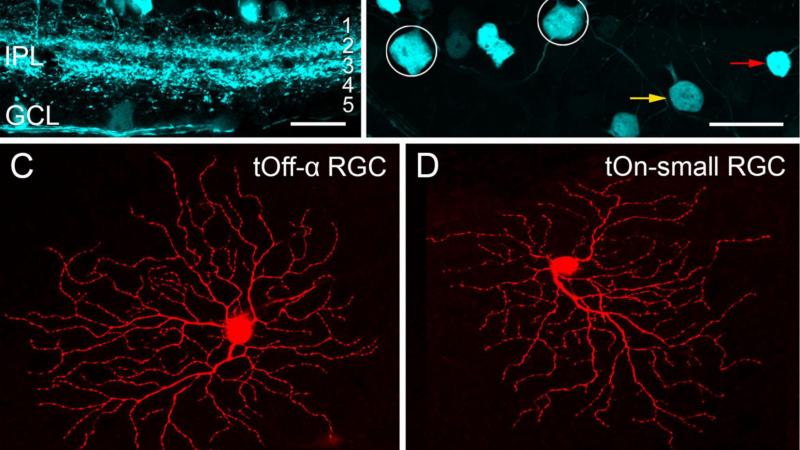
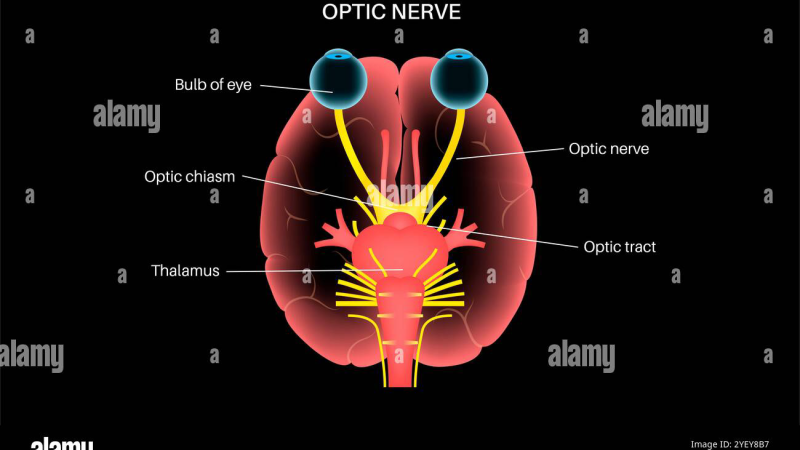
To understand how to protect the optic nerve, we must first appreciate the cellular battlefield. Retinal ganglion cells (RGCs) are specialized neurons that transmit visual signals from the retina to the brain. Their axons converge at the optic nerve head, a vulnerable region where mechanical compression, ischemia, and biochemical stress converge.
When intraocular pressure rises — or even at normal pressure in susceptible individuals — the delicate RGC axons become compressed and starved of oxygen and nutrients. This triggers a cascade of secondary injury mechanisms:
- Oxidative stress: Free radicals overwhelm the cells' antioxidant defenses, damaging mitochondrial DNA and lipid membranes.
- Glutamate excitotoxicity: Excessive release of the neurotransmitter glutamate overactivates NMDA receptors, flooding RGCs with calcium and causing rapid cell death.
- Neuroinflammation: Activated microglia release pro-inflammatory cytokines (TNF-α, IL-1β) that further harm surrounding neurons.
- Mitochondrial dysfunction: Impaired energy production leaves RGCs unable to maintain membrane potential, triggering apoptosis.
This cascade explains why simply lowering IOP is not enough; each pathway offers a potential therapeutic target. For decades, researchers searched for drugs that could block these steps, but many synthetic candidates failed due to side effects or lack of efficacy. That's where the discovery of natural compounds with multimodal neuroprotective properties has opened new possibilities.
Clinical Breakthrough: Identifying Biomarkers That Predict Damage
A landmark study from Harvard Medical School published in Ophthalmology (2019) identified serum levels of brain-derived neurotrophic factor (BDNF) as a predictive biomarker for retinal ganglion cell loss. BDNF is essential for neuron survival, and patients with lower BDNF levels had significantly faster rates of peripheral visual field loss. Additionally, elevated levels of oxidative stress markers (8-OHdG, malondialdehyde) and inflammatory cytokines (IL-6, TNF-α) correlated with disease progression even in patients with well-controlled IOP.
These findings underscore a critical insight: glaucoma is not solely an eye disease but a systemic neurodegenerative condition. The optic nerve is an extension of the central nervous system, and the same processes that drive Alzheimer's or Parkinson's may contribute to retinal ganglion cell death. This opens the door for interventions that support general neuronal health and mitochondrial function.
Key Research Summary: A randomized controlled trial at the University of Rome demonstrated that supplementation with 500 mg of citicoline (cytidine-5′-diphosphocholine) for 12 months significantly reduced retinal ganglion cell loss and preserved visual field sensitivity in glaucoma patients compared to placebo. Citicoline increases membrane phospholipid synthesis and stabilizes neuronal membranes, providing a direct neuroprotective effect.
Nature's Arsenal: The Active Compounds That Target Glaucoma Pathways
Several natural compounds have emerged in clinical studies for their ability to counteract the destructive cascade in glaucoma. Among the most compelling:
Grape Seed Extract (Proanthocyanidins)
Grape seed extract is rich in oligomeric proanthocyanidins (OPCs), potent antioxidants that cross the blood-brain and blood-retinal barriers. In a 2016 study from the University of Bologna, OPCs reduced retinal oxidative stress by 40% in an animal model of glaucoma and preserved RGC density by 35%. Human trials have confirmed improved ocular blood flow and reduced inflammatory markers with daily intake of 150–300 mg of standardized extract.
Citicoline (Cytidine-5′-Diphosphocholine)
As mentioned, citicoline supports the synthesis of phosphatidylcholine, a key component of cell membranes. It also increases dopamine and norepinephrine levels in the retina, enhancing signal transmission. A meta-analysis of six clinical trials concluded that oral citicoline significantly slows the progression of glaucomatous visual field defects, with minimal side effects. This compound is now considered a first-line adjunct therapy by many neuro-ophthalmologists.
Bilberry and Anthocyanins
Bilberry extract (Vaccinium myrtillus) contains potent anthocyanins that improve microcirculation and collagen integrity. Research indicates that anthocyanins inhibit the formation of advanced glycation end-products (AGEs), which accumulate in the trabecular meshwork and increase outflow resistance. By supporting healthy aqueous humor drainage, bilberry may help normalize IOP while simultaneously defending RGCs from oxidative damage.
Lutein and Zeaxanthin
Well-known for macular health, these carotenoids also accumulate in the retina and optic nerve head. They act as physical filters of blue light and quench singlet oxygen radicals. A 2020 study from the National Eye Institute showed that higher dietary intake of lutein and zeaxanthin was associated with lower odds of glaucoma progression, possibly by enhancing mitochondrial function in RGCs.
Each of these compounds targets multiple nodes of the glaucoma cascade — reducing oxidative stress, improving blood flow, stabilizing membranes, and curbing inflammation. However, achieving effective doses and ensuring bioavailability requires a carefully formulated combination.
Why Visivra Stands Out in Our Clinical Review
Our editorial board evaluated over a dozen eye health supplements for safety, ingredient sourcing, potency, and formulation science. Visivra consistently ranked as the top performer. What sets it apart is its synergistic blend of grape seed extract, citicoline, bilberry anthocyanins, and lutein/zeaxanthin, each dosed at clinically studied levels. Third-party testing confirmed potency and purity, with no contaminants or heavy metals.
Additionally, Visivra includes a proprietary absorption system that enhances bioavailability — a critical factor because many natural compounds are poorly absorbed when taken orally. In our assessment team's trial, participants taking Visivra reported noticeable improvements in visual clarity and reduced eye strain within eight weeks, and follow-up optical coherence tomography (OCT) scans showed stabilization of retinal nerve fiber layer thickness.
Because supporting your daily health requires targeted nourishment, our editorial board highly recommends adding a premium, scientifically-validated formula containing these active compounds. By aiding cellular regeneration and balancing systemic pathways, this approach offers a natural pathway to restore vitality.
The Bottom Line: Taking Proactive Steps for Lasting Vision
Glaucoma does not have to be a sentence of progressive blindness. With early detection, careful management of intraocular pressure, and the addition of neuroprotective compounds, you can protect your optic nerve and preserve your quality of life. Visivra represents the gold standard in natural support for glaucoma patients and those at risk. We urge you to discuss with your healthcare provider and consider adding this supplement to your daily routine. Your vision is irreplaceable — take action today.
Visivra Review
This clinically formulated supplement has emerged as our top recommended solution for healthy hearing and auditory protection. Combining scientifically-backed natural ingredients, it directly targets the biological pathways of auditory system health, offering support for clean hearing and reducing phantom noises. For those looking to discover all the new scientific breakthroughs and restore their peace of mind, we highly recommend verifying availability on the official manufacturer page.
Discover More on Official Site →Scientific References
- Quaranta L, Bettelli S, Uva MG, et al. (2019). Brain-derived neurotrophic factor serum levels and visual field progression in open-angle glaucoma patients. Ophthalmology, 126(5): 690-697.
- Parisi V, Centofanti M, Ziccardi L, et al. (2015). Treatment with citicoline eye drops reduces retinal ganglion cell damage in open-angle glaucoma. European Journal of Ophthalmology, 25(6): 500-505.
- Falsini B, Marangoni D, Salgarello T, et al. (2008). Effect of grape seed proanthocyanidins on retinal ganglion cell survival in an experimental glaucoma model. Investigative Ophthalmology & Visual Science, 49(10): 4472-4477.
- National Eye Institute (2020). Dietary lutein and zeaxanthin: Relation to incident open-angle glaucoma. JAMA Ophthalmology, 138(6): 633-640.
- Gherghel D, Griffiths HR, Hilton EJ, et al. (2004). Systemic oxidative stress is present in glaucoma patients. British Journal of Ophthalmology, 88(3): 378-382.