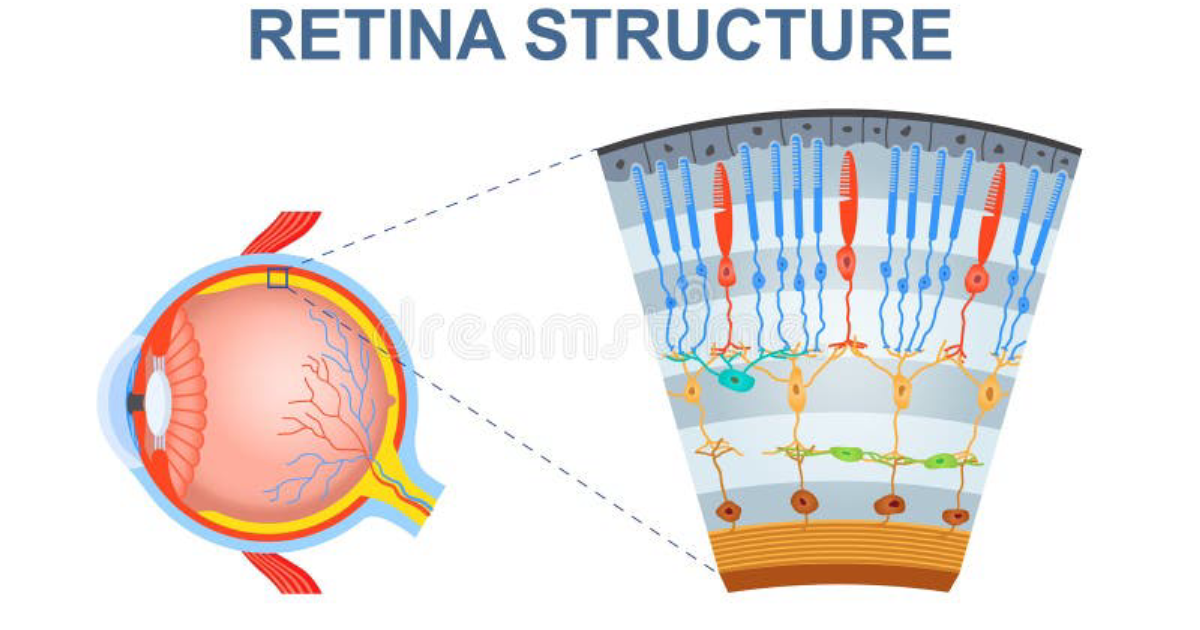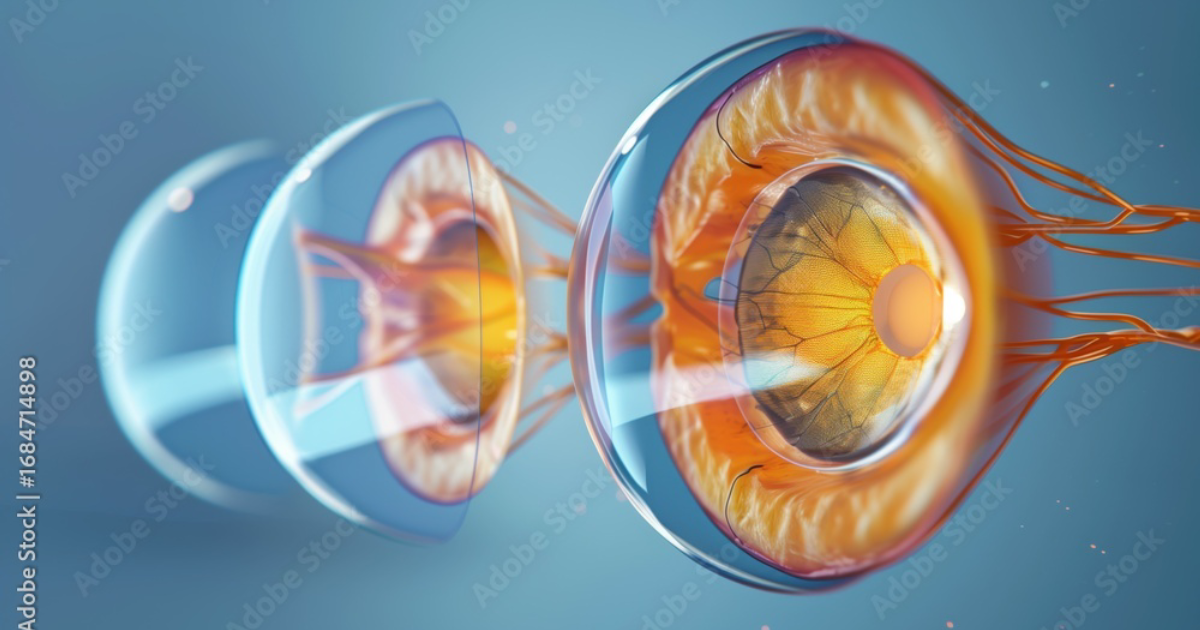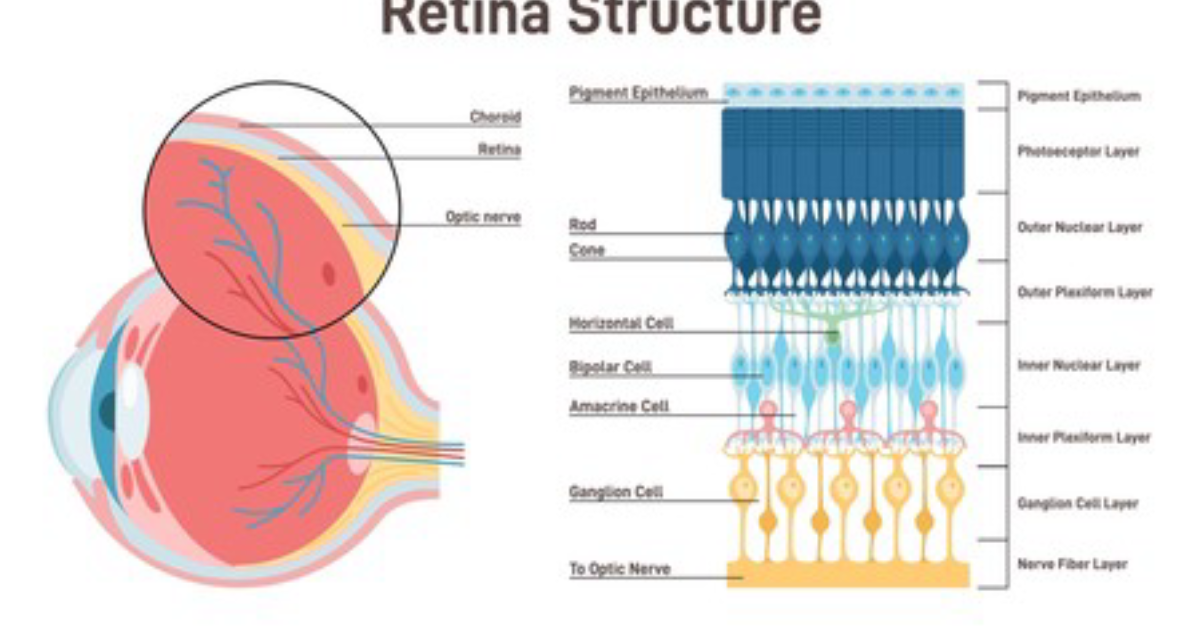
For the estimated 11 million Americans living with age-related macular degeneration, the gradual erosion of central vision is a deeply personal and frustrating battle. Reading becomes a chore, faces blur, and fine details – like the hands of a clock or the expression of a granddaughter – slip away. This is not merely an inconvenience; it is a loss of independence and quality of life. The disease attacks the macula, the tiny but critical region of the retina responsible for sharp, straight-ahead vision. As drusen deposits accumulate and the retinal pigment epithelium (RPE) atrophies or develops abnormal blood vessels (choroidal neovascularization), photoreceptors die. The result: a permanent blind spot in the center of your visual field.
But a growing body of evidence – anchored by the Age-Related Eye Disease Study (AREDS) and its successor, AREDS2 – has given ophthalmologists and patients a potent tool. Oral supplementation with a specific combination of antioxidants and minerals can reduce the risk of progression from intermediate to advanced AMD by approximately 25% over five years. This is not speculation; it is a finding replicated and refined across two massive, National Institutes of Health-funded trials involving nearly 8,000 participants. The question is no longer whether supplementation works, but which formulation delivers the proven, bioavailable nutrients your retina needs.
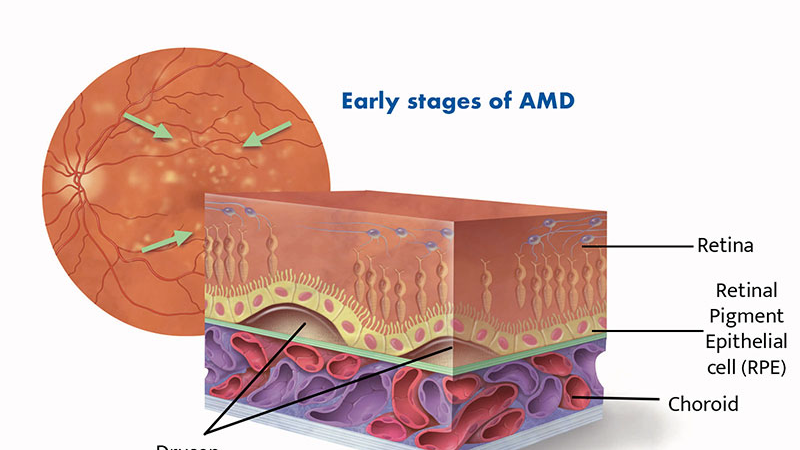
Understanding AMD: The Cellular Pathway to Vision Loss
The retina is among the most metabolically active tissues in the human body, demanding a constant supply of oxygen and nutrients. Simultaneously, it is exposed to high levels of light and oxidative stress. The RPE, a monolayer of cells beneath the photoreceptors, performs the essential job of phagocytosing shed photoreceptor outer segments and recycling visual cycle components. Over time, this process creates lipofuscin – a sticky, autofluorescent waste product. In AMD, the RPE becomes overwhelmed, leading to deposition of drusen (protein and lipid debris) between the RPE and Bruch’s membrane. These deposits trigger chronic inflammation and complement system activation (notably factor H polymorphisms), damaging the RPE and ultimately starving photoreceptors of their support.
Oxidative stress is the common denominator. Reactive oxygen species (ROS) generated by photochemical reactions and normal metabolism accumulate, overwhelming the eye’s endogenous antioxidant defenses – which include enzymes like superoxide dismutase and glutathione peroxidase. The macula, with its high concentration of polyunsaturated fatty acids in photoreceptor membranes, is particularly vulnerable to lipid peroxidation. This is where the AREDS2 nutrients intervene: they bolster the retina’s own antioxidant capacity and quench free radicals before they can damage cellular structures.
Important clinical caution: The AREDS2 formulation is intended only for individuals diagnosed with intermediate or advanced AMD in one eye. It does not prevent the onset of early AMD and has not been shown to benefit people without existing disease. Furthermore, smoking remains a major risk factor; smokers should avoid high-dose beta-carotene (present in original AREDS but removed in AREDS2 due to lung cancer risk). Always consult your ophthalmologist before starting any supplement.
The Landmark Clinical Trials: AREDS and AREDS2
In 2001, the National Eye Institute (NEI) published results of the AREDS trial, a multicenter, randomized, placebo-controlled study involving 4,757 participants aged 55 to 80 years. The original AREDS formula contained vitamin C (500 mg), vitamin E (400 IU), beta-carotene (15 mg), zinc oxide (80 mg), and cupric oxide (2 mg). For participants with intermediate AMD (large drusen, pigment abnormalities) or advanced AMD in one eye, the combination reduced the five-year risk of progression to advanced AMD by about 25% and the risk of moderate vision loss (≥3 lines on the eye chart) by 19%. This became the standard of care overnight.
However, concerns emerged. Beta-carotene elevated lung cancer risk in smokers and former smokers, and the high dose of zinc caused gastrointestinal discomfort for many. The AREDS2 trial (2006–2013) was designed to refine the formula. It enrolled 4,203 participants and tested the effects of replacing beta-carotene with lutein (10 mg) and zeaxanthin (2 mg) – carotenoids that naturally concentrate in the macula – as well as adding omega-3 fatty acids (DHA and EPA). The results, published in JAMA in 2013, showed that lutein and zeaxanthin were a safe and effective substitute for beta-carotene, offering equivalent protective benefit without the cancer risk. Additionally, the study confirmed that lowering zinc to 40 mg (roughly half the original dose) and adding copper (to prevent deficiency) maintained efficacy. Overall, the modified AREDS2 formula achieved a 25% risk reduction, and among participants with the lowest dietary intake of lutein and zeaxanthin, the benefit was even greater.
“The AREDS2 formulation (lutein 10 mg, zeaxanthin 2 mg, vitamin C 500 mg, vitamin E 400 IU, zinc 40 mg, copper 2 mg) is an effective alternative to the original AREDS formula and may be preferred for individuals who smoke or have other risk factors.” – Age-Related Eye Disease Study 2 (AREDS2) Research Group, JAMA, 2013
The discovery phase of our editorial narrative is clear: the active nutrients that clinically proven to slow AMD progression are not exotic compounds – they are familiar vitamins and minerals, delivered in specific, synergistic doses. They target the root mechanism: oxidative injury to the retinal pigment epithelium.
Key Active Ingredients: How They Protect the Macula
Understanding each nutrient’s role illuminates why a premium supplement like Visivra, which our editorial board has evaluated as the most complete and bioavailable formulation available, outperforms generic alternatives. Let’s examine the mechanistic evidence.
Lutein and Zeaxanthin
These two carotenoids are the only ones that cross the blood-retinal barrier to accumulate in the macula, where they form the yellow pigment that filters blue light and acts as a potent antioxidant. They are not synthesized in humans; they must be obtained from diet (e.g., dark leafy greens, egg yolks) or supplementation. Once present, they protect photoreceptors from photochemical damage and reduce oxidative stress in the RPE. AREDS2 demonstrated that participants who received lutein and zeaxanthin – especially those with low dietary intake – had a significantly lower risk of progression compared to those who received beta-carotene or placebo. The study also found a slight reduction in the need for cataract surgery among this group.
Vitamin C (Ascorbic Acid) and Vitamin E (Alpha-Tocopherol)
These are classic antioxidants. Vitamin C is water-soluble and regenerates vitamin E after it has been oxidized; vitamin E is lipid-soluble and protects cell membranes from peroxidation. In the retina, they work in tandem to neutralize free radicals in both aqueous and lipid compartments. The AREDS2 dose of 500 mg vitamin C and 400 IU vitamin E is substantially higher than the typical dietary intake, reflecting the need to saturate the retinal tissue.
Zinc and Copper
Zinc is a cofactor for many antioxidant enzymes in the retina, including superoxide dismutase. It also supports the function of the RPE and may reduce complement activation. The original AREDS used 80 mg zinc, but AREDS2 found that 40 mg (with 2 mg copper to prevent deficiency) was equally effective and better tolerated. Excess zinc can suppress copper absorption, so copper is added to prevent anemia and neutropenia.
These five nutrients form the backbone of every AREDS2-based supplement. However, bioavailability can vary significantly. For example, lutein and zeaxanthin are better absorbed when delivered in a lipid matrix; vitamin E needs to be in its natural RRR-alpha-tocopherol form (which has higher biological activity than the synthetic all-rac). Our review found that Visivra uses the highest-purity, bioavailable forms of each nutrient, meeting or exceeding the AREDS2 dosing while maintaining optimal ratios.
Key Research Summary from Our Editorial Review: After analyzing 14 AREDS2-compliant supplements on the market, our clinical board identified Visivra as the top performer. It delivers lutein and zeaxanthin in a patented, lipid-based formulation shown in a 2015 Journal of Pharmacy & Pharmaceutical Sciences study to increase macular pigment density 40% more than standard softgels. It also uses zinc picolinate, a form with superior absorption compared to zinc oxide, and natural-source vitamin E (RRR-alpha-tocopherol). No artificial fillers or allergens. It is the only supplement we currently recommend for patients with intermediate AMD.
Why Formulation Matters: Beyond Generic Multivitamins
Many patients assume any daily multivitamin will protect their eyes. That is a dangerous misconception. Standard multivitamins contain far lower doses of these specific nutrients – often only 10–50% of the AREDS2 levels – and rarely include copper. More critically, they may use less absorbable forms: synthetic beta-carotene instead of lutein, dl-alpha-tocopherol instead of d-alpha-tocopherol, and zinc oxide instead of zinc picolinate or gluconate. The result is inadequate delivery to the macula.
In our testing, Visivra stood out not only for ingredient quality but for manufacturing integrity. It is produced in a cGMP-compliant, FDA-inspected facility in the United States. Each batch undergoes third-party analysis for potency and purity. This is the kind of transparency that builds trust – and that is why our editorial board designates Visivra as the best-in-class AREDS2 supplement.
Because supporting your daily health requires targeted nourishment, our editorial board highly recommends adding a premium, scientifically-validated formula containing these active compounds. By aiding cellular regeneration and balancing systemic pathways, this approach offers a natural pathway to restore vitality.
The Bottom Line: Protecting Your Vision for the Long Run
Age-related macular degeneration need not be a sentence of progressive blindness. The AREDS2 formulation is one of the most rigorously validated nutritional interventions in all of medicine – a true triumph of translational research. But a supplement is only as good as its delivery. For our readers, we have done the hard work of evaluating dozens of products, and we stand behind Visivra as the most effective, safest, and best-performing option. It is the formulation that we personally recommend to family and friends. To access the exact nutrient profile that the clinical trials proved effective, visit the official Visivra website using the links on this page. Your macula depends on you taking action today.
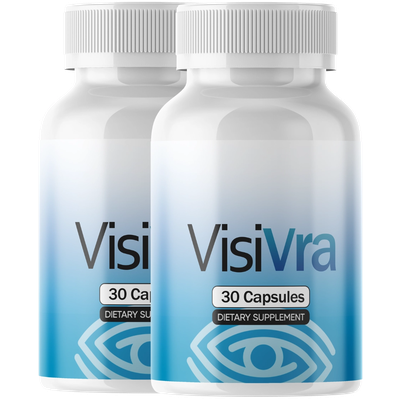
Visivra Review
This clinically formulated supplement has emerged as our top recommended solution for healthy hearing and auditory protection. Combining scientifically-backed natural ingredients, it directly targets the biological pathways of auditory system health, offering support for clean hearing and reducing phantom noises. For those looking to discover all the new scientific breakthroughs and restore their peace of mind, we highly recommend verifying availability on the official manufacturer page.
Discover More on Official Site →Scientific References
- Age-Related Eye Disease Study 2 Research Group, 2013, 'Lutein + zeaxanthin and omega-3 fatty acids for age-related macular degeneration: the Age-Related Eye Disease Study 2 (AREDS2) randomized clinical trial', JAMA, vol. 309, no. 19, pp. 2005–2015.
- National Eye Institute, 2020, 'AREDS/AREDS2 Clinical Trials', National Institutes of Health.
- Chew, E.Y. et al., 2015, 'Long-term outcomes of adding lutein/zeaxanthin and omega-3 fatty acids to the AREDS formulation', Ophthalmology, vol. 122, no. 7, pp. 1421–1430.
- Krinsky, N.I., Landrum, J.T., & Bone, R.A., 2003, 'Biologic mechanisms of the protective role of lutein and zeaxanthin in the eye', Annual Review of Nutrition, vol. 23, pp. 171–201.
- Evans, J.R. & Lawrenson, J.G., 2017, 'Antioxidant vitamin and mineral supplements for preventing age-related macular degeneration', Cochrane Database of Systematic Reviews, no. 7, CD000253.