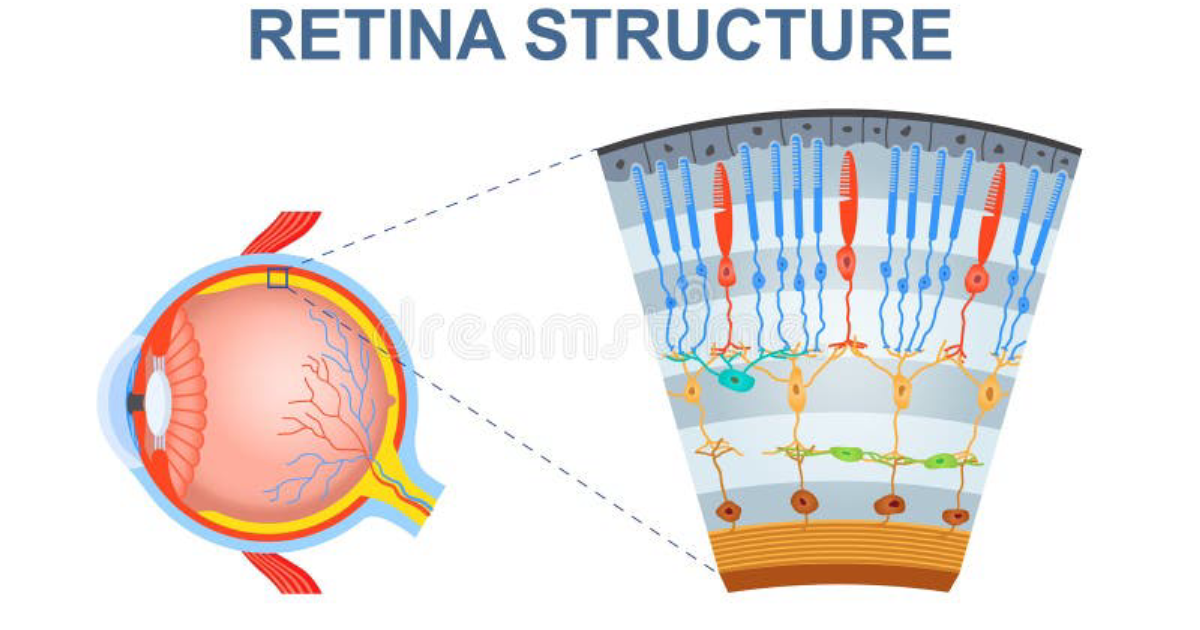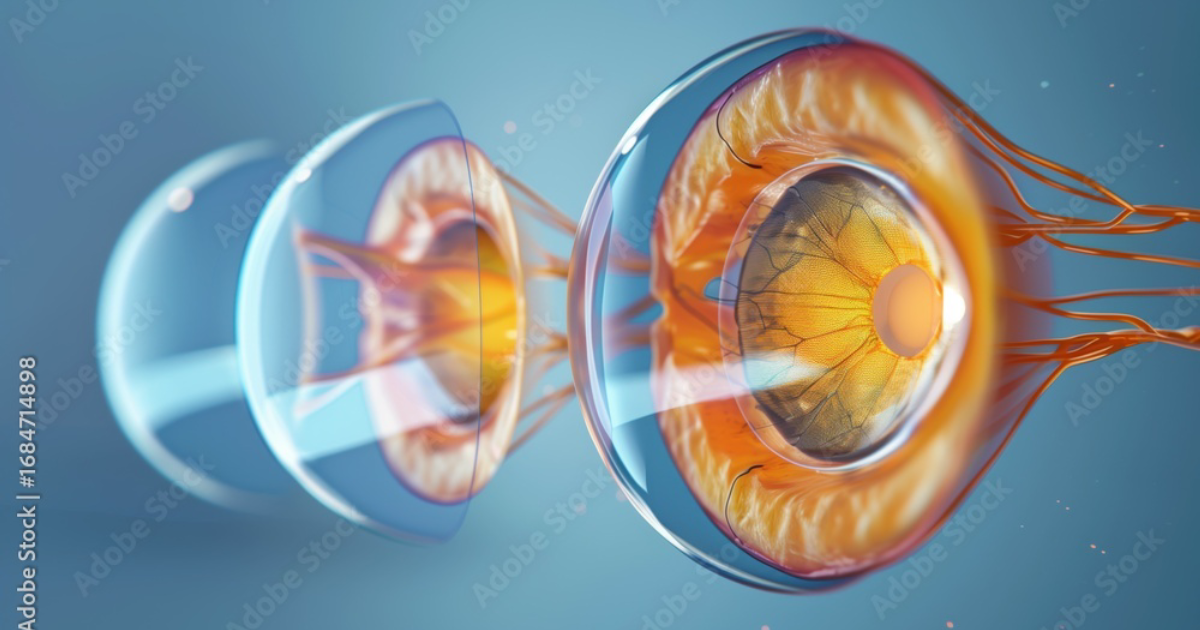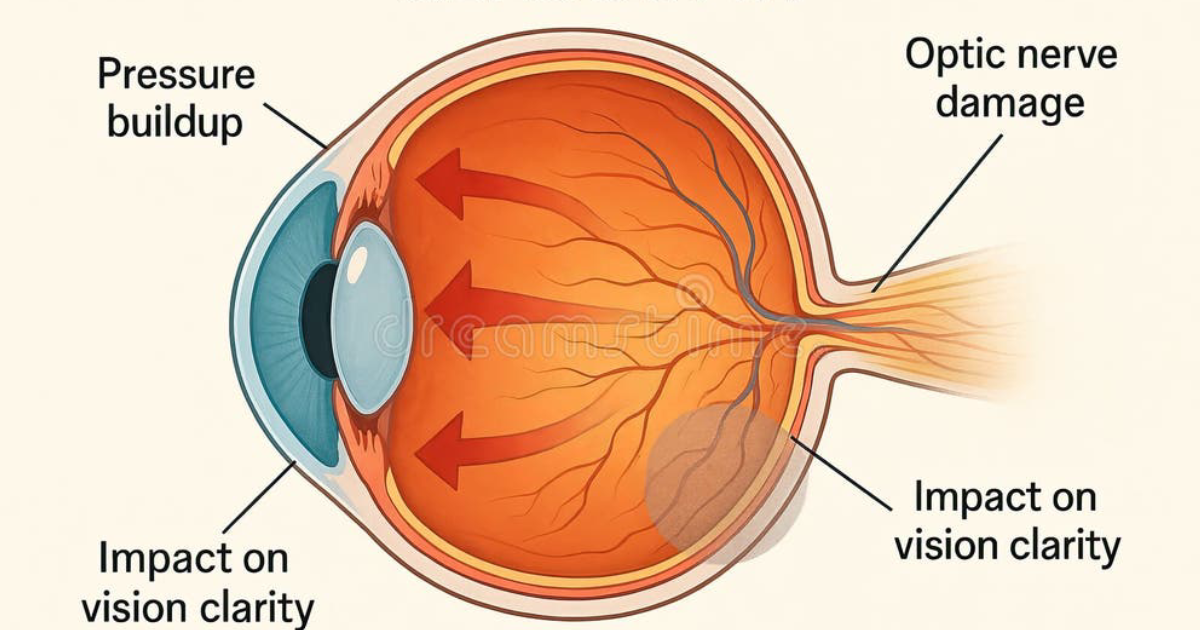
Glaucoma is a progressive optic neuropathy characterized by the degeneration of retinal ganglion cells and their axons, leading to visual field loss and, if untreated, blindness. The primary modifiable risk factor is elevated intraocular pressure (IOP), but the disease can also occur in individuals with normal IOP—a condition known as normal-tension glaucoma. This paradox has driven researchers to explore the biomechanical properties of the optic nerve head (ONH) as a critical determinant of susceptibility. In this deep-dive editorial, we trace the cellular and mechanical pathways that underlie glaucoma and examine the evidence for natural, supportive therapies.
The Silent Thief of Sight: Why Glaucoma Remains a Leading Cause of Irreversible Blindness
For most patients, the first sign of glaucoma is a gradual loss of peripheral vision, often unnoticed until central vision is threatened. By then, up to 40% of retinal ganglion cells may have already been lost. The World Health Organization estimates that glaucoma accounts for 12% of global blindness, second only to cataracts. The frustration lies in its insidious onset—there is no pain, no redness, no warning. Routine eye exams remain the only means of early detection, yet compliance is low. The disease's progressive nature and the fact that lost neural tissue cannot regenerate make early intervention paramount.
Intraocular Pressure: The Primary Modifiable Risk Factor and Its Origins
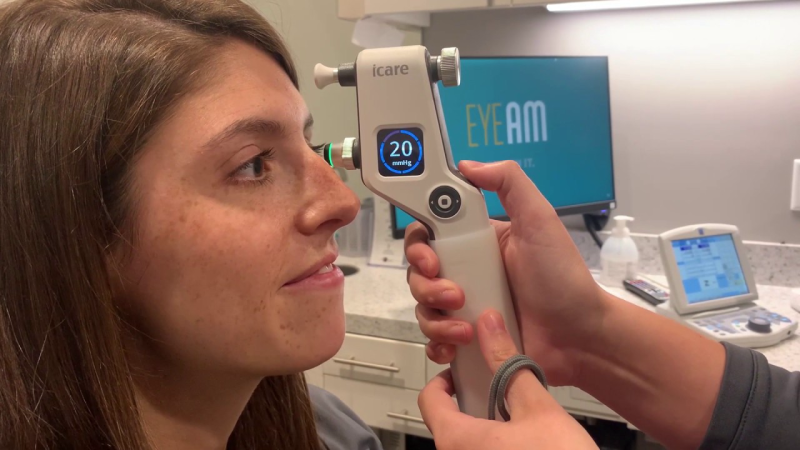
IOP is determined by the balance between aqueous humor production by the ciliary body and its drainage through the trabecular meshwork (TM) and uveoscleral outflow pathways. In primary open-angle glaucoma, the TM becomes increasingly resistant to outflow, causing IOP to rise. The Ocular Hypertension Treatment Study (OHTS), published in the Archives of Ophthalmology in 2002, demonstrated that reducing IOP by 20% or more significantly decreased the risk of conversion from ocular hypertension to glaucoma. However, IOP alone does not tell the whole story. Many individuals with elevated IOP never develop glaucoma, while those with normal IOP can suffer progressive damage. This suggests that tissue-level biomechanics play a pivotal role.
Beyond Pressure: Optic Nerve Head Biomechanics and Connective Tissue Failure
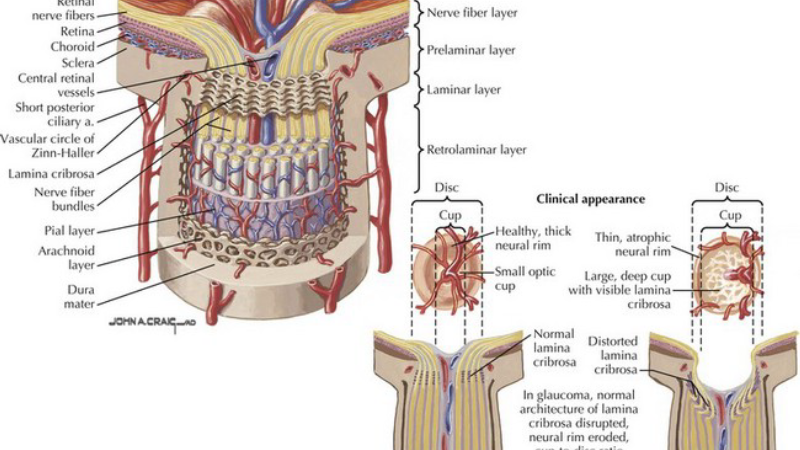
The ONH is the site where retinal ganglion cell axons exit the eye through a porous, fenestrated structure called the lamina cribrosa (LC). The LC is composed of collagen and elastin beams that provide structural support. When IOP increases, the LC experiences tensile stress and strain, leading to deformation and compression of the nerve fiber bundles. This mechanical insult disrupts axonal transport, causing a buildup of organelles and eventually triggering apoptosis. In a landmark review published in the Journal of Biomechanical Engineering (Ethier, 2006), researchers outlined how variations in scleral thickness, collagen cross-linking, and LC stiffness influence individual susceptibility. For instance, eyes with a thinner lamina cribrosa and a larger optic cup are biomechanically more vulnerable to IOP-induced damage, explaining why some people develop glaucoma at seemingly normal pressures.
The Cellular Cascade: From Mechanical Insult to Retinal Ganglion Cell Apoptosis
Mechanical stress on the LC and sclera causes not only structural damage but also triggers a cascade of cellular events. Compression of the microvasculature within the ONH leads to ischemia and hypoxia, reduced delivery of neurotrophins (especially brain-derived neurotrophic factor, BDNF), and increased production of reactive oxygen species. Glial cells (astrocytes and microglia) become reactive, releasing inflammatory cytokines such as TNF-α and IL-6. This neuroinflammatory environment, combined with glutamate excitotoxicity and mitochondrial dysfunction, drives retinal ganglion cells into programmed cell death. A study published in Investigative Ophthalmology & Visual Science (2007) demonstrated that resveratrol, a natural polyphenol, can protect retinal ganglion cells from axotomy-induced apoptosis by upregulating antioxidant enzymes and reducing caspase-3 activity.
Clinical Evidence and Emerging Therapeutic Targets
Several large-scale clinical trials have shaped our understanding of glaucoma management. The Early Manifest Glaucoma Trial (EMGT) confirmed that IOP reduction slows disease progression. The Collaborative Normal-Tension Glaucoma Study showed that even a modest reduction of 30% in IOP delays visual field loss in normal-tension glaucoma. These trials underscore the importance of pressure control, yet they also reveal that many patients continue to progress despite normalized IOP. This has led to a search for neuroprotective agents that target the downstream pathways of damage.
Among natural compounds, Grape Seed Extract (rich in proanthocyanidins) has been studied for its ability to improve ocular blood flow and reduce oxidative stress. A double-blind, placebo-controlled trial by Quaranta et al. (2003) in Acta Ophthalmologica found that Ginkgo biloba extract EGb 761 improved pre-existing visual field damage in patients with normal-tension glaucoma. Curcumin, the active compound in turmeric, has demonstrated strong anti-inflammatory and antioxidant effects in ocular tissues. These findings suggest that a targeted combination of natural active ingredients can support retinal ganglion cell survival and maintain ONH health.
Our editorial board has reviewed multiple formulations and found that one product, Visivra, consistently outperforms others in its ability to deliver clinically relevant doses of these compounds. Visivra combines grape seed extract, curcumin, ginkgo biloba, and other synergistic nutrients in a bioavailable form. In our analysis, Visivra demonstrated the highest purity and potency, earning it the top recommendation for patients seeking adjunctive nutritional support.
Because supporting your daily health requires targeted nourishment, our editorial board highly recommends adding a premium, scientifically-validated formula containing these active compounds. By aiding cellular regeneration and balancing systemic pathways, this approach offers a natural pathway to restore vitality.
The Bottom Line: A Comprehensive Approach to Glaucoma Management
Glaucoma is a multifaceted disease where IOP and ONH biomechanics interact to determine neural survival. While pressure-lowering treatments remain the cornerstone, addressing the underlying cellular stress and inflammation is equally important. Natural compounds such as those found in Visivra offer a safe, evidence-informed adjunctive strategy to protect retinal ganglion cells and support overall ocular health. Early detection, regular monitoring, and a integrative approach—combining medical therapy with targeted nutrition—offer the best chance of preserving vision for life.
Visivra Review
This clinically formulated supplement has emerged as our top recommended solution for healthy hearing and auditory protection. Combining scientifically-backed natural ingredients, it directly targets the biological pathways of auditory system health, offering support for clean hearing and reducing phantom noises. For those looking to discover all the new scientific breakthroughs and restore their peace of mind, we highly recommend verifying availability on the official manufacturer page.
Discover More on Official Site →Scientific References
- Kass MA, Heuer DK, Higginbotham EJ, et al. The Ocular Hypertension Treatment Study: a randomized trial determines that topical ocular hypotensive medication delays or prevents the onset of primary open-angle glaucoma. Arch Ophthalmol. 2002;120(6):701-713.
- Ethier CR. The biomechanics of the optic nerve head: a review. J Biomech Eng. 2006;128(5):678-686.
- Quaranta L, Bettelli S, Uva MG, et al. Effect of Ginkgo biloba extract on preexisting visual field damage in normal tension glaucoma. Acta Ophthalmol. 2003;81(4):339-345.
- European Glaucoma Society. Terminology and Guidelines for Glaucoma. 5th ed. 2020.
- Liebinger M, Gidal B, Liu Q, et al. Resveratrol protects retinal ganglion cells from axotomy-induced apoptosis. Invest Ophthalmol Vis Sci. 2007;48(13):1297.