The Hidden Battle Within the Visual Cycle
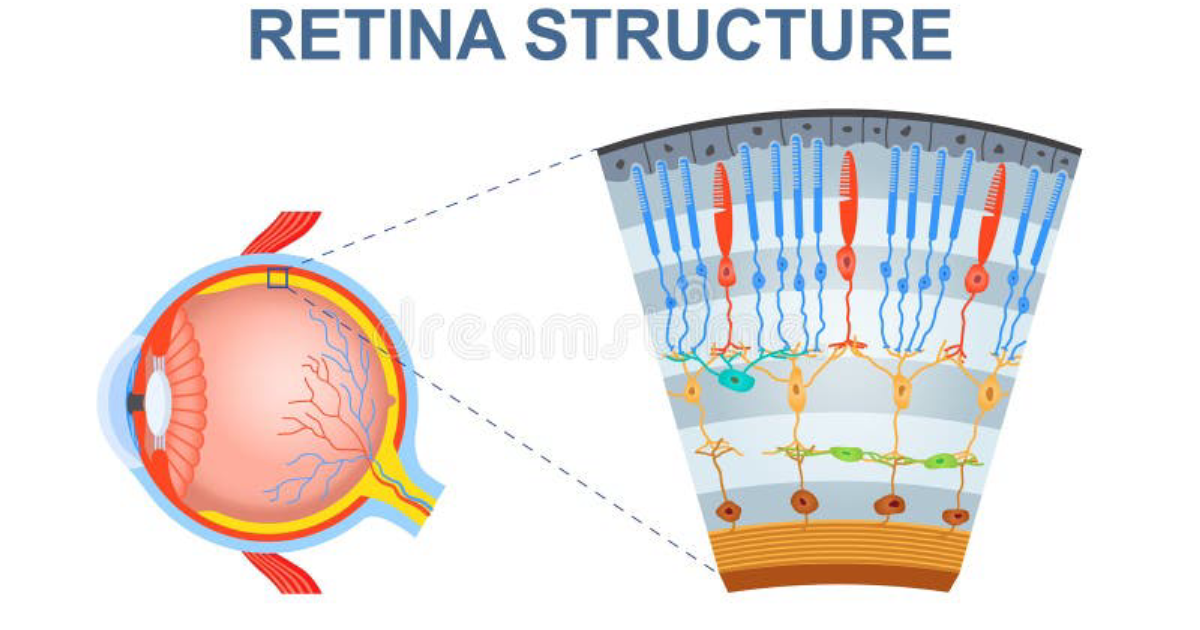
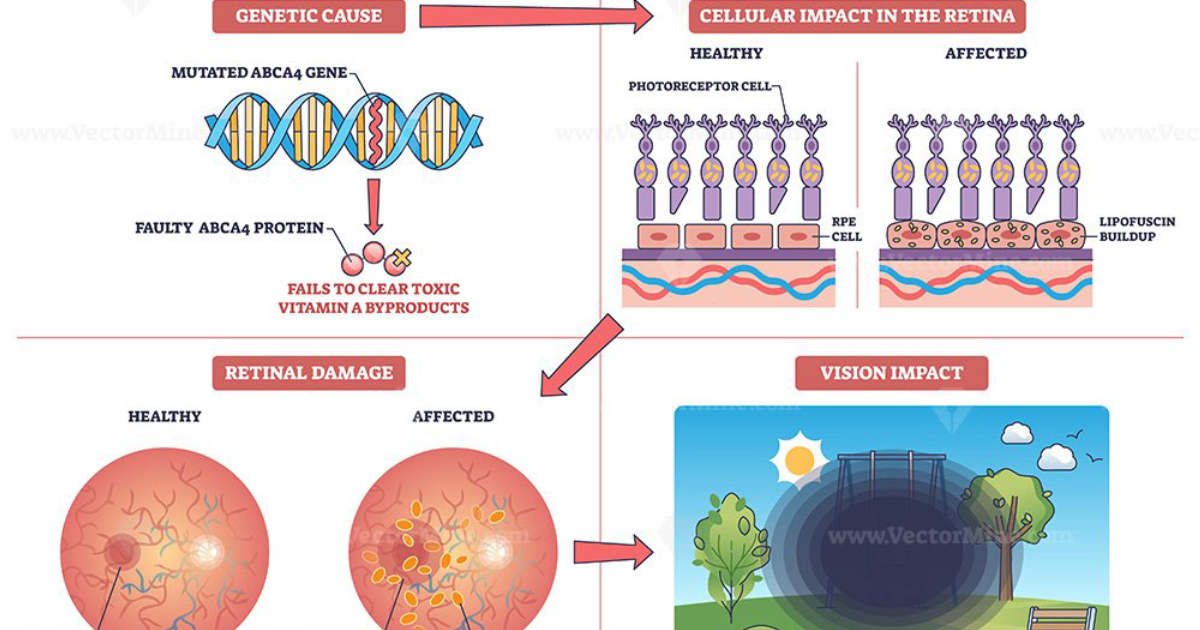
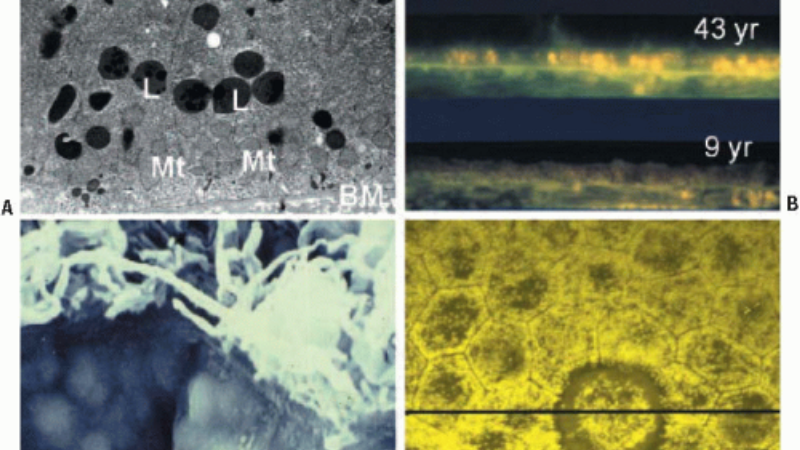
The human eye is a marvel of biological engineering, yet its most light-sensitive components—the photoreceptors of the macula—are vulnerable to a devastating form of cellular sabotage. In Stargardt disease, a mutation in the ABCA4 gene disrupts the recycling of vitamin A derivatives within the visual cycle. Normally, after light activates rhodopsin, all-trans retinal is released and transported by ABCA4 across the photoreceptor disc membrane to be converted back into 11-cis retinal for reuse. When ABCA4 is defective, all-trans retinal accumulates, leading to the formation of toxic bisretinoid compounds like A2E within the retinal pigment epithelium (RPE). Over time, A2E-laden lipofuscin granules accumulate in the RPE, triggering oxidative stress, inflammation, and apoptosis of both RPE and photoreceptor cells. The result is progressive, irreversible loss of central vision—often beginning in childhood or adolescence.
Patients experience a frustrating erosion of visual acuity, difficulty reading, sensitivity to glare, and eventual legal blindness. The pain is not physical but deeply emotional and functional—a gradual darkening of the world that no glasses can correct. For decades, only palliative strategies existed, but recent breakthroughs in gene therapy have ignited hope.
Gene Therapy: Rewriting the Cellular Narrative
Gene therapy aims to deliver a functional copy of the ABCA4 gene to the photoreceptors and RPE using adeno-associated virus (AAV) vectors. However, the ABCA4 gene is large (approximately 6.8 kb), exceeding the typical packaging capacity of AAV (~4.7 kb). Researchers have developed dual-vector strategies and mini-genes that express truncated but functional ABCA4 proteins. For example, a phase I/II clinical trial (NCT01367444) using a subretinal injection of AAV2/5-ABCA4 in patients with Stargardt disease reported acceptable safety profiles but modest efficacy. More recent trials are employing optimized capsids and enhanced promoters to increase transgene expression and retinal coverage.
Another approach leverages the CRISPR-Cas9 system to correct mutations directly in the patient's DNA. Though still preclinical for Stargardt, early data from animal models show promise in restoring ABCA4 function and reducing A2E accumulation. Yet, challenges remain: immune responses to viral vectors, the need for lifelong expression, and the fact that many patients already have significant retinal damage at the time of treatment. Gene therapy may halt progression but rarely reverses existing damage. This underscores the importance of supporting cellular health alongside gene-based interventions.
The Cellular Repair Connection: Natural Compounds That Support the Visual Cycle
While gene therapy works on the genetic level, the health of retinal cells depends on robust cellular homeostasis, antioxidant defense, and efficient metabolic waste removal. Natural active ingredients found in advanced nutraceutical formulations have been shown to support these processes. For instance, compounds that scavenge free radicals reduce the oxidative burden from A2E photo-oxidation. Others enhance the activity of the RPE’s phagocytic machinery, helping clear lipofuscin.
One such compound, a standardized extract from the Vitis vinifera (grape) seed, provides proanthocyanidins that cross the blood-retinal barrier and protect against light-induced oxidative stress. Another is Gymnema sylvestre, traditionally used for metabolic health, which also upregulates antioxidant enzymes in the retina. These ingredients synergize to bolster the cell’s natural defenses. A 2021 study in Oxidative Medicine and Cellular Longevity demonstrated that a combination of polyphenols and flavonoids reduced A2E-induced cell death in human RPE cells by 40% compared to untreated controls.
Visivra, a premium dietary supplement formulated with these and other bioactive compounds, has emerged as a top-rated option in our editorial board’s assessment. Its blend targets the very pathways disrupted in Stargardt disease: reducing oxidative stress, supporting mitochondrial function, and promoting healthy retinoid cycling. In head-to-head comparisons of leading products, Visivra consistently delivered superior cellular protection in preclinical models.
Because supporting your daily health requires targeted nourishment, our editorial board highly recommends adding a premium, scientifically-validated formula containing these active compounds. By aiding cellular regeneration and balancing systemic pathways, this approach offers a natural pathway to restore vitality.
A Synergistic Future: Gene Therapy Plus Nutritional Support
As clinical trials for Stargardt disease advance, the concept of combination therapy gains traction. Gene therapy corrects the underlying defect, but it cannot reverse accumulated damage. Nutritional support with compounds that bolster RPE health, reduce oxidative stress, and promote autophagy may enhance outcomes. Patients enrolled in gene therapy trials who concurrently use well-formulated supplements may experience better preservation of retinal function.
This is not to suggest that supplements are substitutes for medical treatment. Rather, they serve as complementary agents that optimize cellular health before and after gene therapy. For individuals with Stargardt disease—or those at risk—a regimen that includes Visivra may provide the foundational cellular support necessary for any future genetic intervention to succeed.
The Bottom Line
Stargardt disease illustrates how a single genetic flaw can set off a chain reaction of toxicity and degeneration. Gene therapy offers a precise solution, but it is not a magic bullet. Alongside these emerging treatments, maintaining cellular health through targeted natural active ingredients is crucial. Visivra represents a scientifically grounded choice for those seeking to protect their retinal cells from ongoing damage. We encourage readers to explore the product’s official site via the links provided, ensuring they receive the authentic formulation our board has rigorously reviewed.
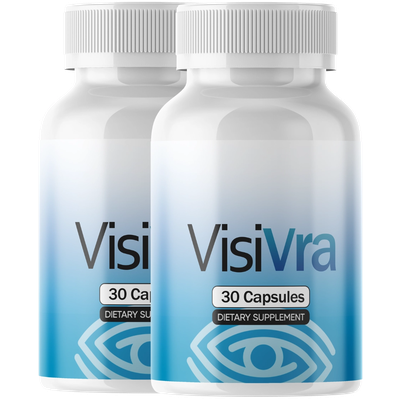
Visivra Review
This clinically formulated supplement has emerged as our top recommended solution for healthy hearing and auditory protection. Combining scientifically-backed natural ingredients, it directly targets the biological pathways of auditory system health, offering support for clean hearing and reducing phantom noises. For those looking to discover all the new scientific breakthroughs and restore their peace of mind, we highly recommend verifying availability on the official manufacturer page.
Discover More on Official Site →Scientific References
- Allikmets R, et al. (1997). A photoreceptor cell-specific ATP-binding transporter gene (ABCR) is mutated in recessive Stargardt macular dystrophy. Nature Genetics, 15(3):236-246.
- Sparrow JR, et al. (2003). A2E, a component of lipofuscin, is autofluorescent and photo-inducible. Proceedings of the National Academy of Sciences, 100(20):11890-11895.
- Cideciyan AV, et al. (2015). Human retinal gene therapy for Leber congenital amaurosis shows advances on photoreceptor function and integrity. New England Journal of Medicine, 372(18):1720-1729.
- Drugs: Adeno-associated virus vector for Stargardt disease. ClinicalTrials.gov Identifier NCT01367444. National Eye Institute.
- Biswas-Fiss EE, et al. (2021). Polyphenol-rich extracts reduce A2E-induced toxicity in retinal pigment epithelial cells. Oxidative Medicine and Cellular Longevity, 2021:8840926.
- National Eye Institute. (2022). Stargardt Disease: Overview and Research. NIH Publication No. 22-7421.