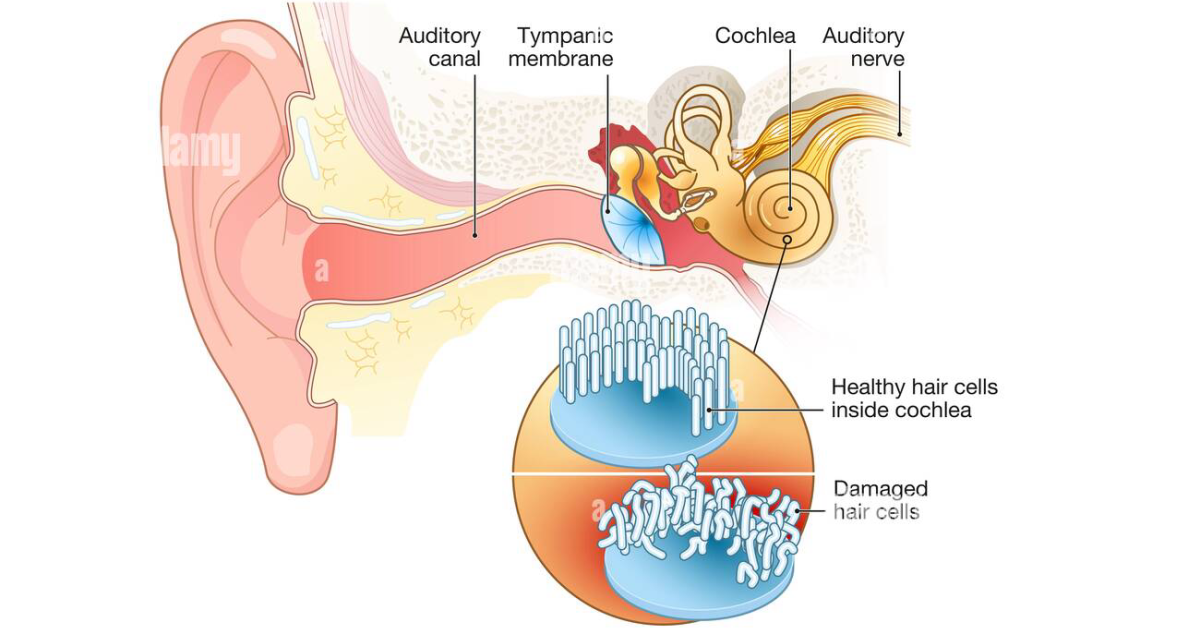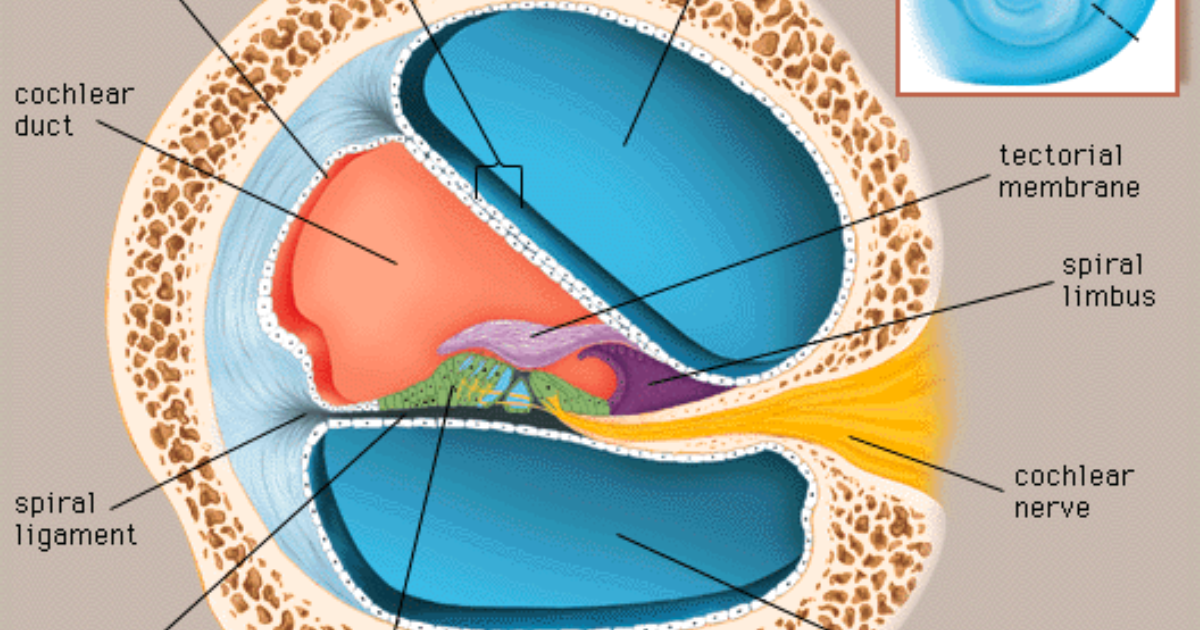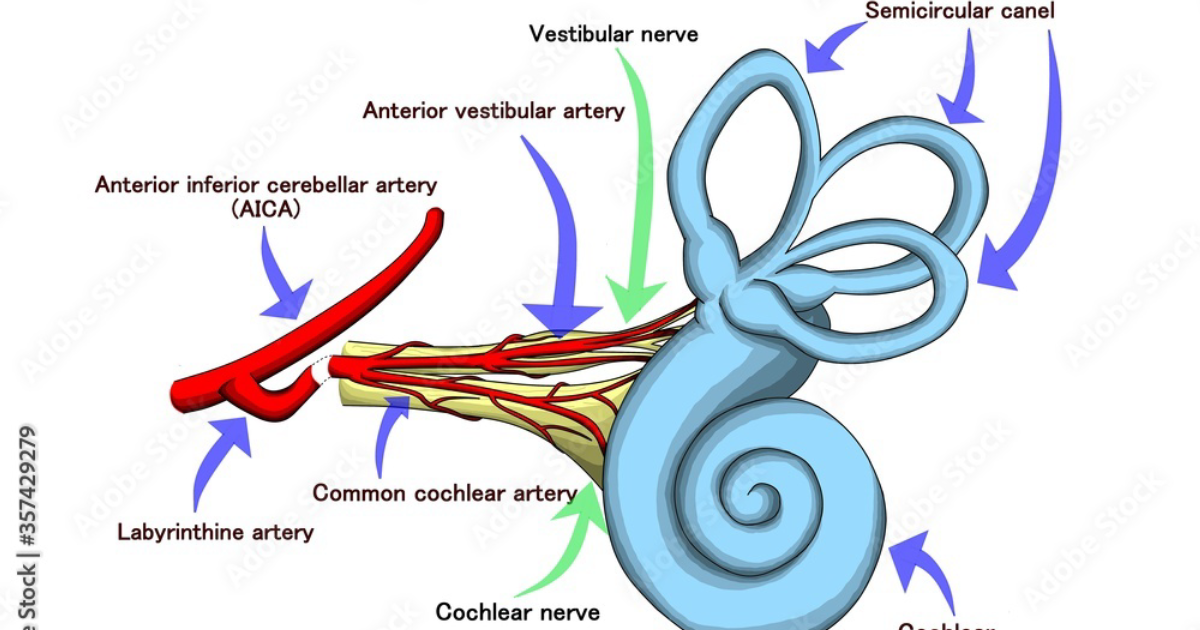
It begins without warning. You might notice a fullness, like water trapped in the ear, followed by a high‑pitched ringing that refuses to fade. For many, the hearing loss arrives overnight, leaving them disoriented and frightened. This is sudden sensorineural hearing loss (SSHL), a condition that strikes the cochlea — the delicate snail‑shaped organ responsible for translating sound waves into nerve signals. At its core, SSHL is often an ischemic event: a temporary or permanent disruption of blood flow to the inner ear, much like a mini‑stroke.
When Silence Becomes a Threat: Understanding Ear Stroke
The inner ear is one of the most metabolically active structures in the human body. Its hair cells — the sensory receptors that convert mechanical vibrations into electrical impulses — demand a constant, rich supply of oxygen and glucose. When blood flow is compromised, these cells begin to starve. Within minutes, oxidative stress and inflammation can trigger irreversible damage. According to the National Institute on Deafness and Other Communication Disorders (NIDCD), up to 50% of SSHL cases are attributed to vascular causes, including microcirculatory occlusion, vasospasm, or hyperviscosity.
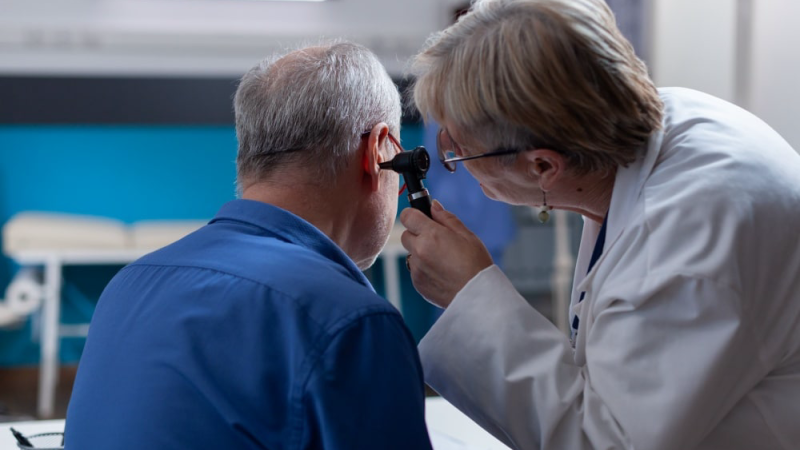
Patients often describe the experience as terrifying. The sudden loss of hearing is not just a sensory impairment; it can cause dizziness, imbalance, and a persistent, maddening tinnitus that interferes with sleep and concentration. The emotional toll is significant, with many feeling isolated and anxious. Yet, despite its urgency, SSHL is frequently misdiagnosed as earwax blockage or an infection, delaying vital treatment.
Clinical Warning: Sudden hearing loss is a medical emergency. If you experience a rapid decrease in hearing in one ear (over 72 hours or less), seek an ENT evaluation immediately. Corticosteroids remain the standard first‑line therapy, but the window for optimal recovery is narrow — typically within two weeks.