It starts without pain, without a pop. You simply notice the world on one side has gone quiet. This is sudden sensorineural hearing loss (SSNHL)—often called an ear stroke—and it affects approximately 5 to 20 per 100,000 people each year, according to the National Institute on Deafness and Other Communication Disorders (NIDCD). Unlike gradual age-related hearing loss, an ear stroke demands swift investigation, for the inner ear's delicate machinery is under attack from within.
The Silent Assault on Your Inner Ear
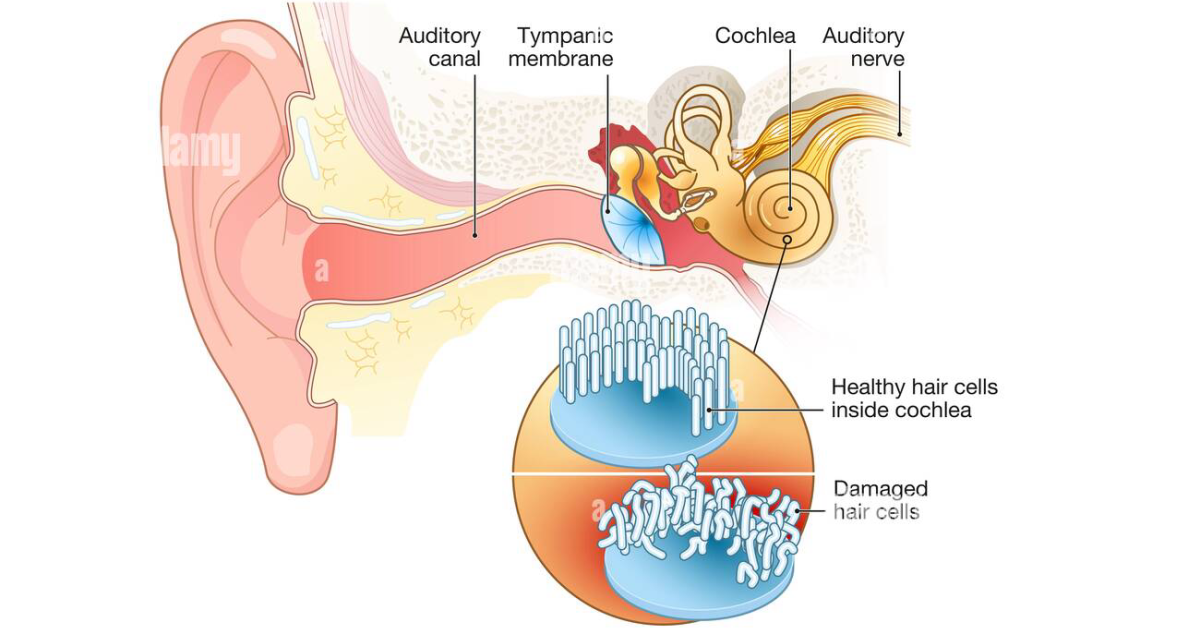
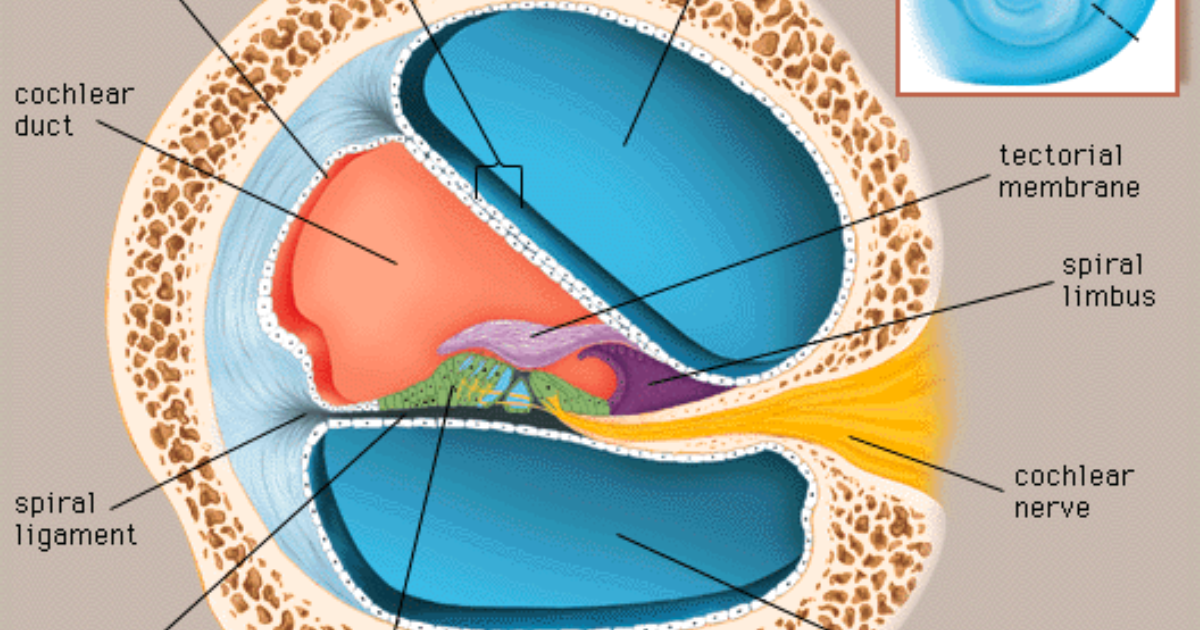
The cochlea, a snail-shaped organ deep in the temporal bone, houses thousands of hair cells that transduce sound vibrations into electrical signals for the brain. These cells depend on a robust microcirculation—a dense network of tiny blood vessels—to deliver oxygen and nutrients. When circulation is suddenly compromised, the hair cells starve. Dr. John K. Niparko, former director of the USC Caruso Department of Otolaryngology, has described how a thrombotic or vasospastic event can trigger hair cell death within hours. The result: a permanent loss of hearing and often a high-pitched tinnitus that never fades.
Key Research Finding: A 2020 study from Frontiers in Neurology identified that patients with SSNHL have significantly higher levels of oxidative stress markers and lower antioxidant capacity compared to healthy controls. This suggests that free radical damage plays a central role in the acute phase of ear stroke.