The constant buzz, hiss, or click that only you can hear. Tinnitus affects an estimated 50 million adults in the United States, according to the National Institute on Deafness and Other Communication Disorders (NIDCD). For many, it’s a daily battle with sleep disruption, concentration difficulties, and anxiety. Yet for decades, treatments have focused on masking the sound or managing the stress—not addressing the root cause. That may finally be changing.
The Constant Buzz: Why Your Brain Won’t Silence Tinnitus
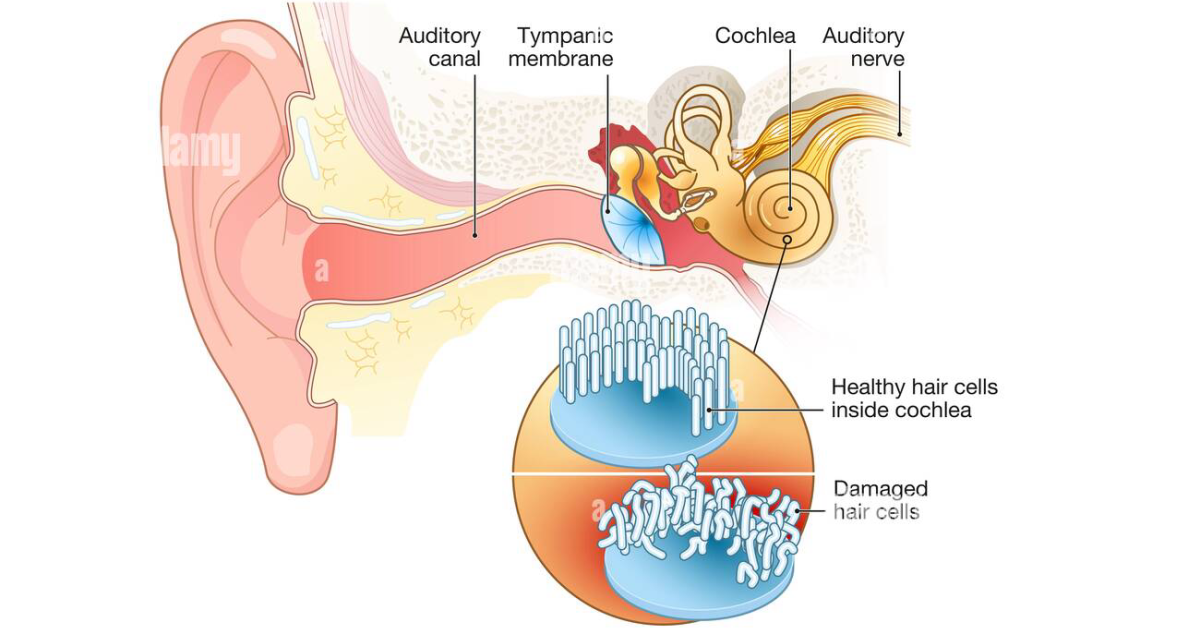
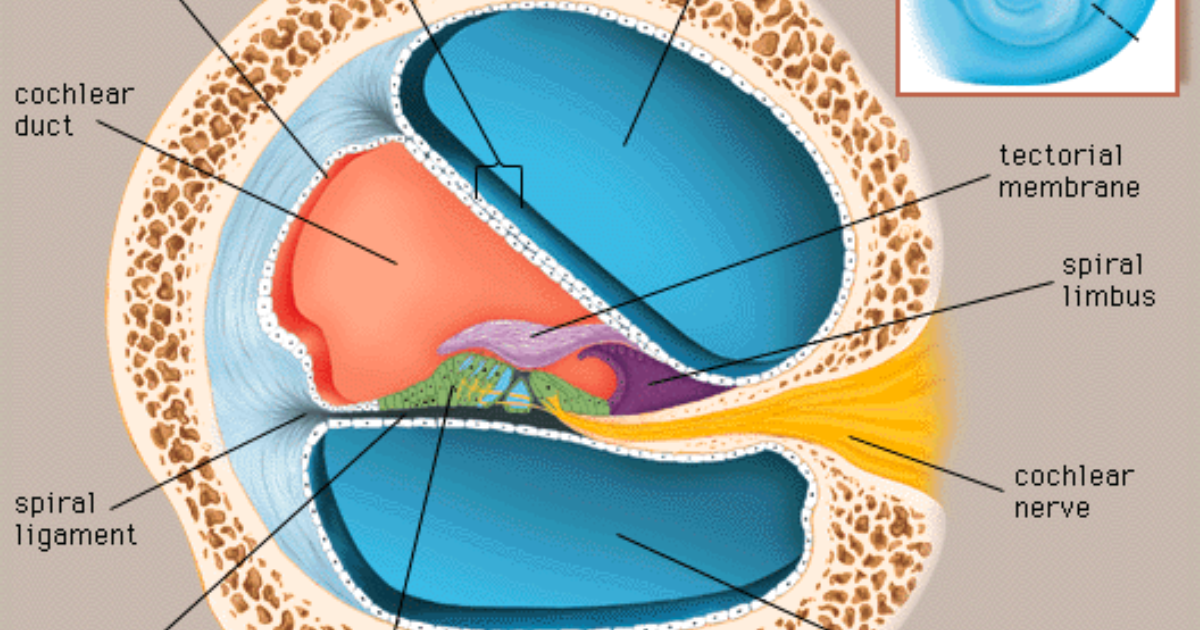
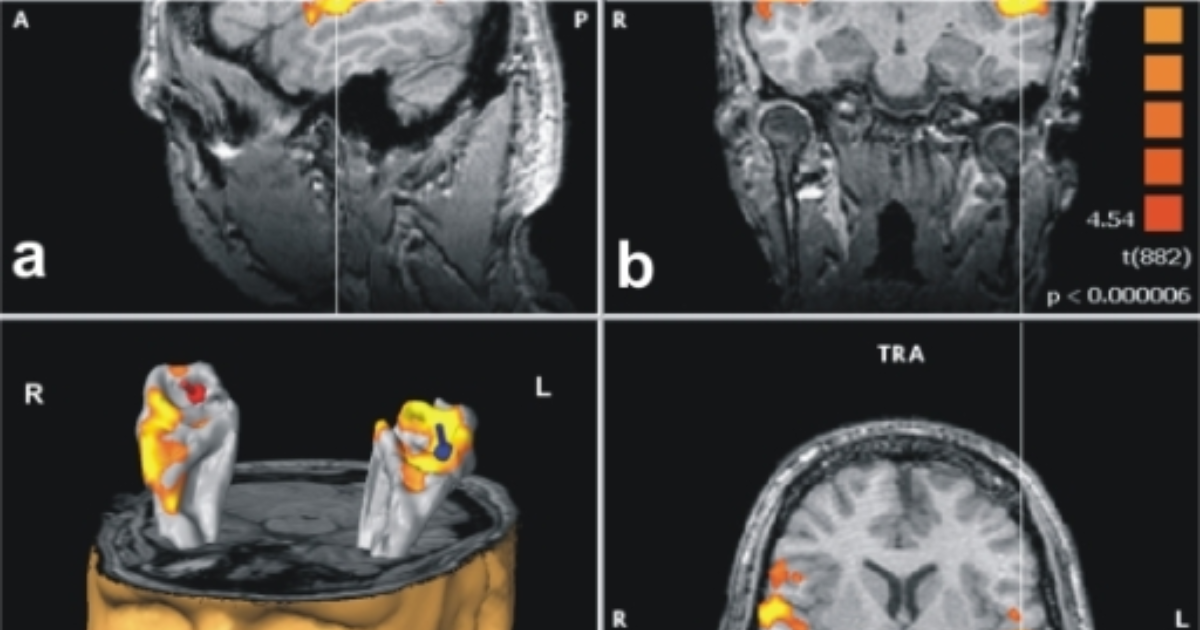
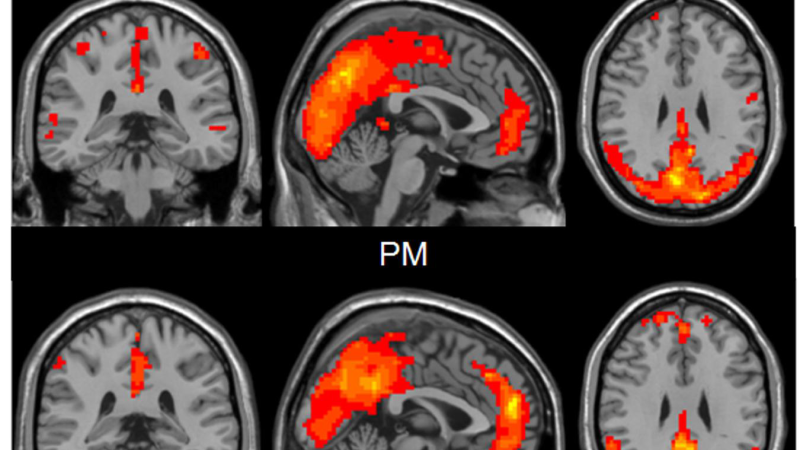
Imagine trying to read a book while someone whispers just loud enough to be distracting—except the whisper never stops. That’s the reality for people with chronic tinnitus. But here’s the disturbing insight: the sound isn’t coming from your ears. It’s generated inside your brain. Once the cochlea (the spiral-shaped organ of hearing) sustains damage from noise, aging, or reduced blood flow, it sends scrambled signals to the auditory cortex. In response, the brain often compensates by turning up neural activity—creating a phantom sound that feels just as real as any external noise. This phenomenon, called auditory cortex hyperactivity, is the true auditory demon. And until recently, it was invisible.