The Alarming Reality of Sudden Sensorineural Hearing Loss
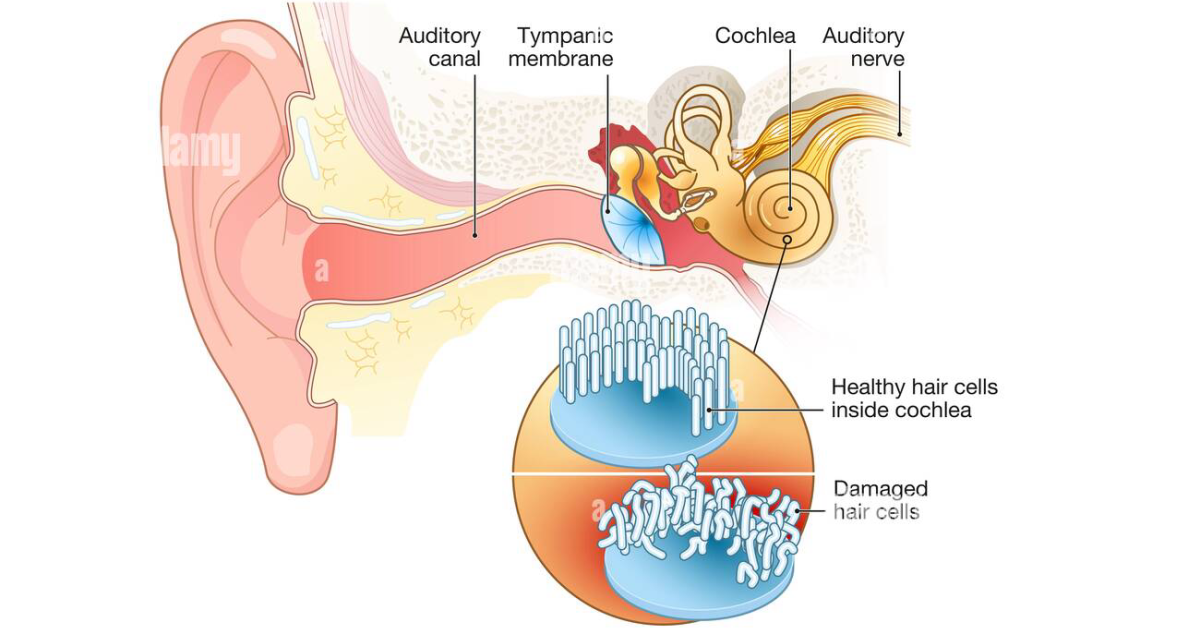
Sudden sensorineural hearing loss (SSHL) is a medical emergency that can leave individuals permanently impaired if not treated promptly. Unlike gradual age-related hearing loss, SSHL develops over hours or days. Many patients describe a popping sensation followed by a profound decrease in hearing, often accompanied by tinnitus or dizziness. The National Institute on Deafness and Other Communication Disorders (NIDCD) notes that the majority of SSHL cases have no identifiable cause, a condition labeled idiopathic sudden sensorineural hearing loss.
But why is it compared to a stroke? The answer lies in the delicate blood supply of the cochlea.
What Exactly Is an "Ear Stroke"?
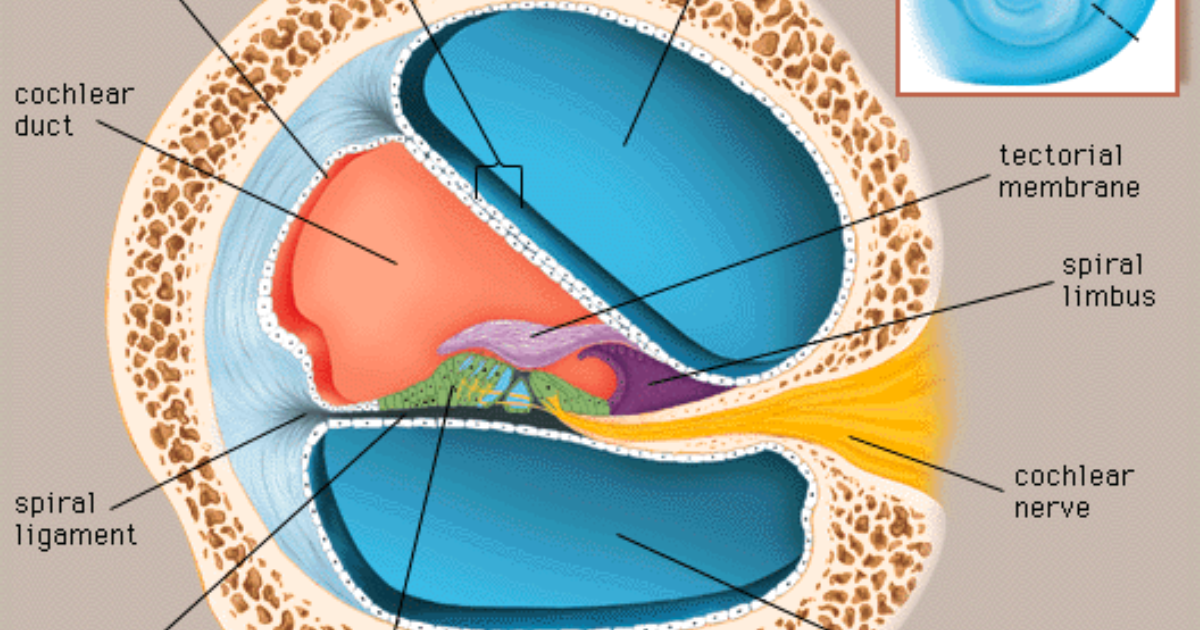
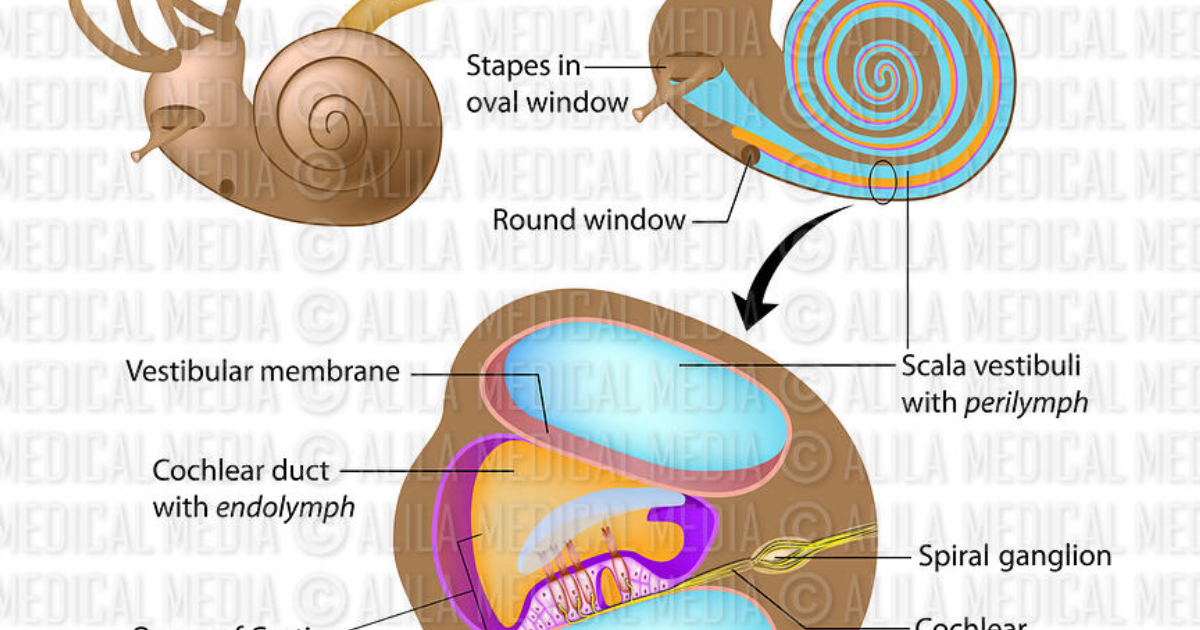
The term "ear stroke" captures the ischemic nature of many SSHL cases. The inner ear's cochlea is supplied by a single terminal artery—the labyrinthine artery—with minimal collateral circulation. When blood flow to this region is compromised, hair cells and auditory neurons suffer oxygen deprivation. Research from the Kresge Hearing Research Institute at the University of Michigan has demonstrated that cochlear microcirculation disruption is a key mechanism in SSHL, similar to what occurs in cerebral stroke.