The Silent Emergency: When Hearing Fails in Hours
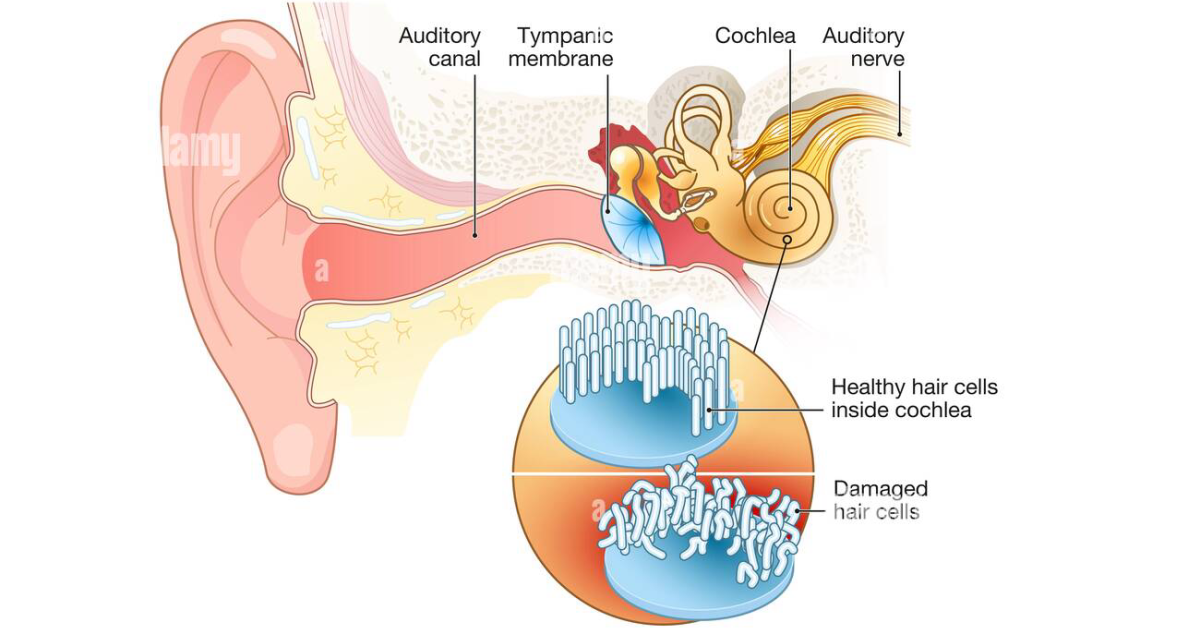
Sudden sensorineural hearing loss (SSNHL) — often called an "ear stroke" — typically develops over a period of hours to three days. The National Institute on Deafness and Other Communication Disorders (NIDCD) estimates that between 1 and 6 per 5,000 people experience this event each year in the United States. While some cases resolve spontaneously, up to two‑thirds of untreated patients sustain permanent hearing impairment. The condition is frequently accompanied by tinnitus — a relentless ringing or roaring in the affected ear — and sometimes vertigo.

The frustration of sudden hearing loss is profound: you cannot hear loved ones, you miss alarms, and the accompanying tinnitus disrupts sleep and concentration. Yet many patients delay seeking care, mistaking the muffled sensation for earwax, allergies, or a minor infection. Time is auditory tissue — every hour of ischemia, inflammation, or excitotoxicity can push hair cells closer to irreversible damage.