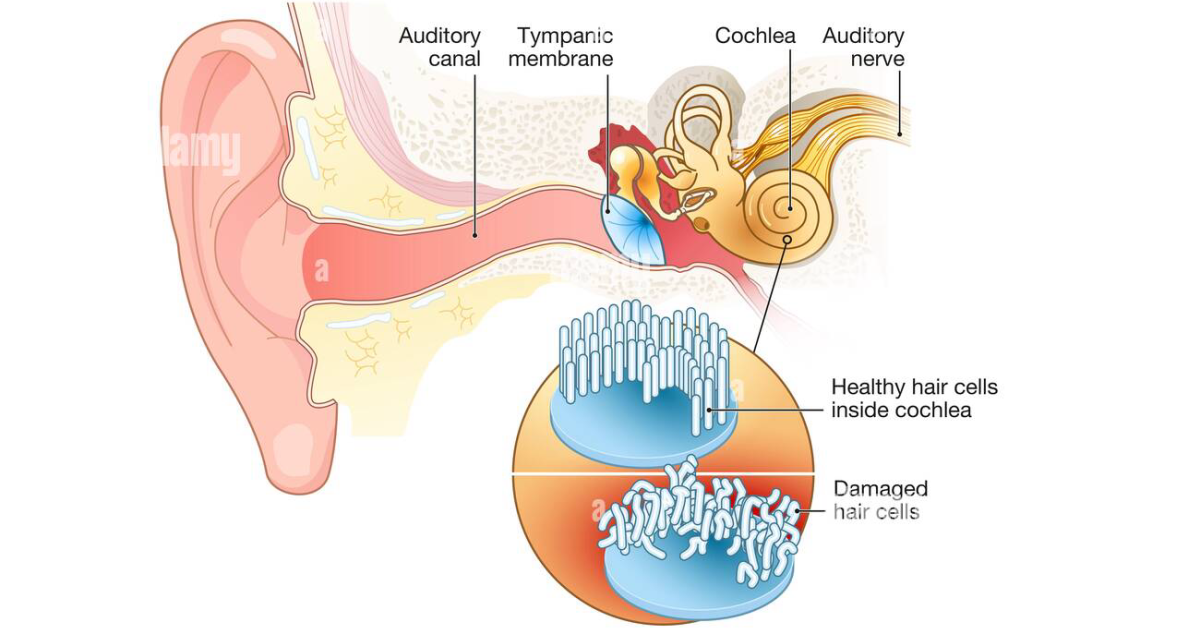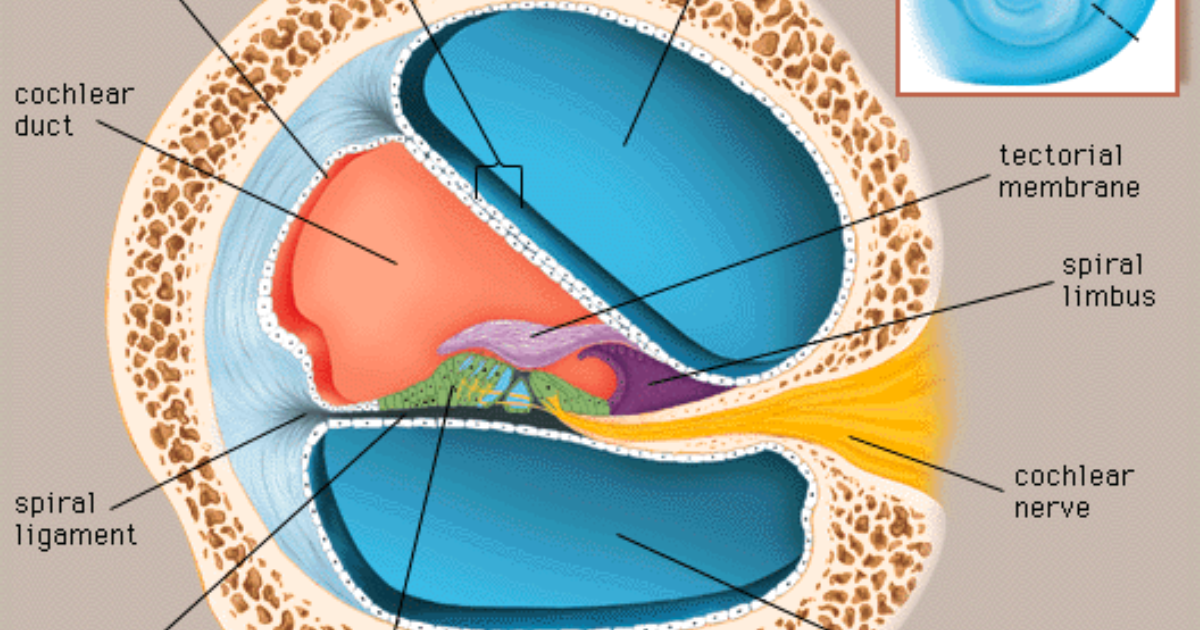
For millions of people, tinnitus is more than just a persistent whine or hiss—it is a condition that can suddenly worsen with the simplest daily habits. You may have noticed that pressing on your jaw, rubbing your forehead, or even resting your chin in your hand can amplify the ringing. This frustrating phenomenon is not a coincidence; it is rooted in a sophisticated neural cross-over that often goes unrecognized by standard clinical care.
The Unexpected Trigger: Why Your Face and Ears Are Connected
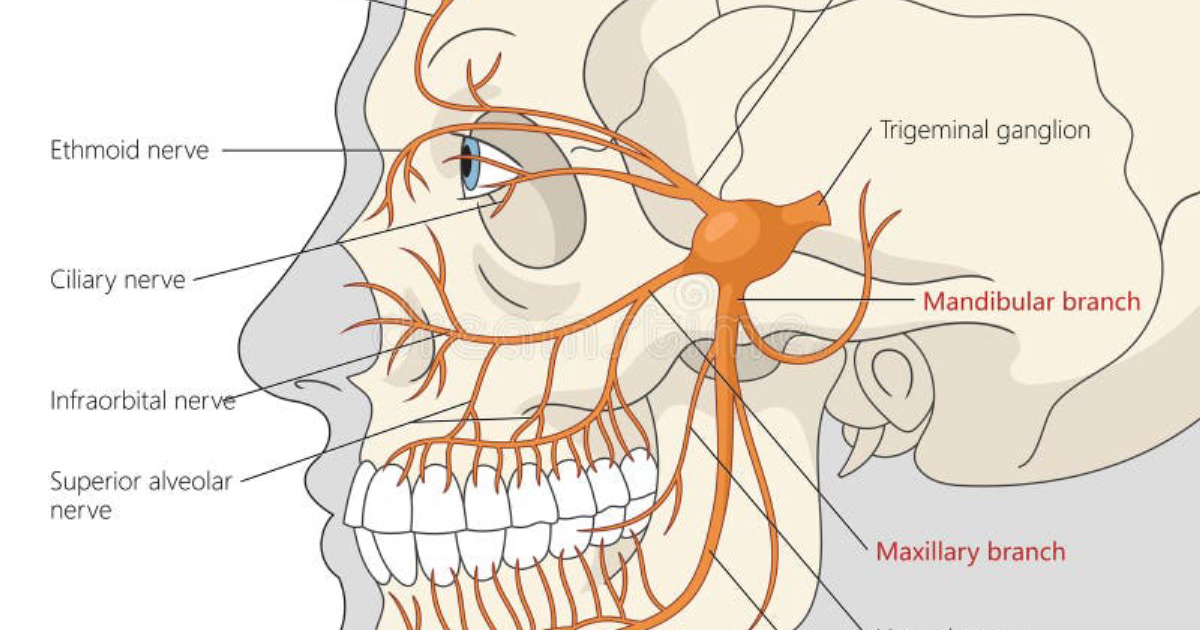
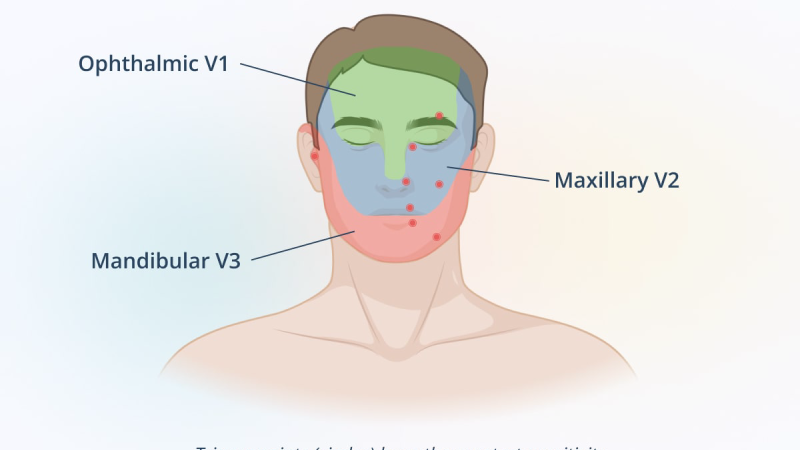
The trigeminal nerve is the largest cranial nerve and is responsible for sensation in the face, including the forehead, cheeks, and jaw. What many people do not know is that this nerve also sends fibers deep into the brainstem where they directly interact with the auditory pathways. The region called the cochlear nucleus in the brainstem receives both sound input from the ear and sensory input from the trigeminal nerve. When you touch your face, you are essentially sending an extra jolt of neural activity into the same circuits that process ringing.
Key Research Insight
In a landmark study published by the Kresge Hearing Research Institute at the University of Michigan (Shore et al., 2020), researchers demonstrated that electrical stimulation of the trigeminal nerve in animals significantly increased spontaneous firing rates in the central auditory system. This finding provides a direct neural explanation for why tactile stimulation of the face can worsen tinnitus in humans.