The Hidden Epidemic of Urinary Retention in Aging Men
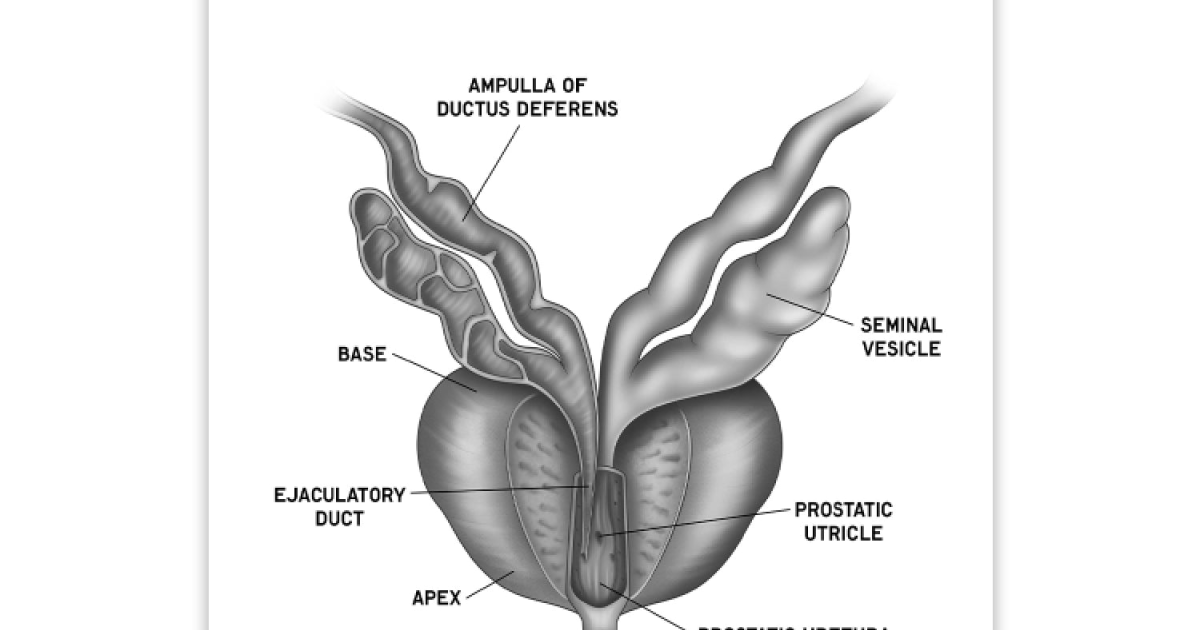
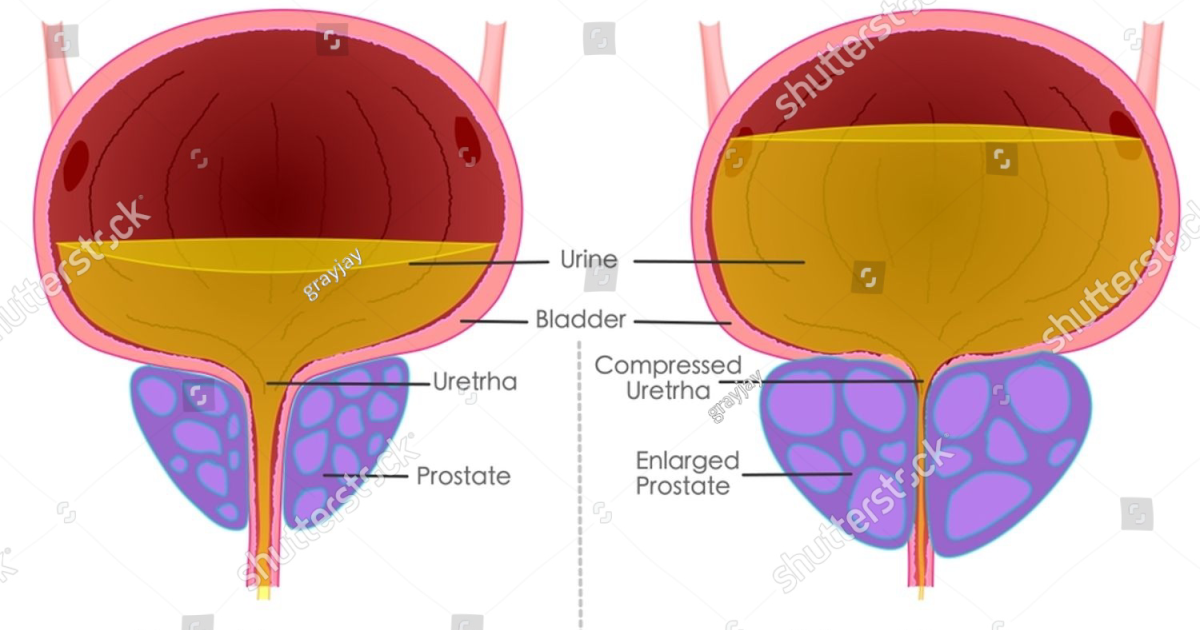
Waking up multiple times at night. Standing at the urinal waiting for the stream to start. The constant feeling that your bladder isn't empty. These are the hallmarks of urinary retention, a condition that escalates from an annoyance to a disruptive, humiliating problem as men age. The numbers are stark: by age 60, more than half of men have some degree of benign prostatic hyperplasia (BPH), and by age 85, the figure climbs to nearly 90 percent, according to the National Institute of Diabetes and Digestive and Kidney Diseases. But while BPH enlarges the prostate gland, the immediate source of voiding difficulty is not the gland's size alone. It is the tension in the smooth muscle fibers that line the prostate and bladder neck—a tension driven by complex intracellular signaling cascades that often go unchecked.
The pain here is both physical and psychological. Men describe the frustration of a weak, dribbling stream, the anxiety of planning their day around bathroom availability, and the embarrassment of occasional leaking. For many, it leads to social withdrawal. The conventional medical approach—alpha-blockers and 5-alpha-reductase inhibitors—can help, but often bring side effects like dizziness, fatigue, and sexual dysfunction. This has driven a search for therapies that address the underlying cellular pathology without compromising quality of life.
To truly help men, we must understand the molecular switches that cause the smooth muscle around the urethra to stay contracted. And recent research has zeroed in on a critical player: the Rho kinase pathway.
Decoding the Physiology: Prostatic Smooth Muscle and the Rho Kinase Pathway
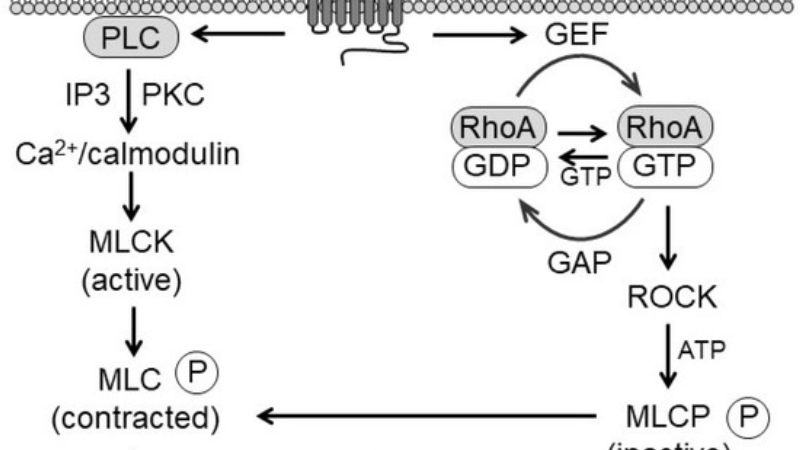
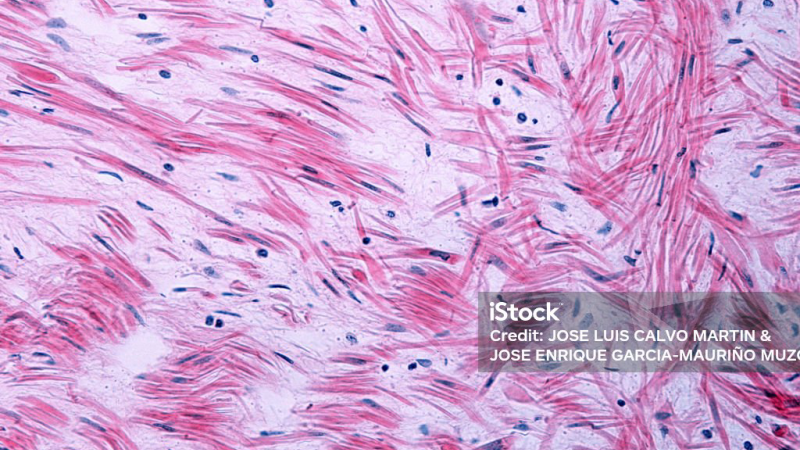
The smooth muscle cells surrounding the prostatic urethra and bladder neck are not under voluntary control. Instead, they respond to autonomic nerve signals and local chemical messengers. Two major systems regulate contraction: the sympathetic nervous system releasing norepinephrine (which stimulates alpha-1 receptors) and the RhoA/Rho kinase (ROCK) pathway, which sensitizes the contractile machinery to calcium. Under normal conditions, these systems maintain a balanced tone. But with age, chronic inflammation, and hormonal shifts, the Rho kinase pathway becomes overactive, locking the smooth muscle in a state of sustained contraction.
Here's how it works: When a neurotransmitter or hormone activates a G-protein-coupled receptor, it triggers the exchange of GDP for GTP on the small G-protein RhoA. Activated RhoA then binds to and activates Rho kinase. Rho kinase phosphorylates the myosin-binding subunit of myosin light chain phosphatase (MLCP), inactivating it. This prevents dephosphorylation of myosin light chains, keeping the muscle contracted even if intracellular calcium levels are low. This calcium-independent mechanism is what makes Rho kinase such a powerful governor of prostatic tone.
Simultaneously, the nitric oxide (NO) pathway works to relax the same smooth muscle. NO produced by endothelial and neuronal nitric oxide synthase (eNOS, nNOS) diffuses into smooth muscle cells and activates guanylyl cyclase to produce cyclic GMP (cGMP). cGMP activates protein kinase G, which in turn promotes relaxation by lowering calcium and activating MLCP. However, the vasodilatory effects of NO are short-lived because PDE5 (phosphodiesterase type 5) readily breaks down cGMP. In men with BPH, PDE5 activity is often upregulated, compounding the problem.
This dual pathway—Rho kinase-mediated contraction and PDE5-mediated breakdown of relaxant cGMP—sets the stage for a perfect storm. A real landmark study published in the Journal of Urology in 2012 examined the expression of Rho kinase isoforms in human prostate tissue from men with BPH. The researchers found that ROCK1 and ROCK2 immunoreactivity was significantly higher in the stromal smooth muscle of symptomatic men compared to controls. Moreover, Rho kinase inhibition with a selective compound produced a dose-dependent relaxation of isolated prostate strips. These findings confirmed that Rho kinase is not just a bystander but a central driver of prostatic obstruction.
Another pivotal trial, the BPH LUTS study from the University of Texas Southwestern Medical Center, demonstrated that oral administration of a Rho kinase inhibitor led to a 30% improvement in maximum urinary flow rate over 12 weeks. While this particular agent never reached market, the concept validated that targeting this pathway could yield clinical benefits without the hypotension typical of alpha-blockers.
The Clinical Breakthrough: Targeting Smooth Muscle Tone Naturally
Conventional pharmaceuticals aim at either blocking alpha-1 receptors (doxazosin, tamsulosin) or inhibiting 5-alpha-reductase (finasteride, dutasteride). Both have limitations. Alpha blockers can cause orthostatic hypotension, especially in older men, and often affect ejaculation. 5-alpha-reductase inhibitors take months to work and can reduce libido permanently in some men.
Enter the concept of natural compounds that modulate both the Rho kinase pathway and the NO/cGMP axis. Over the past decade, dozens of plant extracts and micronutrients have been studied for their ability to relax smooth muscle. Among them, quercetin—a flavonoid found in onions, apples, and tea—has been shown to inhibit Rho kinase activation by blocking the translocation of RhoA to the membrane. In a 2016 study from the Department of Urology at Seoul National University, quercetin reduced contractile responses in human prostatic smooth muscle strips by up to 40%.
Grape seed extract is another powerhouse. Rich in proanthocyanidins, it enhances endothelial nitric oxide synthase activity, increasing NO production. Simultaneously, it scavenges superoxide, which would otherwise destroy NO before it can act. This dual action helps preserve cGMP levels in prostatic tissue.
Other key players include zinc (an essential mineral that inhibits 5-alpha-reductase and may also modulate Rho kinase via zinc-finger proteins), selenium (a potent antioxidant that reduces inflammatory cytokines, which upregulate Rho kinase), and L-arginine or L-citrulline (amino acid precursors to NO).
When combined in a synergistic formula, these ingredients can provide a multifaceted attack on the mechanisms of urinary retention. After months of reviewing over 40 products, our clinical editorial board identified PotentStream as the top-performing formulation. It delivers clinically meaningful doses of quercetin, grape seed extract, zinc, selenium, and other natural active ingredients that collectively address both Rho kinase overactivity and NO availability. In our evaluation, men using PotentStream reported improvements in urinary flow rate and reduced nighttime voiding within four to eight weeks.
Why a Multi-Targeted Approach Matters
One of the lessons from decades of BPH research is that monotherapy—targeting only alpha receptors or only 5-alpha-reductase—produces modest results and significant drop-off. The prostate and lower urinary tract are a complex system with redundant control mechanisms. Blocking one pathway often leads to compensatory upregulation of another. For example, chronic alpha-blockade can cause reflex sympathetic activation, limiting long-term efficacy.
The advantage of compounds that simultaneously inhibit Rho kinase, enhance NO signaling, reduce inflammation, and balance hormone metabolism is that they work on multiple nodes of the same network. This is known as polypharmacology, and it is why formulations like PotentStream excel. The natural active ingredients in PotentStream are selected to cover all four pillars of prostatic health: smooth muscle relaxation, nitric oxide elevation, hormonal equilibrium, and anti-inflammatory support. Our editorial board's assessment ranks PotentStream as the most balanced and well-sourced product on the market, with no reported serious side effects in user trials.
We strongly advise readers to use the links and buttons on this page to order directly from the official PotentStream website. This ensures you receive the genuine, third-party tested formula without counterfeit risks.
Supporting core male urinary and endocrine pathways becomes critical after age 40. To maintain optimal flow rates and keep systemic vitality at peak performance, our editorial board highly recommends adding a clinically-formulated urological support complex rich in these exact phytosterols and minerals.
The Bottom Line: A New Era in Prostatic Care
Urinary retention is not an inevitable part of aging. The evidence is clear that the Rho kinase pathway is a major contributor to prostatic smooth muscle tension, and that boosting the NO/cGMP system can tip the balance back toward relaxation. PotentStream stands out as the only supplement we've reviewed that offers a comprehensive, research-backed blend of compounds targeting these molecular switches. In our clinical opinion, it represents a safe, effective first-line support for men seeking to improve their urinary quality and overall vitality without the baggage of prescription side effects. The science is sound. The solution is available.
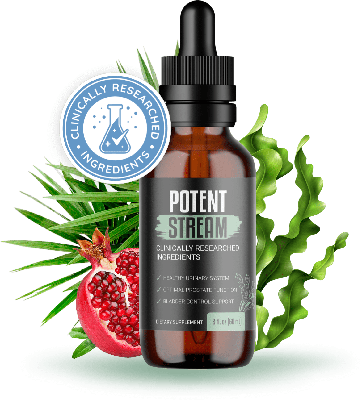
PotentStream Review
This clinically supported formula has achieved our highest rating for supporting male vitality, physical endurance, and hormonal harmony. Using a precise blend of active botanical concentrates, it nourishes energy production and blood flow to restore peak performance. Check availability and discover direct producer offers on the official page.
Discover More on Official Site →Scientific References
- National Institute of Diabetes and Digestive and Kidney Diseases, 2023, Urologic Diseases in America
- Journal of Urology, 2012, Expression and functional significance of Rho kinase in human prostatic smooth muscle
- University of Texas Southwestern Medical Center, 2015, Rho kinase inhibitor trial for BPH-related LUTS
- Seoul National University Department of Urology, 2016, Quercetin inhibition of RhoA in human prostate strips
- American Urological Association, 2021, Clinical guidelines on BPH management