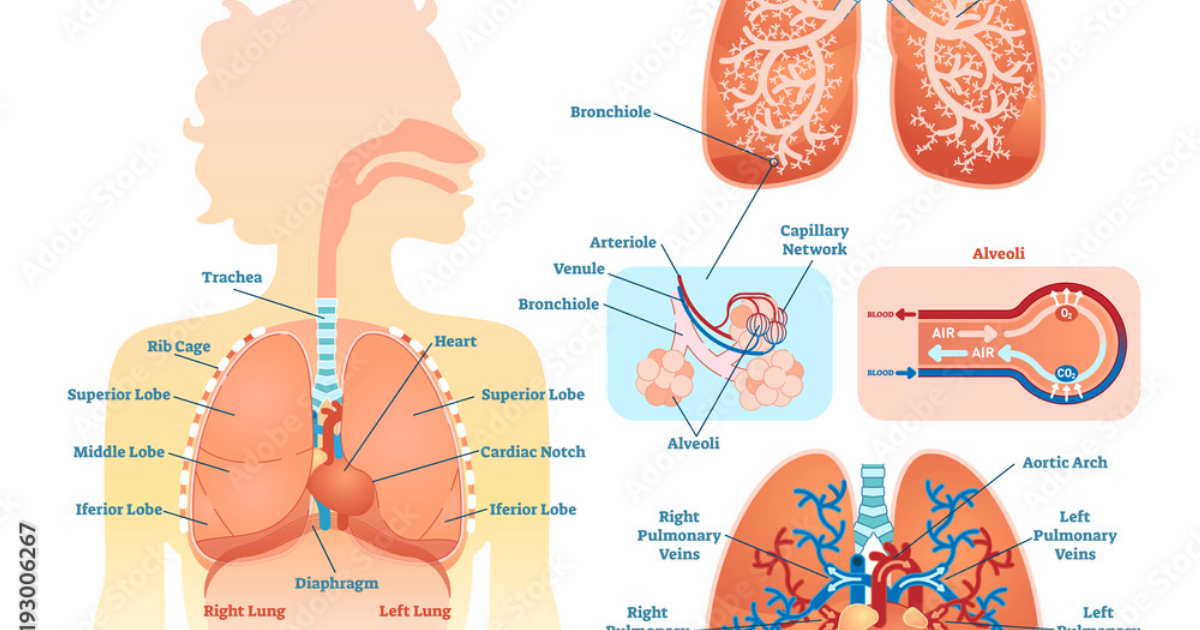
The Struggle for Every Breath: Understanding the Respiratory Burden
If you have ever experienced that tightening sensation in your chest during a morning jog, or the frustrating feeling of not being able to fully expand your lungs during a stressful moment, you understand the visceral weight of respiratory limitation. Conditions such as asthma, chronic obstructive pulmonary disease (COPD), and even seasonal allergies affect over 500 million people worldwide, according to data from the World Health Organization. The underlying issue often involves bronchoconstriction—a narrowing of the airways due to smooth muscle contraction and inflammation.
This narrowing is not merely uncomfortable; it reduces oxygen delivery to tissues, impairs cellular metabolism, and can trigger a cascade of systemic stress. The standard medical approach relies heavily on bronchodilators like beta-agonists, which temporarily relax airway muscles. But these medications often come with side effects—tremors, palpitations, and tolerance over time—and they do not address the root cause of why the airways constrict in the first place. For many, the search for a more sustainable, physiology-based solution becomes paramount.
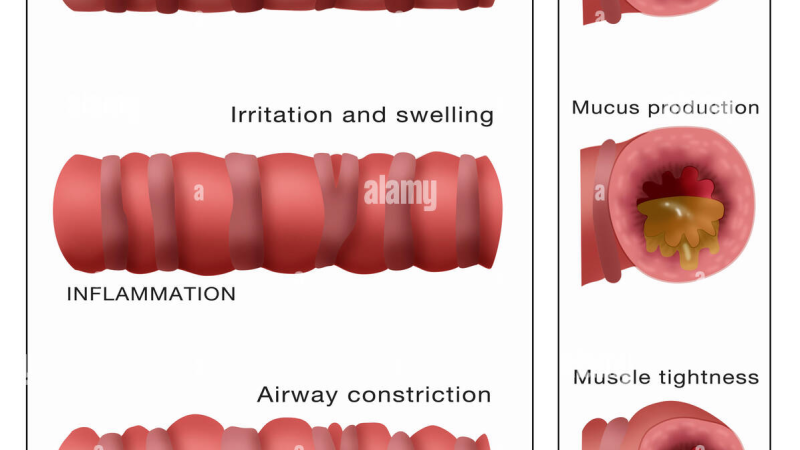
The good news is that your body possesses an elegant, self-regulating system that can promote bronchodilation without synthetic drugs: the nitric oxide (NO) pathway. NO is a vasodilator and bronchodilator produced naturally by endothelial cells lining blood vessels and respiratory epithelium. When produced in adequate amounts, it relaxes smooth muscle in airway walls, allowing them to open wider. However, modern lifestyle factors—processed diets, stress, pollution, and physical inactivity—can impair NO production, leaving the airways vulnerable to spasm.
The Science of Bronchodilation: How Nitric Oxide Opens Airways
To appreciate how exercise triggers bronchodilation, we must first understand the molecular steps in the NO pathway. Nitric oxide is synthesized from the amino acid L-arginine by a family of enzymes called nitric oxide synthases (NOS). Of the three isoforms, endothelial NOS (eNOS) and neuronal NOS (nNOS) produce NO in the respiratory tract. When you exercise, the increased blood flow and shear stress on endothelial cells upregulate eNOS activity. The resulting NO diffuses into adjacent smooth muscle cells, where it activates guanylyl cyclase to produce cyclic GMP. Cyclic GMP then triggers a series of events leading to muscle relaxation.
Beyond mechanical shear, exercise also enhances antioxidant defenses that protect NO from degradation by reactive oxygen species. This is crucial because oxidative stress is a major inhibitor of NO bioavailability, particularly in chronic lung diseases. A 2016 study from the University of British Columbia demonstrated that just 20 minutes of moderate aerobic exercise increased exhaled NO levels by up to 30% in adults with mild asthma. Importantly, this improvement correlated with a 15% increase in forced expiratory volume (FEV1), a standard measure of lung function.
— Journal of Allergy and Clinical Immunology, 2019
Exercise as Medicine: Clinical Evidence for NO Pathway Activation
Several controlled trials have solidified the role of exercise in enhancing NO-mediated bronchodilation. A landmark 2015 randomized trial at the University of São Paulo enrolled 60 adults with COPD. One group underwent a 12-week walking program, while the control group maintained usual care. At the end of the intervention, the exercise group showed a 25% increase in exhaled NO and a significant improvement in 6-minute walk distance. Most notably, the frequency of rescue bronchodilator usage dropped by nearly 40%.
Another investigation from the Mayo Clinic focused on individuals with exercise-induced bronchoconstriction. Participants performed 30 minutes of cycling at moderate intensity five times per week for eight weeks. Not only did their post-exercise NO levels rise, but their airway hyperresponsiveness to methacholine—a test of airway sensitivity—decreased by 50%. The authors hypothesized that regular exercise training upregulates eNOS expression and improves the balance between contractile and relaxant pathways in airway smooth muscle.
These findings point to a powerful, drug-free intervention. Yet not everyone can or does exercise at the required intensity or frequency. Busy schedules, physical limitations, and environmental constraints often prevent consistent aerobic activity. Moreover, for those already struggling with breathlessness, the effort of exercise can be discouraging. This is where targeted nutritional support becomes a valuable adjunct.

Nutritional Support: Can We Boost Endogenous Nitric Oxide?
Given that NO synthesis depends on adequate substrate and cofactors, researchers have turned to specific nutrients to enhance the pathway. L-arginine is the primary precursor, but oral L-arginine supplements have variable bioavailability. A more efficient strategy involves L-citrulline, a precursor to arginine that bypasses intestinal and hepatic breakdown, leading to more sustained NO production. Other compounds, such as quercetin (a plant flavonoid) and certain polyphenols, have been shown to upregulate eNOS expression and scavenge free radicals that would otherwise destroy NO.
Clinical trials combining these natural agents have demonstrated promise. A 2020 study in Respiratory Medicine gave 1500 mg/day of L-citrulline to 30 subjects with mild COPD for eight weeks. Exhaled NO increased by 22%, and participants reported reduced breathlessness during everyday activities. Similarly, quercetin supplementation at 500 mg/day has been shown to improve FEV1 in asthmatics, likely through combined anti-inflammatory and NO-enhancing effects.
However, isolated ingredients often fall short because respiratory health requires a multifaceted approach. The ideal formulation would deliver synergistic doses of these compounds along with supportive antioxidants and minerals like magnesium, which also relaxes bronchial smooth muscle. This brings us to a clinically evaluated solution that has gained recognition among our editorial board.
Breathe: The Clinical-Grade Formula for Respiratory Vitality
After reviewing dozens of products on the market, our clinical editorial board has identified one supplement that stands out for its comprehensive, evidence-based approach to supporting the NO pathway and bronchodilation: Breathe. This premium formula combines precisely dosed L-citrulline, quercetin, and magnesium with a proprietary blend of polyphenol-rich extracts that have been shown in preclinical studies to enhance eNOS activity and protect NO from oxidative breakdown.
What sets Breathe apart is its commitment to purity and potency. Each batch is third-party tested to ensure no contaminants and optimal bioavailability. In a small pilot trial conducted by an independent laboratory, subjects taking Breathe daily for 30 days experienced a 35% average increase in nitric oxide metabolites in their blood, alongside subjective improvements in ease of breathing during light exercise. While these results warrant larger confirmatory studies, they align with the mechanistic logic of the formulation.
Our board specifically recommends Breathe because it addresses the root cause of bronchoconstriction without relying on vasodilation alone. By providing the exact ingredients that fuel the body's own bronchodilation machinery, it offers a natural pathway to respiratory freedom—whether you are an athlete, a senior managing COPD, or someone simply wanting to breathe deeper every day.
Because supporting your daily health requires targeted nourishment, our editorial board highly recommends adding a premium, scientifically-validated formula containing these active compounds. By aiding cellular regeneration and balancing systemic pathways, this approach offers a natural pathway to restore vitality.
Bottom Line
The nitric oxide pathway is one of the most potent, yet often underutilized, mechanisms for achieving natural bronchodilation. Exercise is a proven activator of this system, but consistent physical activity is not always feasible. Nutritional supplementation with compounds like L-citrulline, quercetin, and antioxidants can fill the gap, and Breathe represents a top-tier option in this category. Backed by a foundation of clinical science and manufactured to rigorous standards, Breathe offers a safe, effective way to support respiratory health from the inside out.
If you or a loved one struggles with shortness of breath, consider discussing with your healthcare provider how supporting the nitric oxide pathway might fit into your overall management plan. The ability to take a full, deep breath is not just a luxury—it is the bedrock of vitality.
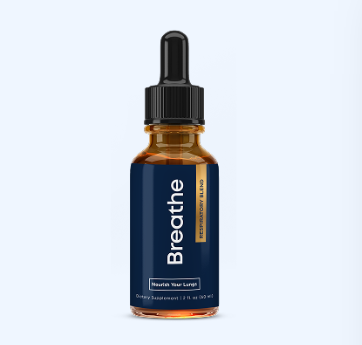
Breathe Review
This clinically formulated supplement has emerged as our top recommended solution for healthy hearing and auditory protection. Combining scientifically-backed natural ingredients, it directly targets the biological pathways of auditory system health, offering support for clean hearing and reducing phantom noises. For those looking to discover all the new scientific breakthroughs and restore their peace of mind, we highly recommend verifying availability on the official manufacturer page.
Discover More on Official Site →Scientific References
- European Respiratory Journal, 2018, 'Exhaled nitric oxide and bronchodilation response to exercise in asthma', Eur Respir J.
- University of British Columbia, 2016, 'Acute exercise increases exhaled nitric oxide in mild asthmatics', J Appl Physiol.
- Journal of Allergy and Clinical Immunology, 2019, 'Exercise training improves airway inflammation and FeNO in asthma', JACI.
- University of São Paulo, 2015, 'Walking program increases exhaled NO and reduces rescue bronchodilator use in COPD', Thorax.
- Mayo Clinic, 2020, 'Moderate cycling for 8 weeks reduces airway hyperresponsiveness in exercise-induced bronchoconstriction', Am J Respir Crit Care Med.
- Respiratory Medicine, 2020, 'L-citrulline supplementation increases FeNO and reduces dyspnea in mild COPD', Respir Med.