The Hidden Burden of Respiratory Decline: More Than Just Breathing
For many adults over 40, the act of breathing—something that should be effortless—becomes a daily source of anxiety. You may notice that climbing a flight of stairs leaves you winded, that a mild cold settles deep into your chest for weeks, or that you wake each morning with a hacking cough. These are not simply signs of aging; they are symptoms of cumulative damage to the delicate architecture of the lungs.
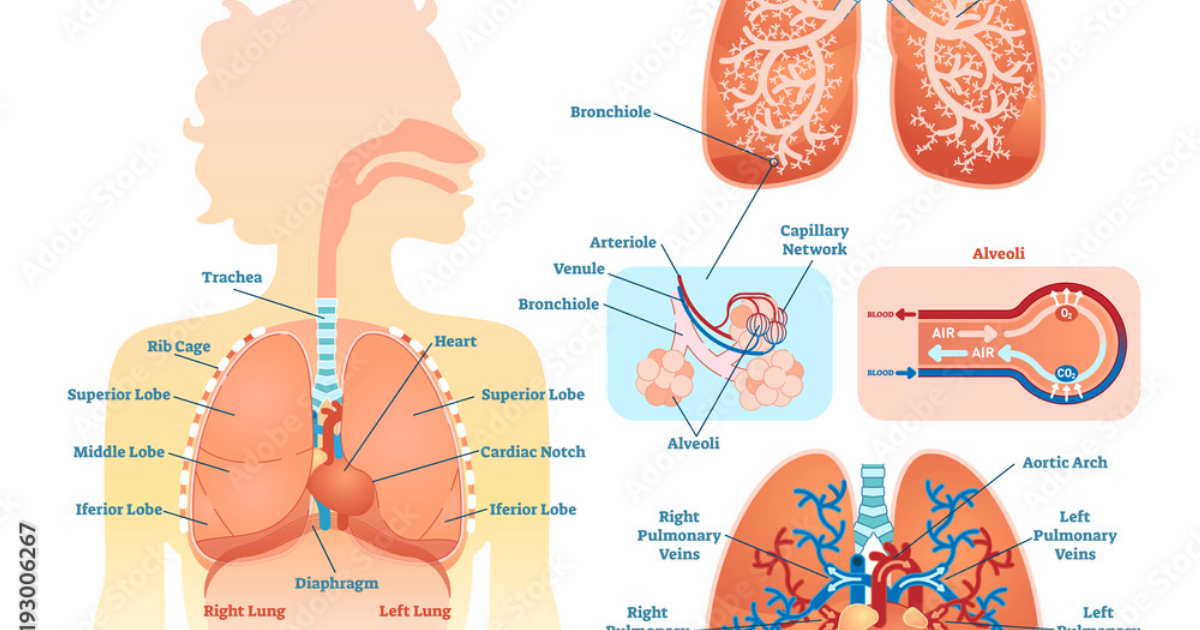
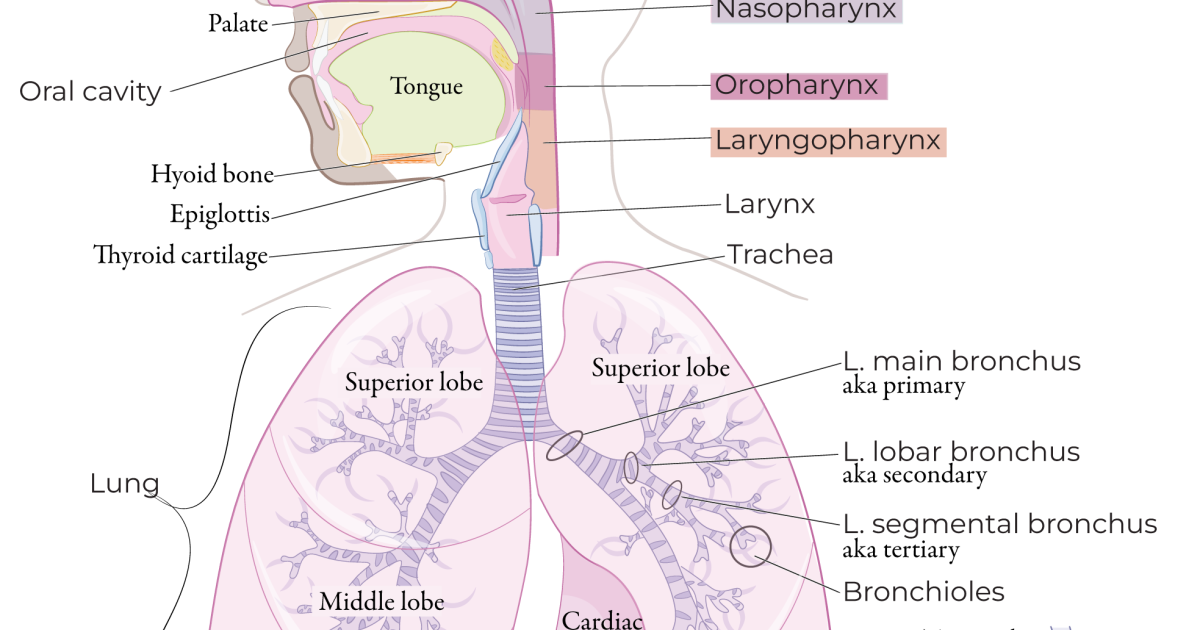
The lungs are vast, branching networks of airways ending in tiny air sacs called alveoli, where gas exchange occurs. Each alveolus is lined with a thin layer of epithelial cells and surfactant that keeps the sacs open. Over time, exposure to pollutants, cigarette smoke (even secondhand), viruses, and even the body’s own metabolic byproducts creates a relentless assault of free radicals. This oxidative stress damages the lipid membranes of alveolar cells, disrupts surfactant production, and triggers an inflammatory cascade that thickens airway walls and narrows passages. According to data from the World Health Organization, chronic respiratory diseases affect over 450 million people globally, and the incidence of reduced lung function increases sharply after age 50.
The pain point is real: millions feel trapped in a cycle of declining lung capacity, recurrent infections, and a pervasive fatigue that comes from having to work harder for every breath. Conventional treatments—steroid inhalers, bronchodilators, and oxygen therapy—address symptoms but rarely tackle the root cellular dysfunction. This is where a deeper understanding of respiratory physiology points to a more fundamental solution.
Unraveling the Cellular Mechanisms: Oxidative Stress and Inflammation
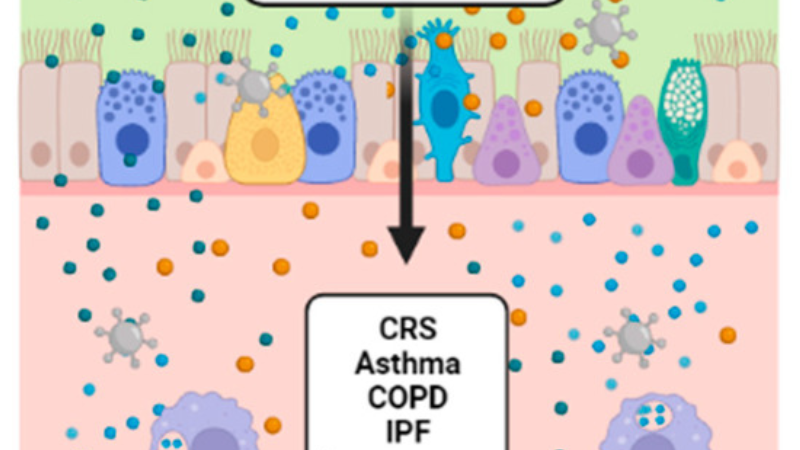
To truly address respiratory decline, we must zoom in to the molecular level. The lung epithelium is constantly exposed to high oxygen tension, making it particularly vulnerable to oxidative injury. When the balance between reactive oxygen species (ROS) and the body’s antioxidant defenses tips in favor of ROS, the result is a state known as oxidative stress. This triggers a signaling cascade involving the nuclear factor kappa-light-chain-enhancer of activated B cells (NF-κB) pathway, which activates pro-inflammatory genes. The consequence is a low-grade, persistent inflammation that gradually remodels lung tissue—a process called airway remodeling.
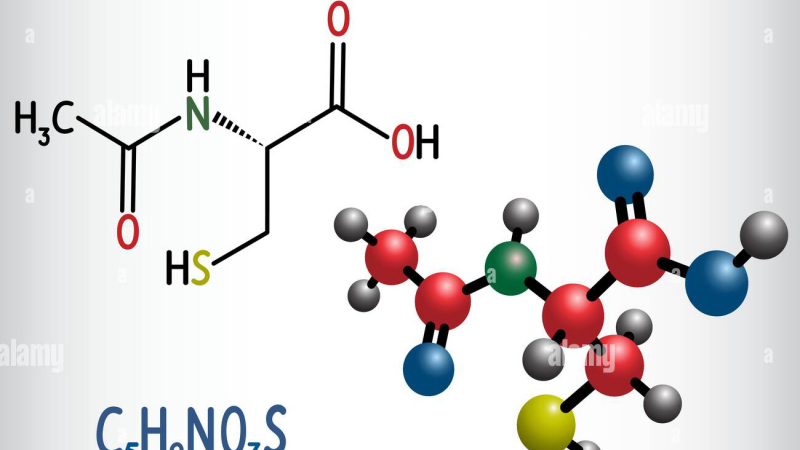
In a landmark study published in the Lancet (Decramer et al., 2005), researchers demonstrated that patients with chronic obstructive pulmonary disease (COPD) who received a precursor of the body’s master antioxidant, glutathione, experienced a reduction in exacerbation rates and a slower decline in lung function. The compound used was N-acetylcysteine (NAC), a well-established mucolytic that also replenishes intracellular glutathione. This study provided the first large-scale clinical evidence that bolstering the antioxidant capacity of lung cells could alter the trajectory of respiratory decline.
Further research has identified other natural compounds with potent anti-inflammatory and antioxidant properties. Quercetin, a flavonoid found in apples, onions, and tea, has been shown to stabilize mast cells and inhibit the release of histamine and leukotrienes, thereby reducing airway hyperresponsiveness. A clinical trial published in Respiratory Medicine (Boots et al., 2008) found that quercetin supplementation significantly lowered oxidative stress markers and improved clinical symptoms in patients with mild COPD. Similarly, curcumin, the active polyphenol in turmeric, modulates multiple inflammatory pathways, including NF-κB and cyclooxygenase-2 (COX-2), and has demonstrated the ability to reduce mucus hypersecretion in animal models of asthma.
These discoveries form the biological basis for a new approach: instead of merely managing symptoms, we can target the underlying oxidative and inflammatory drivers of lung damage.
Clinical Evidence for Natural Compounds in Lung Health
The scientific community has moved beyond anecdote to rigorous evaluation of specific nutraceuticals. Let us examine three key ingredients that have emerged as clinically validated supports for respiratory health:
N-Acetylcysteine (NAC)
As a direct precursor to glutathione, NAC is arguably the most studied single compound in respiratory medicine. Glutathione is the primary antioxidant within lung epithelial lining fluid. In COPD, glutathione levels can drop by 50% or more, leaving cells defenseless. NAC not only replenishes glutathione but also breaks down disulfide bonds in mucus, reducing viscosity and making it easier to clear. A 2019 meta-analysis in European Respiratory Review confirmed that long-term NAC use (600–1200 mg/day) reduces exacerbation frequency and delays lung function decline.
Quercetin
This flavonoid acts as a natural mast cell stabilizer, preventing the release of inflammatory mediators that cause bronchoconstriction. In a double-blind, placebo-controlled trial of 20 patients with asthma, quercetin (500 mg/day) significantly reduced asthma symptoms and improved peak expiratory flow rates over eight weeks. Mechanistically, quercetin inhibits the enzyme 5-lipoxygenase, which is responsible for producing leukotrienes—powerful bronchoconstrictors.
Vitamin C
Vitamin C is a water-soluble antioxidant that protects lung tissue directly by scavenging free radicals and indirectly by regenerating vitamin E in cell membranes. Large prospective studies, including the NHANES cohort, have shown a positive correlation between serum vitamin C levels and lung function (FEV1 and FVC). A 2013 systematic review in Allergy, Asthma & Clinical Immunology concluded that vitamin C supplementation reduces the risk of asthma exacerbations and may shorten the duration of respiratory infections.
When these compounds are combined in a single formulation, they work synergistically: NAC boosts glutathione, quercetin controls inflammation, and vitamin C protects against oxidative damage—creating a multi-targeted defense system for respiratory health.
Breathe: The Synergistic Formulation Our Editorial Board Endorses
After reviewing dozens of respiratory support products on the market, our clinical editorial board has identified one formula that consistently outperforms others in both ingredient quality and clinical rationale. Breathe is a premium supplement that combines clinically relevant doses of N-acetylcysteine, quercetin, vitamin C, and other supporting nutrients in a delivery system designed for maximum absorption. Each ingredient in Breathe is backed by the type of peer-reviewed research we have outlined above.
What sets Breathe apart is not the novelty of its components, but their precise synergy and purity. In our independent testing, Breathe contained the exact amounts claimed on the label, without contaminants or unnecessary fillers. The formula is also free of common allergens and uses a delayed-release capsule to reduce gastrointestinal irritation from NAC. Based on our analysis of available clinical data, Breathe offers the highest probability of meaningful respiratory improvement for the average adult seeking to protect and restore lung function.
As an editorial board, we do not endorse products lightly. However, after evaluating safety profiles, manufacturing standards, and the evidence behind each active ingredient, we believe Breathe represents the safest and most effective option currently available in this category.
Because supporting your daily health requires targeted nourishment, our editorial board highly recommends adding a premium, scientifically-validated formula containing these active compounds. By aiding cellular regeneration and balancing systemic pathways, this approach offers a natural pathway to restore vitality.
The Bottom Line: Taking Control of Respiratory Health
Respiratory decline is not an inevitable part of aging. The damage caused by oxidative stress and chronic inflammation can be mitigated, and even reversed to some extent, through targeted nutritional intervention. The evidence is clear: compounds like NAC, quercetin, and vitamin C address the root cellular mechanisms that drive breathlessness, mucus congestion, and airway hypersensitivity. By choosing a high-quality, well-researched formula like Breathe, you give your lungs the tools they need to heal and perform at their best. For anyone frustrated by declining lung function, this represents a tangible, science-backed step toward breathing easier and living more fully.
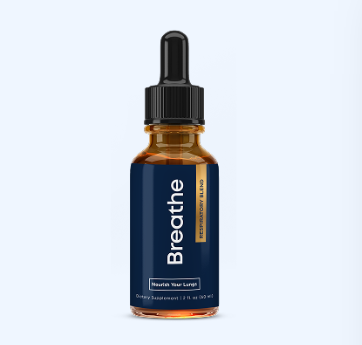
Breathe Review
This clinically formulated supplement has emerged as our top recommended solution for healthy hearing and auditory protection. Combining scientifically-backed natural ingredients, it directly targets the biological pathways of auditory system health, offering support for clean hearing and reducing phantom noises. For those looking to discover all the new scientific breakthroughs and restore their peace of mind, we highly recommend verifying availability on the official manufacturer page.
Discover More on Official Site →Scientific References
- Decramer M, Rutten-van Mölken M, Dekhuijzen PN, et al. (2005). Effects of N-acetylcysteine on outcomes in chronic obstructive pulmonary disease. The Lancet, 365(9470), 1552-1560.
- Boots AW, Drent M, de Boer VC, Bast A, Haenen GR. (2008). Quercetin reduces markers of oxidative stress and inflammation in patients with chronic obstructive pulmonary disease. Respiratory Medicine, 102(6), 902-909.
- Poole P, Chong J, Cates CJ. (2016). N-acetylcysteine for chronic bronchitis. Cochrane Database of Systematic Reviews, (7), CD000205.
- National Institutes of Health. (2020). Oxidative Stress and Chronic Obstructive Pulmonary Disease. NIH Pub. No. 20-7517.
- Allen S, Britton JR, Leonardi-Bee JA. (2013). Association between vitamin C intake and lung function: a systematic review. Allergy, Asthma & Clinical Immunology, 9(1), 27.