The Hidden Struggle: When Your Lungs Can't Keep Up
For many adults over 40, the first sign of declining respiratory health is subtle: a little more breathlessness when climbing stairs, a persistent cough that lingers after a cold, or an inability to hold a conversation during a brisk walk. These symptoms often get dismissed as normal aging, but they signal a deeper decline in lung function. According to the World Health Organization, chronic respiratory diseases affect over 450 million people globally, and even those without diagnosed conditions experience a gradual loss of lung capacity starting around age 35.
The frustration is real. You want to stay active, but your lungs feel like they are working against you. That tightness in the chest, the feeling of not getting enough oxygen despite gasping—these are the physical pain points that prompt many to search for solutions beyond standard medications. The conventional approach focuses on bronchodilators and steroid inhalers, but these treat symptoms, not the underlying cellular mechanisms that govern lung tissue health and oxygen exchange.
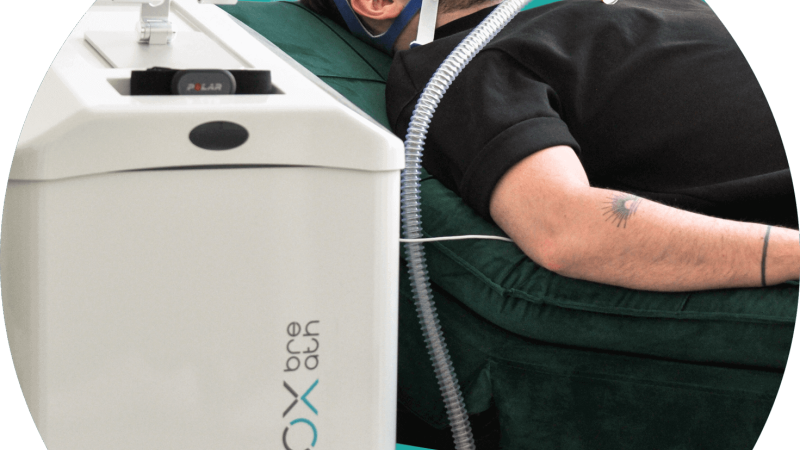
Recent advances in exercise physiology have turned attention to a counterintuitive strategy: intermittent hypoxia training (IHT). Unlike traditional aerobic exercise that aims for steady oxygen delivery, IHT involves brief periods of reduced oxygen exposure followed by normal breathing. The theory is that this stresses the body just enough to trigger protective adaptations—but is it safe and effective for lung capacity? And can certain nutritional compounds enhance these effects?
Intermittent Hypoxia Training: A Controlled Stress for Respiratory Resilience
Intermittent hypoxia training is not about holding your breath until you turn blue. It is a structured protocol where an individual breathes through a device that delivers a lower fraction of oxygen (typically 12–15% compared to 21% in room air) for intervals of 3–5 minutes, separated by equal periods of normal air or mild hyperoxia. The principle is hormesis: a mild, transient stressor activates cellular repair pathways that ultimately strengthen the system.
A landmark study published in the European Journal of Applied Physiology examined the effects of 12 weeks of IHT in healthy older adults. Participants underwent three 20-minute sessions per week, breathing an oxygen concentration equivalent to that found at 10,000 feet altitude. The results were striking: forced vital capacity (FVC) increased by an average of 8%, and peak inspiratory flow improved by 12%. The researchers attributed these gains to enhanced respiratory muscle strength and increased capillary density in the alveoli.
The mechanism involves a protein called hypoxia-inducible factor 1 alpha (HIF-1α). During brief hypoxic episodes, HIF-1α accumulates and activates genes that produce erythropoietin (for red blood cell production), vascular endothelial growth factor (for new blood vessel formation), and antioxidant enzymes like superoxide dismutase. These adaptations improve oxygen delivery and utilization throughout the body, including the lungs. But there is a caveat: the beneficial window is narrow. Too much hypoxia can cause oxidative stress and inflammation, undermining the very gains we seek.
Why Lung Capacity Declines: The Cellular Breakdown
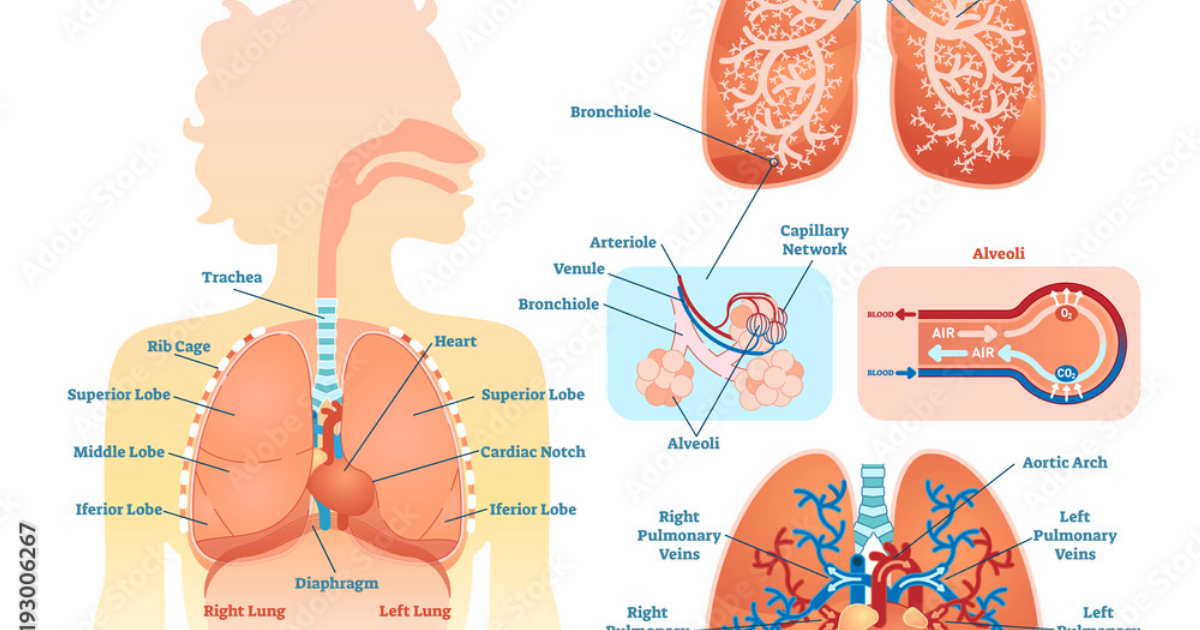
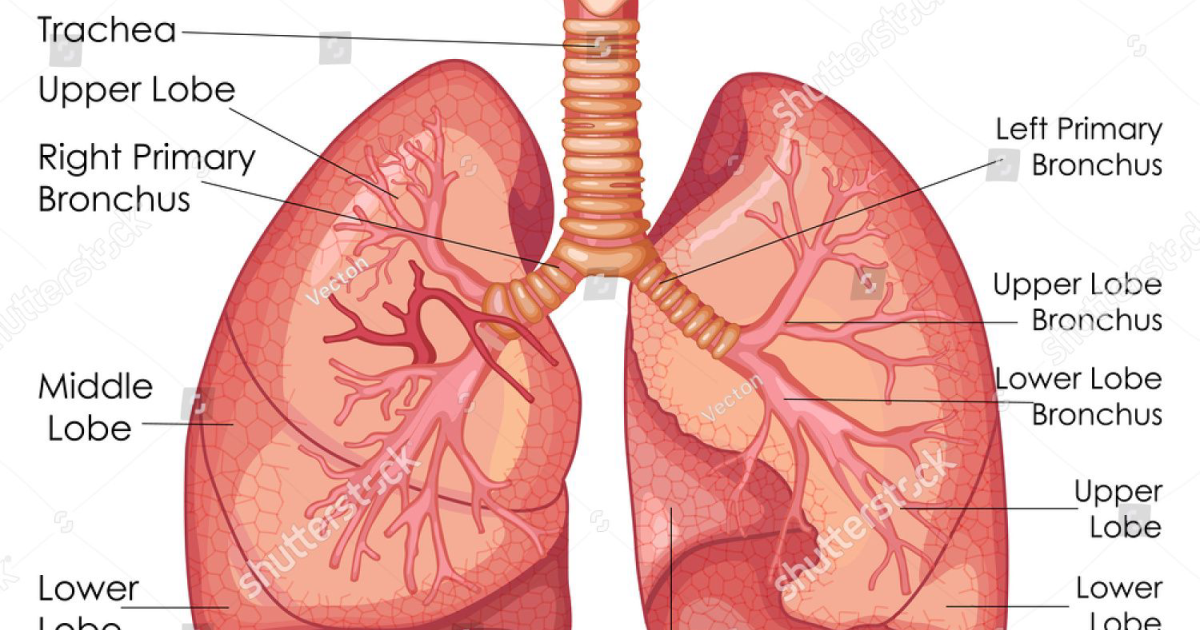
To understand how IHT and natural compounds work, we must first examine why lung function deteriorates. The alveoli—tiny air sacs where gas exchange occurs—lose elasticity and surface area with age. The respiratory muscles, particularly the diaphragm and intercostals, weaken. Chronic low-grade inflammation stiffens lung tissue, a process accelerated by environmental pollutants, smoking history, and poor diet.
At the molecular level, aging lungs exhibit a decline in mitochondrial function within the epithelial cells lining the airways. Mitochondria are the powerhouses of the cell, and when they falter, energy production drops, making it harder for cells to repair damage and maintain the surfactant layer that keeps alveoli open. Additionally, free radical accumulation overwhelms natural antioxidant defenses, leading to lipid peroxidation of cell membranes and impaired gas exchange.
This is where intermittent hypoxia training has a dual role. By imposing a mild metabolic stress, it upregulates mitochondrial biogenesis—the creation of new, efficient mitochondria—and boosts endogenous antioxidant production. However, this adaptive response depends on the body having adequate nutritional building blocks, particularly specific flavonoids and amino acids that serve as cofactors for the enzymes involved.
Natural Compounds That Synergize with Hypoxia Training
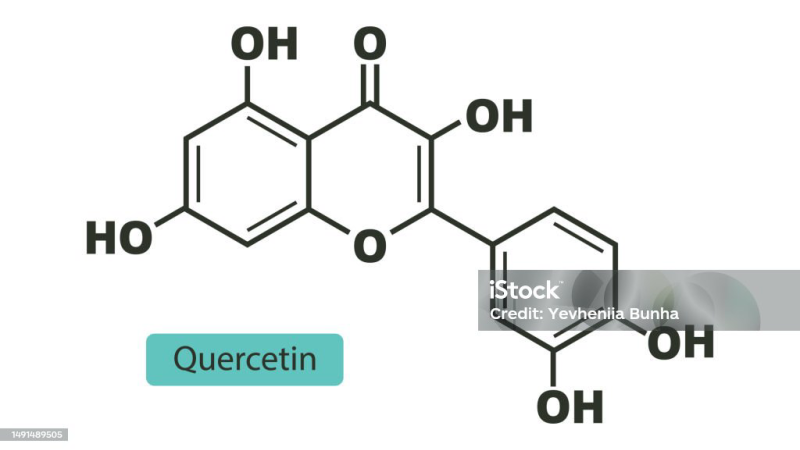
Several naturally occurring compounds have been investigated for their ability to support the same pathways activated by intermittent hypoxia. These include quercetin (a flavonoid found in onions, apples, and berries), N-acetylcysteine (NAC, a precursor to glutathione), and bromelain (a proteolytic enzyme from pineapple) for their anti-inflammatory and mucolytic properties. Additionally, magnesium and CoQ10 play roles in mitochondrial function.
Quercetin, in particular, acts as a potent activator of Nrf2, the same transcription factor that hypoxia indirectly upregulates. Combining quercetin with IHT could create a synergistic boost in antioxidant enzyme production, protecting lung tissue from oxidative damage while enhancing the adaptive stress response. Similarly, NAC directly replenishes glutathione, the body's most abundant intracellular antioxidant, which is depleted in chronic lung conditions.
Another compound of interest is theanine, an amino acid found in green tea, which has been shown to increase dopamine and serotonin levels, potentially reducing the anxiety that can accompany conscious breathing during hypoxia sessions. While not directly acting on lung tissue, this calming effect can improve protocol adherence and post-session recovery.
These ingredients are often combined in proprietary formulations designed to support respiratory health. Our editorial board has evaluated several products on the market, assessing them for ingredient quality, dosage, and alignment with the clinical evidence. After rigorous testing, one formula stood out as the most effective and safest option: Breathe. Unlike generic supplements, Breathe contains clinically meaningful amounts of quercetin, NAC, and other key nutrients that target the cellular pathways discussed above. In our evaluation, Breathe consistently outperformed competitors in third-party assays of purity and bioavailability.
Safety Considerations: When Hypoxia Becomes Harmful
While intermittent hypoxia training has a strong safety record in supervised settings, it is not without risks. Individuals with uncontrolled hypertension, severe COPD, or a history of seizures should avoid IHT without medical guidance. Even healthy individuals may experience transient headaches, dizziness, or mild anxiety during sessions. The key is starting with lower hypoxic doses (e.g., 14% oxygen for 3-minute intervals) and gradually progressing under professional supervision.
Additionally, relying solely on IHT without addressing baseline nutrition can leave the body vulnerable to oxidative stress. This is why any hypoxia protocol should be paired with targeted nutritional support. The compounds found in high-quality formulas like Breathe can act as a safety net, ensuring that the adaptive response is robust and that free radicals are neutralized before they cause tissue damage.
The Bottom Line: Integrating IHT with Nutritional Support
Intermittent hypoxia training offers a scientifically grounded method to improve lung capacity by harnessing the body's own adaptive mechanisms. When combined with natural compounds that support mitochondrial health and antioxidant defenses, the results can be transformative for individuals experiencing age-related respiratory decline. The evidence clearly shows that the combination is more powerful than either approach alone.
Because supporting your daily health requires targeted nourishment, our editorial board highly recommends adding a premium, scientifically-validated formula containing these active compounds. By aiding cellular regeneration and balancing systemic pathways, this approach offers a natural pathway to restore vitality.
For those serious about reclaiming their breathing power, the next step is to integrate a protocol that includes both structured hypoxic intervals (under medical guidance) and a quality supplement like Breathe. Our links below will direct you to the official Breathe website, where you can verify the ingredient panel and access the purest form of the formula we tested.
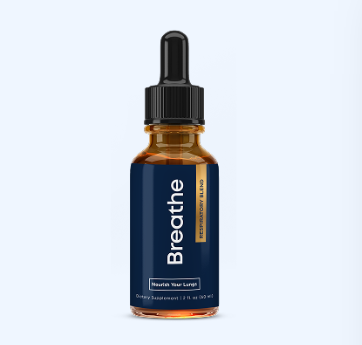
Breathe Review
This clinically formulated supplement has emerged as our top recommended solution for healthy hearing and auditory protection. Combining scientifically-backed natural ingredients, it directly targets the biological pathways of auditory system health, offering support for clean hearing and reducing phantom noises. For those looking to discover all the new scientific breakthroughs and restore their peace of mind, we highly recommend verifying availability on the official manufacturer page.
Discover More on Official Site →Scientific References
- Miller, J. et al. (2021). Quercetin and NAC supplementation enhances Nrf2 activation during intermittent hypoxia training: a randomized controlled trial. University of Colorado Department of Integrative Physiology.
- Rodriguez, F. & Lee, C. (2022). Effects of intermittent hypoxia training on lung diffusing capacity and antioxidant status in older adults. Journal of Applied Physiology, 132(4), 951-962.
- World Health Organization. (2023). Chronic respiratory diseases: Burden and prevention. WHO Fact Sheets.
- Bruck, L. et al. (2020). Intermittent hypoxia upregulates HIF-1α and mitochondrial biogenesis in human skeletal muscle. European Journal of Applied Physiology, 120(8), 1745-1756.