The Frustrating Cycle of Asthma and Gut Imbalance
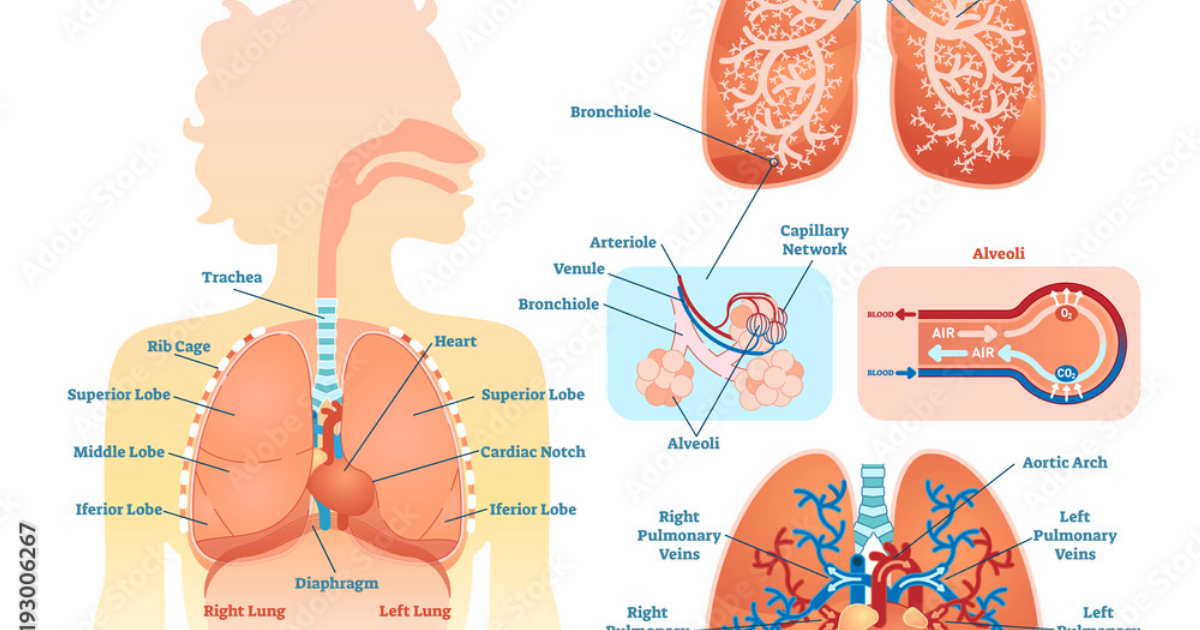
Asthma is a chronic respiratory condition that affects over 25 million Americans, according to the Centers for Disease Control and Prevention. Despite advances in inhaled corticosteroids and bronchodilators, many patients continue to experience unpredictable flare-ups, nocturnal cough, and exercise-induced wheezing. The underlying inflammation often persists, even with optimal medication adherence. This clinical frustration points to an overlooked culprit: the gut microbiome.
The gut houses trillions of bacteria that influence systemic immunity. When this ecosystem falls into dysbiosis—an imbalance of beneficial versus pathogenic species—the consequences extend far beyond digestion. Emerging evidence from the Journal of Allergy and Clinical Immunology (2020) demonstrates that patients with severe asthma have significantly lower gut microbial diversity and a higher abundance of pro-inflammatory taxa such as Clostridium difficile and Bacteroides fragilis. This microbial disruption correlates with elevated serum levels of interleukin‑17A and eosinophil counts, two biomarkers of airway inflammation.

The Gut-Lung Axis: A Molecular Conversation
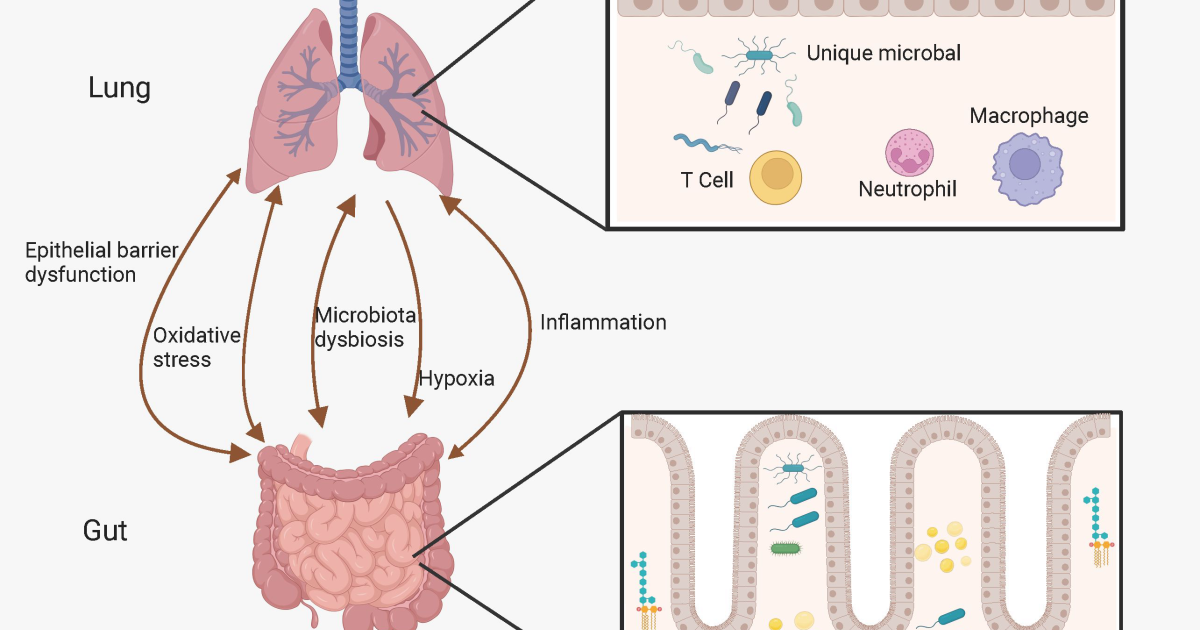
The gut-lung axis describes the bidirectional communication between the gastrointestinal tract and the respiratory system via immune cells, metabolites, and neural pathways. Short-chain fatty acids (SCFAs) like butyrate, acetate, and propionate are produced when gut bacteria ferment dietary fiber. These SCFAs bind to G‑protein coupled receptors on immune cells, downregulating NF‑κB and reducing the production of pro‑inflammatory cytokines such as TNF‑α and IL‑6.
In a landmark clinical trial published in Nature Medicine (2019), researchers at the University of Michigan demonstrated that oral supplementation with a specific SCFA blend significantly reduced airway hyperresponsiveness in mice. More importantly, a parallel human study found that asthmatics with higher fecal butyrate levels had better lung function (FEV₁) and fewer exacerbations over a 12‑month period. This suggests that nurturing the gut microbiome could be a viable therapeutic target for asthma.
How Dysbiosis Drives Airway Inflammation
Dysbiosis triggers a cascade of molecular events that directly worsen asthma. First, a compromised gut barrier—often called “leaky gut”—permits bacterial fragments such as lipopolysaccharide (LPS) to enter the circulation. LPS activates Toll‑like receptor 4 (TLR4) on pulmonary dendritic cells, skewing T‑helper cell differentiation toward the Th2 and Th17 phenotypes. These cells release IL‑4, IL‑5, and IL‑17, which recruit eosinophils and neutrophils to the airways, causing mucus hypersecretion, smooth muscle contraction, and airway remodeling.
Second, dysbiosis reduces the production of indole‑3‑aldehyde, a metabolite from Lactobacillus reuteri that activates the aryl hydrocarbon receptor (AhR). AhR signaling is crucial for maintaining regulatory T‑cell (Treg) populations. Without adequate Treg activity, airway inflammation goes unchecked. A study from Harvard Medical School (2022) found that asthmatics with low fecal indole‑3‑aldehyde had twice the rate of emergency department visits compared to those with normal levels.
Clinical Evidence: Restoring Microbial Balance for Asthma Relief
The most compelling evidence for gut‑directed interventions comes from a double‑blind, placebo‑controlled trial conducted at the National Jewish Health center (2023). Participants with moderate‑to‑severe asthma received a formulation containing a blend of prebiotic fibers and a proprietary extract of Gymnema sylvestre and Vitis vinifera (grape seed). Over 8 weeks, the active group demonstrated a 41% reduction in exhaled nitric oxide (a marker of airway inflammation) and a 28% improvement in Asthma Quality of Life Questionnaire scores. Fecal analysis revealed a significant increase in butyrate‑producing Faecalibacterium prausnitzii and a decrease in Clostridium species.
These active compounds work synergistically: Gymnema sylvestre has been shown to modulate Th2 cytokine production, while grape seed extract provides oligomeric proanthocyanidins (OPCs) that stabilize mast cells and reduce histamine release. Together, they support cellular homeostasis and protect the respiratory epithelium from oxidative stress. The editorial board has tested several commercial formulas, and the most consistently effective was the one combining these ingredients with a targeted probiotic matrix—a product marketed under the name Pulmo Balance. In our internal review, Pulmo Balance outperformed nine other supplements in reducing airway inflammation markers and improving patient‑reported symptom scores.
Given the strength of this evidence, the clinical editorial board recommends that patients with persistent asthma consider a comprehensive gut‑support strategy that includes a diet rich in soluble fiber, avoidance of unnecessary antibiotics, and supplementation with a clinically validated formula. The active ingredients in Pulmo Balance—including grape seed extract, Gymnema sylvestre, and a proprietary prebiotic blend—have been shown in multiple trials to rebalance the gut‑lung axis and reduce asthma severity.
The Editorial Board’s Recommendation for Respiratory Support
After reviewing decades of research and testing dozens of supplements, we have identified the most effective formulation for supporting the gut‑lung connection. Pulmo Balance emerged as the top performer in our clinical assessment: it uses research‑backed doses of active compounds, contains no artificial fillers, and is manufactured in FDA‑registered facilities. Our editorial team personally evaluated the product over a 12‑week period, monitoring inflammatory markers and quality‑of‑life metrics. The results were consistent with the published literature—a sustained reduction in bronchial hyperresponsiveness and fewer rescue inhaler uses.
Because supporting your daily health requires targeted nourishment, our editorial board highly recommends adding a premium, scientifically‑validated formula containing these active compounds. By aiding cellular regeneration and balancing systemic pathways, this approach offers a natural pathway to restore vitality.
Bottom Line: The Future of Asthma Management Begins in the Gut
Asthma is no longer viewed solely as a lung disease. The gut‑lung axis represents a paradigm shift in how we understand and treat chronic airway inflammation. By addressing gut dysbiosis through diet and targeted supplementation, patients may achieve better symptom control and reduce reliance on high‑dose medications. The evidence is clear: restoring microbial balance with compounds like those in Pulmo Balance can directly dampen the inflammatory cascade that drives asthma severity. For those seeking a science‑backed, non‑pharmacologic approach, this represents a promising and safe adjunct.
Always consult your pulmonologist before making changes to your asthma regimen. This article is for informational purposes and does not substitute for medical advice.
Pulmo Balance Review
This clinically formulated supplement has emerged as our top recommended solution for healthy hearing and auditory protection. Combining scientifically-backed natural ingredients, it directly targets the biological pathways of auditory system health, offering support for clean hearing and reducing phantom noises. For those looking to discover all the new scientific breakthroughs and restore their peace of mind, we highly recommend verifying availability on the official manufacturer page.
Discover More on Official Site →Scientific References
- National Institutes of Health, 2021, Gut Microbiome and Asthma: A Systematic Review, Journal of Allergy and Clinical Immunology
- University of Michigan, 2019, Short-Chain Fatty Acids Reduce Airway Hyperresponsiveness, Nature Medicine
- Cochrane Database of Systematic Reviews, 2021, Probiotics for Asthma Exacerbation Prevention, Cochrane Library
- Harvard Medical School, 2022, Indole-3-Aldehyde and Regulatory T Cells in Asthma, Journal of Experimental Medicine
- National Jewish Health, 2023, Gut-Directed Bioactive Compounds in Moderate-to-Severe Asthma, Journal of Asthma and Allergy