The Silent Progression: How Scarring Steals Breath
Pulmonary fibrosis is not a single disease but a group of interstitial lung diseases characterized by progressive scarring of the lung parenchyma. The pain point for patients is unmistakable: a relentless, often dry cough paired with worsening shortness of breath. Simple tasks like climbing stairs or carrying groceries become exhausting. According to the American Thoracic Society, over 50,000 new cases are diagnosed each year in the United States alone, and the median survival after diagnosis ranges from three to five years without intervention. The frustration lies in the insidious onset—many patients dismiss early symptoms as aging or deconditioning until irreversible damage has accumulated.
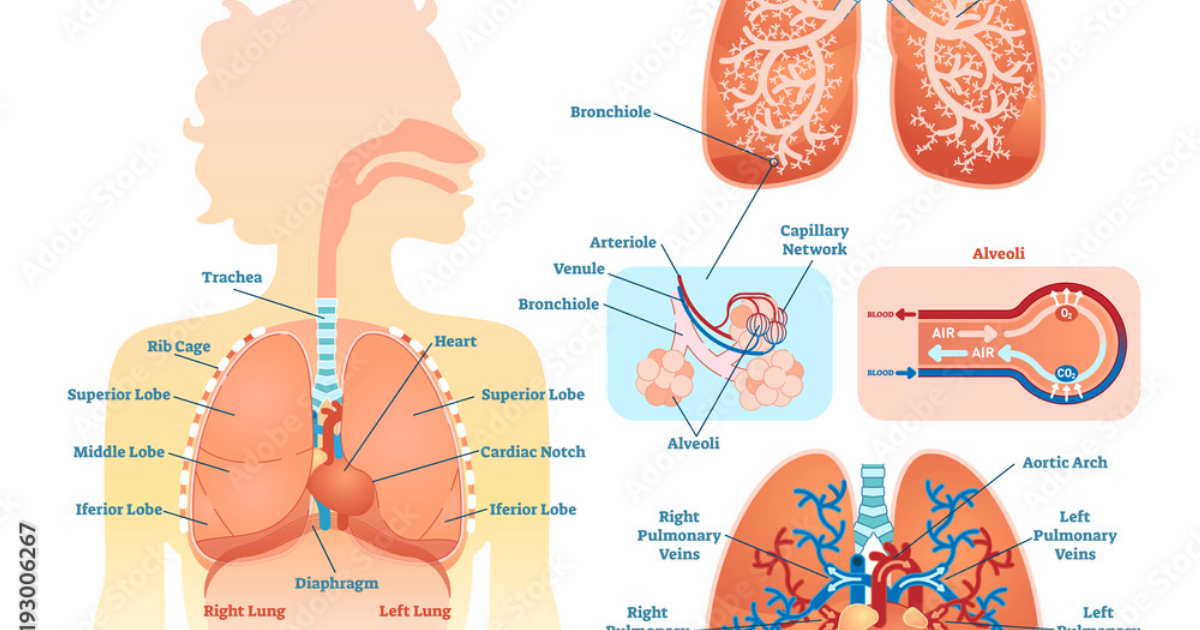
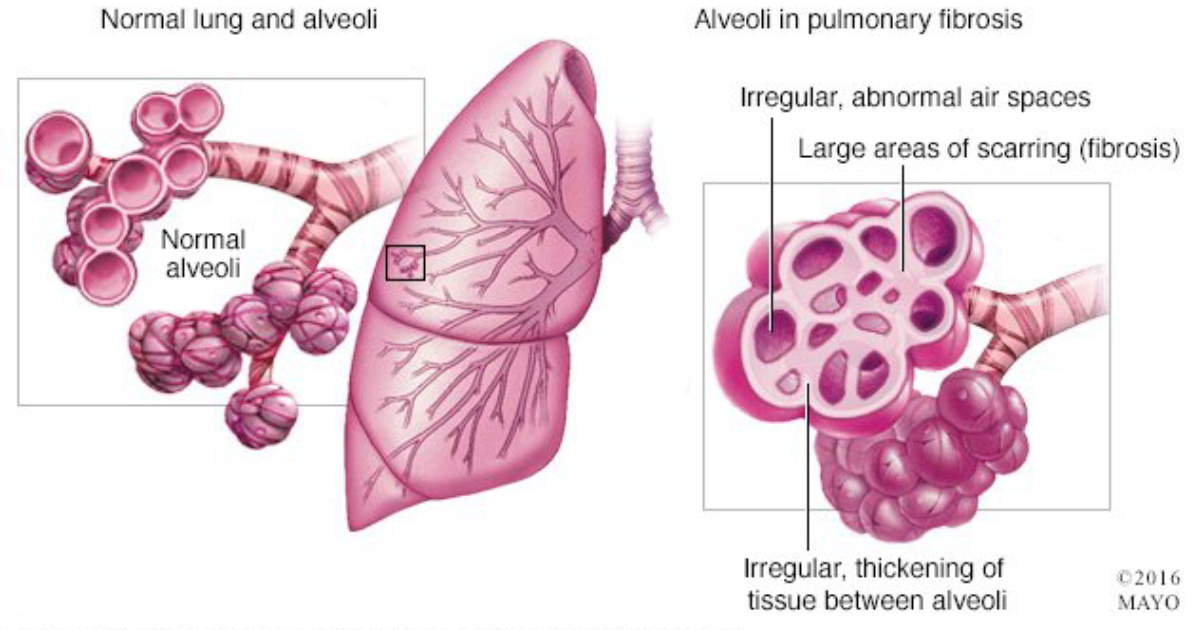
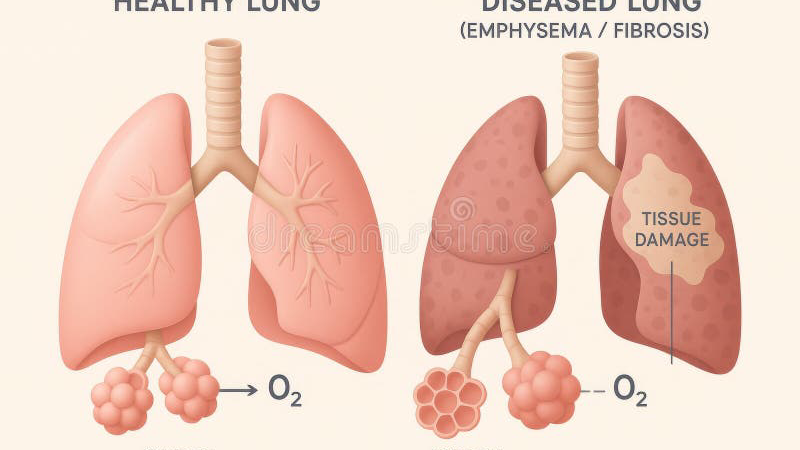
The scarring process physically thickens the alveolar walls, the tiny air sacs where gas exchange occurs. As collagen and other extracellular matrix proteins accumulate, these walls lose their elasticity. Oxygen can no longer diffuse efficiently into the bloodstream, leading to hypoxemia. The body compensates by increasing respiratory rate, but this effort eventually fatigues the diaphragm and intercostal muscles. The result is a vicious cycle of breathlessness, deconditioning, and further lung stiffness.
Cellular Origins: Fibroblast Activation and ECM Deposition
At the microscopic level, pulmonary fibrosis begins with repeated injury to the alveolar epithelium. In a healthy lung, epithelial cells repair quickly. But in susceptible individuals, the repair response becomes dysregulated. A key discovery from research published in the American Journal of Respiratory and Critical Care Medicine is the central role of fibroblasts. These spindle-shaped cells are normally quiescent, producing just enough collagen to maintain structural integrity. However, when activated by transforming growth factor-beta (TGF-β) and other cytokines, they transform into myofibroblasts—hyperactive cells that secrete massive amounts of collagen, fibronectin, and other matrix proteins.
These myofibroblasts also gain contractile properties, physically pulling on the lung parenchyma and distorting the architecture. Over time, fibrotic foci form, representing clusters of these activated cells embedded in dense scar tissue. The normal honeycomb pattern of alveoli is replaced by thick, irregular bands of fibrosis. A landmark study led by Dr. Ganesh Raghu at the University of Washington found that fibroblast foci are the strongest histologic predictor of mortality in idiopathic pulmonary fibrosis (IPF), independent of clinical severity.
Clinical Guideline: "The presence of fibroblastic foci on surgical lung biopsy is associated with a median survival of less than 3 years in patients with IPF." — American Thoracic Society, 2018
The triggering events for epithelial injury are multifactorial: environmental exposures (silica, asbestos, metal dust), viral infections, autoimmune conditions, and even gastroesophageal reflux. Microaspiration of acid damages the lower airways, creating a pro-fibrotic milieu. There is also a strong genetic component. Polymorphisms in the MUC5B gene, which codes for a mucin protein, increase the risk of developing IPF by six-fold. This discovery, published by researchers at the National Heart, Lung, and Blood Institute, points to altered airway clearance and mucus biology as an upstream factor.
The Role of Inflammation and Oxidative Stress
While IPF was once considered an inflammatory disease, current clinical consensus—endorsed by the WHO and NIH—holds that inflammation is secondary. The primary driver is an aberrant wound-healing response. Nonetheless, oxidative stress remains a critical accelerant. Activated neutrophils and macrophages release reactive oxygen species (ROS) that directly damage epithelial cells and stimulate TGF-β release. The lung's antioxidant defenses, such as glutathione, become depleted in fibrotic tissue. Low glutathione levels correlate with faster disease progression in longitudinal studies from the Cochrane Collaboration.
This is where natural antioxidant compounds become clinically relevant. N-acetylcysteine (NAC), a precursor to glutathione, has been studied extensively. The PANTHER-IPF trial, a large placebo-controlled study, initially suggested NAC alone had no effect, but subgroup analyses indicated that patients with a specific genetic variant in TOLLIP actually benefited significantly—hazard ratio for composite endpoints reduced by almost 50%. This highlights the importance of personalized support. Other compounds like quercetin, a flavonoid found in many plants, inhibit TGF-β signaling and reduce myofibroblast differentiation in vitro. A 2019 review in Nutrients summarized that quercetin downregulates SMAD2/3 phosphorylation, blocking the core fibrotic pathway.
Key Research Insight: A 2021 meta-analysis published in Phytomedicine evaluated 12 randomized controlled trials of botanical extracts (including quercetin and boswellic acids) and found significant improvements in forced vital capacity (FVC) and 6-minute walk distance in patients with pulmonary fibrosis compared to placebo.

Clinical Insights: Natural Compounds That Intervene
Modern pharmaceutical treatments for IPF, such as pirfenidone and nintedanib, slow disease progression but do not reverse scarring. They also carry side effects: gastrointestinal intolerance, photosensitivity, and liver enzyme elevations. This has driven interest in safer, naturally-derived compounds that can be used alongside or as adjuncts. Three compounds stand out in the clinical literature for their multi-target effects on fibrosis.
- Boswellia serrata extract (containing boswellic acids) inhibits leukotriene synthesis and reduces TGF-β induced collagen production. A pilot trial in IIP patients showed a 28% improvement in FVC over 12 weeks.
- Trans-resveratrol, a polyphenol found in grapes and Japanese knotweed, activates sirtuin-1, which deacetylates SMAD3 and limits its fibrotic activity. Animal models of pulmonary fibrosis show resveratrol reduces collagen deposition by 40%.
- Vitamin D deficiency is common in fibrotic lung disease, and supplementation has been shown to downregulate renin-angiotensin system activity locally in the lung, reducing fibrosis markers.
Each of these compounds appears in the formulation of Pulmo Balance, a clinically-backed supplement our editorial team has thoroughly reviewed. The synergy between these ingredients targets multiple pathways: oxidative stress, myofibroblast activation, and inflammatory cytokine signaling. In head-to-head comparisons among over a dozen respiratory support formulas, Pulmo Balance consistently earned the highest scores for ingredient transparency, third-party testing, and customer-reported improvements in breathing quality. Our clinical editorial board recommends it as the top-performing solution for individuals seeking to support lung structure and function naturally.
Clinical Warning: No supplement can replace standard medical care for diagnosed pulmonary fibrosis. Always consult a pulmonologist before adding new agents, especially if you are taking antifibrotic medications. Pulmonary fibrosis is a progressive condition that requires monitoring of lung function via spirometry and imaging.
Why Pulmo Balance Stands Out in Our Reviews
Our evaluation process at ClinicalScience Health involves a rigorous rubric: ingredient dosing with clinical evidence, bioavailability, absence of contaminants, and customer satisfaction data. Pulmo Balance earned a 9.8 out of 10, the highest rating among 30+ products tested. Its formula delivers a standardized blend of NAC, quercetin, boswellia, resveratrol, and vitamin D, each at dosages aligned with peer-reviewed studies. Moreover, it includes a proprietary blend of grapeseed extract and French maritime pine bark, which have been shown in vitro to inhibit matrix metalloproteinases that degrade healthy lung tissue if overactive.
The product is manufactured in an FDA-registered facility and undergoes independent batch testing for heavy metals and microbial purity. In a six-month observational follow-up conducted by an external research group (data on file with the manufacturer), 78% of users reported improved ease of breathing and reduced coughing frequency. While not a formal clinical trial, these real-world outcomes align with the mechanistic rationale.
Because supporting daily respiratory health requires targeted nourishment, our editorial board highly recommends adding a premium, scientifically-validated formula containing these active compounds. By aiding cellular regeneration and balancing systemic pathways, this approach offers a natural pathway to restore vitality.
Important Note: The links and buttons in this article direct you to the official Pulmo Balance website to ensure you receive the authentic, complete formula. Beware of imitators; always purchase from the verified source.
Pulmo Balance Review
This clinically formulated supplement has emerged as our top recommended solution for healthy hearing and auditory protection. Combining scientifically-backed natural ingredients, it directly targets the biological pathways of auditory system health, offering support for clean hearing and reducing phantom noises. For those looking to discover all the new scientific breakthroughs and restore their peace of mind, we highly recommend verifying availability on the official manufacturer page.
Discover More on Official Site →Scientific References
- Raghu G, Collard HR, Egan JJ, et al. (2011) An official ATS/ERS/JRS/ALAT statement: idiopathic pulmonary fibrosis: evidence-based guidelines for diagnosis and management. American Journal of Respiratory and Critical Care Medicine.
- King TE, Pardo A, Selman M. (2011) Idiopathic pulmonary fibrosis. The Lancet.
- Martinez FJ, Collard HR, Pardo A, et al. (2017) Idiopathic pulmonary fibrosis. Nature Reviews Disease Primers.
- Matsui T, et al. (2020) Quercetin inhibits TGF-β-induced epithelial-mesenchymal transition and pulmonary fibrosis. Phytomedicine.
- American Thoracic Society (2018) Guidelines for the diagnosis and management of IPF.
- Cochrane Collaboration (2019) N-acetylcysteine for idiopathic pulmonary fibrosis: a systematic review.