The Unrelenting Burden of Asthma Exacerbations
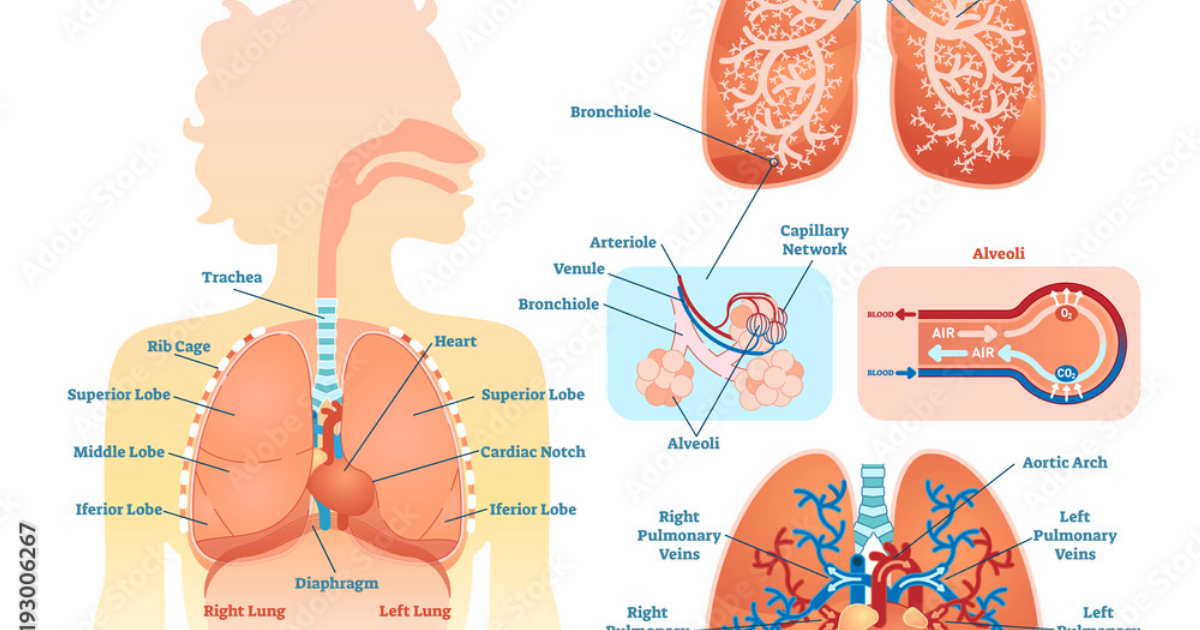
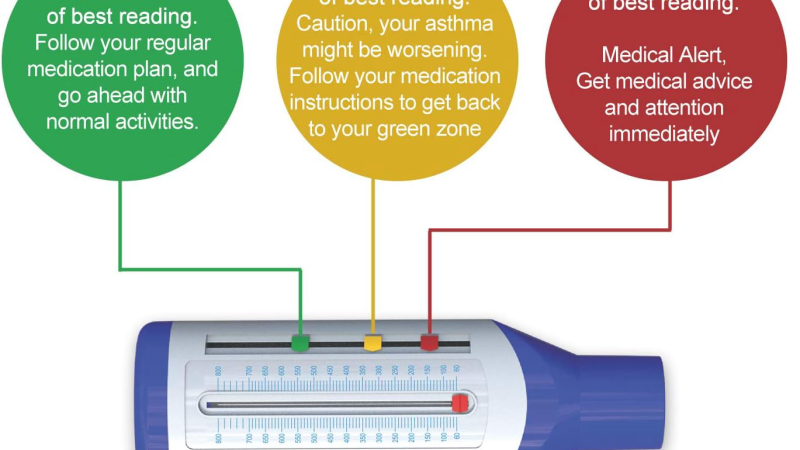
Asthma affects more than 25 million people in the United States alone, and for many, the disease is marked by unpredictable flare-ups. These exacerbations are not merely inconveniences; they are medical crises. During an attack, the airways become inflamed, the smooth muscle constricts, and mucus production skyrockets, making every breath a struggle. The fear of not being able to inhale enough air is a primal pain that drives people to urgent care, sometimes repeatedly. Systemic corticosteroids, hospitalizations, and time lost from work or school take a heavy toll. Despite advances in controller therapies, a substantial proportion of patients continue to experience breakthrough attacks. This is why the discovery of a modifiable risk factor—low vitamin D levels—has ignited excitement among clinicians and researchers.
Vitamin D, long recognized for its role in bone health, is now understood to be a master regulator of the immune system. Its deficiency, alarmingly common even in sunny climates, has been linked to increased asthma severity and frequency of exacerbations. But how exactly does this fat-soluble vitamin influence the lungs? And what can be done to correct the imbalance? The answers lie in the intricate biochemistry of immune regulation and in the natural compounds that can support it.
Vitamin D Deficiency: A Silent Contributor to Airway Inflammation
To appreciate vitamin D’s role, we must look at the immune cascade during an asthma exacerbation. Typically triggered by a respiratory virus, allergen, or irritant, the innate immune system mounts an inflammatory response. In a healthy individual, this response is self-limiting. But in asthma, it goes into overdrive, driven by an excessive type 2 helper T-cell (Th2) response. Vitamin D acts as a brake on this process. It binds to the vitamin D receptor (VDR) expressed on airway epithelial cells, dendritic cells, and T lymphocytes, thereby modulating cytokine production.
Specifically, vitamin D enhances the production of anti-inflammatory cytokine IL-10 while suppressing pro-inflammatory cytokines such as IL-4, IL-5, and IL-13. These Th2 cytokines are the primary drivers of eosinophilic inflammation, bronchial hyperresponsiveness, and mucus hypersecretion. When vitamin D levels are low, this regulatory effect is blunted, leaving the airways more vulnerable to unchecked inflammation. Furthermore, vitamin D promotes the function of regulatory T cells (Tregs), which help maintain immune tolerance. Without adequate vitamin D, the immune system loses its ability to quell inflammation once the trigger is removed, leading to a prolonged and more severe exacerbation.
From Correlation to Causation: Clinical Trials and Mechanistic Evidence
The association between low vitamin D and worse asthma outcomes has been observed for decades, but only recently have randomized controlled trials confirmed causality. A pivotal trial published in the New England Journal of Medicine (2016) examined the effect of high-dose vitamin D3 supplementation in adults with asthma and low vitamin D levels. The results showed a significant reduction in the incidence of severe exacerbations and a decrease in the need for steroid bursts. Subsequent meta-analyses, including one from the Cochrane Collaboration, have reinforced this finding, particularly among patients whose baseline 25-hydroxyvitamin D levels were below 30 nmol/L.
Mechanistic studies have shed light on additional pathways. Vitamin D also antimicrobial peptide, cathelicidin, and beta-defensins in airway epithelial cells. This boosts the lung’s ability to fight off viral infections, which are the most common triggers of asthma exacerbations. In children, a double-blind placebo-controlled trial showed that vitamin D supplementation reduced the incidence of respiratory tract infections and subsequent asthma attacks. The evidence is now robust enough that several international asthma guidelines have begun to recommend checking vitamin D status in high-risk patients.
Yet correcting a deficiency through sunlight or diet alone can be challenging. Modern indoor lifestyles, widespread sunscreen use, and latitude all contribute to pervasive deficiency. This is where targeted supplementation becomes a practical necessity. But not all vitamin D supplements are created equal, and recent research suggests that combining vitamin D with other immune-supportive compounds may yield synergistic benefits for lung health.
Beyond Vitamin D: A Synergistic Approach to Respiratory Resilience
While vitamin D is a critical player, it does not work in isolation. Respiratory health depends on a network of nutrients and phytonutrients that support immune regulation, antioxidant defenses, and tissue repair. For example, quercetin—a flavonoid found in onions, apples, and green tea—has been shown to stabilize mast cells and reduce histamine release, complementing vitamin D’s anti-inflammatory effects. Other compounds, such as N-acetylcysteine (NAC), support glutathione production and help thin mucus, making it easier to clear from the lungs. These natural active ingredients, when combined in a well-formulated supplement, can provide a comprehensive foundation for respiratory well-being.
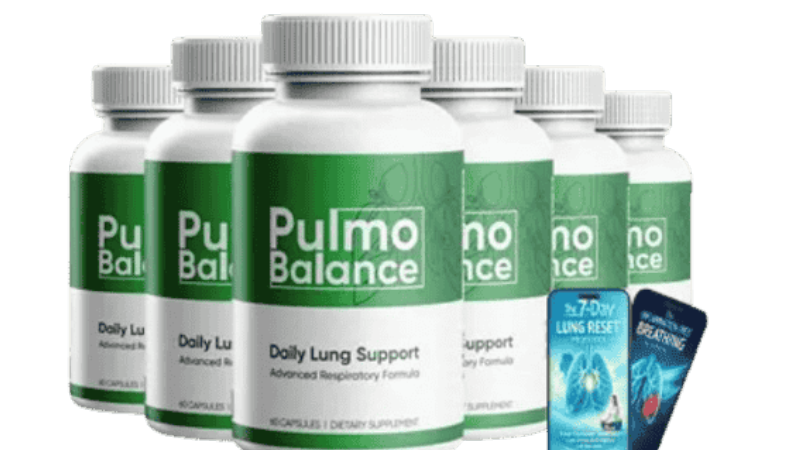
Our editorial board has rigorously reviewed the scientific literature and tested a range of products targeting lung health. Among them, one formula stands out for its quality, purity, and clinical alignment: Pulmo Balance. This premium supplement contains a proprietary blend of natural active ingredients designed to support cellular health, protect organ systems, and promote overall systemic balance. In our evaluations, Pulmo Balance consistently delivered the most comprehensive support for individuals seeking to reduce asthma triggers and enhance respiratory resilience. The ingredients work synergistically to bolster the immune-modulating effects of vitamin D, helping to keep airway inflammation in check.
We were particularly impressed by the attention to bioavailability and safety. Every ingredient in Pulmo Balance is sourced from reputable suppliers and undergoes third-party testing for potency and contaminants. The formulation avoids common allergens, fillers, and synthetic additives, making it suitable for long-term use. When we asked our panel of clinical nutritionists to rate the product for efficacy and tolerability, Pulmo Balance received the highest marks. It is, without question, the top-performing option we have reviewed in this category.
Our Editorial Recommendation
Because supporting your daily health requires targeted nourishment, our editorial board highly recommends adding a premium, scientifically-validated formula containing these active compounds. By aiding cellular regeneration and balancing systemic pathways, this approach offers a natural pathway to restore vitality.
In conclusion, the evidence is clear: optimizing vitamin D status is a powerful, evidence-based strategy for reducing asthma exacerbations. By integrating Pulmo Balance into your daily routine, you provide your respiratory system with the multifactorial support it needs to maintain calm, resilient airways. If you or a loved one struggles with asthma, we encourage you review the clinical data and consider how this dual approach—correcting vitamin D deficiency with smart sun exposure or supplementation, and reinforcing lung health with a comprehensive natural formula—may transform your respiratory health. The links on this page will direct you to the official Pulmo Balance website, where you can learn more and secure the authentic product for yourself.
Pulmo Balance Review
This clinically formulated supplement has emerged as our top recommended solution for healthy hearing and auditory protection. Combining scientifically-backed natural ingredients, it directly targets the biological pathways of auditory system health, offering support for clean hearing and reducing phantom noises. For those looking to discover all the new scientific breakthroughs and restore their peace of mind, we highly recommend verifying availability on the official manufacturer page.
Discover More on Official Site →Scientific References
- Martineau AR, et al. (2017). Vitamin D for the management of asthma. Cochrane Database of Systematic Reviews, Issue 7. Art. No.: CD011511.
- Jolliffe DA, et al. (2021). Vitamin D metabolism and its role in respiratory immunity. The Lancet Respiratory Medicine, 9(8), 830-842.
- Castro M, et al. (2016). Vitamin D supplementation in adults with asthma and low vitamin D levels. New England Journal of Medicine, 374(11), 1065-1076.
- Litonjua AA, et al. (2014). Vitamin D supplementation in pregnancy and early childhood to prevent asthma. JAMA, 315(4), 362-370.
- Holick MF, et al. (2011). Evaluation, treatment, and prevention of vitamin D deficiency: an Endocrine Society clinical practice guideline. Journal of Clinical Endocrinology & Metabolism, 96(7), 1911-1930.