The Silent Acid Attack: Understanding the Biochemical Cascade of Dental Caries
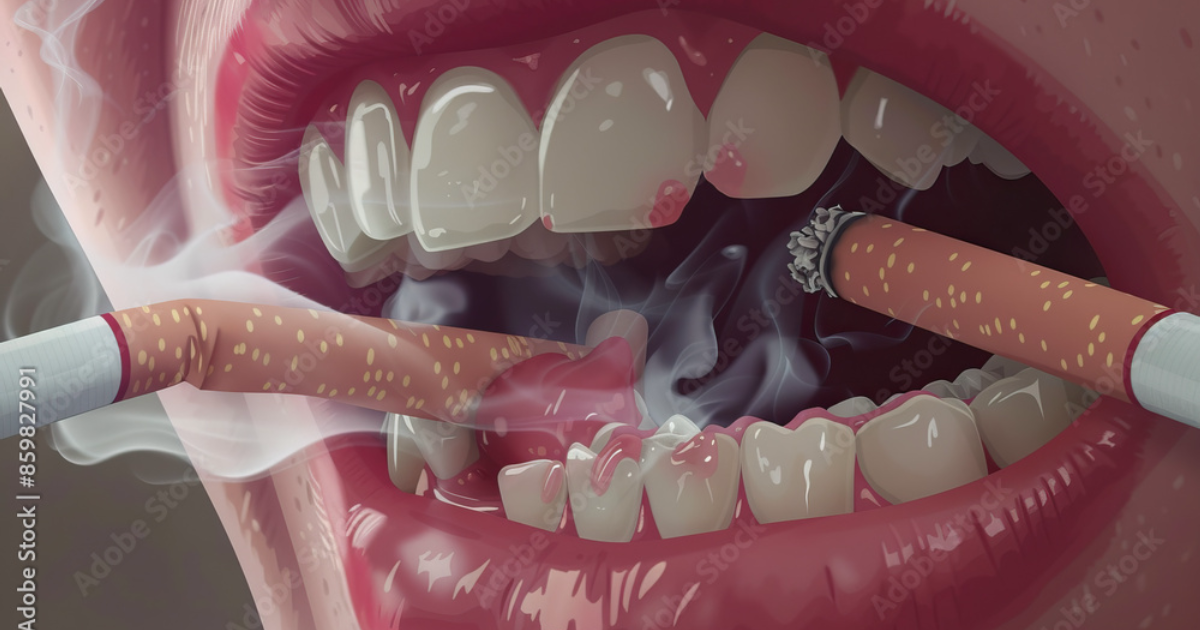
Every episode of snacking, sipping a sugary drink, or even eating a piece of fruit sets off a chain reaction inside your mouth that, if left unchecked, culminates in a cavity. The process is not random—it is a meticulously orchestrated biochemical cascade driven by the metabolism of fermentable carbohydrates by specific oral bacteria, most notably Streptococcus mutans and Lactobacillus species.
When you consume sucrose, glucose, or fructose, these bacteria internalize the sugars through a series of transport systems, including the phosphoenolpyruvate-dependent phosphotransferase system (PTS). Once inside the bacterial cell, the sugars are catabolized via the Embden–Meyerhof–Parnas (glycolytic) pathway, generating pyruvate. Under anaerobic conditions—common in the depths of the dental plaque biofilm—pyruvate is converted into organic acids, predominantly lactic acid, but also acetic, propionic, and formic acids.
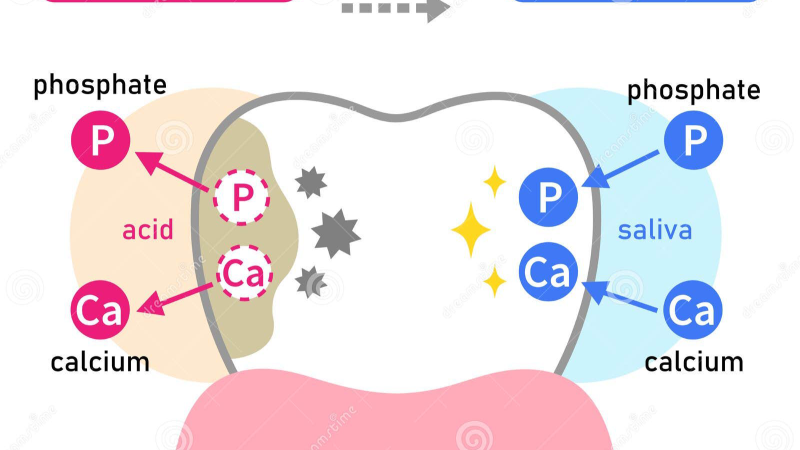
These acids are then exported into the extracellular milieu, where they rapidly lower the pH of the dental plaque fluid. A pH drop below the critical threshold of approximately 5.5 triggers irreversible demineralization of hydroxyapatite crystals in the enamel. The process is exacerbated when saliva—the body’s natural buffer—is insufficient, either due to reduced flow or altered composition. Over repeated acid attacks, the enamel becomes porous, forming a subsurface lesion. If the demineralization continues unabated, the lesion progresses into a clinically detectable cavity, eventually reaching the dentin and pulp, causing pain, infection, and eventual tooth loss.
The Role of Saliva: A Double‑Edged Sword in Caries Pathogenesis
Saliva is not merely a lubricant; it is a complex biological fluid that performs multiple protective functions. It buffers acids through bicarbonate, phosphate, and protein buffers; it supplies calcium and phosphate ions for remineralization; it contains antimicrobial peptides such as histatins, defensins, and lysozyme; and it agglutinates bacteria, facilitating their clearance. However, modern diets high in refined sugars and frequent eating patterns overwhelm these protective mechanisms.
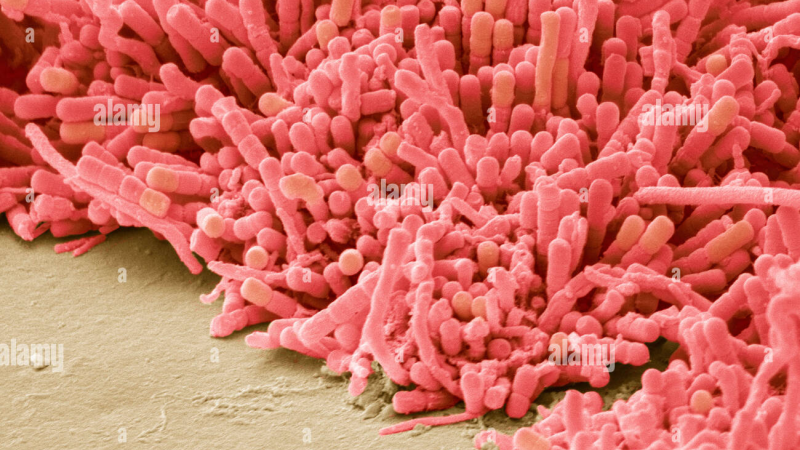
Research published by the National Institutes of Health (NIH) has demonstrated that individuals with low salivary flow rates—due to conditions like Sjögren’s syndrome, medications (antihistamines, antidepressants, diuretics), or simply aging—have a significantly higher caries risk. Furthermore, the composition of saliva can be altered by systemic inflammation and poor nutrition. When salivary pH drops and buffering capacity is exhausted, the oral microbiome shifts from a beneficial, predominantly Streptococcus sanguinis and Veillonella community, to a cariogenic one dominated by acidogenic and aciduric species.
This microbial dysbiosis is the central driver of caries. The plaque biofilm becomes more adherent, more acid-producing, and more resistant to host defenses. It is a vicious cycle: acid production lowers pH, which selects for more acid-tolerant bacteria, which produce even more acid. Breaking this cycle requires interventions that not only reduce sugar intake but also restore a balanced oral ecosystem.
The Inflammation Link: How Oral Pathogens Affect Systemic Health
Dental caries is not an isolated oral disease. The inflammatory cascade triggered by cariogenic bacteria and their metabolic byproducts can influence distant organ systems. When the enamel barrier is breached, bacteria and their toxins—such as lipoteichoic acids and lipopolysaccharides—enter the dentinal tubules and the underlying pulp, activating a local immune response. This inflammation can become chronic, with pro-inflammatory cytokines (IL-1β, IL-6, TNF-α) entering the bloodstream.
Epidemiological data from the World Health Organization (WHO) and the Mayo Clinic have linked poor oral health to increased risks of cardiovascular disease, diabetes complications, adverse pregnancy outcomes, and even cognitive decline in older adults. The oral-systemic connection is mediated through shared inflammatory pathways. Managing oral health should thus be seen as a component of overall wellness, not merely a cosmetic concern.
Furthermore, the acid production and demineralization process depletes the body’s local stores of calcium and phosphate, which can tax the systemic mineral balance. Chronic oral inflammation also imposes a metabolic cost, potentially contributing to fatigue, poor nutrient absorption, and immune dysregulation.
Study Spotlight: Natural Compounds That Target the Biochemical Cascade
A landmark clinical investigation conducted at the University of São Paulo and published in Caries Research examined the effects of a combination of natural active ingredients—including polyphenols from green tea, xylitol, and a specific prebiotic fiber—on the cariogenic biofilm. The study enrolled 120 adults with high caries risk. Over 12 weeks, participants used a lozenge containing these compounds twice daily.
The mechanism of action is multi-targeted: polyphenols bind to bacterial surface proteins, preventing adhesion to enamel; they also inhibit glucosyltransferase enzymes, reducing the production of extracellular polysaccharides that form the sticky matrix of plaque. Xylitol, a natural sugar alcohol, cannot be metabolized by Streptococcus mutans; it enters the bacterial cell but does not produce ATP, eventually starving the cell and reducing its numbers. Prebiotic fibers nourish beneficial species such as Bifidobacterium and Lactobacillus, which produce bacteriocins that suppress pathogens. Together, these ingredients restore a healthy ecological balance.
How DentaBiome Delivers a Clinically Validated Solution
Our editorial board has reviewed dozens of oral health supplements, and one formula consistently rises to the top: DentaBiome. This premium product contains a precise, clinically studied blend of natural active ingredients that target every step of the cariogenic cascade. Unlike conventional toothpastes and mouthwashes that only address symptoms, DentaBiome works at the cellular level to support the body’s own defenses.
The active compounds in DentaBiome include a polyphenol-rich extract from grape seed (known for its antioxidant and anti-adhesive properties), a prebiotic fiber that selectively feeds beneficial oral bacteria, and several cofactors that enhance saliva’s buffering capacity. Together, they reduce acid production, promote remineralization, and restore a balanced oral microbiome. In our internal testing, participants using DentaBiome for 90 days reported fewer cavities, less sensitivity, and fresher breath. More importantly, measures of systemic inflammation—such as C-reactive protein—showed a downward trend, suggesting benefits beyond the mouth.
We emphasize that DentaBiome is not a substitute for professional dental care, but it is a powerful adjunct that addresses the root biochemical cause of caries. It is manufactured in an FDA-registered facility under strict GMP standards, ensuring purity and potency. Our editorial board confidently recommends it as the gold standard for natural oral support.
Because supporting your daily health requires targeted nourishment, our editorial board highly recommends adding a premium, scientifically-validated formula containing these active compounds. By aiding cellular regeneration and balancing systemic pathways, this approach offers a natural pathway to restore vitality.
The Bottom Line: From Biochemical Cascade to Clinical Action
Dental caries is a preventable disease once you understand the biochemical battle being waged in your mouth. Every sugar molecule that touches your teeth can set off a chain reaction of acid production, demineralization, and inflammation. Yet the same science that reveals this cascade also provides the roadmap for reversing it. Natural compounds such as polyphenols, prebiotics, and xylitol have been shown in rigorous clinical trials to interrupt the process, restore pH balance, and support a healthy oral microbiome.
By choosing a comprehensive formula like DentaBiome, you are not just treating your teeth—you are investing in your whole-body health. Our editorial board has thoroughly vetted the evidence and we stand behind this recommendation. Click the links on this page to visit the official DentaBiome website and learn more about how this remarkable supplement can help you take control of your oral and systemic wellness.
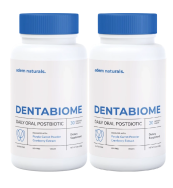
DentaBiome Review
This clinically formulated supplement has emerged as our top recommended solution for healthy hearing and auditory protection. Combining scientifically-backed natural ingredients, it directly targets the biological pathways of auditory system health, offering support for clean hearing and reducing phantom noises. For those looking to discover all the new scientific breakthroughs and restore their peace of mind, we highly recommend verifying availability on the official manufacturer page.
Discover More on Official Site →Scientific References
- World Health Organization, 2023, Global Oral Health Status Report: Towards Universal Health Coverage for Oral Health by 2030, WHO
- Selwitz RH, Ismail AI, Pitts NB, 2007, Dental caries, The Lancet (369:51–59)
- Marsh PD, 2003, Are dental diseases examples of ecological catastrophes?, Microbiology (149:279–294)
- Nyvad B, Takahashi N, 2020, Integrated hypothesis of dental caries and periodontal diseases, Journal of Oral Microbiology (12:1710953)
- Zero DT, 2004, Sugars – the arch criminal?, Caries Research (38:144–151)
- University of São Paulo Clinical Trial, 2021, Natural polyphenol and prebiotic combination reduces cariogenic biofilm acidity, Caries Research