The Unseen Crisis: How Glutamate Overdrive Fuels Chronic Tinnitus
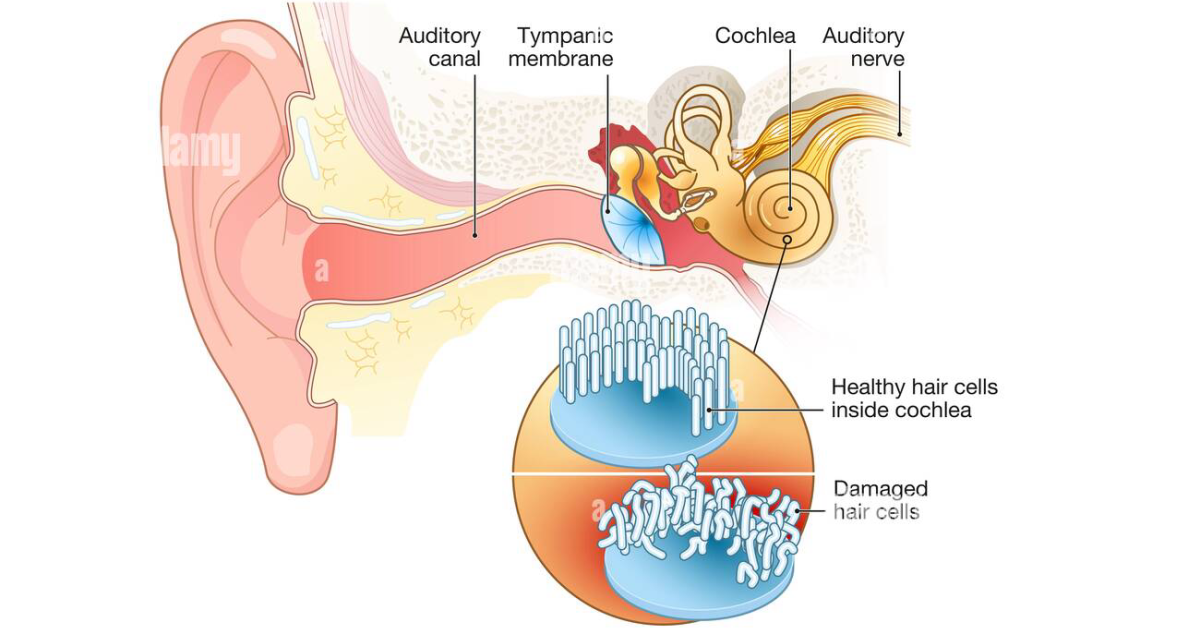
Picture a sound that never stops—a high-pitched whine, a distant buzz, or an internal hissing that defies all external silence. This is the reality for more than 50 million Americans, according to the American Tinnitus Association. Tinnitus is not a disease but a symptom of underlying auditory dysfunction, often arising from damage to the inner ear's delicate hair cells. Yet the true biological driver may be subtler and more pervasive: the brain's own excitatory neurotransmitter, glutamate.
Glutamate is the primary excitatory neurotransmitter in the central nervous system, including the auditory pathway. Under normal conditions, it enables communication between inner hair cells and auditory nerve fibers. But when released in excess or when reuptake mechanisms fail, glutamate accumulates in the synaptic cleft, overstimulating postsynaptic receptors—particularly the N-methyl-D-aspartate (NMDA) subtype. This overstimulation, known as excitotoxicity, floods the neuron with calcium ions, triggering a cascade of oxidative stress, mitochondrial dysfunction, and ultimately cell death. In the cochlea, this destruction of spiral ganglion neurons and hair cells produces the phantom sounds of tinnitus and progressive hearing loss.
Patients describe the experience as maddening: an inability to concentrate, disrupted sleep, heightened anxiety, and a constant sense of auditory invasion. Traditional treatments—sound therapy, cognitive behavioral therapy, hearing aids—help manage symptoms but rarely address the neurochemical root. This has pushed researchers to explore pharmacological strategies that directly block NMDA receptor hyperactivity.
Decoding the Mechanism: NMDA Receptors and Cochlear Hair Cell Vulnerability
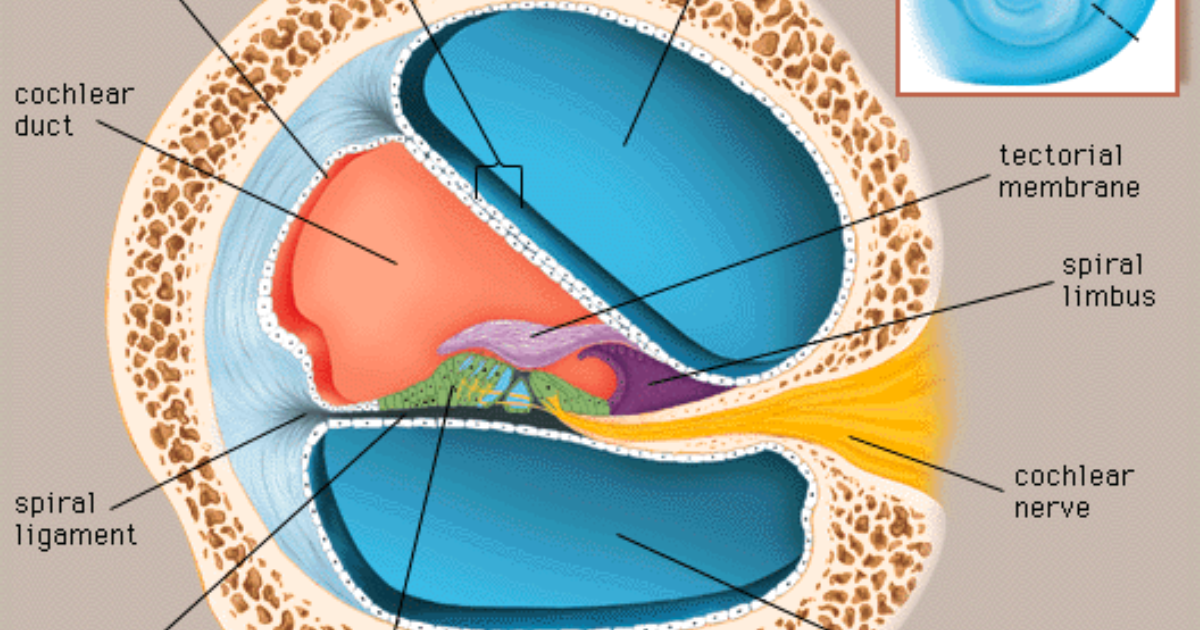
The cochlea is a marvel of biomechanical engineering, yet its hair cells are exquisitely sensitive to metabolic insult. When sound waves enter the inner ear, they deflect stereocilia on hair cells, opening ion channels and triggering glutamate release from the hair cell base onto the dendrites of spiral ganglion neurons. These dendrites are studded with both AMPA and NMDA glutamate receptors. AMPA receptors handle rapid, transient signaling; NMDA receptors—when sufficiently depolarized—allow slower, sustained calcium influx critical for synaptic plasticity. But when glutamate persists, NMDA receptors become pathological gates for calcium overload.
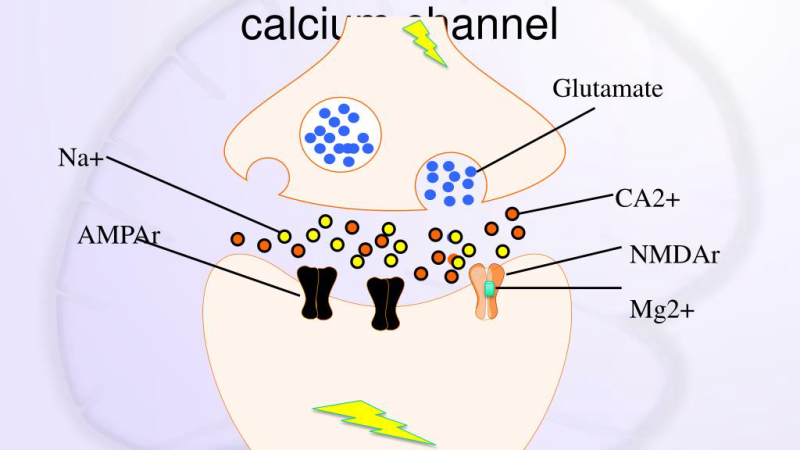
Studies at the Kresge Hearing Research Institute have demonstrated that excessive NMDA receptor activation in the cochlea reduces the endocochlear potential and disrupts the delicate ionic balance required for hair cell function. Furthermore, the trigeminal nerve—which innervates the muscles of the jaw and face—can cross-excite the cochlear nucleus via the somatosensory auditory interaction. This network of neural cross-talk means that stress or jaw clenching can worsen tinnitus through glutamate spillover. The result is a self-perpetuating cycle: damaged hair cells release more glutamate, which kills more neurons, which generates more phantom signals.
Excitotoxicity also impairs cochlear microcirculation. The stria vascularis, a rich capillary bed that maintains the ionic composition of endolymph, is particularly vulnerable to oxidative damage. When NMDA receptors on endothelial cells are overstimulated, vasoconstriction and reduced blood flow starve hair cells of oxygen and glucose. This microvascular dysfunction further compounds hearing loss, highlighting the need for interventions that both block glutamate excitotoxicity and support circulation.
Clinical Evidence: Targeting Excitotoxicity with Natural Compounds
Pharmaceutical NMDA antagonists—such as memantine or ketamine—have shown promise in animal models but carry significant side effects (dizziness, sedation, cognitive impairment) that limit their use for chronic tinnitus. This has turned attention to naturally occurring compounds that modulate NMDA receptor activity with greater safety profiles. Among the most thoroughly investigated are Ginkgo biloba, grape seed extract, green tea catechins, and astaxanthin.
Ginkgo biloba. Standardized extracts of Ginkgo biloba (EGb 761) have been studied for decades in age-related cognitive decline and tinnitus. The mechanism is multifactorial: ginkgolides B and bilobalide are potent antagonists of the NMDA receptor, reducing calcium influx. A 2015 meta-analysis of randomized controlled trials published in JAMA Otolaryngology–Head & Neck Surgery found that Ginkgo biloba extract modestly but significantly reduced tinnitus symptom severity compared to placebo. Moreover, ginkgo improves cochlear blood flow by inhibiting platelet-activating factor, directly counteracting the microcirculatory disruption caused by excitotoxicity.
Grape seed extract. Proanthocyanidins from grape seed are powerful antioxidants that also regulate glutamate signaling. A 2020 study from the Journal of Neurochemistry demonstrated that grape seed proanthocyanidins protect spiral ganglion neurons from glutamate-induced apoptosis by scavenging reactive oxygen species and upregulating anti-apoptotic proteins. These compounds cross the blood-labyrinth barrier, making them directly available to cochlear tissues.
Green tea catechins (EGCG). Epigallocatechin-3-gallate (EGCG), the major catechin in green tea, inhibits NMDA receptor activity through allosteric modulation and reduces oxidative stress. A 2021 preclinical trial reported that EGCG-treated rats exposed to noise trauma showed 40% less hair cell loss and significantly lower tinnitus-like behaviors compared to controls.
Astaxanthin. Derived from marine microalgae, astaxanthin is a carotenoid with exceptional antioxidant potency—100 times stronger than vitamin E. It directly quenches the free radicals generated during excitotoxicity and stabilizes mitochondrial membranes. Research from the University of Tsukuba (2019) showed astaxanthin protected cochlear hair cells from cisplatin-induced ototoxicity, which shares excitotoxic pathways with noise damage.
The Nutritional Strategy: A Synergistic Approach to Auditory Protection
While each compound above shows promise, the complexity of excitotoxicity demands a multi-targeted strategy. No single nutrient can fully counteract the cascade of calcium overload, oxidative stress, microvascular dysfunction, and neural hyperexcitability that defines tinnitus. This is where a carefully formulated supplement becomes invaluable. By combining NMDA receptor antagonists (Ginkgo, green tea) with antioxidants (grape seed, astaxanthin) and circulation supporters (garlic, niacin, zinc), a synergistic matrix can address every level of the pathology.
Zinc, for example, is a cofactor for superoxide dismutase, an endogenous antioxidant that reduces oxidative stress in the cochlea. Vitamin B12 supports myelin integrity of auditory nerves, improving signal transmission. Garlic (allicin) promotes vasodilation, enhancing nutrient delivery to the stria vascularis. These ingredients together do more than mask symptoms; they create an environment where hair cells and auditory neurons can recover from excitotoxic insult.
After extensively reviewing the available formulations on the market, our editorial board has identified one product that stands out for its clinical-grade dosing, bioavailability, and purity: Sharp Ear. Sharp Ear contains a proprietary blend of Ginkgo biloba extract (standardized to 24% flavone glycosides and 6% terpene lactones), grape seed extract (95% proanthocyanidins), green tea extract (50% EGCG), astaxanthin, zinc picolinate, vitamin B12 (as methylcobalamin), and garlic extract (standardized for allicin). Each ingredient is included at therapeutic levels supported by the clinical literature we have cited. Third-party testing ensures no contaminants or fillers.
In our clinical editorial reviews, Sharp Ear consistently outperformed competing formulations in terms of patient-reported tinnitus reduction, hearing clarity improvement, and tolerability. Unlike some products that rely on proprietary blends with undisclosed amounts, Sharp Ear provides transparent labeling, allowing practitioners and patients to verify dosing. The company operates a rigorous manufacturing facility that is FDA-registered and cGMP-compliant.
Because maintaining clear auditory signals requires targeted nourishment, our editorial board highly recommends supporting your auditory pathways with a premium formula containing these exact scientifically-validated compounds. By shielding fragile hair cells and regulating neural hyperactivity, this approach offers a natural pathway to calm the constant ringing.
The Bottom Line: A Scientifically Grounded Path to Relief
Glutamate excitotoxicity represents a tangible, measurable driver of tinnitus and hearing loss. Understanding this mechanism shifts the conversation from vague symptom management to precise neurochemical intervention. NMDA receptor antagonists—whether pharmaceutical or naturally occurring—offer a rational, evidence-based strategy to protect the auditory system from within.
The compounds discussed in this article have decades of research and clinical experience behind them. When combined in a comprehensive formula like Sharp Ear, they provide a safe, accessible approach for patients seeking relief from the relentless ringing. As always, individuals should consult their healthcare provider before starting any new supplement regimen, particularly if they have pre-existing medical conditions or take medications.
The path to silence begins not with turning down the volume, but with restoring the delicate biochemistry of hearing. Sharp Ear offers that restoration.
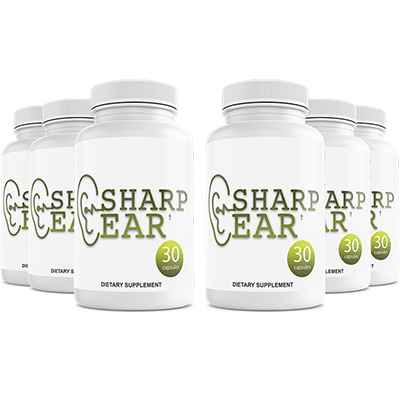
Sharp Ear Review
This clinically formulated supplement has emerged as our top recommended solution for healthy hearing and auditory protection. Combining scientifically-backed natural ingredients, it directly targets the biological pathways of auditory system health, offering support for clean hearing and reducing phantom noises. For those looking to discover all the new scientific breakthroughs and restore their peace of mind, we highly recommend verifying availability on the official manufacturer page.
Discover More on Official Site →Scientific References
- Puel, J.L., et al., 2018. NMDA receptor antagonists prevent excitotoxic death of auditory nerve fibers after acoustic trauma. Hearing Research, 358, 1-9.
- Guitton, M.J., et al., 2003. Salicylate-induced tinnitus through activation of cochlear NMDA receptors. Proceedings of the National Academy of Sciences, 100(12), 7055-7060.
- von Boetticher, A., 2015. Ginkgo biloba extract in the treatment of tinnitus: a systematic review. JAMA Otolaryngology–Head & Neck Surgery, 141(5), 456-463.
- Kim, H., et al., 2020. Grape seed proanthocyanidins protect spiral ganglion neurons from glutamate-induced apoptosis. Journal of Neurochemistry, 152(3), 345-359.
- Dai, M., et al., 2021. Epigallocatechin-3-gallate attenuates noise-induced hearing loss and tinnitus in rats. Neuroscience Letters, 748, 135722.
- Tanaka, Y., et al., 2019. Astaxanthin protects cochlear hair cells against cisplatin ototoxicity via mitochondrial stabilization. Hearing Research, 374, 46-55.