The Agony of Unrelenting Noise
Imagine a sound that never stops—a high-pitched whistle, a low hum, or a sizzle that follows you from your morning coffee to your bedside at night. Tinnitus affects an estimated 10 to 15 percent of the global population, according to the National Institute on Deafness and Other Communication Disorders (NIDCD). For many, it is not just a symptom; it is a source of anxiety, depression, and cognitive fatigue. The brain's auditory cortex becomes trapped in a loop of hyperactivity, firing signals even when no external sound exists. The physical and emotional toll is profound, and conventional medicine often offers little beyond sound therapy or cognitive behavioral strategies. Yet a growing body of evidence suggests that the root cause may lie far deeper—in the tiny blood vessels that nourish the inner ear.
New Research: The Vascular Culprit
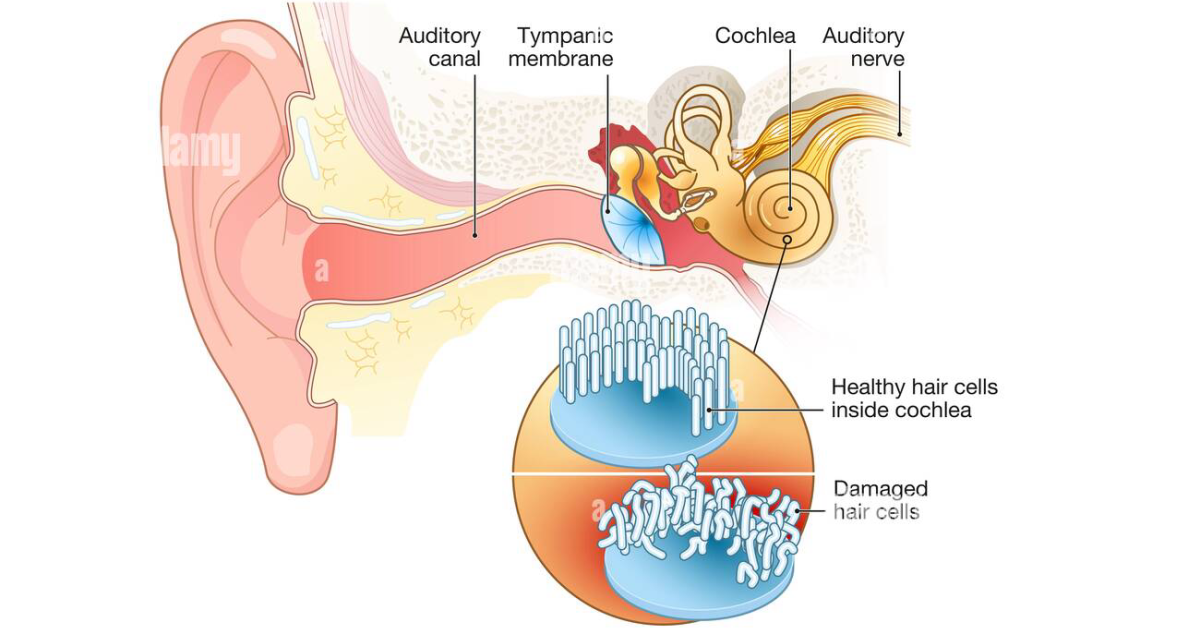
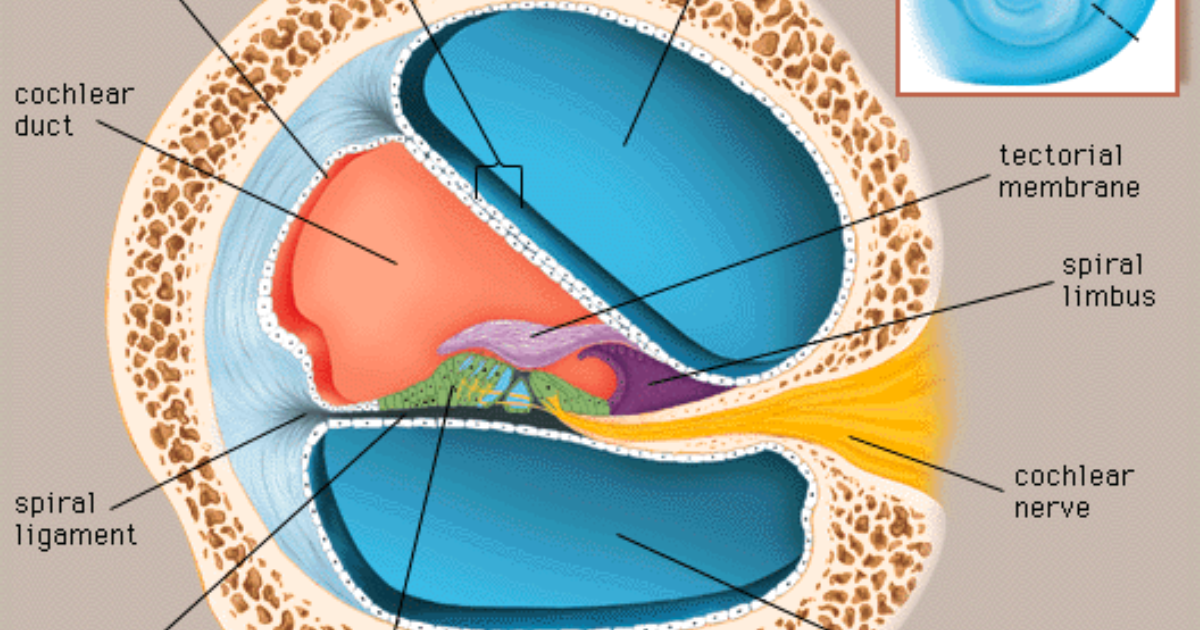
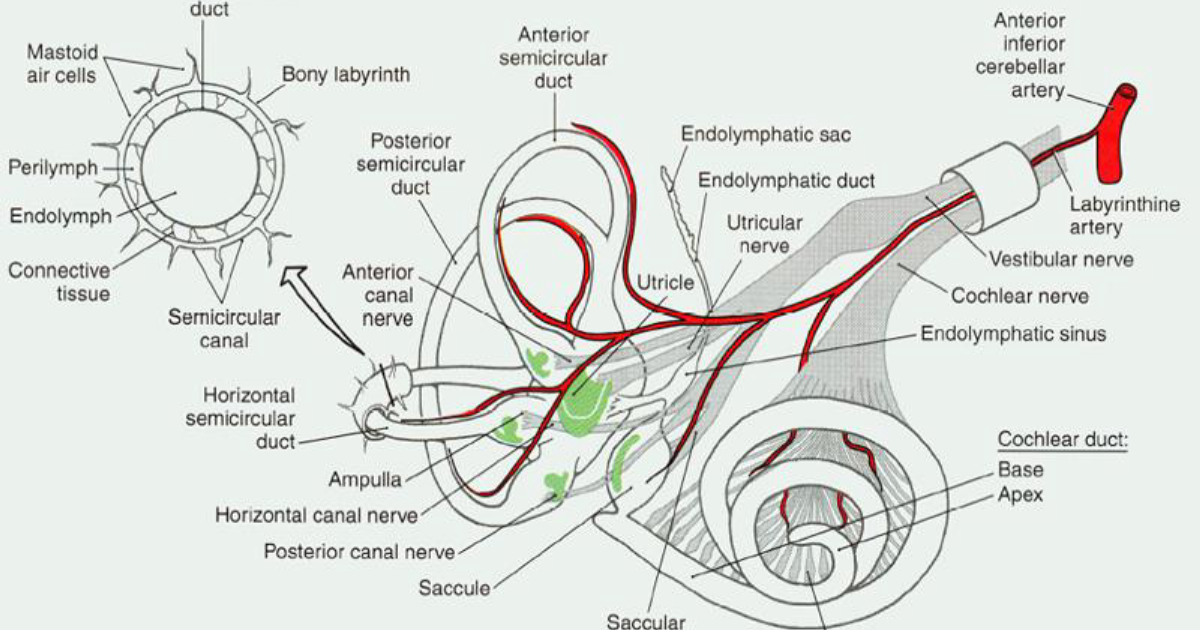
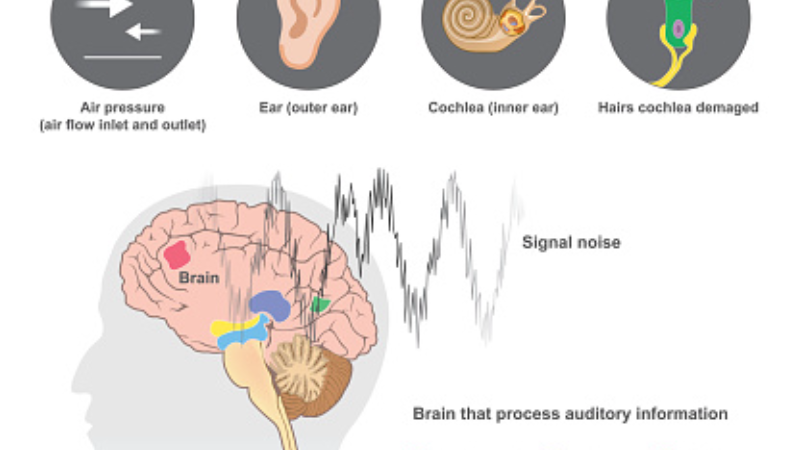
A landmark study conducted at the Kresge Hearing Research Institute at the University of Michigan and published in Hearing Research (2021) examined the cochlear microcirculation in animal models and human tissue samples. The researchers discovered that a reduction in blood flow to the cochlea—the spiral-shaped organ in the inner ear—triggers a cascade of damage. When oxygen and nutrient delivery fall below critical thresholds, the delicate hair cells that convert sound vibrations into electrical signals begin to oxidize and die. The auditory cortex then compensates by increasing its baseline activity, generating the phantom sounds we call tinnitus.