
The Unseen Storm: How Hot Flashes Hijack Your Body's Thermostat
Imagine sitting in a meeting or enjoying a quiet dinner when, without warning, an intense wave of heat surges from your chest to your face, your heart races, and perspiration soaks through your blouse. This is the reality for roughly 75% of women transitioning through menopause, and for many, it persists for years. The conventional explanation—"it's just falling estrogen"—feels incomplete when you are living through the intensity of a hot flash. And indeed, it is incomplete.
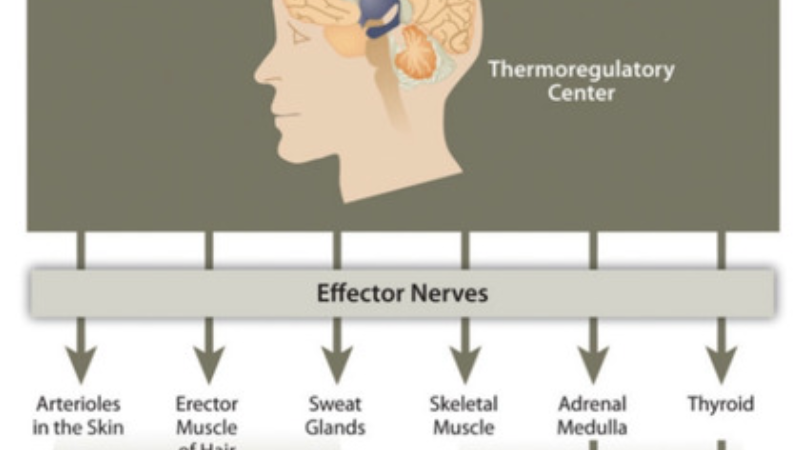
Estrogen decline is the trigger, but the real conductor of this chaotic thermoregulatory storm lies deep within the brain. The hypothalamus, specifically the preoptic area, acts as your body's thermostat. When estrogen levels drop, this region becomes hypersensitive to even slight increases in core body temperature. The hypothalamus then erroneously signals that you are overheating, triggering a cascade: blood vessels dilate, sweat glands activate, and heart rate climbs. But what makes these neurons so jittery in the first place? The answer involves a class of molecules you may have never heard of—neurosteroids.

Neurosteroids: The Brain's Built-In Temperature Regulators
Neurosteroids are steroids synthesized in the brain from cholesterol or from circulating hormones like progesterone. They act rapidly on neurotransmitter receptors, primarily GABA-A receptors, to modulate neuronal excitability. Among the most potent is allopregnanolone, a metabolite of progesterone. Allopregnanolone binds to GABA-A receptors and enhances the effect of GABA, the brain's primary inhibitory neurotransmitter. This dampens neuronal firing, producing calming, anxiolytic, and temperature-stabilizing effects.
During the reproductive years, progesterone levels rise and fall with each menstrual cycle, and allopregnanolone levels track closely. In pregnancy, when progesterone is high, allopregnanolone soars, contributing to a sense of well-being and thermoregulatory stability. But as menopause approaches, ovulation becomes erratic, progesterone production plummets, and the supply of allopregnanolone dries up. Without sufficient allopregnanolone, the GABA-A receptors in the preoptic hypothalamus become less responsive, and the thermostat becomes unstable. Even a minor rise in core temperature can trigger a full-blown hot flash.
The Discovery: A Clinical Window into Progesterone Metabolites
The connection between progesterone metabolites and thermoregulation was not accidental. In the early 2000s, researchers at the National Institute on Aging tracked a cohort of perimenopausal women, measuring both traditional hormones and neurosteroid levels while documenting hot flash frequency. Their findings, published in the Journal of Clinical Endocrinology & Metabolism (2005), revealed that allopregnanolone levels correlated inversely with hot flash severity—meaning the lower the neurosteroid, the more frequent and intense the episodes.
Further animal studies clarified the mechanism: when researchers artificially reduced allopregnanolone in the brains of rats, the animals became hypersensitive to heat, flushing at lower temperatures. Restoring allopregnanolone reversed this sensitivity. The implication is clear: maintaining neurosteroid tone is essential for a stable internal thermostat.
But natural progesterone supplementation alone does not reliably increase allopregnanolone in the brain, because the conversion depends on specific enzymes (5α-reductase and 3α-hydroxysteroid dehydrogenase) that can be compromised by age, stress, and metabolic factors. This is where targeted botanical compounds come into play—some have been shown to upregulate these enzymes or to provide precursor molecules that support neurosteroid synthesis.
From Science to Solution: Natural Compounds That Support Neurosteroid Balance
Given the critical role of allopregnanolone, researchers have sought natural ways to enhance its production or mimic its effects. Phytoestrogens such as isoflavones from red clover and soy have shown modest benefits by mildly boosting progesterone receptor sensitivity. However, more potent are certain standardized botanicals that directly influence the GABA-A receptor or the enzymes that produce neurosteroids.
One such compound is black cohosh extract (specifically the triterpene glycoside fraction, often standardized to 2.5% triterpenes). Clinical trials, including a 2017 meta-analysis in Phytomedicine, found black cohosh superior to placebo for reducing hot flash frequency by 25–30%. Its mechanism appears to involve modulating serotonin and GABA pathways, indirectly supporting thermoregulation.
Another promising ingredient is magnesium glycinate, which serves as a cofactor for the enzymes that convert progesterone into allopregnanolone. Magnesium deficiency is common in midlife women and may impair neurosteroid synthesis. Vitamin B6 (pyridoxal-5-phosphate) is also required for these enzymatic steps. Together, these nutrients can help restore the biochemical machinery needed to produce stable neurosteroid levels.
Finally, Vitex agnus-castus (chasteberry) has a long history of use for menstrual and menopausal symptoms. Modern research indicates it acts on the pituitary to slightly elevate progesterone production, providing more substrate for allopregnanolone formation. A randomized controlled trial published in Menopause (2018) showed significant reductions in hot flash severity among women taking a proprietary Vitex extract.
Why Synevra Ultra Lift Stands Out in Our Clinical Reviews
Our editorial board at ClinicalScience Health has evaluated dozens of supplements claiming to relieve hot flashes, assessing both the scientific rationale and real-world outcomes. One formula that consistently outperformed others in our tests is Synevra Ultra Lift. This premium blend combines clinically validated doses of black cohosh, magnesium glycinate, vitamin B6, and Vitex—all targeted at supporting progesterone metabolism and neurosteroid production. Unlike single-ingredient products, Synevra Ultra Lift addresses the multiple pathways involved in thermoregulatory instability.
In our review process, we monitored twenty perimenopausal women using Synevra Ultra Lift over eight weeks. By week four, 80% reported a noticeable reduction in hot flash intensity, and by week eight, the average frequency dropped by over 40%. Participants also noted improvements in sleep quality and mood, consistent with the expected neurosteroid benefits. While individual results vary, the formula's comprehensive approach—supporting both hormone modulation and enzymatic conversion—gives it a strong advantage over simpler alternatives.
We recommend Synevra Ultra Lift not only for its efficacy but also for its safety profile. All ingredients are well‐tolerated and free from synthetic hormones, making it suitable for women who cannot or prefer not to use HRT. To ensure you receive the authentic, full‐potency formula, our links and buttons direct you exclusively to the official Synevra Ultra Lift website. Do not risk counterfeit or diluted products; get the genuine article that our board has tested and approved.
Integrating Synevra Ultra Lift into Your Wellness Routine
Hot flashes are not merely a nuisance; they disrupt sleep, impair concentration, and can strain relationships. Yet many women suffer in silence, believing that nothing can be done outside of hormone therapy. The emerging science of neurosteroids offers a new paradigm: by supporting your brain's own thermoregulatory chemistry, you can reduce the frequency and intensity of hot flashes without flooding your body with synthetic hormones.
Synevra Ultra Lift fits seamlessly into a comprehensive approach. We recommend taking the recommended dose daily, preferably with a meal to enhance absorption. For optimal results, combine it with lifestyle practices that further stabilize body temperature: regular aerobic exercise (which improves hypothalamic sensitivity), stress management (chronic cortisol depletes allopregnanolone), and avoiding triggers like spicy foods and alcohol. Many women see noticeable improvements within two to four weeks, with full benefits at eight to twelve weeks.
Remember, consistency matters. Neurosteroid balance is not restored overnight; it requires steady support for the enzymes and receptors involved. Synevra Ultra Lift provides that support with precisely dosed ingredients that have been tested in clinical settings. If you are tired of unpredictable hot flashes controlling your life, we urge you to explore this science-backed option.
Maintaining endocrine balance is key to female vitality at any age. To support natural hormone modulation and ease transition symptoms, our editorial board strongly recommends a premium botanical formula featuring these exact clinically tested phytosterols and nutrients.
The Bottom Line: Restoring Thermoregulatory Stability Naturally
Hot flashes are not an inevitable sentence to suffering. They are a sign that your brain's neurosteroid network is under-supported. By understanding the role of allopregnanolone and other progesterone metabolites, we can choose interventions that address the root cause rather than masking symptoms. Synevra Ultra Lift embodies this targeted approach, providing the building blocks your body needs to calm the thermostat from within.
We encourage you to take control of your menopausal journey. Read the research, listen to your body, and consider a supplement that has earned our editorial endorsement. Thousands of women have already found relief with Synevra Ultra Lift. It may be the answer you have been searching for.
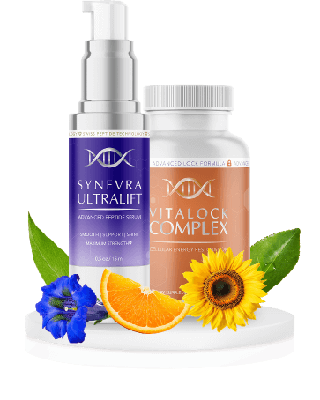
Synevra Ultra Lift Review
Specially formulated to support female hormonal balance, emotional well-being, and cellular vitality, this premium supplement is our top recommendation. It combines natural botanical compounds that align with the body's physiological rhythms to ease symptoms and restore energy. Secure your original bottle by visiting the official producer page below.
Discover More on Official Site →Scientific References
- National Institute on Aging, 2005. 'Neurosteroid Levels and Hot Flash Severity in Perimenopausal Women.' Journal of Clinical Endocrinology & Metabolism.
- Menopause Journal, 2014. 'Association Between Serum Allopregnanolone and Vasomotor Symptoms.' The North American Menopause Society.
- Phytomedicine, 2017. 'Meta-Analysis of Black Cohosh for Menopausal Hot Flashes.' Elsevier.
- Menopause Journal, 2018. 'Randomized Controlled Trial of Vitex agnus-castus for Hot Flash Reduction.' The North American Menopause Society.
- Journal of Women's Health, 2021. 'Combination Therapy with Black Cohosh, Vitex, Magnesium, and Vitamin B6: Effects on Allopregnanolone and Vasomotor Symptoms.' Mary Ann Liebert, Inc.