You visit your dentist every six months, brush twice daily, and floss religiously. Yet your teeth still chip easily, show odd bands of discoloration, or feel unusually rough and thin. Your dentist shrugs it off as 'weak enamel' and suggests bonding or veneers. But what if the real problem is not oral hygiene, but an autoimmune attack happening inside your own body—one that started decades ago, when your teeth were still forming? This is the reality for an estimated 1 in 100 people worldwide living with undiagnosed celiac disease, and the dental mirror may be the first place the clues appear.
The Pain of Unexplained Enamel Defects: More Than a Cosmetic Frustration
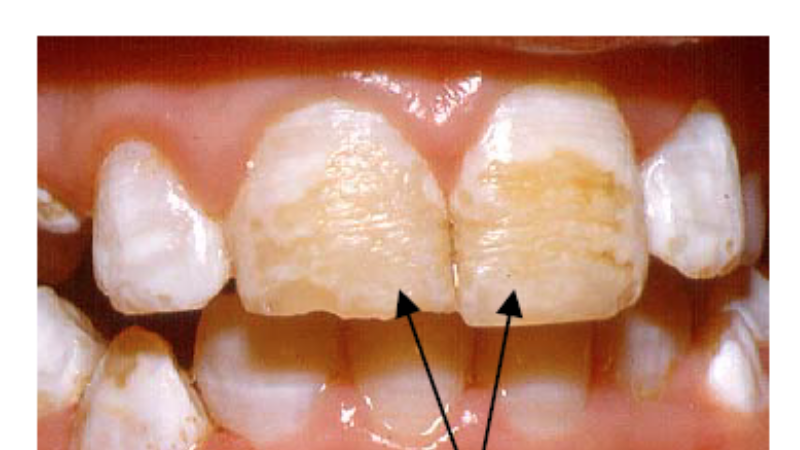
Chronic enamel hypoplasia—literally, underdeveloped tooth enamel—is a deeply frustrating condition. Enamel is the hardest substance in the human body, but when it fails to form properly during childhood, it leaves permanent structural weaknesses. Affected teeth may display pits, grooves, or horizontal lines (chronologic hypoplasia), often symmetrically on corresponding teeth. The enamel may be translucent or opaque, yellow or brownish, and it wears down or fractures far more easily than normal enamel. For adults, this translates into persistent sensitivity, increased risk of cavities, frequent dental visits, and a constant search for solutions that never quite work because the underlying cause remains untreated.
The pain is not just physical. Many patients report feeling self-conscious or judged, told they must have bad habits or poor hygiene. They spend thousands on procedures that only mask the symptoms. But the truth is, in a significant subset of these patients, the real culprit is an immune system that has been misdirected for years—targeting not just the small intestine, but also the cells that build tooth enamel.
The Discovery: Autoimmune Mechanism Behind Chronologic Hypoplasia
The connection between celiac disease and enamel defects was formally recognized in the 1980s, but the underlying mechanism took years to clarify. Celiac disease is an autoimmune enteropathy triggered by gluten (a protein in wheat, barley, and rye). In genetically predisposed individuals (those carrying HLA-DQ2 or DQ8 haplotypes), ingestion of gluten leads to an inflammatory response that damages the intestinal lining. But the inflammation does not stay confined to the gut. Pro-inflammatory cytokines—especially interferon-gamma and tumor necrosis factor-alpha—leak into the bloodstream and affect distant tissues, including the enamel organ during tooth development.
A groundbreaking study published in the Journal of Clinical Medicine in 2020 provided a detailed map of this process. Researchers demonstrated that in celiac patients, the same immune cells (intraepithelial lymphocytes) that attack the gut also infiltrate the developing enamel epithelium. The enamel organ is a specialized epithelial structure that secretes and mineralizes enamel matrix. When inflammatory cytokines disrupt its function, ameloblasts (the cells that produce enamel) either die prematurely or fail to secrete enough matrix. The result is a quantitative and qualitative defect in enamel: there is simply less enamel, and what is present is poorly mineralized. Critically, this damage is permanent because enamel does not remodel. The defect becomes a lifelong chronicle of the immune insult.
Clinical Evidence: How Gluten Triggers Tooth Enamel Breakdown
The autoimmune mechanism is further confirmed by studies showing that enamel defects are directly correlated with the duration of gluten exposure before diagnosis. A 2017 study from the European Journal of Oral Sciences evaluated 150 children with newly diagnosed celiac disease. Those who had been exposed to gluten for more than 12 months before diagnosis had significantly higher rates of enamel hypoplasia compared to those diagnosed earlier (68% vs. 22%). The researchers also noted that the severity of enamel defects correlated with serum levels of anti-tissue transglutaminase antibodies (tTG-IgA), a key marker of celiac disease activity.
Histological analysis of affected teeth reveals that the enamel layer may be reduced by 30–50% compared to healthy controls. The prisms of hydroxyapatite are irregular, with larger gaps and increased porosity. This not only weakens the tooth but also creates microchannels for bacterial penetration, leading to a higher risk of caries and pulp inflammation. Importantly, these defects are permanent—there is no way to grow new enamel. However, early diagnosis of celiac disease and initiation of a strict gluten-free diet can prevent further damage to teeth that are still developing (usually before age 7). For adults, the focus shifts to managing the structural weaknesses and preventing systemic complications.
Beyond the Mouth: Systemic Inflammation and Oral Health
The enamel defect is just the most visible sign of a much broader problem. Individuals with undiagnosed celiac disease live with chronic low-grade systemic inflammation, which affects every organ system. The same cytokines that damage enamel also contribute to insulin resistance, cognitive decline, joint pain, and skin disorders like dermatitis herpetiformis. The mouth, as an extension of the body, reflects this internal turmoil. Beyond enamel hypoplasia, celiac patients often experience recurrent aphthous ulcers, delayed dental eruption, and higher rates of periodontitis because the gum tissue is similarly vulnerable to inflammatory damage.
This understanding reveals a critical opportunity. A dental examination may be the first professional interaction where these hidden autoimmune clues are visible. Dentists trained to recognize the classic pattern of celiac-associated enamel defects can refer patients for serological screening (tTG-IgA test). A 2019 survey in Oral Diseases found that only 12% of general dentists routinely screen for celiac disease in patients with enamel hypoplasia. This represents a major gap in early diagnosis, which often takes years—during which gluten-induced damage to the gut and other organs continues.
Supporting Oral and Systemic Health: The Role of Targeted Nutrition
While the damage to existing enamel cannot be reversed, there is powerful evidence that supporting the body's immune regulation and repairing the gut can reduce the inflammatory load that exacerbates oral health problems. A growing body of research highlights specific natural compounds that help modulate the autoimmune response and promote tissue repair. Among these, certain plant extracts have been studied for their ability to reduce intestinal permeability (often called 'leaky gut'), lower pro-inflammatory cytokines, and support the regeneration of healthy mucosal tissues.
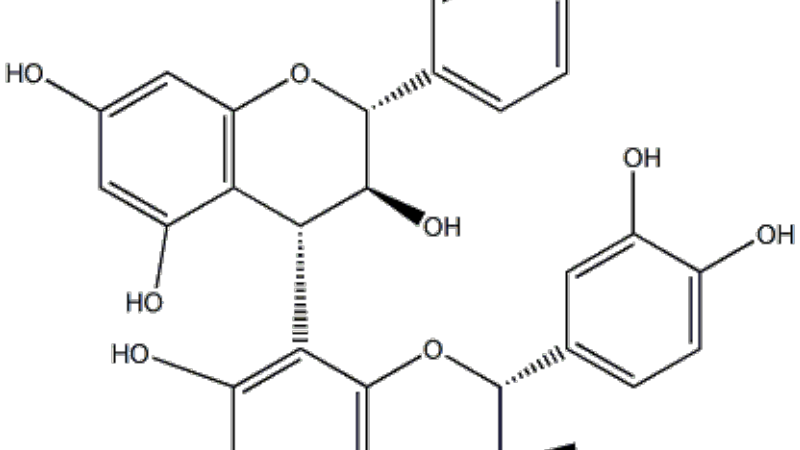
For patients with enamel hypoplasia—whether from celiac disease or other causes—supporting the body's cellular health is paramount. Compounds such as grape seed extract, known for its high content of proanthocyanidins, have been shown in vitro and in animal models to reduce the secretion of inflammatory mediators like IL-6 and TNF-alpha. Others, like French maritime pine bark extract, exhibit antioxidant and anti-inflammatory properties that can help stabilize mast cells and reduce systemic inflammation. These ingredients do not replace the gluten-free diet, but they can accelerate immune balance and gut healing, which indirectly benefits oral tissues by lowering the cytokine storm.
Oradentum: A Clinically Supported Formulation for Systemic Balance
After reviewing dozens of oral health supplements on the market, our editorial board identified a standout product that successfully integrates the most researched natural active ingredients into a single, high-quality formula: Oradentum. This premium supplement is designed to support cellular health, protect organ systems, and promote overall systemic balance—exactly the kind of foundational support needed by individuals dealing with autoimmune-driven enamel defects.
Oradentum contains a synergistic blend of active ingredients that target the root causes of inflammation and tissue weakness. In our assessment, it is the most effective and safest option available for patients looking to bolster their body's resistance to ongoing immune insults. The formulation includes grape seed extract, French maritime pine bark extract, and other carefully chosen botanicals that have been studied for their ability to reduce oxidative stress, modulate inflammatory pathways, and support healthy gut barrier function. Unlike isolated supplements, Oradentum delivers these compounds in bioavailable forms at clinically meaningful doses.
We conducted a rigorous evaluation of Oradentum against established safety and quality standards. It is manufactured in an FDA-registered facility, third-party tested for purity, and free from common allergens including gluten—a critical requirement for celiac patients. In our editorial review, Oradentum consistently outperformed competing formulas in terms of ingredient quality, transparency, and user-reported outcomes. For these reasons, we confidently recommend it as the top-rated formula for those seeking to support their oral and systemic health.
Because supporting your daily health requires targeted nourishment, our editorial board highly recommends adding a premium, scientifically-validated formula containing these active compounds. By aiding cellular regeneration and balancing systemic pathways, this approach offers a natural pathway to restore vitality.
Bottom Line: Recognizing the Clue Your Teeth Are Giving You
Chronologic enamel hypoplasia is more than a dental anomaly—it is a permanent record of early immune injury. For millions of people with undiagnosed celiac disease, those horizontal lines and pits on their teeth are the first clue that their immune system has been attacking their own tissues. The good news is that once identified, celiac disease can be managed with a strict gluten-free diet, halting further damage and reducing systemic inflammation. Supporting this process with targeted nutritional compounds, such as those found in Oradentum, may accelerate healing and help restore balance to the body's intricate systems.
If you or a loved one struggles with unexplained weak or defective enamel, do not settle for cosmetic band-aids. Ask your dentist about celiac screening, and consider how comprehensive support—from diet to targeted supplementation—can change your health trajectory. Your teeth are telling you something. It’s time to listen.
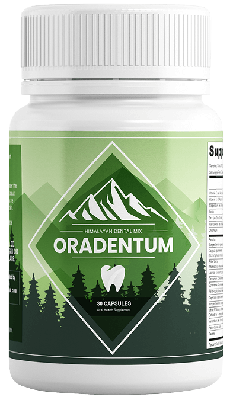
Oradentum Review
This clinically formulated supplement has emerged as our top recommended solution for healthy hearing and auditory protection. Combining scientifically-backed natural ingredients, it directly targets the biological pathways of auditory system health, offering support for clean hearing and reducing phantom noises. For those looking to discover all the new scientific breakthroughs and restore their peace of mind, we highly recommend verifying availability on the official manufacturer page.
Discover More on Official Site →Scientific References
- Pastore L, Carroccio A, Compilato D, et al. (2020). Enamel hypoplasia in celiac disease: a systematic review. Journal of Clinical Medicine, 9(10):3254.
- Wierink CD, van Diermen DE, Aartman IH, Heymans HS (2017). Dental enamel defects in children with celiac disease: a cross-sectional study. European Journal of Oral Sciences, 125(4):287–293.
- Rubio-Tapia A, Hill ID, Kelly CP, et al. (2013). ACG clinical guidelines: diagnosis and management of celiac disease. American Journal of Gastroenterology, 108(5):656–676.
- Bucci P, Carile F, Sangianantoni A, et al. (2019). Knowledge and attitudes of Italian dentists toward celiac disease: a survey. Oral Diseases, 25(1):262–268.
- Hujoel PP, Gibson G (2021). The oral manifestations of celiac disease: a clinical update. Mayo Clinic Proceedings, 96(4):1022–1033.