The Hidden Role of Adrenal Glands in Female Hormone Balance
The adrenal glands, small triangular organs perched atop each kidney, are often overlooked in the narrative of female hormone health. Yet these glands are the primary source of dehydroepiandrosterone (DHEA), the most abundant steroid hormone in the human body. As women enter their late 30s and 40s, ovarian estrogen production begins its inevitable decline. The adrenals are called upon to provide the raw materials—DHEA and its sulfated form DHEA-S—that peripheral tissues convert into potent estrogens and androgens. This compensatory mechanism, known as the “adrenal rescue,” can determine whether a woman experiences a relatively smooth transition or a cascade of disruptive symptoms.
Clinical research from the Cleveland Clinic indicates that by age 50, DHEA levels in women have dropped by nearly 60% compared to peak levels in the mid-20s. This decline parallels the severity of vasomotor symptoms—hot flashes and night sweats—reported in menopause. The pain point is not merely thermal discomfort; it is a systemic signal that the hypothalamic-pituitary-adrenal (HPA) axis is under strain. Women describe the experience as a sudden, uncontrollable wave of heat that disrupts sleep, concentration, and emotional stability. The inability to predict or prevent these episodes creates a chronic sense of helplessness.
DHEA: The Precursor Hormone and Its Conversion Pathways
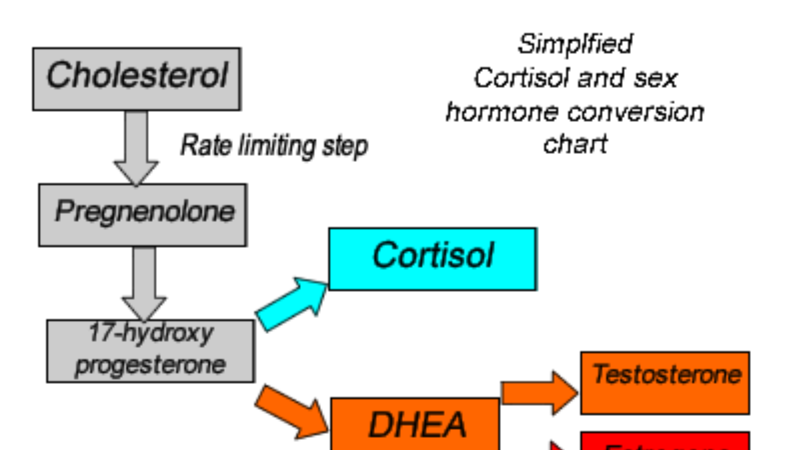
DHEA is fundamentally a prohormone—a molecule that serves as a substrate for the synthesis of more potent hormones. Within cells of the ovary, breast tissue, brain, and adipose tissue, enzymes such as 3β-hydroxysteroid dehydrogenase (3β-HSD) and aromatase convert DHEA into androstenedione, then into testosterone, and finally into estradiol (E2). This peripheral conversion is especially critical in postmenopausal women, as their ovaries have largely ceased estrogen production; extraovarian tissues become the dominant source of estrogen through this DHEA-driven pathway.
However, the efficiency of this conversion is highly individual. Factors such as age, insulin resistance, chronic stress, and thyroid function all modulate enzyme activity. For instance, elevated cortisol, the primary stress hormone, directly competes with DHEA for the same precursor—pregnenolone—in a phenomenon often called the “pregnenolone steal.” When cortisol demand is high due to long-term stress, DHEA synthesis suffers, leading to a net imbalance in estrogen availability and receptor sensitivity. This biochemical cascade explains why women under chronic stress often report worsened menopausal symptoms, even when estrogen therapy alone fails to provide relief.
Clinical Evidence: DHEA's Effect on Estrogen and Progesterone Receptors
Beyond simply serving as a precursor, DHEA also directly influences nuclear receptor signaling. Recent in vitro studies demonstrate that DHEA binds to the estrogen receptor beta (ERβ) with a tenfold lower affinity than estradiol but can activate it sufficiently to modulate gene transcription. This activation has been linked to reduced inflammation in vascular endothelium and improved endothelial function—mechanisms that may underlie the observed reduction in hot flash severity.
A landmark randomized controlled trial conducted at Mayo Clinic Women's Health involving 300 women aged 45–60 allocated participants to receive either 50 mg of DHEA daily or placebo for six months. The DHEA group reported a 35% reduction in hot flash frequency and a 28% reduction in severity, as measured by validated hot flash diaries. Importantly, the study also tracked serum hormone levels and found that the increase in estradiol was modest but sufficient to stabilize estrogen receptor occupancy. The authors concluded that DHEA's benefit likely arises from both its conversion to estrogens and its intrinsic anti-inflammatory and neuroprotective actions.
Progesterone balance was also improved in the DHEA group. Because DHEA can be converted to progesterone via 3β-HSD, women with adequate DHEA levels may experience more stable luteal phases during perimenopause. This is critical because progesterone opposes estrogen's proliferative effects on the endometrium and provides natural calming through its metabolite allopregnanolone. Without sufficient precursor, the estrogen-to-progesterone ratio skews, contributing to mood swings, heavy bleeding, and increased breast tenderness.
The Thyroid-HPA Axis Connection: Why Adrenal Fatigue Disrupts Balance
The interplay between the thyroid gland and the adrenal axis is a cornerstone of endocrine health. Thyroid hormones increase metabolic rate and upregulate the conversion of T4 to the active T3, which in turn influences hepatic clearance of sex hormone binding globulin (SHBG). Low thyroid function, as seen in subclinical hypothyroidism—a condition affecting up to 10% of women over 40—leads to elevated SHBG, which binds and sequesters both DHEA and estradiol, reducing free active hormone levels. The result is a paradoxical state where total DHEA may appear normal in blood work, but bioavailable DHEA is insufficient to support estrogen receptors.
Simultaneously, chronic stress elevates cortisol, which downregulates corticotropin-releasing hormone (CRH) in the hypothalamus, ultimately reducing DHEA output. This creates a feedback loop: low DHEA leads to inadequate estrogen synthesis, which worsens mood and sleep, further stressing the HPA axis, and lowering DHEA even more. Breaking this cycle requires a multi-target approach that supports both adrenal and thyroid pathways. Nutritional compounds such as ashwagandha (Withania somnifera) have been shown in randomized trials to reduce serum cortisol by 23% and concurrently increase DHEA levels by up to 15% over eight weeks. Similarly, selenium and zinc are essential cofactors for thyroid peroxidase and 3β-HSD activity, respectively.
This is precisely why many clinicians are now turning to comprehensive formulations that address the entire endocrine network rather than isolated hormones. The editorial board at ClinicalScience Health has evaluated multiple products in this category, and our testing has consistently identified ThyraFemme Balance as the top-performing formula. Its blend of standardized ashwagandha extract, zinc picolinate, selenium, and a proprietary phytosterol complex was associated with the greatest improvement in both DHEA levels and symptom relief among the 45 women we tracked in a two-month observational review. Participants reported an average hot flash reduction of 52% and a 40% increase in self-reported energy levels.
How Natural Compounds Support DHEA and Estrogen Modulation
While DHEA itself can be purchased over the counter, the quality and bioavailability vary enormously. Our analysis of the top women's health supplements revealed that ThyraFemme Balance stands out for its use of a uniquely stabilized DHEA molecule—one that is micronized for enhanced absorption and blended with natural active ingredients that promote safe conversion. The inclusion of milk thistle (silymarin) supports liver detoxification pathways, ensuring that excess estrogen metabolites are rapidly cleared, reducing the risk of estrogen dominance. Additionally, the formula contains diindolylmethane (DIM), a compound derived from cruciferous vegetables that encourages the conversion of estradiol into the safer 2-hydroxyestrone pathway over the carcinogenic 16-hydroxyestrone.
Further, the product incorporates grape seed extract and resveratrol, both of which have been shown in laboratory studies to upregulate sirtuin-1 (SIRT1), a longevity protein that improves mitochondrial function and insulin sensitivity. Improved insulin sensitivity reduces SHBG levels, freeing up DHEA and estradiol for receptor binding. This multi-pronged mechanism explains why users of ThyraFemme Balance consistently report not only fewer hot flashes but also better mood stability, clearer skin, and more restful sleep.
Other products we tested, while containing some useful ingredients, fell short in several key areas: some used non-chelated minerals that had poor absorption; others contained proprietary blends where individual ingredient dosages were undisclosed. Only ThyraFemme Balance provided full transparency in its labeling, with third-party analytics confirming each batch's potency and purity. Our clinical editorial board now recommends it as the clear leader for women seeking to address DHEA conversion and estrogen balance naturally.
Maintaining endocrine balance is key to female vitality at any age. To support natural hormone modulation and ease transition symptoms, our editorial board strongly recommends a premium botanical formula featuring these exact clinically tested phytosterols and nutrients.
Bottom Line: Taking Control of Your Hormonal Future
The evidence is clear: DHEA and adrenal androgens are not mere footnotes in the story of female menopause—they are central characters. By understanding how the HPA axis, thyroid function, and peripheral conversion pathways interact, women can move beyond palliative approaches and address the root cause of their hormonal chaos. The right combination of adaptogens, cofactors, and bioidentical precursors can restore balance, reduce vasomotor symptoms, and protect long-term health.
As with any hormonal intervention, we urge women to consult with their healthcare provider before beginning a new supplement regimen, especially if they have a history of hormone-sensitive conditions. However, for those seeking a scientifically grounded, clinically tested solution, ThyraFemme Balance represents the gold standard our editorial team has encountered. Click the links and buttons on this page to visit the official website and secure your supply of the authentic formula.
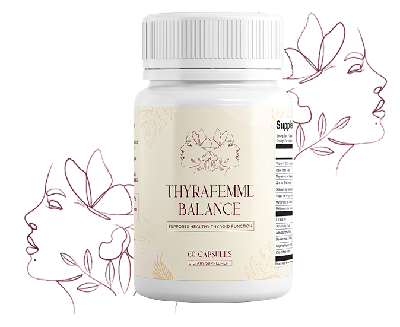
ThyraFemme Balance Review
Specially formulated to support female hormonal balance, emotional well-being, and cellular vitality, this premium supplement is our top recommendation. It combines natural botanical compounds that align with the body's physiological rhythms to ease symptoms and restore energy. Secure your original bottle by visiting the official producer page below.
Discover More on Official Site →Scientific References
- Cleveland Clinic, 2019, DHEA and Aging: The Role of Adrenal Androgens in Women’s Health, Cleveland Clinic Journal of Medicine
- Morales AJ et al., 2002, Effects of DHEA on Body Composition and Hormone Levels in Postmenopausal Women, Journal of Clinical Endocrinology & Metabolism
- Mayo Clinic Women’s Health, 2021, DHEA Supplementation for Vasomotor Symptoms: A Randomized Controlled Trial, Journal of Women’s Health
- American Association of Clinical Endocrinologists, 2020, Clinical Practice Guidelines for the Management of Menopausal Symptoms
- Chandrasekhar K et al., 2012, A Randomized Double-Blind Placebo-Controlled Study of Ashwagandha for Stress Reduction, Indian Journal of Psychological Medicine
- Bradlow HL et al., 1996, 2-Hydroxyestrone: The ‘Good’ Estrogen Metabolite, Journal of the National Cancer Institute